


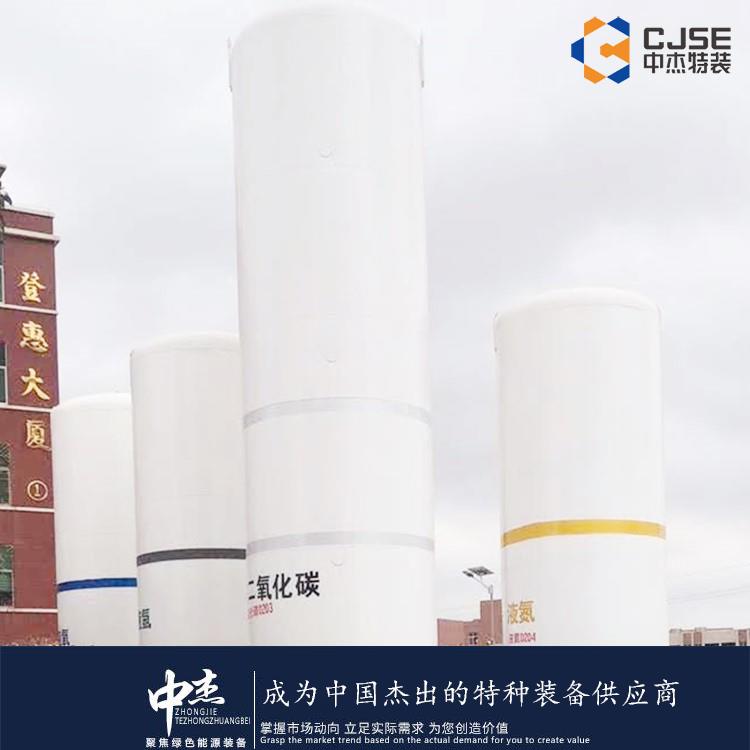

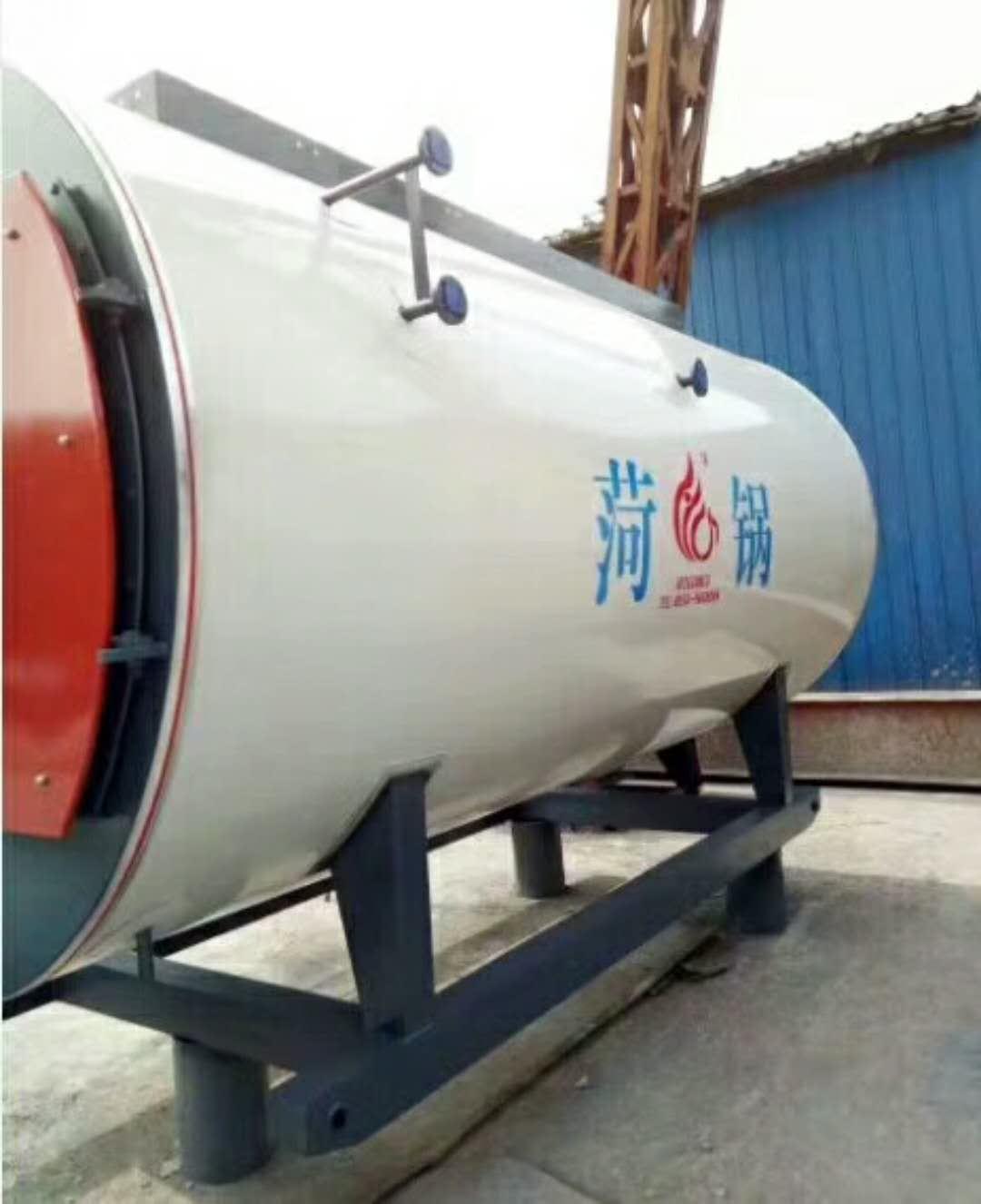


















Shandong Zhongjie Special Equipment (formerly Heze Boiler Factory Co., Ltd.) was established in 2001, located at No. 2218 Jinnan Road, Economic Development Zone, Heze City. With a registered capital of 50 million yuan and total assets of 500 million yuan, the company operates seven business centers: boilers, deep-freeze containers, pressure vessels, central air conditioning, engineering installation, international trade, and Internet of Things. It has three manufacturing sites on Jinnan Road, East Changjiang Road, and Bohai Road, covering a total of 200,000 square meters. The main workshop spans 83,000 square meters. It currently employs 710 staff, including 247 engineers and technicians and 82 intermediate-level technicians. Recognized as a "High-tech Enterprise" by the Science and Technology Department in December 2016, as a "Shandong Specialized, Fine, and New Enterprise" by the Department of Industry and Information Technology in June 2021, as a "Shandong Antelope Enterprise" in June 2022, and as a "Specialized, Fine, and New Small Giant Enterprise" by the Ministry of Industry and Information Technology in August 2022.
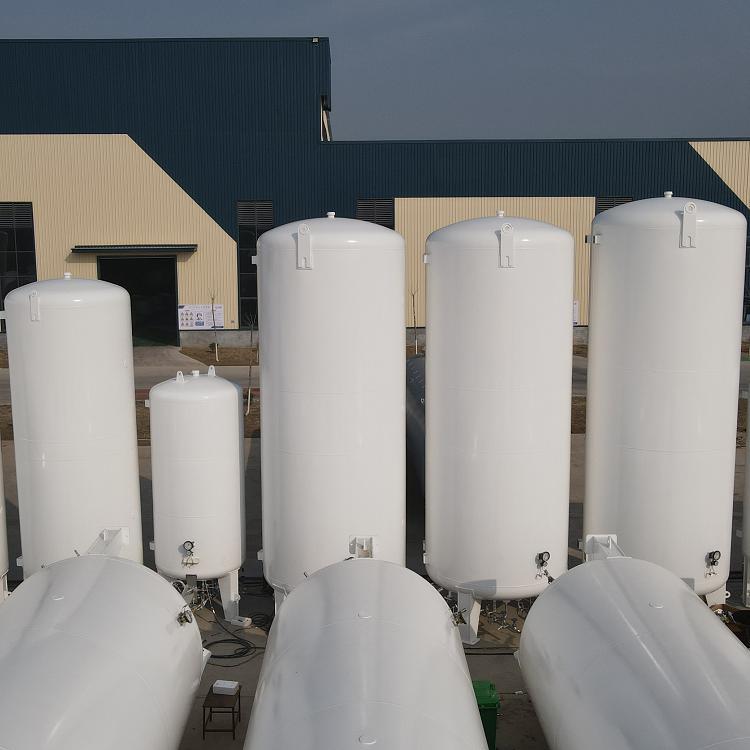
Liquid nitrogen tanks are equipment used for storing liquid nitrogen and are widely used in the following fields:
Frozen Food and Refrigerated Logistics: Liquid nitrogen tanks are used in the frozen food and refrigerated logistics industry to freeze or refrigerate food and other perishable items, extending their shelf life and maintaining freshness. The low temperature of liquid nitrogen can quickly freeze food, preventing bacterial growth and spoilage.
Biological Sample Storage: Liquid nitrogen tanks are extensively used in the field for freezing biological samples, cells, tissues, and more. The low temperature of liquid nitrogen effectively preserves the integrity and viability of biological materials, used in medical research, biomedical engineering, and transplantation fields.
Laboratory Research: Liquid nitrogen tanks are used in scientific research and laboratories to provide liquid nitrogen as a coolant and freezing medium. The low temperature of liquid nitrogen can be used for cooling laboratory equipment, material research, superconducting electronics, and low-temperature physics.
Metalworking and Welding: Liquid nitrogen tanks are used in metalworking and welding to cool and control the temperature of metals. Liquid nitrogen can rapidly cool metals, improve their hardness and strength, and reduce deformation and stress.
Gas Storage and Supply: Liquid nitrogen tanks are also used for storing and supplying nitrogen gas. Liquid nitrogen can be evaporated into gaseous nitrogen for applications such as gas shielded welding, gas fire suppression systems, gas analysis, and laboratory gas supply.
In summary, liquid nitrogen tanks are widely applied in frozen food, laboratory research, metalworking, and gas supply, providing storage and supply functions for liquid nitrogen at application sites.
Liquid Oxygen Low-Temperature Storage Tanks are primarily used for storing and supplying liquid oxygen, with their application methods varying according to specific requirements and scenarios. Here are some common application methods of liquid oxygen low-temperature storage tanks:
Application: Liquid oxygen low-temperature storage tanks are widely used in the field for cryogenic preservation of biological samples, cells, tissues, and vaccines. Institutions such as biopharmaceutical research organizations and biobanks utilize liquid oxygen low-temperature storage tanks to store and protect these biological materials.
Experimental Research: Liquid Oxygen Low-Temperature Storage Tanks are used to provide low-temperature environments in scientific research and laboratories, for cryogenic preservation and experiments. These tanks play a crucial role in experimental research across various fields, including physics, chemistry, biology, and materials science.
Industrial Applications: Liquid Oxygen Low-Temperature Storage Tanks are used in the industrial field for providing low-temperature cooling in processes such as metalworking, welding, and heat treatment. These tanks can achieve the required hardness and toughness of metals during the processing, thanks to their low temperatures.
Food Industry: Liquid Oxygen Low-Temperature Storage Tanks are used in the food industry for freezing and refrigerating food items such as frozen meats, frozen fruits, and frozen seafood. The low temperature of liquid oxygen can quickly freeze food, preserving its freshness and quality.
Liquid oxygen low-temperature storage tanks are used in the field for storing and supplying liquid oxygen as fuel. Liquid oxygen, as a high-energy fuel, is widely used in the propulsion systems of engines and vessels.
During the operation of liquid oxygen low-temperature storage tanks, it is crucial to strictly adhere to relevant safety regulations and operational guidelines to ensure the safe operation and use of the tanks. Liquid oxygen is highly flammable, so fire prevention measures must be taken when using liquid oxygen low-temperature storage tanks, and it must be ensured that there are no sources of fire around the tank.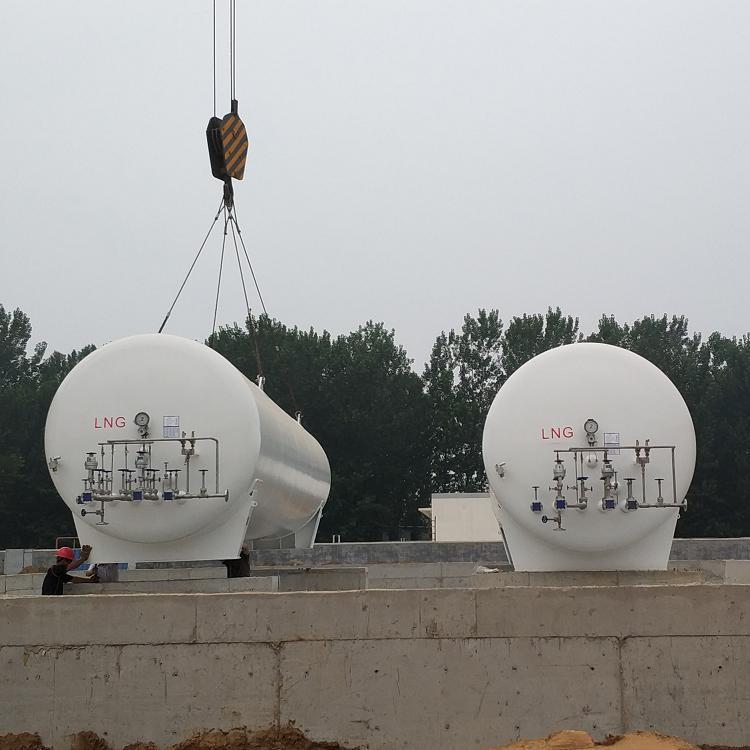
Liquid Oxygen Stations are facilities used for storing and supplying liquid oxygen, with liquid oxygen tanks being a crucial component of these stations. Liquid oxygen tanks possess several important functions and characteristics:
Liquid Oxygen Storage: Liquid oxygen tanks are primarily used for storing liquid oxygen, cooling gaseous oxygen below its critical temperature to convert it into a liquid state. The storage density of liquid oxygen is high, allowing for a large amount of oxygen to be stored in a relatively small space.
Maintain Low Temperature: Liquid oxygen tanks are typically double-walled, with a vacuum layer between the inner and outer walls to reduce heat transfer and maintain低温. This helps keep the liquid oxygen at a低温 state, preventing premature vaporization.
Safety Design: Liquid oxygen tanks must be designed and manufactured with safety in mind. They are typically made from high-strength materials such as stainless steel or aluminum alloy to withstand high pressure and low-temperature conditions. Additionally, liquid oxygen tanks are equipped with safety valves, pressure sensors, and temperature sensors to ensure the pressure and temperature inside the tank remain within safe limits.
Supply System Connection: Liquid oxygen tanks are typically connected to the supply system to transport liquid oxygen to the required locations. The supply system includes liquid oxygen pumps, pipelines, and valves, etc., which are used to extract liquid oxygen from the tank and deliver it to the user end.
Liquid oxygen tanks play a crucial role in storing and maintaining liquid oxygen in liquid oxygen stations. Their design and operation must strictly adhere to relevant safety regulations and procedures to ensure the safety and reliability of the storage and supply process.
The liquid oxygen tank possesses the following characteristics:
High Purity: The liquid oxygen tanks store high-purity liquid oxygen, typically exceeding 99.5% purity. This makes liquid oxygen tanks crucial for applications requiring high-purity oxygen, such as medical, aerospace, and research fields.
Low Temperature: Since the boiling point of liquid oxygen is -183°C, the liquid oxygen storage tank must have excellent insulation properties to maintain the low temperature of the liquid oxygen. Tanks are typically designed with double or multi-layer structures, filled with insulating material in between to minimize heat transfer and evaporation of the liquid oxygen.
High Pressure: Liquid oxygen tanks typically need to withstand high pressure to maintain their liquid state. The design and material selection of the tank must consider the pressure requirements of liquid oxygen to ensure the tank's safety and reliability.
Flammability: Liquid oxygen is highly flammable and can support combustion. Therefore, fire prevention measures must be implemented during the design and use of liquid oxygen storage tanks to ensure there are no sources of fire nearby and appropriate fire extinguishing equipment is available.
High Density: Liquid oxygen has a higher density, allowing liquid oxygen tanks to store more oxygen compared to gas oxygen. This gives liquid oxygen tanks an advantage in applications requiring large amounts of oxygen supply, such as in the field.
Corrosiveness: Liquid oxygen has some degree of corrosiveness.
Zhongjie Special Equipment upholds the great vision of "realizing employees' dreams, creating value for customers, and striving for the prosperity and strength of our motherland," and is dedicated to the development of the green energy equipment industry. We commit to society with high-quality products and services at competitive prices!
WeChat Official Account

Scan to follow Official Account



















