





















Shandong Zhongjie Special Equipment (formerly Heze Boiler Factory Co., Ltd.) was established in 2001, located at No. 2218 Jinnan Road, Economic Development Zone, Heze City. With a registered capital of 50 million yuan and total assets of 500 million yuan, the company has seven business centers: boilers, deep-freeze containers, pressure vessels, central air conditioning, engineering installation, international trade, and Internet of Things. It has three manufacturing sites on Jinnan Road, East Changjiang Road, and Bohai Road, covering a total of 200,000 square meters, with the main workshop area at 83,000 square meters. Currently, it has 710 employees, including 247 engineering and technical personnel and 82 middle-level technical personnel. In December 2016, it was recognized as a "High-tech Enterprise" by the Science and Technology Department. In June 2021, it was identified as a "Specialized and New Enterprise in Shandong Province" by the Ministry of Industry and Information Technology. In June 2022, it was recognized as a "Gazelle Enterprise in Shandong Province" and in August 2022, as a "Specialized and New Small Giant Enterprise" by the Ministry of Industry and Information Technology.
Prior to ignition, the preparation of the steam boiler involves the following steps: Clean the boiler: First, clean the internal and external dirt and impurities from the boiler. Remove ash, sediments, and dirt to ensure the efficiency of combustion and heat exchange. Check fuel supply: Inspect the fuel supply system to ensure a smooth supply of fuel. Check the fuel storage tank, conveyance pipelines, and filters, clearing blockages and replacing damaged parts. Inspect the burner: Check the operating status and cleanliness of the burner. Clean the burner's nozzle and flame detector to ensure proper functioning of the burner. Inspect the gas system: If it's a gas boiler, check the gas supply system. Inspect the gas pipelines, valves, and pressure regulators to ensure safe and stable gas supply. Check water level and pressure: Inspect the boiler's water level and pressure. Ensure the water level is within the normal range, pressure is stable, and meets requirements. Add water and adjust pressure if necessary. Check safety devices: Inspect the boiler's safety devices such as safety valves, pressure switches, and water level controllers. Ensure these devices are working properly to ensure safe operation of the boiler. Prepare ignition tools: Prepare the tools and equipment required for ignition, such as ignition rods, igniters, and sparks. Ensure these tools are functioning normally and have safe performance. While performing these preparation tasks, follow relevant operational procedures and safety requirements to ensure safety and effectiveness of the work. If unsure about the preparation, consult experts or the boiler manufacturer for advice.
Industrial boilers, during their long-term operation, can accumulate scale and sediments, affecting the heat exchange efficiency and the normal operation of the boiler. Here are some effective descaling methods:
1. Mechanical Cleaning: This involves using cleaning equipment and tools to wash away scale and sediments within the boiler using high-pressure water or mechanical brushes. This method is suitable for lighter scale and sediment build-up.
2. Chemical Cleaning: Utilizing chemical cleaning agents, the scale and sediments are dissolved through chemical reactions. Select an appropriate cleaning agent based on the composition and nature of the scale, and follow the instructions for use. Safety precautions are crucial during chemical cleaning to prevent damage to equipment and the environment.
3. Acid Cleaning: Acid cleaning is a common descaling method for certain types of scale and sediments that are difficult to dissolve. Common acid cleaners include [insert specific acid cleaners], and the appropriate cleaner and concentration should be selected based on the specific situation. Safety must be a priority during acid cleaning to avoid harm to equipment and personnel.
4. Alkaline Cleaning: Alkaline cleaning is a descaling method for specific types of scale, suitable for alkaline scale. Common alkaline cleaners include [insert specific alkaline cleaners], and the appropriate cleaner and concentration should be selected based on the specific situation. Safety must be a priority during alkaline cleaning to avoid harm to equipment and personnel.
5. Physical Descaling: Physical descaling methods include ultrasonic cleaning and electro-dissolution. Ultrasonic cleaning uses the vibrational action of ultrasound to shake the scale loose. Electro-dissolution uses the principle of electrolysis to dissolve scale through the action of electricity. These methods are suitable for specific situations and types of scale.
When choosing a descaling method, it is necessary to consider the specific conditions of the boiler.
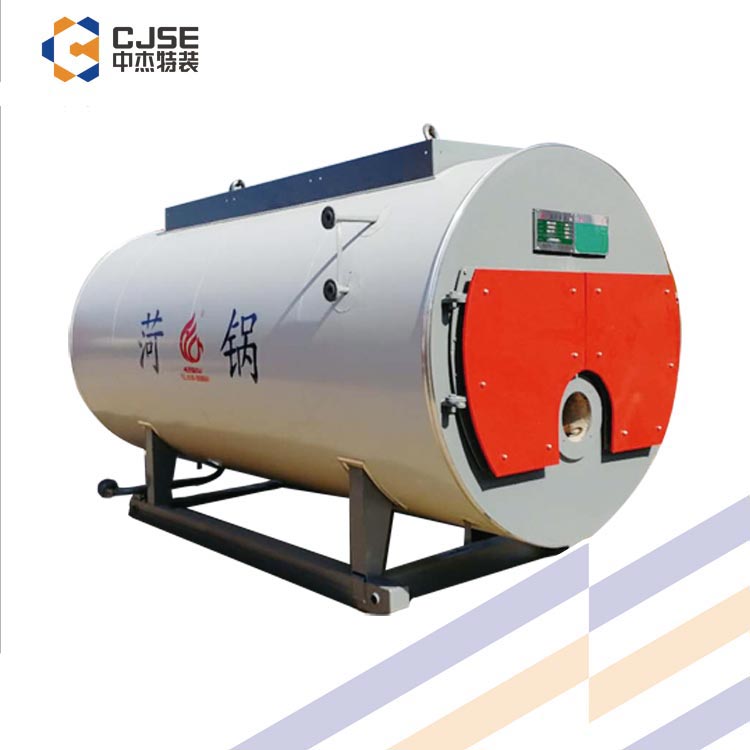
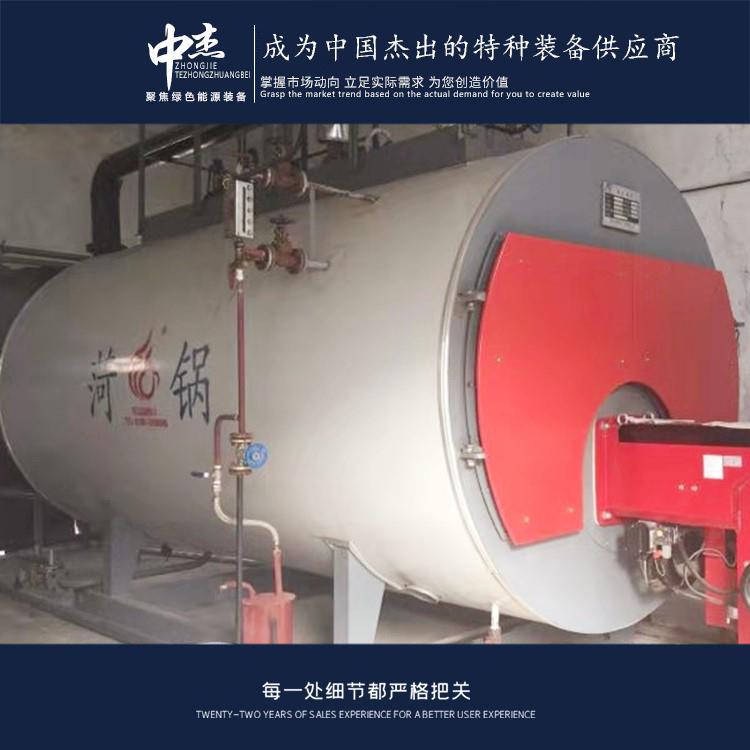
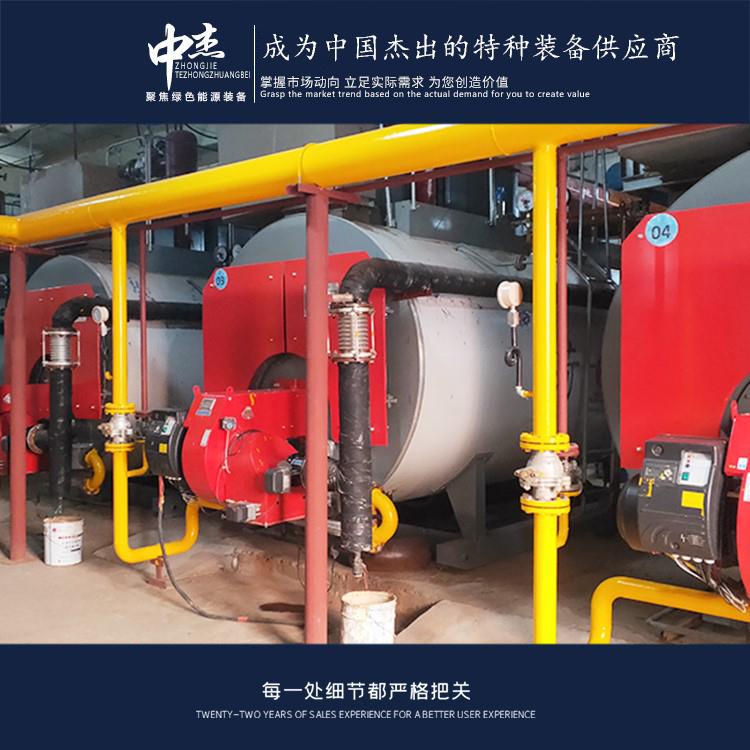
A gas boiler is a heating equipment that uses gas or similar fuels. It generates heat by burning gas, heating water into steam or hot water, which is used for heating, hot water supply, or industrial production, among other applications. The working principle of a gas boiler involves mixing gas with air, igniting the mixture to produce high-temperature combustion gases, and then transferring the heat to the water through a heat exchanger, thereby raising the water temperature. Gas boilers offer advantages such as environmental friendliness, safety, and are widely used in residential, commercial, and industrial sectors.
Regular inspections of industrial boilers are crucial for ensuring safe operation, improving efficiency, and extending service life. Here are the importance of regular inspections for industrial boilers:
Safety Assurance: Industrial boilers are high-temperature, high-pressure equipment. Without regular inspections, safety hazards may exist. Regular inspections can identify and rectify potential issues within the boiler, such as combustion system failures, water level control failures, and malfunctioning safety valves, ensuring the safe operation of the boiler.
Efficiency Enhancement: Regular inspections can identify dirt and deposits inside the boiler, maintaining the cleanliness and thermal conductivity of heat exchangers, and improving the thermal and energy efficiency of the boiler. This helps reduce energy consumption and operating costs.
Extended Service Life: Regular inspections can detect and address corrosion, wear, and fatigue issues within the boiler promptly, preventing further damage and failures, thus extending the boiler's service life. Regular maintenance can also prevent and reduce boiler damage and failures.
Legal and Regulatory Requirements: Many regions have enacted laws and regulations and standards for boiler safety management, requiring regular inspections and maintenance of industrial boilers. Regular inspections are a vital part of complying with legal and regulatory requirements.
Insurance Requirements: Some insurance companies have specified insurance requirements for industrial boilers, mandating regular inspections and maintenance. Regular inspections can meet insurance company requirements and protect the enterprise's insurance rights.
In summary, regular inspections of industrial boilers are important for ensuring safety, improving efficiency, extending service life, complying with laws and regulations, and meeting insurance requirements. Regular inspections should be conducted by qualified institutions or individuals, following relevant laws, regulations, and standards. Timely regular inspections and maintenance can ensure the safe operation of industrial boilers.
ZJ Special Equipment adheres to the great vision of "realizing employees' dreams, creating value for customers, and striving for the prosperity and strength of our motherland," focusing solely on the development of green energy equipment. We dedicate high-quality, cost-effective products and services to society!
WeChat Official Account

Scan to follow Official Account



















