





















Shandong Zhongjie Special Equipment (formerly Heze Boiler Factory Co., Ltd.) holds an A-grade boiler manufacturing license, an A2-grade pressure vessel manufacturing license, an A2-grade pressure vessel design license, a B-grade boiler installation license, and GB2/Class GC2 pressure pipeline installation licenses, as well as a mechanical and electrical equipment installation contracting qualification. It is a member of the China Boiler and Water Treatment Association, the China Chemical Equipment Association, and the council member of the Shandong Equipment Manufacturing Association. The company has also passed certifications for the ISO9001 Quality Management System, ISO14001 Environmental Management System, OHSAS18001 Occupational Health and Safety Management System, and the American ASME/U2 certification.
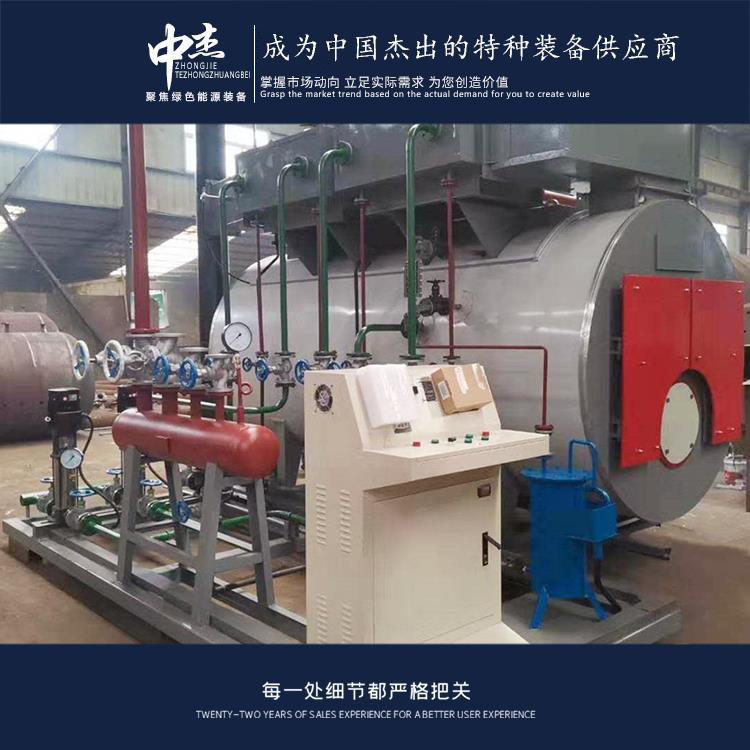
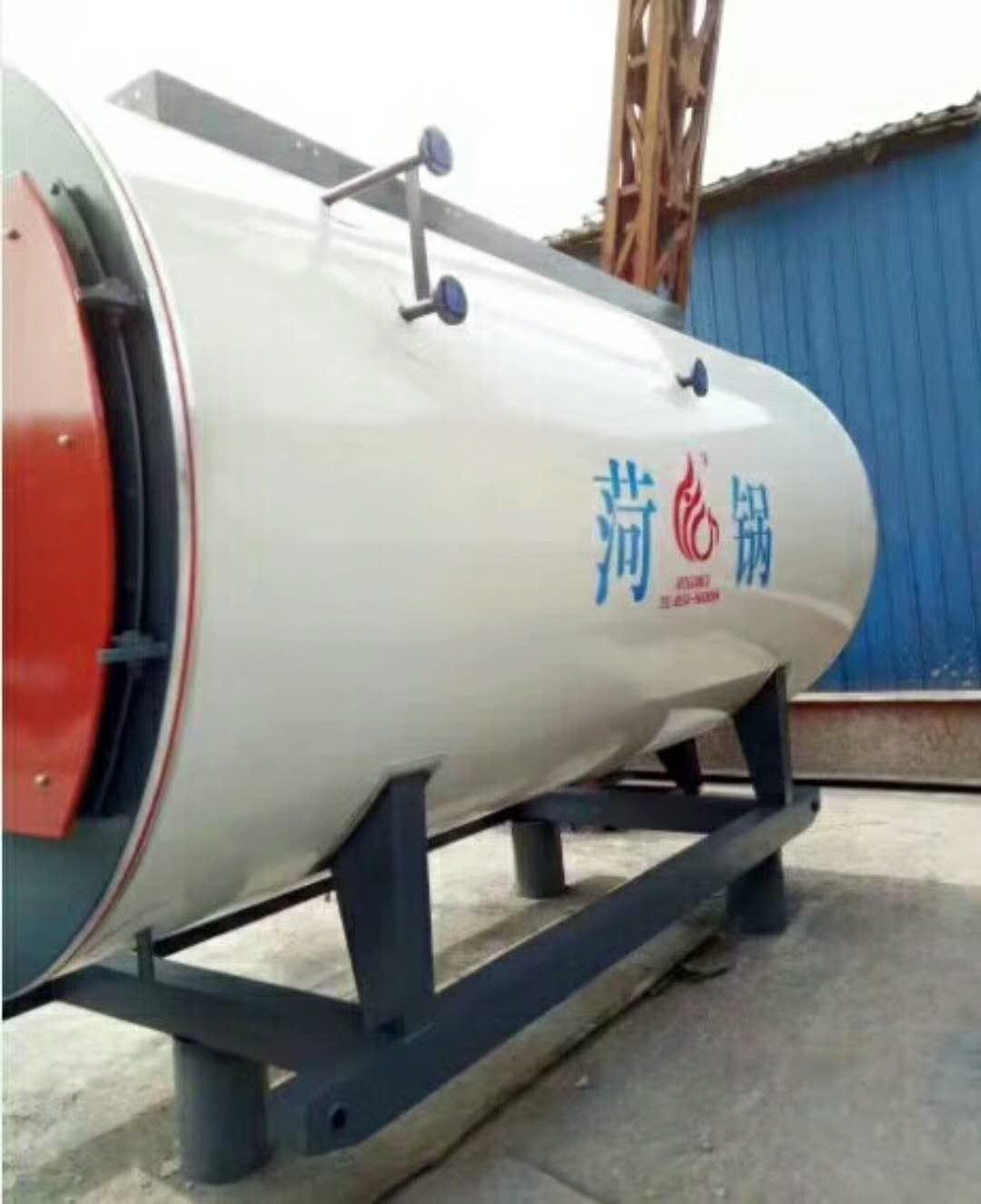
A gas thermal oil furnace is a device that uses gas as fuel and transfers heat energy through thermal oil. Its features include:
- High thermal efficiency: The gas thermal oil furnace uses thermal oil as the heat transfer medium, offering high heat transfer efficiency. The thermal oil has high thermal conductivity and stability, enabling rapid heat transfer and improving energy utilization efficiency.
- Temperature control: The furnace can control the working temperature by regulating gas supply and thermal oil circulation. This temperature control meets various process and production requirements, enhancing production efficiency and product quality.
- Safety and reliability: The furnace employs a closed-loop system, with the combustion process occurring in an enclosed environment, reducing the risk of gas leakage. Additionally, the thermal oil has a high flash point and ignition point, making the combustion process relatively safe and reliable.
- Flexibility: The gas thermal oil furnace is suitable for various industrial sectors, such as chemicals, textiles, and food processing. It can adapt to different process demands and working conditions, offering strong flexibility.
- Environmental protection and energy saving: The furnace emits relatively low amounts of exhaust during combustion, causing minimal environmental pollution. Due to its high thermal efficiency and temperature control, the furnace can save energy consumption and reduce energy costs.
It is important to note that regular inspections and maintenance are required for the gas thermal oil furnace during use to ensure proper operation and extend its service life. Moreover, selecting the appropriate model and supplier is crucial for ensuring its features and performance.
Before ignition, the preparation of a steam boiler involves the following steps:
1. Clean the boiler: First, clean the internal and external dirt and impurities from the boiler. Remove ash, sediment, and dirt to ensure combustion and heat exchange efficiency.
2. Check fuel supply: Inspect the fuel supply system to ensure a smooth fuel supply. Check the fuel storage tank, conveyance pipelines, and filters, clearing blockages and replacing damaged parts.
3. Inspect the burner: Check the operational status and cleanliness of the burner. Clean the burner's nozzle and flame detector to ensure proper burner operation.
4. Check the gas system: For gas boilers, inspect the gas supply system. Check the gas pipelines, valves, and pressure regulators to ensure safe and stable gas supply.
5. Check water level and pressure: Inspect the boiler's water level and pressure. Ensure the water level is within the normal range, and pressure is stable and meets requirements. Add water and adjust pressure if necessary.
6. Check safety devices: Inspect the boiler's safety devices, such as safety valves, pressure switches, and water level controllers. Ensure these safety devices operate normally to guarantee safe boiler operation.
7. Prepare ignition tools: Prepare the tools and equipment needed for ignition, such as a lighter rod, igniter, and matches. Ensure these tools function properly and are safe.
8. While performing the above preparation tasks, follow relevant operational procedures and safety requirements to ensure the safety and effectiveness of the work. If unsure about the preparation tasks, consult an expert or the boiler manufacturer for advice.
Clean and environmentally friendly gas boilers offer several advantages:
- Low emissions: The exhaust emissions from gas combustion are relatively low, with reduced amounts of pollutants such as nitrogen oxides and particulates. Compared to coal-fired or oil-fired boilers, gas boilers have lower emissions and cause less environmental pollution.
- High thermal efficiency: Gas combustion has a high thermal efficiency, enabling the full utilization of fuel energy and reducing energy waste. Compared to other traditional fuels like coal and oil, gas has a higher combustion efficiency, providing more heat energy.
- Clean combustion: Gas combustion does not produce ash or soot, reducing the accumulation of carbon and dirt inside the boiler and in the flue. This reduces the cleaning and maintenance work of the boiler, extending its lifespan.
- Combustion stability: The combustion performance of gas is stable, with minimal flame fluctuations and explosion risks during combustion. This makes gas boilers safer and more reliable in operation.
- Quick start and stop: Compared to other fuels, gas boilers can start and stop more quickly and flexibly. This makes them suitable for scenarios requiring frequent start and stop, such as seasonal heating and hot water needs.
- Renewable energy integration: As a clean fuel, gas can be combined with renewable energy sources, such as solar hot water systems and biomass fuels. This integration can further improve energy utilization efficiency and environmental friendliness.
Yes, thermal oil boilers typically come with some self-protection features to ensure safe operation and extend their lifespan. Here are some common self-protection functions: Overheat Protection: Thermal oil boilers are equipped with overheat protection devices that automatically shut off the burner's gas supply when the thermal oil temperature exceeds the set safe range, preventing overheating and avoiding equipment damage and safety accidents. Overpressure Protection: Thermal oil boilers also have overpressure protection devices that automatically shut off the burner's gas supply when the thermal oil pressure exceeds the set safe range, preventing the system from exploding or leaking. Burner Automatic Control: The burners of thermal oil boilers are usually equipped with automatic control systems that can automatically adjust gas supply and combustion effect based on set operating parameters, maintaining a stable combustion state and avoiding incomplete or excessive combustion. Temperature Control and Adjustment: Thermal oil boilers are typically equipped with temperature control and adjustment devices that can automatically regulate the circulation and heating of thermal oil based on the set operating temperature, maintaining a stable working temperature and avoiding overheating or underheating. Water Level Protection: For some thermal oil boilers, especially water tube boilers, water level protection devices are also provided to monitor the water level of the thermal oil and water. When the water level is abnormal, the protection device will automatically shut off the burner's gas supply, preventing dry burning and thermal oil leakage. It is important to note that although thermal oil boilers have self-protection functions, they still require regular inspections and maintenance to ensure the normal operation and reliability of these protection devices. Additionally, operators need to understand and master the working principles and operation methods of these self-protection functions to ensure safe operation.
Our company attaches great importance to technological innovation and R&D design. We possess 1 municipal-level enterprise technology center in Heze City, and have established testing facilities for non-destructive testing, physical and chemical testing, welding testing, hydrostatic testing, etc. We are equipped with over 600 units of various instruments and equipment, including CNC machine tools, X-ray flaw detectors, digital ultrasonic flaw detectors, mechanical property testing machines, chemical analyzers, spectrometers, tensile testing machines, plasma welding machines, and more. The key products we have developed, such as welding technology for temperature and pressure vessels, emissions reduction from biomass boilers, and waste heat recovery, have successively been selected for multiple Shandong Provincial Department of Industry and Information Technology innovation projects, key provincial projects, and Heze City innovative and excellent projects. We have累计 obtained 27 authorized utility model patents, 16 authorized invention patents, participated in drafting 2 national standards, 2 industry standards, and registered 15 trademarks. Our technical team, in collaboration with Professor Yajiang Li of Shandong University, has developed deep cryogenic vessel processing technology, utilizing the international combination welding technology of plasma arc + filler wire tungsten inert gas arc (PAW-GTAW). This technology has been appraised at the provincial level, and its technical level has reached international standards in the field of deep cryogenic vessel manufacturing.
Choose Jietong's Custom Solutions, join hands to create brilliance!
WeChat Official Account

Scan to follow Official Account



















