


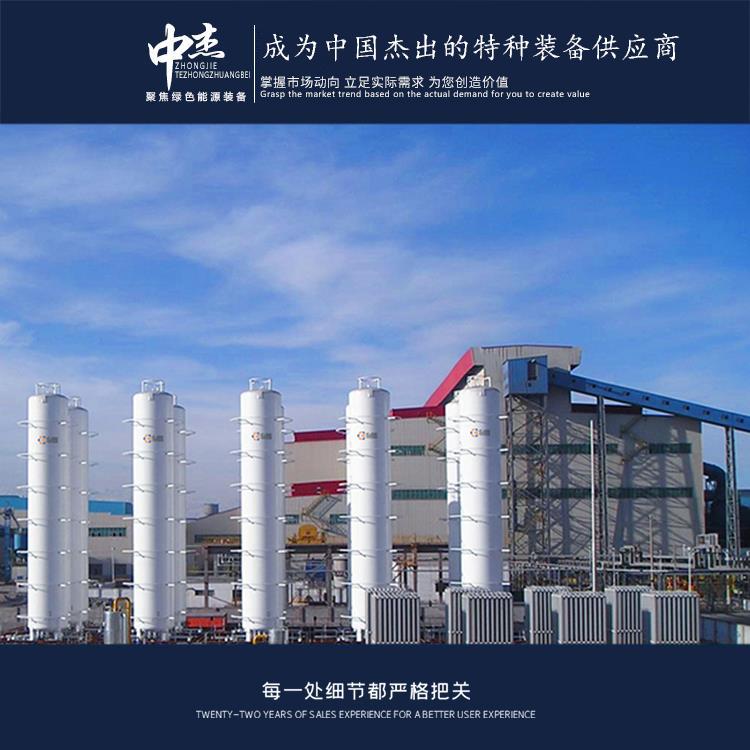

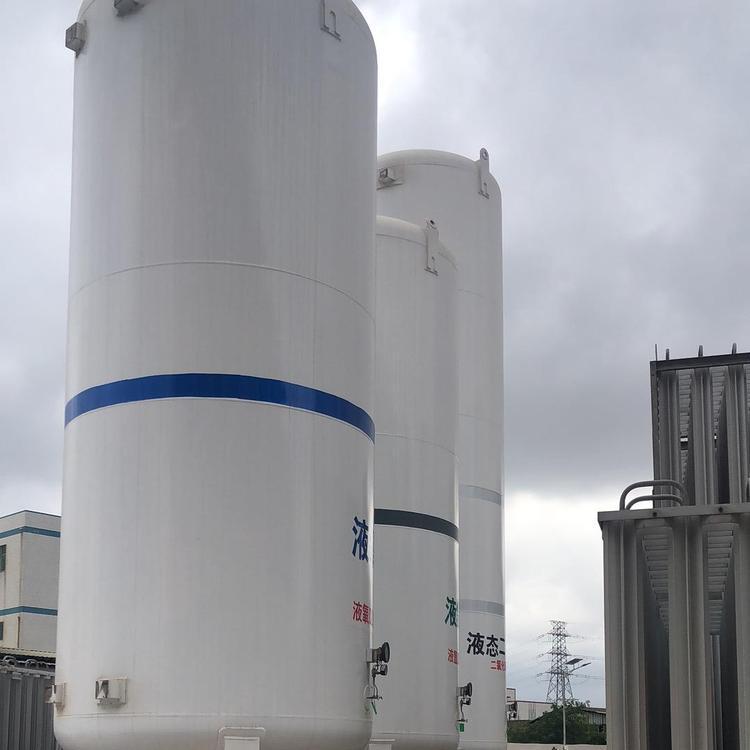
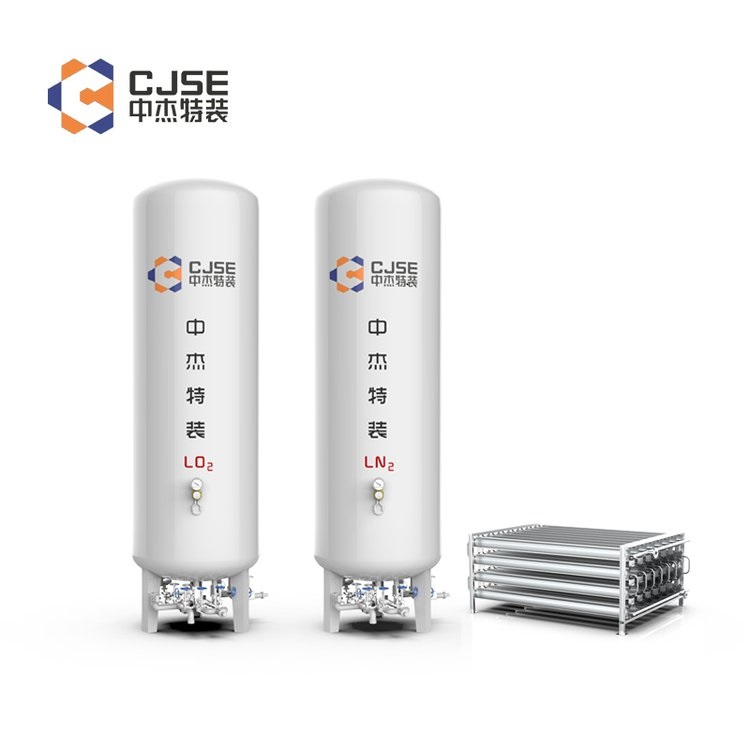


















Shandong Zhongjie Special Equipment (formerly Heze Boiler Factory Co., Ltd.) was established in 2001, located at No. 2218 Jinan Road, Economic and Technological Development Zone, Heze City. With a registered capital of 50 million yuan and total assets of 500 million yuan, the company has seven business centers: boilers, deep-freeze containers, pressure vessels, central air conditioning, engineering installation, international trade, and Internet of Things. It has three factory sites on Jinan Road, East Changjiang Road, and Bohai Road, covering a total of 200,000 square meters. The main workshop spans 83,000 square meters. It currently employs 710 staff, including 247 engineers and technicians, and 82 intermediate-level technicians. In December 2016, it was recognized as a "High-tech Enterprise" by the Science and Technology Department. In June 2021, it was named a "Specialized and New Enterprise in Shandong Province" by the Ministry of Industry and Information Technology. In June 2022, it was identified as a "Gazelle Enterprise in Shandong Province" and in August 2022, it was recognized as a "Specialized and New Small Giant Enterprise" by the Ministry of Industry and Information Technology.
Liquid nitrogen storage tanks feature the following characteristics during construction:
Low Temperature Construction: The construction of liquid nitrogen tanks must be carried out in a low-temperature environment, as the boiling point of liquid nitrogen is low, approximately -196 degrees Celsius. Construction personnel must take appropriate protective measures, such as wearing insulated clothing and gloves, to protect themselves from low-temperature injuries.
Welding Technology: A substantial amount of welding is required during the manufacturing process of liquid nitrogen tanks, including the joining of tank walls, bottom plates, top plates, and seams. Welding technology is crucial for the quality and safety of the tank, necessitating the use of appropriate welding methods and materials to ensure the strength and sealability of the seams.
Insulation Layer Installation: Liquid nitrogen tanks must have excellent insulation properties to reduce heat conduction and maintain the low-temperature state of liquid nitrogen. The installation of the insulation layer requires materials such as polyester foam and glass wool, ensuring the thickness and quality of the insulation layer.
Proper installation steps for a liquid nitrogen tank are as follows:
Site Preparation: Select an appropriate site for tank installation, ensuring it is level, sturdy, and has adequate load-bearing capacity. The site should be located away from flammable, explosive materials, and other hazardous sources.
Foundation Construction: Construction of the foundation based on the tank's dimensions and weight, including excavation of the foundation pit and pouring of concrete foundation. The design and construction of the foundation should comply with relevant standards and specifications.
Tank Installation: Transport the tank to the site and perform vertical installation. Suitable lifting equipment and safety measures must be used during the installation process to ensure the stability and safety of the tank.
Pipe Connections: Connect the storage tank to the relevant pipeline system as required, including intake pipes, exhaust pipes, and liquid supply pipes, etc. Sealing and testing must be performed during the connection process to ensure the safety of the pipes.
Low-temperature liquid storage tanks are equipment used for storing low-temperature liquids, commonly employed for storing liquid oxygen, liquid nitrogen, liquid argon, and other low-temperature liquids. These liquids exist in a gaseous state at room temperature but are cooled to a liquid state under low temperatures for easier storage and use. These storage tanks are typically made of high-strength materials such as stainless steel or aluminum alloy to withstand low temperatures and high pressures. They usually have an insulating layer inside to minimize evaporation and maintain the low-temperature state. The applications of low-temperature liquid storage tanks include but are not limited to the following areas: They are widely used in rocket fuel and propulsion systems, such as liquid oxygen, liquid nitrogen, and liquid hydrogen storage tanks, for storing and supplying low-temperature liquids as fuel and oxidizers to propel rockets and operate them. Industrial Production: Low-temperature liquid storage tanks are used in industrial production for storing and supplying low-temperature liquids like liquid oxygen, liquid nitrogen, and liquid argon. These liquids serve as coolants, raw materials for gas separation, and reactants in chemical reactions, among other uses. Medical Applications: These tanks are used in the medical field to store and supply liquid oxygen for oxygen therapy, inhalation therapy, and operating rooms, among other applications. Laboratory Research: In scientific research and laboratories, low-temperature liquid storage tanks provide low-temperature liquids as coolants and refrigerants. They are used for cooling laboratory equipment, material research, superconductivity, and low-temperature physics, among other fields. In summary, low-temperature liquid storage tanks have extensive applications in rocketry, industrial production, and laboratory research, where they are used to store and supply low-temperature liquids to meet the needs of various fields.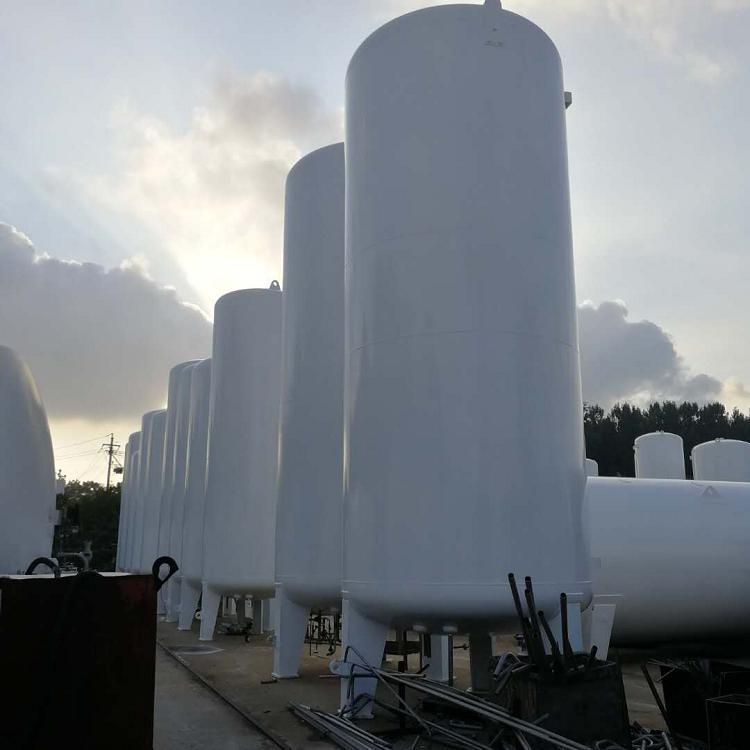
The filling process for liquid nitrogen tanks typically includes the following steps:
Preparation: Ensure the storage tank and filling equipment are in good condition with no damage or leaks. Check that the insulation layer of the tank is intact and undamaged.
Safety Inspection: Check the tank and its surrounding environment for safety. Ensure there are no flammable materials or other hazardous items around the tank.
Connect equipment: Link the filling equipment to the storage tank. Ensure the connection is securely fastened and leak-free.
Prepare Liquid Nitrogen: Ready for liquid nitrogen supply, ensuring the quality and purity meet the requirements.
Open valves: Follow the operating instructions of the filling equipment to gradually open the corresponding valves, allowing liquid nitrogen to flow from the supply source into the storage tank.
Regulate Flow: Adjust the flow control valve of the filling equipment as needed to control the inflow speed of liquid nitrogen. Ensure the flow rate is moderate, avoiding too fast or too slow.
Level Monitoring: Real-time monitoring of liquid nitrogen level within the storage tank through a level gauge or other level monitoring devices. Ensure the level is maintained within a safe range.
Discontinue Filling: Close the valve of the filling equipment when liquid nitrogen fills the tank or reaches the desired level, halting the filling process.
Disconnect: Disconnect the filling equipment from the storage tank and ensure there are no leaks at the connection point.
Safety Inspection: Recheck the tank and its surrounding environment for safety, ensuring there are no leaks or other potential hazards.
Please note that the process described is for general reference only, and the actual filling process may vary depending on the specific type of tank and filling equipment. When performing filling operations on liquid nitrogen tanks, please adhere to the relevant operational specifications and safety requirements, and ensure that the operators have received the necessary safety training and skills.
A 50-cubic-meter liquid oxygen tank refers to a storage tank with a capacity of 50 cubic meters. Liquid oxygen tanks are commonly used for storing and supplying liquid oxygen, applicable in fields such as laboratory research, etc.
Key features and configurations of a 50 cubic meter liquid oxygen tank may include the following aspects:
Volume: A 50-cubic-meter liquid oxygen storage tank can hold a substantial amount of liquid oxygen.
Structure: Liquid oxygen tanks typically feature a double or multi-layered design, filled with insulating material in between to minimize heat transfer and evaporation of the liquid oxygen. The tank material is usually stainless steel or aluminum alloy, offering excellent corrosion resistance and low-temperature performance.
Insulation Layer: The insulation layer of liquid oxygen storage tanks typically employs multi-layered insulating materials, such as polyethylene foam, glass fiber, and vacuum layers, to minimize heat transfer and evaporation of liquid oxygen.
Temperature Control System: Liquid oxygen tanks are typically equipped with a temperature control system to regulate the tank's temperature, maintaining the低温 state of the liquid oxygen.
Safety Equipment: Liquid oxygen tanks are typically equipped with safety devices, such as pressure sensors, temperature sensors, and safety valves, to ensure safe operation of the tank.
It's crucial to strictly adhere to the relevant safety standards and operational guidelines when using liquid oxygen tanks to ensure their safe operation and use. Liquid oxygen is highly flammable, so fire prevention measures must be taken when using liquid oxygen tanks, and it's essential to ensure there are no sources of fire nearby.
Shandong Zhongjie Special Equipment, welcome customers to our factory for business discussions.
WeChat Official Account

Scan to follow Official Account



















