


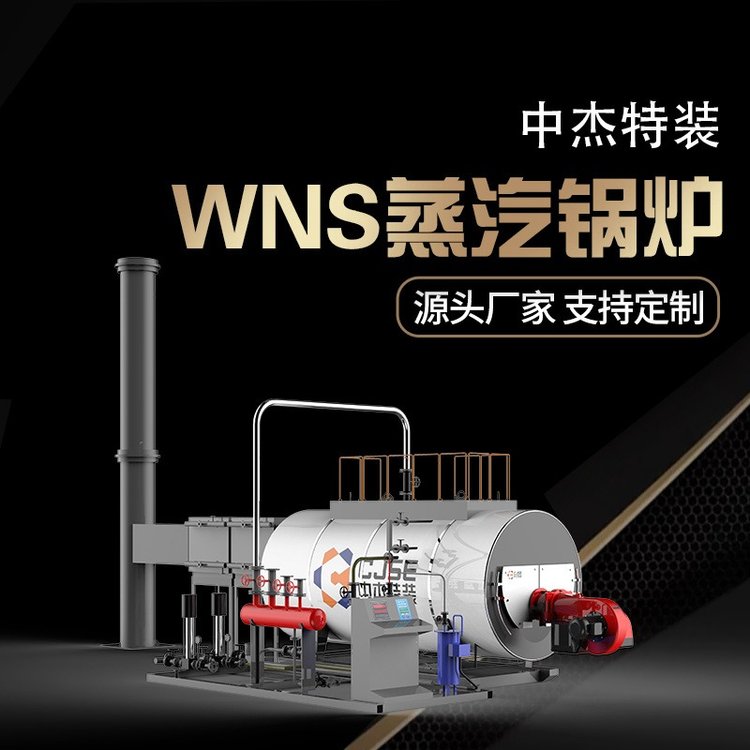

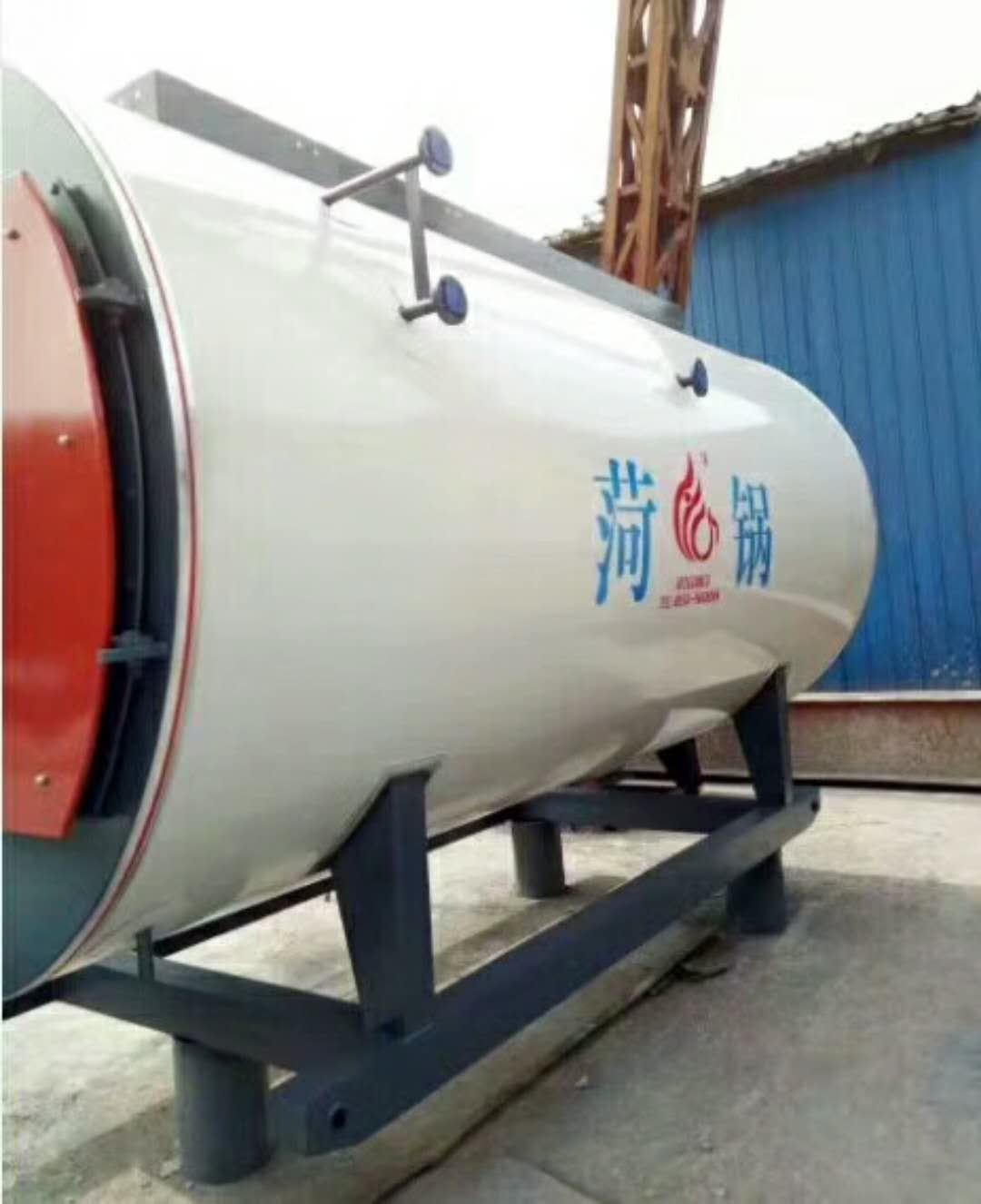
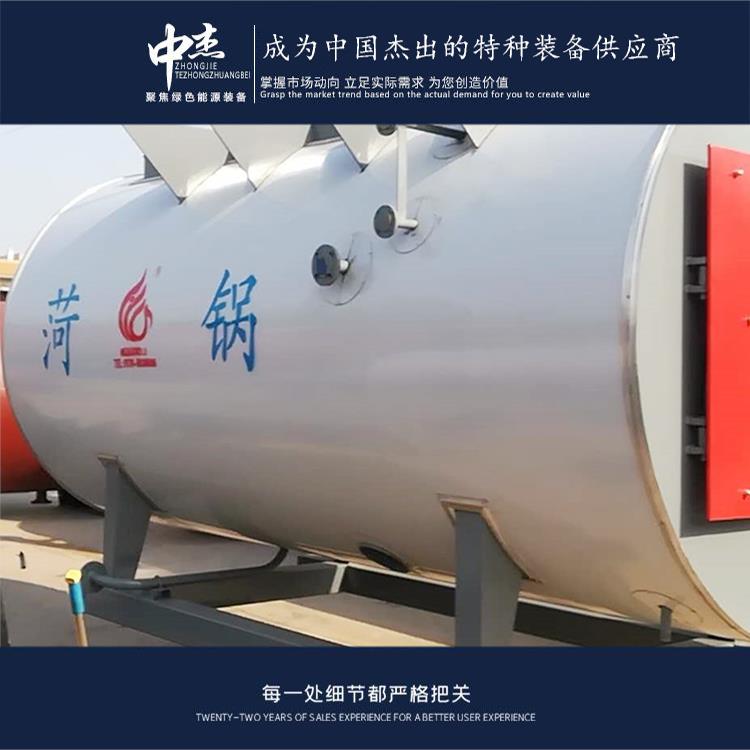


















Shandong Zhongjie Special Equipment's main products include: fuel (gas) boilers, organic heat carrier boilers, biomass boilers, waste heat boilers, and other boiler products; vacuum insulation cryogenic pressure vessels such as LNG tanks, oxygen/nitrogen/argon tanks, CO2 tanks; pressure vessel products such as denitrification engineering equipment, heat storage and energy storage equipment, complete chemical equipment sets; central air conditioning and ventilation equipment such as ground (water) source heat pumps, air source units, water-cooled screw units, and air-cooled modular units. Planned products include large-scale energy centers, LNG transport vehicles, LNG tank containers, and other green energy equipment.
When selecting a thermal oil furnace for the rubber industry, pay attention to the following aspects:
- Temperature Requirements: Determine the required working temperature range based on the process needs of the rubber industry. Ensure the thermal oil furnace can stably provide the necessary working temperature.
- Heat Load: Calculate the required heat load based on the production scale and process requirements of the rubber industry. Ensure the thermal oil furnace's heat load meets the industry's needs.
- Thermal Efficiency: The thermal efficiency of the thermal oil furnace directly affects energy consumption and operating costs. Consider the thermal efficiency and choose energy-saving products.
- Safety: The safety of the thermal oil furnace is crucial. Choose a furnace with comprehensive safety protection devices and an automatic control system to ensure safe and reliable operation.
- Maintenance: Proper maintenance is crucial for extending the lifespan and ensuring normal operation of the thermal oil furnace. Consider the ease and cost of maintenance when selecting a furnace.
- Manufacturer's Reputation: Choose a thermal oil furnace manufacturer with a good reputation and extensive experience to ensure product quality and reliable after-sales service.
- Cost-Effectiveness: Consider the price, energy consumption, and maintenance costs of the thermal oil furnace, choosing products with good cost-effectiveness.
- Consultation: When purchasing a thermal oil furnace, it is recommended to consult with heating equipment suppliers or engineers, select based on specific needs, and follow relevant industry standards and regulations.
Conduction oil boiler tube plate inspection is conducted to ensure the safe operation of the boiler and prevent potential issues. Here are the general steps for conduction oil boiler tube plate inspection:
Visual Inspection: Perform a visual inspection to check for any obvious corrosion, cracks, deformations, or other anomalies on the tube plate surface. Pay special attention to inspect for cracks or leaks at the welds and joints.
Tube Plate Cleaning: Clean the surface of the tube plate thoroughly, removing dirt and deposits to facilitate inspection.
Ultrasonic Testing: Use an ultrasonic testing device to inspect the tube plate for any possible cracks or defects. Ultrasonic testing helps determine the integrity and reliability of the tube plate.
Pressure Testing: Conduct a pressure test to verify the sealing and pressure resistance of the tube plate. Gradually increase the pressure during the test, observe for any leakage, and ensure the tube plate can withstand the designed pressure.
Tube Plate Thickness Measurement: Use an ultrasonic thickness gauge to measure the thickness of the tube plate to ensure it meets design requirements. Pay particular attention to the corrosion condition of the tube plate, ensuring it remains within safe limits.
Weld Inspection: Inspect the welds on the tube plate to ensure the quality meets relevant standards and specifications. Check the integrity of the welds, the quality of the welds, and whether the welding process meets requirements.
Documentation and Reporting: Document and report the inspection results of the tube plate, including any issues found, remedial measures, and recommendations. These records and reports serve as references for future maintenance and management.
It is important to note that the inspection of conduction oil boiler tube plates should be carried out by qualified personnel and conducted strictly in accordance with relevant standards and regulations. If any issues or anomalies are detected, appropriate repair and maintenance measures should be taken promptly to ensure the safe operation of the boiler.
The flow rate standard for thermal oil in the oil pipes of a thermal oil furnace is typically determined by the specific application and equipment requirements, with no unified fixed value. Generally speaking, the flow rate of thermal oil in the pipes should be maintained within a reasonable range to ensure the normal operation of the equipment and the effectiveness of heat transfer. Excessive flow rates of thermal oil can lead to the following issues: increased pressure loss in the system, higher energy consumption by the pump. Increased friction loss in the pipes, leading to energy loss. Increased noise and vibration in the system. Low flow rates of thermal oil can result in the following problems: insufficient heat transfer, affecting the thermal efficiency of the equipment. Extended residence time of thermal oil in the pipes, which can easily lead to oxidation and thermal decomposition, impacting the lifespan of the thermal oil. Formation of carbon deposits in the pipes, increasing resistance and affecting fluid flow. Therefore, when designing and operating a thermal oil furnace system, it is necessary to consider specific equipment parameters, the properties of the thermal oil, and pipeline layout factors to determine an appropriate flow rate. Generally, the flow rate of thermal oil should be within the range of 0.5-2.0 m/s, but the specific figures need to be adjusted and optimized based on actual conditions. In practice, the flow rate of thermal oil can be controlled by monitoring and adjusting the pump flow and pipeline resistance to meet the equipment's heat energy needs and operational requirements.
Common issues and troubleshooting for gas boiler burners are as follows:
- No flame or unstable flame: Check if the gas supply is normal, ensure the gas valve is open. Clean the burner nozzle to ensure the passage is clear. Inspect the ignition electrode for cleanliness, carbon buildup, or dirt. Adjust the gas-to-air ratio to ensure the correct mixture.
- Incomplete combustion or black smoke: Check if the gas supply is sufficient, adjust the gas pressure. Clean the burner nozzle and combustion chamber to ensure the passage is clear. Adjust the gas-to-air ratio to ensure the correct mixture. Check for carbon buildup or dirt in the burner, clean or replace damaged parts.
- Difficulty in ignition or ignition failure: Inspect the ignition electrode for cleanliness, carbon buildup, or dirt. Adjust the position and gap of the ignition electrode to ensure normal spark generation. Check if the ignition transformer or controller is functioning properly, repair or replace damaged parts.
- Abnormal noise from the burner: Check if the gas supply is normal, ensure the gas valve is open. Inspect the burner and combustion chamber for loose parts, tighten or replace damaged parts. Clean the burner and combustion chamber to ensure no carbon buildup or dirt.
- If the above methods do not solve the problem, it is recommended to contact a gas boiler maintenance professional for inspection and maintenance. Also, to ensure safety, follow the relevant safety operating procedures when using a gas boiler.
Shandong Zhongjie Special Equipment, welcome customers to visit our factory for cooperation negotiations.
WeChat Official Account

Scan to follow Official Account



















