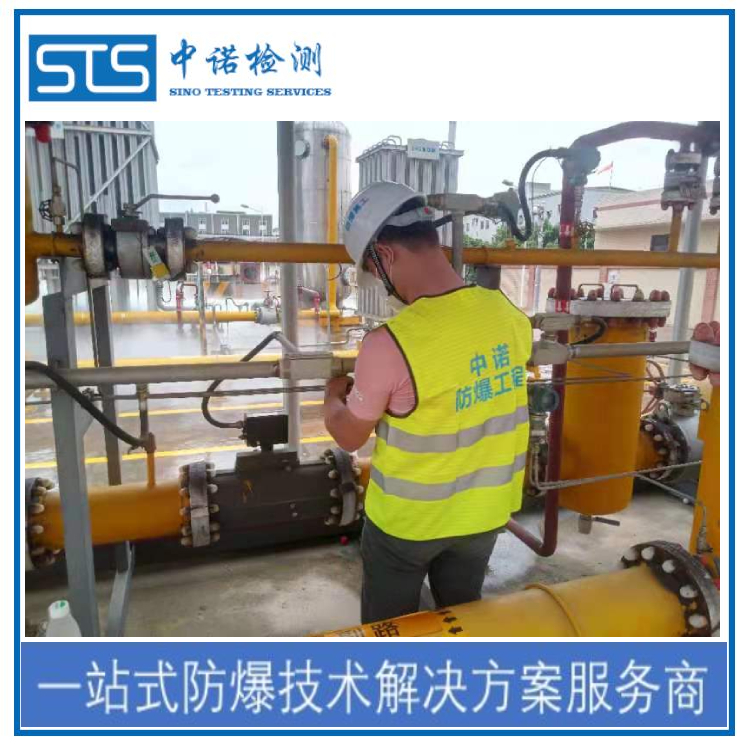

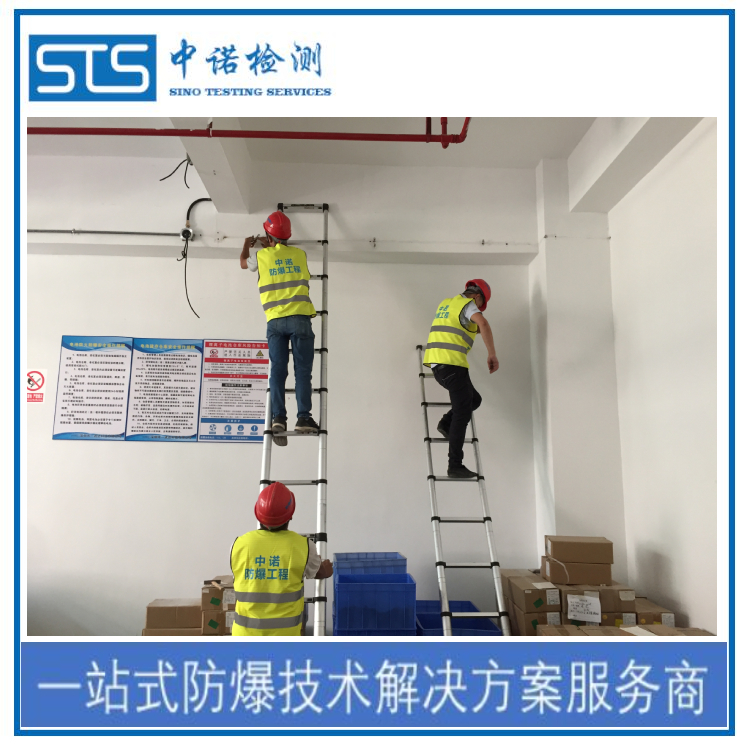
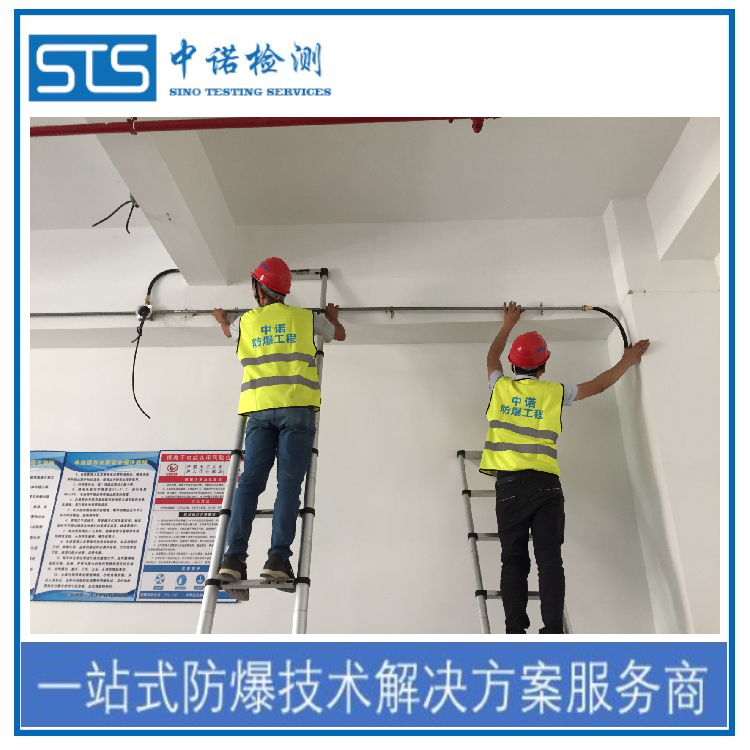



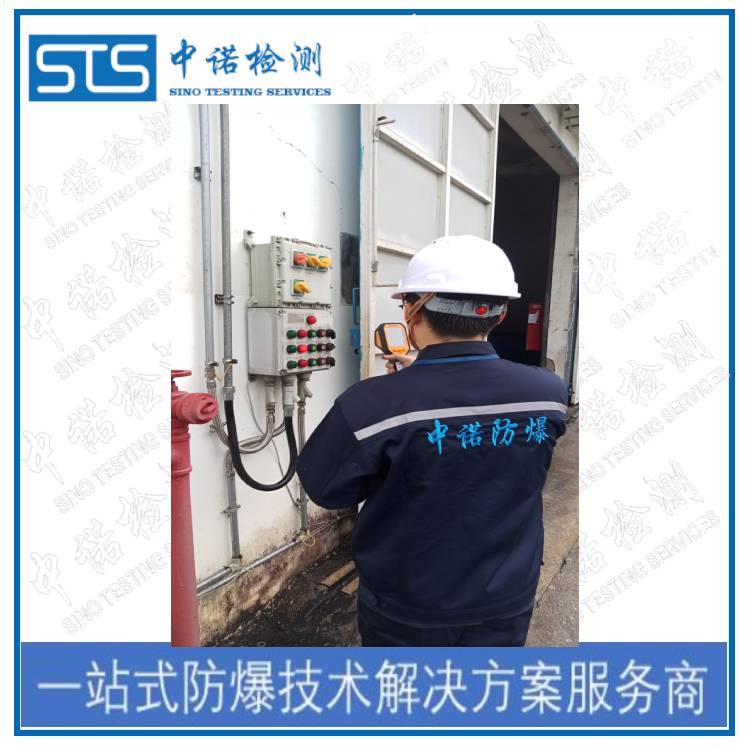








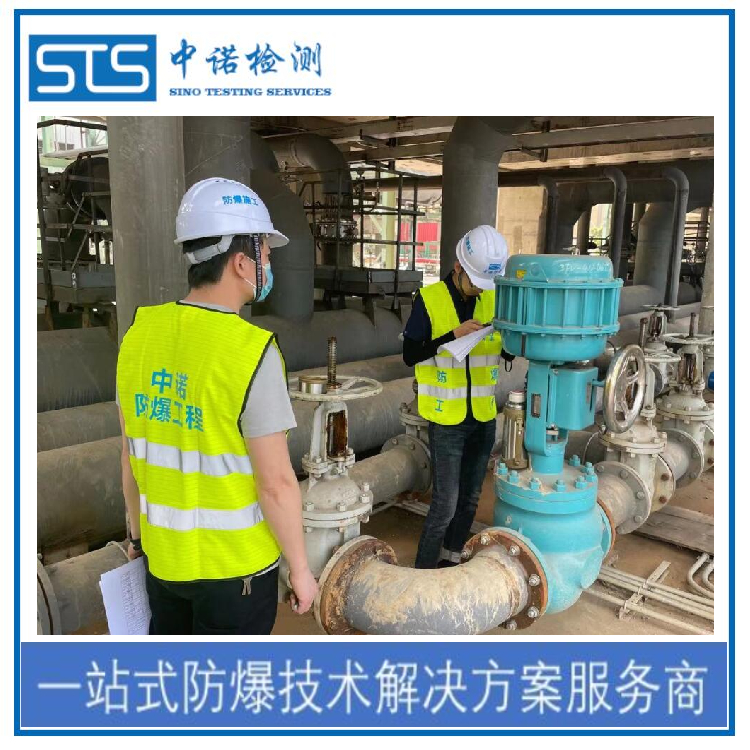
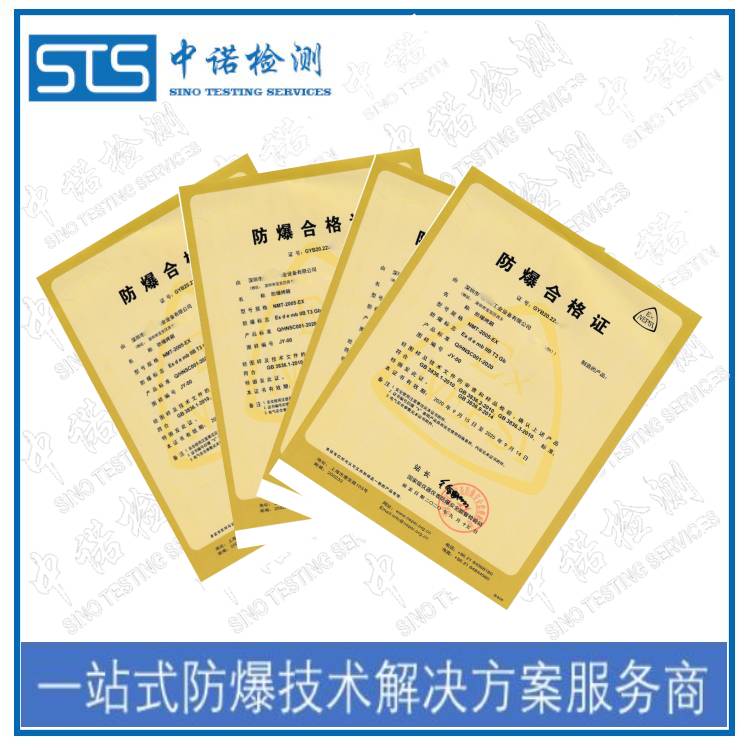


Shenzhen ZhongNuo Testing Technology Co., Ltd. is based in South China, offering on-site explosion-proof construction, safety inspections, renovations, project acceptance, and explosion-proof installation consulting services. We are well-versed in explosion-proof construction standards, with experienced construction teams and extensive practical experience. We have served major enterprises such as PetroChina, LG, Hanlan Environment, BOE Technology Group, and Sinovac Biotech, receiving consistent praise and trust from our clients!
Basic Safety Standards for Explosion-Proof Design in Hazardous Areas (Shared by Shenzhen ZhongNuo Testing Technology Co., Ltd.)
1. First, conduct an overall explosion protection design
2. Directed release of explosive energy. Around the explosion source, utilize both explosion-proof and deflagration venting techniques. Set explosion-proof walls and windows in the direction of high population density, office areas, and critical equipment. In areas with low human traffic and no critical equipment, install deflagration venting walls and windows.
3. Establish safe distances. Minimize the placement of office areas, residential zones, and critical equipment areas within distances less than the safe range unless necessary; if set up, implement necessary explosion-proof measures.
4. Conversion of non-blast-resistant buildings to blast-resistant. In the range below the safe distance, blast resistance assessment should be conducted on the buildings, and reinforcement should be applied to buildings that do not meet blast resistance requirements: to prevent building collapse; to prevent the shattering of brittle materials such as bricks, concrete, glass, etc., leading to flying debris.
5. Locate explosion-proof shelters in hazardous blast areas.
Basic Requirements for Explosion-Proof Electrical Installations in Explosive Locations (Shared by Shenzhen Zhongnuo Testing Technology Co., Ltd.)
1. Oil-immersed equipment should be used under conditions of no vibration, no inclination, and fixed installation.
2. When using non-explosion-proof equipment for mechanical transmission as partition walls, the following regulations should be observed:
The room housing electrical equipment should be separated from the explosive hazard area by a solid wall made of non-combustible materials.
(2) Transmission shafts should be sealed with gland packing or an equivalent sealing method at the wall partition.
(3) The exit of the electrical equipment room should lead to an environment free from explosive hazard areas.
(4) When the room housing the equipment must be connected to an explosive atmosphere, a positive pressure relative to the explosive atmosphere should be maintained.
3. Electrical wiring and equipment in explosive environments, excluding intrinsic safety circuits, should be equipped with overload, short-circuit, and grounding protection. Electrical equipment that cannot experience overload does not require overload protection. Motors in explosive environments, in addition to the necessary protection as required by current standards, should also be equipped with phase failure protection. If the automatic shutdown of electrical equipment could pose a greater risk than the ignition hazard, an alarm device should be used in place of the automatic shutdown device.
4. In emergency situations, appropriate measures should be taken at a suitable location outside the hazardous area to disconnect the power supply to the equipment in the hazardous area. Continuous operating equipment should not be included in the emergency shutdown circuit and should be installed on a separate circuit to prevent the occurrence of additional hazards.
5. The design of transformer stations, distribution stations, and control rooms shall comply with the following regulations:
Transformer stations, distribution stations (including distribution rooms, etc.), and control rooms should be located outside of explosive atmosphere environments. When they are in positive pressure rooms, they can be arranged in Zones 1 and 2.
(2) For explosive gas atmospheres where the gas is denser than air, the equipment floor of electrical and instrumentation equipment in substations, distribution stations, and control rooms located in the additional 2 zone of the explosive hazard area should be elevated 0.6 meters above the external ground level.
Installation of electrical wiring in explosive environments shall comply with the following regulations (shared by Shenzhen ZhongNuo Testing Technology Co., Ltd.)
Electrical wiring should be installed in environments with lower explosion hazards or far from the source of release, and should comply with the following regulations:
1) When the weight of the material is heavier than air, electrical wiring should be laid at a higher position or directly buried. For overhead installation, cable trays should be used; when using cable trenches, the trench should be filled with sand, and drainage measures should be installed.
2) Electrical wiring should be installed outside the walls of buildings or structures that pose an explosion hazard.
3) In explosive dust environments, cables should be laid in locations where dust does not readily accumulate and is easily dispersed.
(2) Holes in walls or floors between different areas traversed by electrical line trenches, cable trays, or conduits should be tightly sealed with non-combustible materials.
(3) When laying electrical wiring, it is advisable to avoid areas prone to mechanical damage, vibration, corrosion, ultraviolet radiation, and heat. If avoidance is not possible, preventive measures should be taken.
(4) Pipe wiring can use insulated single-core or multi-core wires without sheath. When the pipe contains three or more wires, the total cross-sectional area of the wires including the insulation should not exceed 40% of the pipe's cross-sectional area. The pipe should be made of galvanized steel pipe for low-pressure fluid conveyance. The threaded part of the pipe connection should be coated with lead oil or phosphating paste. In areas where condensation water may form, a sealed joint for draining condensation water should be installed on the pipeline.
(5) Electrical wiring for piping in explosive gas environments should be properly insulated and sealed, and shall comply with the following regulations:
1) During normal operation, the 450mm area around all ignited source enclosures should be sealed off.
2) Steel pipes with a diameter of 50mm or more should be isolated and sealed within 450mm from the incoming junction box.
3) Isolation and sealing should be conducted between adjacent explosive environments, as well as between explosive environments and adjacent other hazardous or non-hazardous environments. During sealing, the inner surface of the seal should be lined with a fibrous layer as the bottom or intermediate layer of the filling. The effective thickness of the filling layer should not be less than the inner diameter of the steel pipe and should not be less than 16mm.
4) Connection components for isolation sealing should not be used for wire connections or branching.
(6) Intermediate joints are strictly prohibited in cable lines within Zone 1, and intermediate joints should not be present in Zones 2, 20, and 21.
(7) When terminating cables or wires, if the internal conductors are braided, the terminations should be made using a molded connector or lug. The connection and termination of aluminum-core insulated conductors or cables should be by crimping, soldering, or brazing. When connecting to equipment (excluding lighting fixtures), a copper-aluminum transition connector should be used.
(8) Overhead power lines must not cross explosive gas environments. The horizontal distance between the overhead lines and the explosive gas environment should not be less than 1.1 times the height of the tower. In special cases, after taking effective measures, the distance may be appropriately reduced.
Basic Standards for Explosion-Proof Electrical Construction (Shared by Shenzhen Zhongnuo Testing Technology Co., Ltd.)
Explosion-proof electrical installation differs from standard electrical installation, as it involves additional explosion-proof requirements based on the environment. According to industry standards, an explosive environment is defined as one where a mixture of air with gases, vapors, thin mist, or dust is formed under atmospheric conditions, and ignition can spread to the entire unburned mixture. An area where a large or expected quantity of explosive gas or flammable dust is present, necessitating special preventive measures for the structure, installation, and use of electrical equipment, is called a hazardous area. Explosion-proof electrical installation refers to the work that meets explosion-proof electrical, environmental, and personnel requirements in explosive environments and hazardous areas, and is characterized by its strength.
Explosion-proof electrical modifications and on-site explosion-proof construction consulting services for hazardous areas — Shenzhen Zhongnuo Testing Technology Co., Ltd.
WeChat Official Account

Scan to follow Official Account