


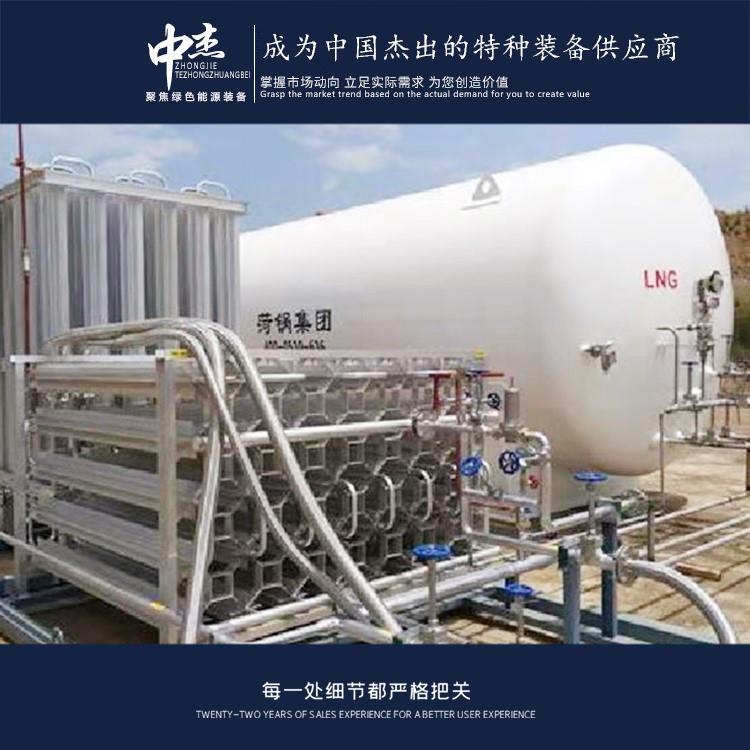

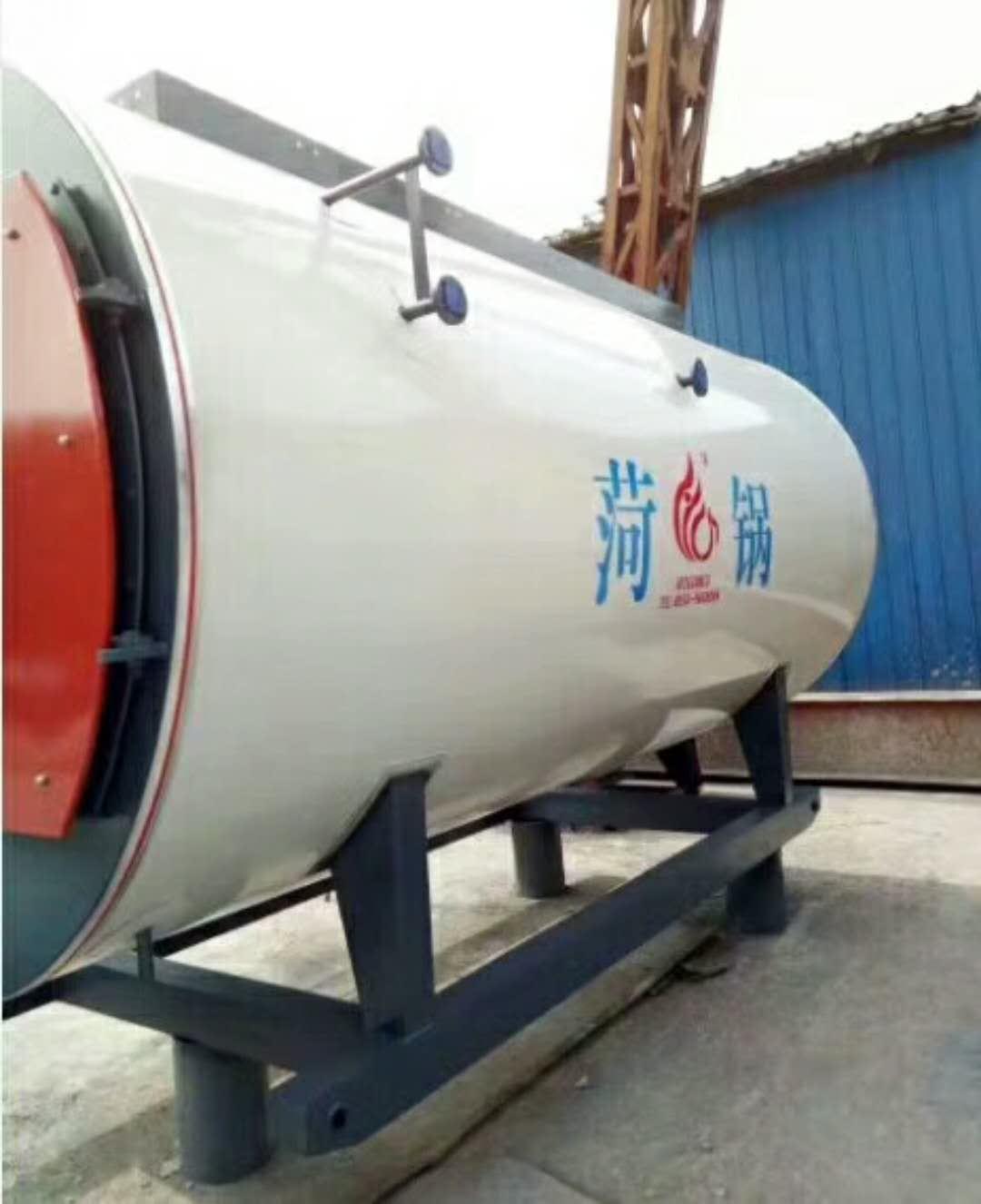
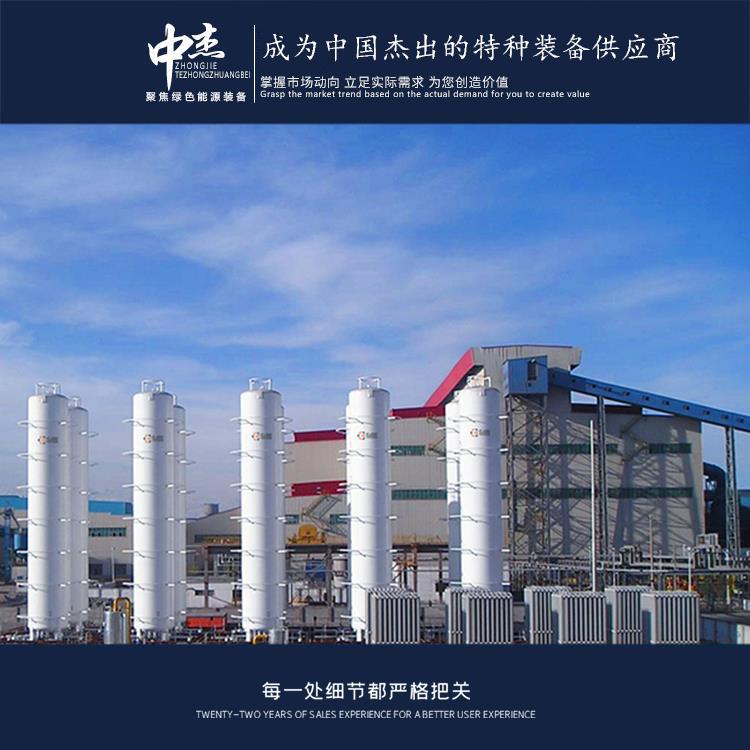


















Shandong Zhongjie Special Equipment (formerly Heze Boiler Factory Co., Ltd.) holds an A-grade boiler manufacturing license, an A2-grade pressure vessel manufacturing license, an A2-grade pressure vessel design license, a B-grade boiler installation license, and GB2/Class and GC2/Class pressure pipeline installation licenses, as well as an equipment and machinery installation contracting qualification. It is a member of the China Boiler and Water Treatment Association, the China Chemical Equipment Association, and a council member of the Shandong Equipment Manufacturing Association. The company has also passed the ISO9001 Quality Management System, ISO14001 Environmental Management System, OHSAS18001 Occupational Health and Safety Management System certifications, and the American ASME/U2 certification.
The reason for occasional venting of liquid oxygen tanks is primarily to maintain the safe pressure range within the tank and prevent excessive pressure buildup. The following are several situations where liquid oxygen tanks may occasionally vent:
Pressure Control: During the operation of the liquid oxygen tank, pressure inside the tank may change due to evaporation of liquid oxygen and temperature variations. To maintain a safe pressure range within the tank, regular venting is required to control the tank's pressure within the safe limits.
Prevent Overpressure Build-up: During the oxygen filling or usage process, external factors or operational errors may cause the internal pressure of the liquid oxygen tank to exceed the safe limit. To prevent overpressure build-up, timely venting is required to alleviate the pressure inside the tank.
Prevent Gas Accumulation: Liquid oxygen storage tanks may contain some gas impurities, such as air and water vapor. These gases can condense into liquids or solids at the low temperatures of liquid oxygen, blocking pipes or affecting the normal operation of the tank. Regularly releasing gas can expel these impurities, maintaining the tank's cleanliness and unobstructed flow.
Note that the depressurization of liquid oxygen should be carried out by trained personnel and strictly adhere to the relevant operational procedures and safety measures. During the depressurization process, attention should be given to prevent leaks and contact with liquid oxygen to ensure the safety and reliability of the operation.
The primary reason for pre-cooling a liquid oxygen tank before use is to lower the tank's internal temperature to below the boiling point of liquid oxygen, facilitating the conversion of oxygen into a liquid state.
The boiling point of liquid oxygen is -183°C, and at room temperature, oxygen exists in a gaseous state. To store and supply it, liquid oxygen tanks must cool the oxygen below its boiling point to convert it into a liquid.
The pre-cooling process typically includes the following steps:
Clean Storage Tanks: First, the tank must be thoroughly cleaned to ensure no impurities or contaminants are present inside, to avoid affecting liquid oxygen.
Drainage and Exhaust: Empty the gas from the storage tank and expel it through the exhaust system to reduce the gas content within the tank.
Add Liquid Nitrogen: Inject liquid nitrogen into the tank, which can rapidly cool the air and walls inside the tank due to its low temperature, thereby reducing the tank's temperature.
Waiting for cooling: The liquid nitrogen in the tank will gradually lower the temperature inside the tank through heat conduction until it reaches below the boiling point of liquid oxygen.
The purpose of pre-cooling is to ensure that the temperature inside the storage tank is low enough to meet the storage and supply requirements of liquid oxygen. Pre-cooling can reduce the evaporation and loss of liquid oxygen, and also helps maintain the safety and stability of the tank.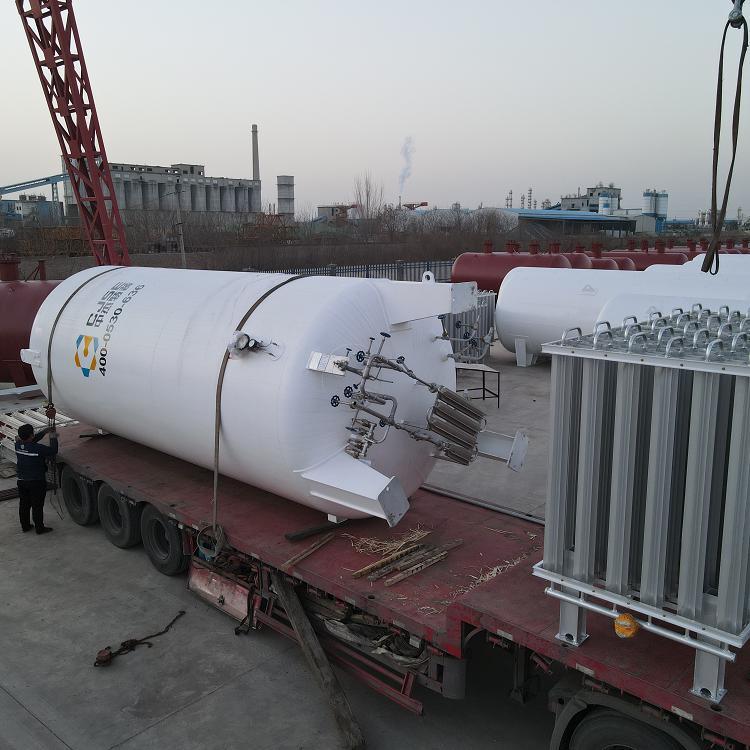
To prevent the explosion of liquid oxygen tanks, the following measures can be taken:
Regular Inspections and Maintenance: Conduct regular inspections and maintenance on liquid oxygen tanks, including checking the tank's appearance, welds, valves, and connections, to ensure they are intact and undamaged. Regularly clean the tank to remove any impurities and dirt adhering to its surface.
Pressure Control: Storage tanks should be equipped with pressure control devices to ensure internal pressure remains within safe limits. Regularly inspect and adjust the pressure control devices to ensure proper functioning.
Temperature Control: The liquid oxygen tank should be maintained within an appropriate temperature range to avoid excessive heat causing an increase in pressure. Ensure the tank's insulation is intact to minimize heat conduction and loss.
Fire Prevention Measures: Liquid oxygen has a high oxygen content and flammability, so strict fire prevention measures must be taken. A fire-resistant buffer zone should be established around the storage tank, with smoking and open flames prohibited. Ensure that the storage tank maintains a certain fire-resistant distance from other facilities.
Pressure relief devices and safety valves: Liquid oxygen storage tanks should be equipped with pressure relief devices and safety valves to prevent overpressure and sudden pressure increases. Regularly inspect and test the operational status of the pressure relief devices and safety valves to ensure their proper functioning.
Tank Operation Guidelines: Adhere strictly to the operation specifications and safety requirements for liquid oxygen tanks. Operators must be trained and familiar with the tank's characteristics and operating techniques. Avoid operation errors and violations.
Emergency Preparedness: Establish emergency response plans and conduct drills to address potential accidents. Train operators in emergency response capabilities to ensure timely and effective handling.
Standard parameters for liquid oxygen storage tanks typically include the following:
Capacity: The capacity of liquid oxygen tanks is typically expressed in liters or cubic meters, with common capacities ranging from a few liters to several thousand liters.
Working Pressure: The working pressure of liquid oxygen tanks is typically expressed in megapascals (MPa) or bars, with a common working pressure range varying from 0.2 MPa to 2.5 MPa.
Design Temperature: The design temperature of liquid oxygen tanks is typically expressed in degrees Celsius, with common design temperature ranges varying from -196℃ to -150℃.
Material: The main material for liquid oxygen storage tanks is typically stainless steel, which offers excellent corrosion resistance and low-temperature properties.
Insulation Layer: Liquid oxygen storage tanks are typically equipped with an insulation layer to reduce evaporation losses of liquid oxygen. The material for the insulation layer is usually a multilayer composite material or foam glass.
Safety Valve: Liquid oxygen storage tanks must be equipped with a safety valve to control internal pressure and prevent the tank from bursting due to excessive pressure.
Leak Detectors: Liquid oxygen tanks are typically equipped with leak detectors to promptly detect and alert of any liquid oxygen leaks.
Appearance Design: The appearance design of liquid oxygen storage tanks generally complies with relevant standards and regulations, including exterior color, markings, and safety warning signs.
Note that the specific parameters of liquid oxygen tanks may vary depending on different manufacturers and application requirements; the above are merely general common standard parameters. In actual use, select an appropriate liquid oxygen tank based on the specific situation.
ZJ Special Equipment adheres to the great vision of "realizing employees' dreams, creating customer value, and striving for the prosperity and strength of our motherland," and is dedicated to the development of the green energy equipment industry. We offer society high-quality and cost-effective products and services!
WeChat Official Account

Scan to follow Official Account



















