


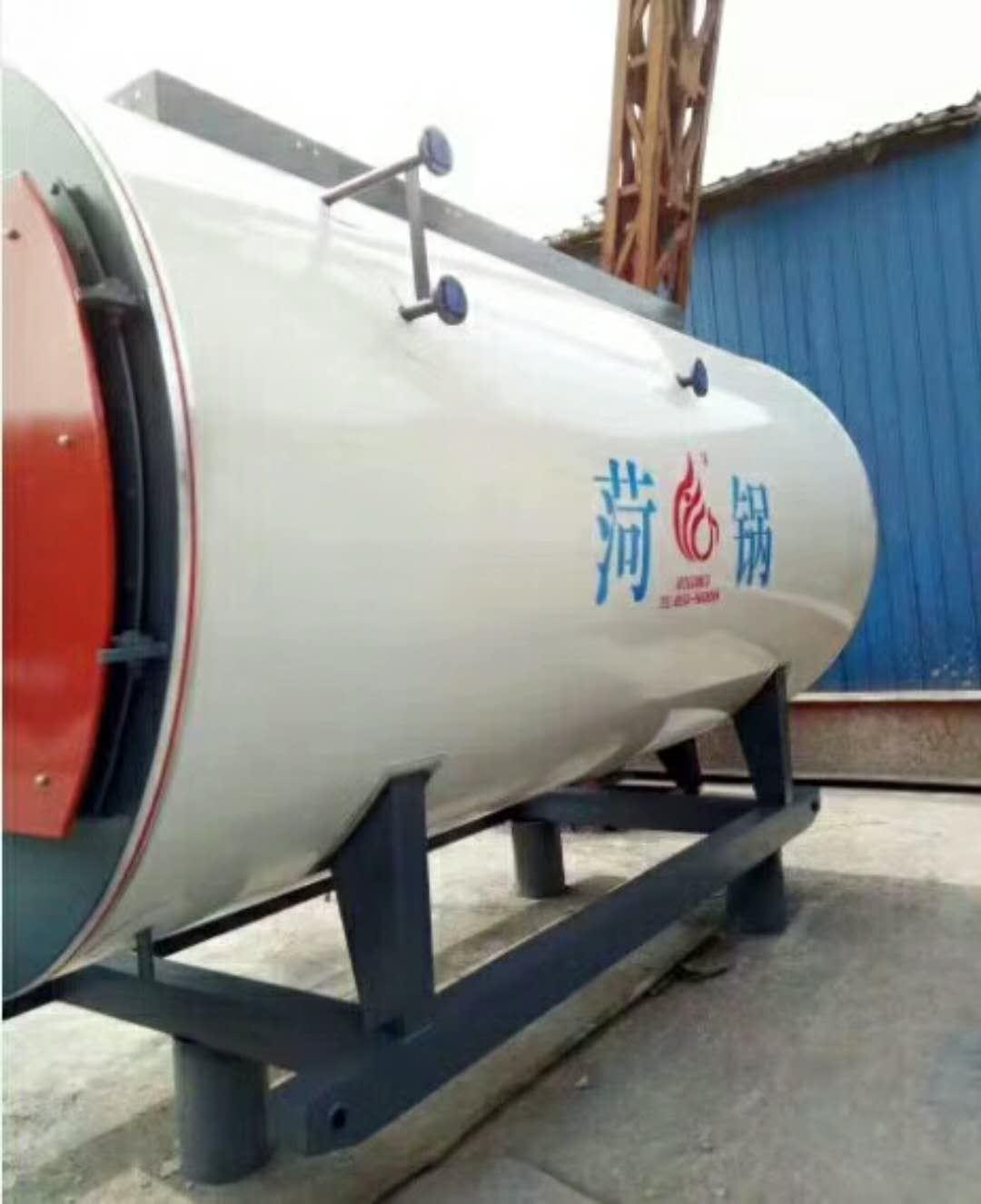

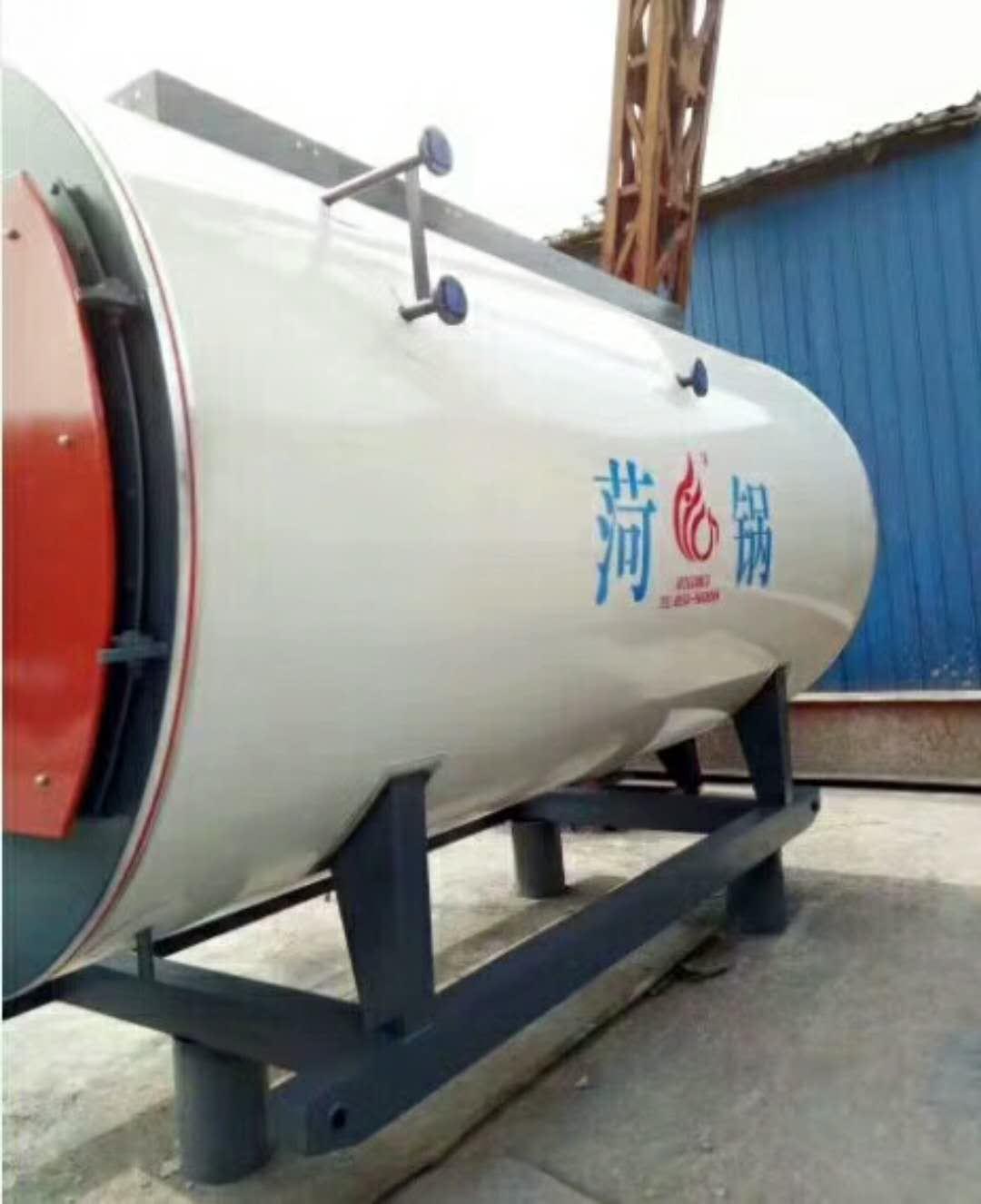
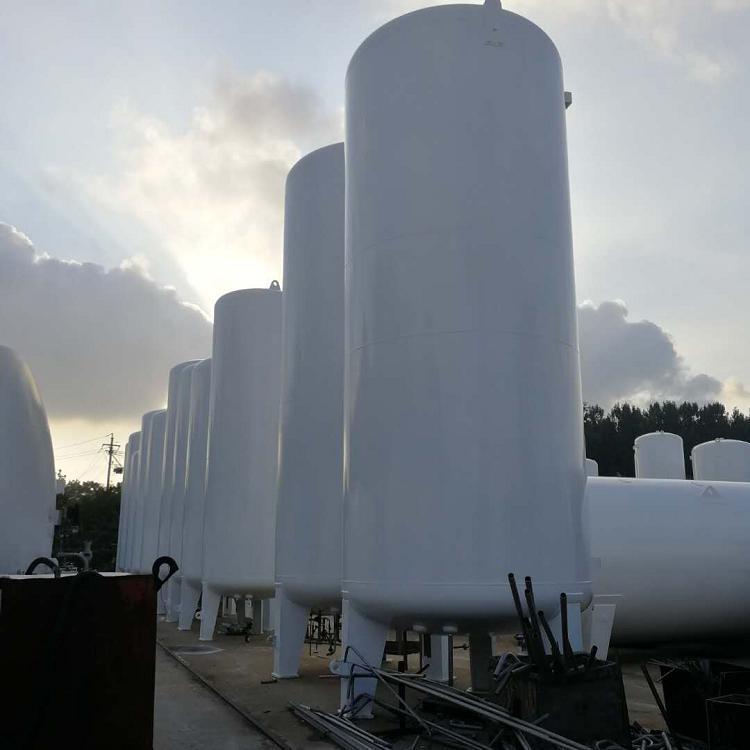


















Shandong Zhongjie Special Equipment's main products include: fuel (gas) boilers, organic heat carrier boilers, biomass boilers, waste heat boilers, and other boiler products; vacuum insulation cryogenic pressure vessels such as LNG tanks, oxygen/nitrogen/argon tanks, and CO2 tanks; pressure vessel products such as denitrification engineering equipment, heat storage and energy storage equipment, and complete chemical equipment; central air conditioning and ventilation equipment such as ground (water) source heat pumps, air source units, water-cooled screw units, and air-cooled modular units. Planned products include large-scale energy centers, LNG transport vehicles, LNG tank containers, and other green energy equipment.
During the process of constructing low-temperature liquid oxygen storage tanks with central oxygen supply, particular attention should be paid to the following aspects:
Safety Operation: Strict adherence to safety procedures and standards must be followed during the storage tank installation process. Operators should be trained, knowledgeable about the properties and safety requirements of liquid oxygen, familiar with the equipment and operational procedures, to ensure safe operation.
Fire Prevention Measures: Liquid oxygen has a high oxygen content and is prone to cause fires. During the installation process, necessary fire prevention measures should be taken, such as setting up fire barriers, using fire-resistant coatings, and prohibiting open flames, to prevent fires from occurring and spreading.
Leak Control: Pay attention to leak control during the installation process. Oxygen concentration may increase due to the leakage of liquid oxygen, which can raise the risk of fire and explosion. Equip with leak detectors and alarm systems to promptly detect and control leaks, and take appropriate emergency measures.
Oxygen Concentration Monitoring: During the installation process, the oxygen concentration around the liquid oxygen storage tank should be monitored regularly. High oxygen concentrations can exacerbate the combustion of flammable substances, increasing the risk of fire and explosion. Take timely measures to ensure the oxygen concentration remains within safe limits.
Grounding and Static Electricity Protection: During the liquid oxygen process, ensure proper grounding of the storage tank and related equipment to minimize static accumulation and discharge. Utilize static-conductive materials and anti-static equipment to reduce the risks caused by static electricity.
Regular inspections and maintenance: After installation, liquid oxygen tanks should be regularly inspected and maintained. This includes visual inspections, pressure tests, and leak detection, to ensure the tank's safety and stability.
Note that during the installation of the central oxygen supply low-temperature liquid oxygen storage tank, operations should be conducted by experienced personnel and in accordance with relevant safety operation procedures and standards. Throughout the installation process, safety risks should be closely monitored, and timely measures should be taken to ensure the safety and stability of the installation.
Low-temperature liquid storage tanks are equipment used for storing low-temperature liquids, commonly used for storing liquid oxygen, liquid nitrogen, liquid argon, and other low-temperature liquids. These liquids exist in a gaseous state at room temperature but are cooled to a liquid state at low temperatures for better storage and use. Low-temperature liquid storage tanks are typically made of high-strength materials such as stainless steel or aluminum alloys to withstand low temperatures and high pressures. The interior of the tank usually has an insulating layer to reduce evaporation and maintain low temperatures. Applications of low-temperature liquid storage tanks include but are not limited to the following areas: They are widely used in rocket and spacecraft fuel and propulsion systems, such as liquid oxygen, liquid nitrogen, and liquid hydrogen storage tanks. They store and supply low-temperature liquids as fuel and oxidizers to propel rockets and spacecraft. Industrial Production: Low-temperature liquid storage tanks are used in industrial production for storing and supplying low-temperature liquids like liquid oxygen, liquid nitrogen, and liquid argon. These liquids serve as coolants, feedstock for gas separation, and raw materials for chemical reactions in industrial production. Medical Applications: Low-temperature liquid storage tanks are used in the medical field to store and supply liquid oxygen for oxygen therapy, oxygen inhalation, and operating rooms. Laboratory Research: In scientific research and laboratories, low-temperature liquid storage tanks are used to provide low-temperature liquids as coolants and cryogenic media. They are used for cooling laboratory equipment, material research, superconductivity, and low-temperature physics, among other fields. In summary, low-temperature liquid storage tanks are widely used in aerospace, industrial production, and laboratory research to store and supply low-temperature liquids to meet the needs of various fields.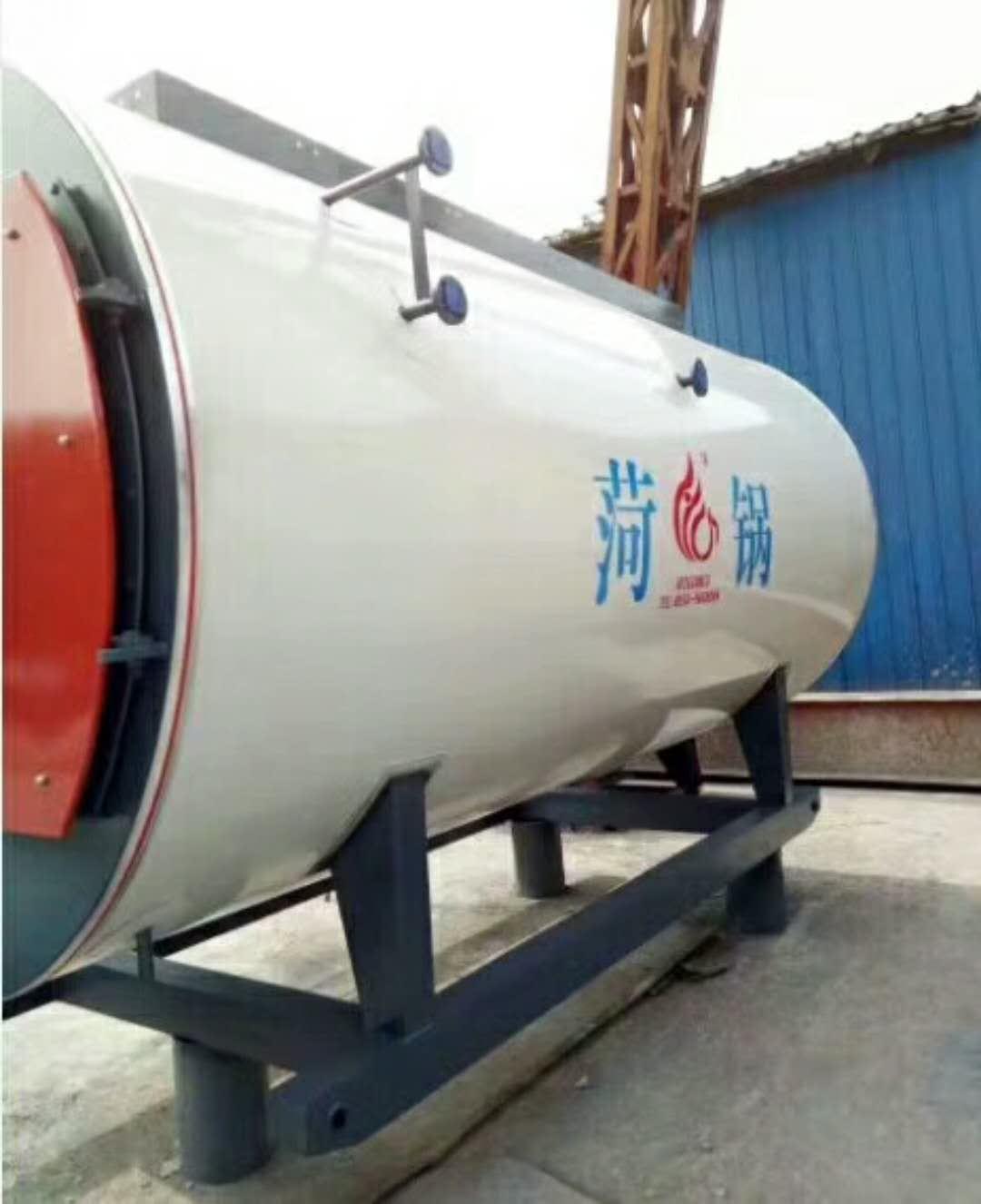
The testing and maintenance operations for liquid oxygen storage tanks encompass the following aspects:
Visual Inspection: Conduct regular visual inspections of the liquid oxygen storage tank, including checking for corrosion, wear, and leakage on the tank surface, to ensure the tank's exterior is intact.
Pressure Testing: Regularly conduct pressure tests on liquid oxygen tanks to assess their pressure resistance. The tests should be carried out in accordance with relevant standards and regulations to ensure the tanks can withstand the designed working pressure.
Leak Detection: Regularly conduct leak detection on liquid oxygen tanks, including using leak detection equipment to inspect the tanks, to ensure their sealing performance is good and there are no leak issues.
Cleaning and Coating Protection: Regularly clean and coat the liquid oxygen tank to prevent corrosion and oxidation. Use appropriate cleaning agents during cleaning and avoid substances that react with liquid oxygen. Coating protection can be achieved with anti-corrosion coatings or protective coatings.
Regular Maintenance: Conduct regular maintenance on liquid oxygen tanks, including inspections and replacements of seals, valves, safety devices, etc., to ensure normal operation and safety.
Safety Training and Operating Procedures: Conduct safety training for personnel using liquid oxygen tanks to ensure they are familiar with the safe operating procedures and precautions, to prevent operational errors and accidents.
Documentation and Record Management: Establish test and maintenance records for liquid oxygen tanks, including test results, maintenance logs, and inspection records, for traceability and management purposes.
It is important to note that the testing and maintenance of liquid oxygen storage tanks should be conducted by trained personnel, following relevant safety operating procedures and standards. Additionally, a specific testing and maintenance plan should be developed based on the tank's condition and usage requirements, and executed as per the plan.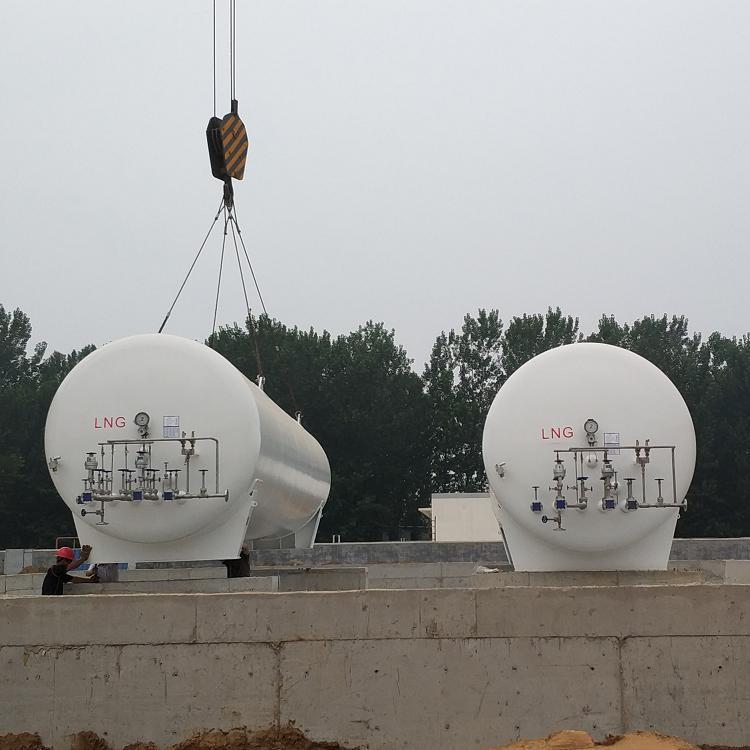
The application of strain-hardening in austenitic stainless steel on low-temperature pressure vessels is a common method, which can enhance the strength and durability of the material. Here is some information regarding the application of strain-hardening in austenitic stainless steel on low-temperature pressure vessels:
Principle of Strain Hardening: Strain hardening increases material strength by introducing plastic deformation into the material, which alters the crystal structure. In Austenitic stainless steel, strain can be introduced through methods such as cold working (like cold rolling, cold drawing, etc.) or heat treatment (such as solution heat treatment and cold deformation), leading to dislocations and grain boundary sliding in the crystal structure, thereby enhancing the material's strength.
Advantages in Low-Temperature Applications: Austenitic stainless steel exhibits excellent corrosion resistance and low-temperature toughness in cold environments. Strain hardening can further enhance the strength and durability of austenitic stainless steel, enabling it to perform in low-temperature pressure vessels. Under low-temperature conditions, strain hardening effectively resists plastic deformation and fracture of the material, improving its tensile strength and impact resistance.
Application Cases: Austenitic stainless steel strain hardening is widely used in low-temperature pressure vessels. For instance, in liquid nitrogen, liquid oxygen, and liquid argon storage tanks, etc., strain-hardened austenitic stainless steel is commonly used as structural material. These vessels must withstand high pressure and impact loads at low temperatures; strain hardening enhances the material's strength and durability, ensuring safe operation of the containers.
It's important to note that the strain hardening of austenitic stainless steel should be carried out under suitable temperature and deformation conditions to avoid excessive deformation and material embrittlement. When designing and manufacturing low-temperature pressure vessels, it is necessary to reasonably select and apply the strain hardening of austenitic stainless steel based on specific engineering requirements and material characteristics.
Zhongjie Special Equipment upholds the grand vision of "realizing the dreams of our employees, creating value for our customers, and striving for the prosperity and strength of our motherland," wholeheartedly devoting ourselves to the development of green energy equipment. We offer the society products and services that deliver high value for money!
WeChat Official Account

Scan to follow Official Account



















