


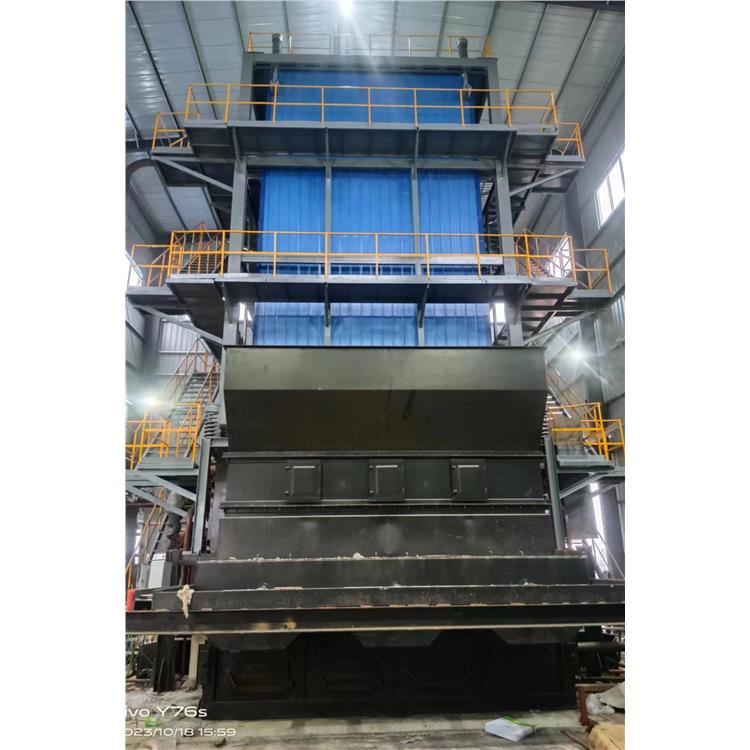

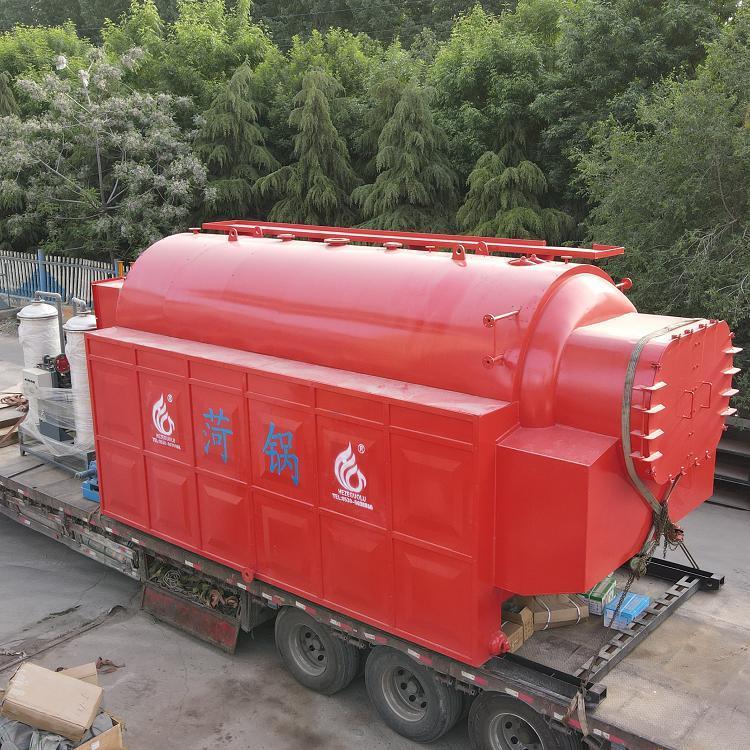
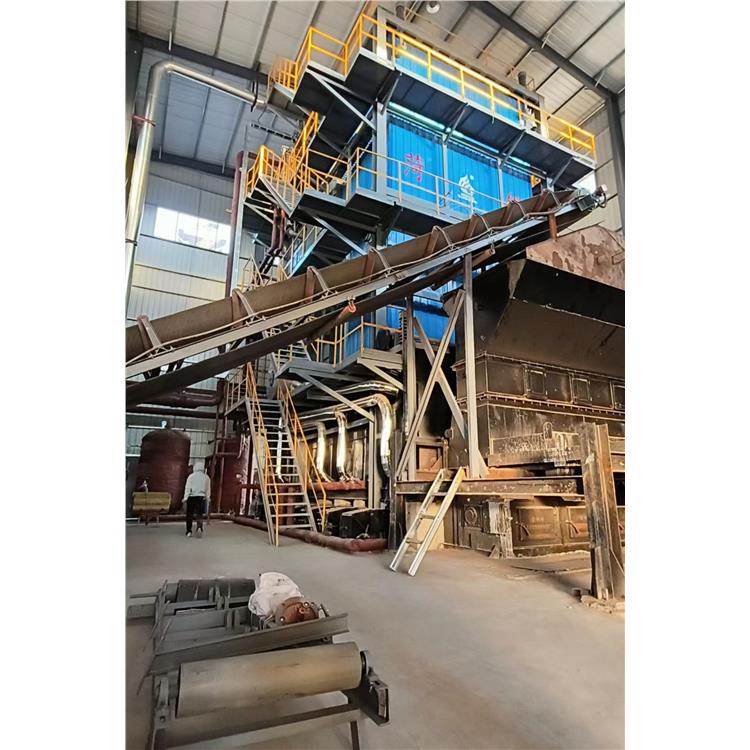


















Shandong Zhongjie Special Equipment (formerly Heze Boiler Factory Co., Ltd.) was established in 2001, located at No. 2218 Jinnan Road, Development Zone, Heze City, with a registered capital of 50 million yuan and total assets of 500 million yuan. The company has 7 business centers: boiler, deep-freeze container, pressure vessel, central air conditioning, engineering installation, international trade, and Internet of Things. It has three factory areas on Jinnan Road, East Changjiang Road, and Bohai Road, covering a total of 200,000 square meters, with the main workshop area at 83,000 square meters. Currently, it employs 710 people, including 247 engineering and technical personnel and 82 intermediate-level technicians. In December 2016, it was recognized as a "High-tech Enterprise" by the Science and Technology Department. In June 2021, it was identified as a "Specialized and New Enterprise in Shandong Province" by the Department of Industry and Information Technology. In June 2022, it was recognized as a "Gazelle Enterprise in Shandong Province" and in August 2022, as a "Specialized and New Small Giant Enterprise" by the Ministry of Industry and Information Technology.
Advantages of Biomass Fuel:
Renewable Energy: Biomass fuel is a renewable energy source with a wide range of sources, including wood, straw, and waste materials. Compared to fossil fuels, the supply of biomass fuel is more sustainable.
Environmental and Low-Carbon: The amount of carbon dioxide released during the combustion of biomass fuel is roughly equivalent to the amount absorbed during its growth, resulting in almost no net increase in CO2 emissions, which has a positive effect on mitigating climate change.
Reduce waste disposal: Biomass fuel can utilize crop straw, wood waste, and other waste materials, reducing waste disposal and emission issues.
High energy utilization efficiency: Biomass fuel has a high calorific value and burns efficiently, effectively converting to thermal or electrical energy, providing a reliable energy supply.
The use of biomass boilers:
Heating Systems: Biomass boilers can be used in heating systems such as central heating, warm water, and steam supply, widely applied in residential areas, industrial factories, and commercial buildings.
Industrial Production: Biomass boilers can provide thermal energy for industrial production, such as in the pulp and paper, food processing, and chemical industries, meeting the thermal energy requirements throughout the production process.
Power Generation System: Biomass boilers can be combined with steam turbine generator sets to convert the heat generated from combustion into electrical power for power supply.
Hot Water Supply: Biomass boilers can be used for hot water supply, such as for swimming pools, hot springs, hotels, and other similar locations.
Agricultural Utilization: Biomass boilers can utilize agricultural waste such as straw from crops, addressing energy needs in rural areas and providing the heat required for agricultural production.
The use of biomass boilers is environmentally friendly, sustainable, and efficient, enabling the effective utilization of biomass resources, reducing dependence on fossil fuels, lowering carbon emissions, and promoting sustainable development.
Biofuel hot water boilers may produce scale during operation, which can affect the boiler's heat transfer and efficiency. Here are some methods to reduce scaling:
Fuel Selection: Choose high-quality biomass fuel such as wood chips and straw, etc. Avoid using fuel with excessive impurities and ash to reduce the generation of dirt.
Combustion Adjustment: Properly regulate combustion parameters such as fuel supply, oxygen supply, and combustion temperature. Both excessively high or low combustion temperatures can lead to soot formation. Maintaining an appropriate combustion temperature aids in reducing soot buildup.
Clean Combustion Chamber: Regularly clean the combustion chamber of ash and soot generated during the combustion process. Use appropriate tools and cleaning agents for cleaning to ensure the chamber remains clear and clean.
Heat Exchanger Cleaning: Regularly clean heat exchangers, especially those on the flue side. Combustion process emissions may contain particles and slag, which can adhere to the heat exchanger surface, affecting heat transfer efficiency. Using appropriate cleaning methods, such as mechanical or chemical cleaning, can reduce the accumulation of dirt.
Water Treatment: Proper water treatment for boiler feedwater to prevent impurities and sediments from depositing inside the boiler. Methods such as water softening, deoxygenation, and scaling removal can be employed to maintain clean and stable water supply.
Regular Maintenance: Schedule regular maintenance and inspections for the boiler, including cleaning and replacement of critical components. Early detection and treatment of soiling issues can prevent further accumulation of dirt and affect the normal operation of the boiler.
Please note that the specific methods for reducing soiling may vary depending on the model and manufacturer of the biomass hot water boiler. It is recommended to refer to the manufacturer's operation manual and guidelines for the appropriate soiling reduction measures based on the specific situation.
Biomass fuel boilers may encounter the following issues during operation:
Unstable fuel quality: The quality of biomass fuel is affected by factors such as raw material source, processing methods, and storage conditions, leading to inconsistent fuel quality. Inconsistent fuel quality may impact combustion efficiency and the stable operation of the boiler.
Ash disposal issue: Biomass fuel combustion generates a large amount of ash, including waste, ash content, and unburnt materials. The handling and disposal of ash may cause environmental pollution and increased processing costs.
High-Temperature Corrosion: Ash and elements like chlorine in biomass fuels tend to cause corrosion at high temperatures, damaging the metal components of boilers. Measures need to be taken to protect and treat against high-temperature corrosion issues.
Low combustion efficiency: The combustion characteristics of biomass fuel differ from traditional fossil fuels, potentially leading to lower combustion efficiency. It is necessary to optimize the combustion system and control strategies to enhance combustion efficiency and reduce energy waste.
Gas emissions from combustion: The combustion of biomass fuel produces certain gas emissions, such as carbon dioxide, nitrogen oxides, and particulates. These emissions have an impact on the environment and air quality, necessitating appropriate control measures.
Transport and Storage Costs: The transportation and storage costs for biomass fuel are higher, particularly for areas far from the supply source. This may increase the operational costs for biomass fuel boilers.
In summary, biomass fuel boilers have issues with unstable fuel quality, ash and slag disposal, and high temperatures.
Biomass boilers feature the following characteristics:
Renewable Energy: Fuel for biomass boilers comes from organic matter such as plants, animals, and microorganisms, making it a renewable energy source. Compared to traditional fossil fuels, biomass fuel has lower carbon emissions and a reduced environmental impact.
Diverse fuel sources: Biomass fuel sources are varied, including wood, straw, waste crops, food scraps, and municipal solid waste. This diversity in fuel sources allows biomass boilers to be flexible and adaptable, utilizing waste and by-products from plants and animals.
Environmental Friendliness: The carbon dioxide produced during biomass combustion can be absorbed by plants, forming a cycle that reduces air pollution. Additionally, the emissions and ash produced during the combustion process of biomass boilers are relatively low, resulting in minimal environmental impact.
Energy Security: Biomass, as a native renewable energy source, can reduce dependence on imported energy and enhance energy security. In areas with scarce resources, the use of biomass boilers can provide a reliable energy supply.
Economicity: Biomass fuel is relatively cost-effective, enabling a reduction in energy costs. Moreover, the technology and equipment for biomass boilers are continuously evolving and maturing, making them more economically competitive.
In summary, biomass boilers boast features such as renewable energy, diverse fuel sources, environmental friendliness, energy security, and cost-effectiveness, making them a vital component in the sustainable energy sector.
Zhongjie Special Equipment upholds the grand vision of "realizing employees' dreams, creating value for customers, and striving for the prosperity and strength of our motherland," and is dedicated to the development of the green energy equipment industry. We offer society high-quality products and services at competitive prices!
WeChat Official Account

Scan to follow Official Account



















