


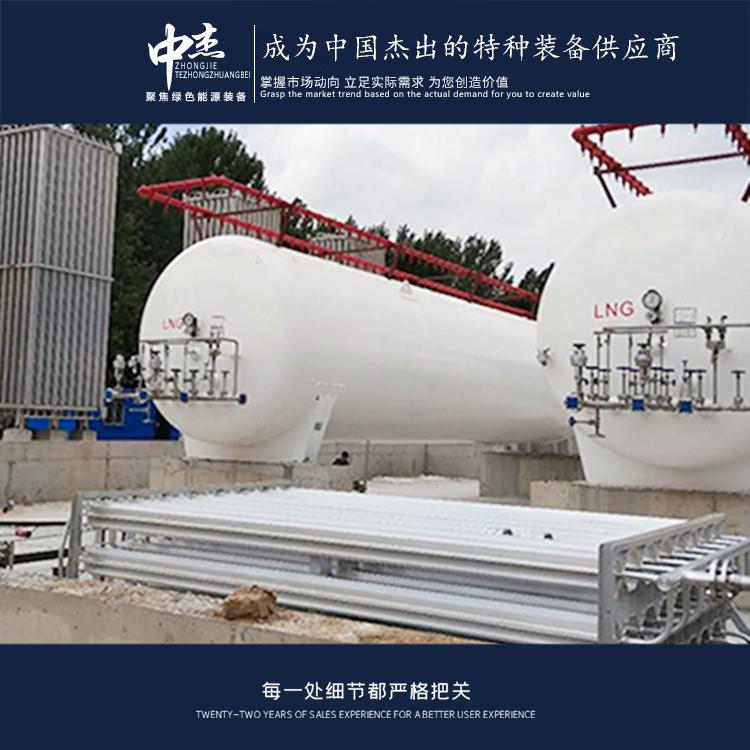

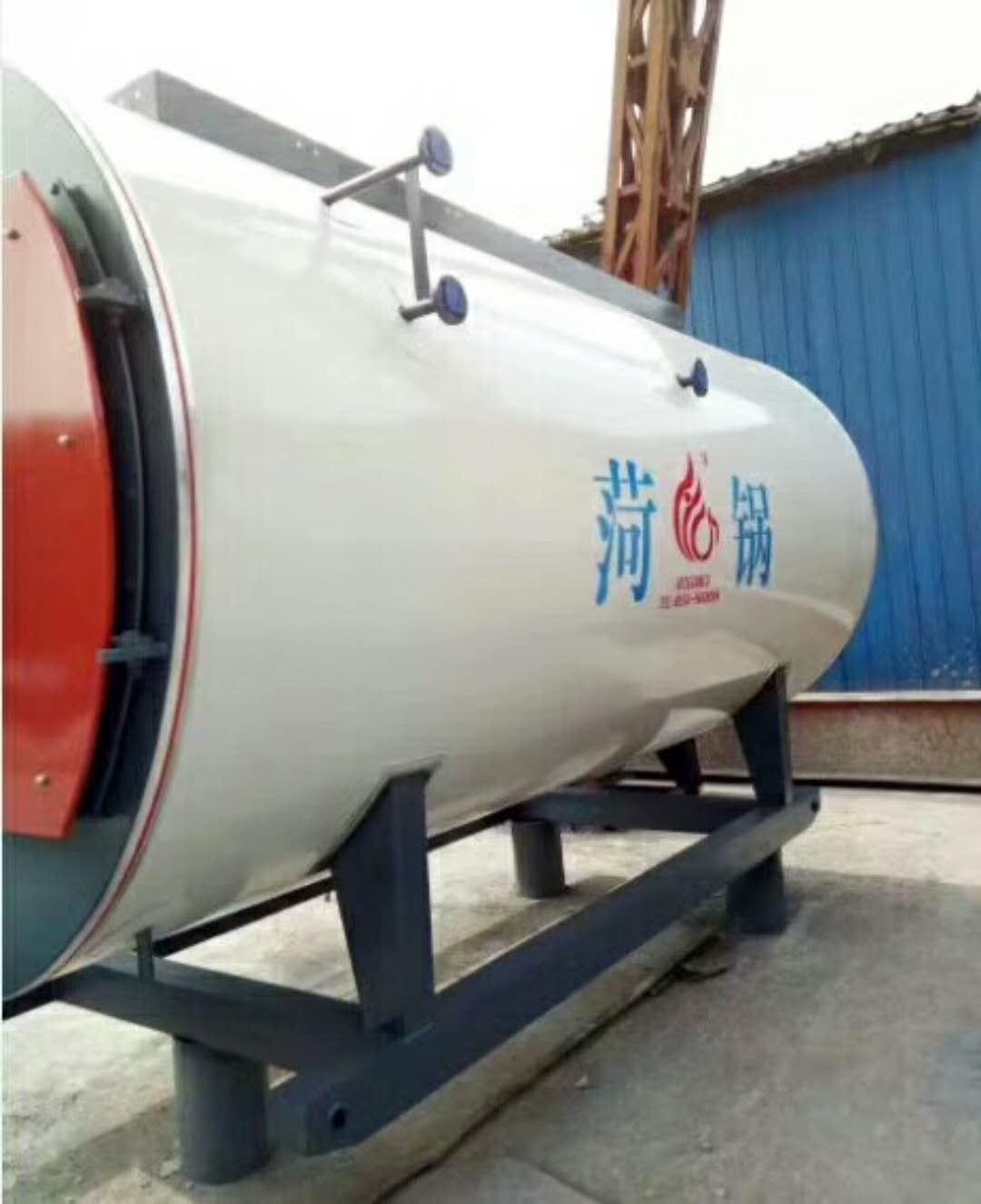


















Shandong Zhongjie Special Equipment (formerly Heze Boiler Factory Co., Ltd.) was established in 2001, located at No. 2218 Jinnan Road, Economic and Technological Development Zone, Heze City. With a registered capital of 50 million yuan and total assets of 500 million yuan, the company has 7 business centers: boilers, deep-freezing containers, pressure vessels, central air conditioning, engineering installation, international trade, and Internet of Things. It has three factory sites on Jinnan Road, East Changjiang Road, and Bohai Road, covering a total area of 200,000 square meters, with the main workshop spanning 83,000 square meters. It currently employs 710 people, including 247 engineering and technical staff and 82 intermediate-level technicians. In December 2016, it was recognized as a "High-tech Enterprise" by the Science and Technology Department. In June 2021, it was identified as a "Specialized and New Enterprise in Shandong Province" by the Ministry of Industry and Information Technology. In June 2022, it was recognized as a "Gazelle Enterprise in Shandong Province" and in August 2022, as a "Specialized and New Small Giant Enterprise" by the Ministry of Industry and Information Technology.
The quality of carbon dioxide storage tanks is influenced by several factors:
- Material Quality: The quality of the material used in the tank directly impacts its corrosion resistance, strength, and sealing performance. Common materials include carbon steel and stainless steel. Choosing high-quality materials can enhance the tank's quality and lifespan.
- Manufacturing Process: The manufacturing process significantly affects the tank's quality. Welding, heat treatment, and surface treatment during production must comply with relevant standards and specifications to ensure the tank's structural integrity and performance stability.
- Design Specifications: The design of the tank must adhere to applicable design standards and regulations, such as industry standards. A well-designed tank ensures sufficient strength and safety under normal operating conditions.
- Safety Components: The tank's safety components, like safety valves, pressure sensors, and temperature sensors, play a crucial role in the tank's quality and safety. Selecting high-quality components and installing and adjusting them correctly can improve the tank's quality and safety.
- Inspection and Testing: The tank must undergo inspections and tests during manufacturing, such as material inspections, weld inspections, and pressure tests. These checks ensure the tank meets quality requirements and complies with safety standards.
- Use and Maintenance: The tank's use and maintenance also impact its quality. Proper use and regular maintenance can extend the tank's lifespan and maintain its good working condition.
In summary, the quality of carbon dioxide storage tanks is influenced by factors such as material quality, manufacturing process, design specifications, safety components, inspection and testing, and use and maintenance. When selecting and using tanks, attention should be given to these factors to ensure quality and safety.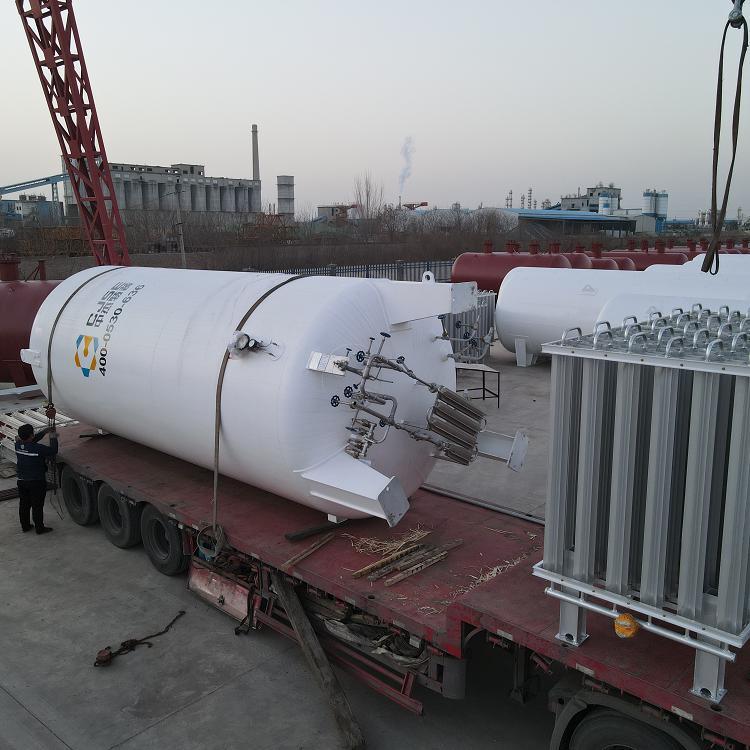
Common defects in carbon dioxide storage tanks during use may include deformation. Here are some reasons that could lead to tank deformation: Overpressure: When the internal pressure of the tank exceeds its design pressure, it may cause deformation. This could be due to operational errors, system failures, or other causes. Temperature Changes: Carbon dioxide storage tanks expand and contract with temperature changes, and if the temperature changes are too great or too rapid, it may result in tank deformation. Internal Corrosion: If there is internal corrosion in the tank, it can damage the structural integrity of the tank, leading to deformation. External Damage: External impacts, compressions, or other physical damages can cause tank deformation. Incorrect Installation or Use: Incorrect installation or usage methods can lead to uneven stress on the tank, causing deformation. Tank deformation can reduce the structural integrity of the tank and even pose risks of leakage or rupture. Therefore, it is important to regularly inspect and maintain the integrity of the tank, as well as to follow proper operational and installation procedures. If tank deformation or other defects are detected, the tank should be immediately discontinued from use and professional assistance should be sought for inspection and repair. Do not attempt to repair or continue using a defective tank to ensure operational safety.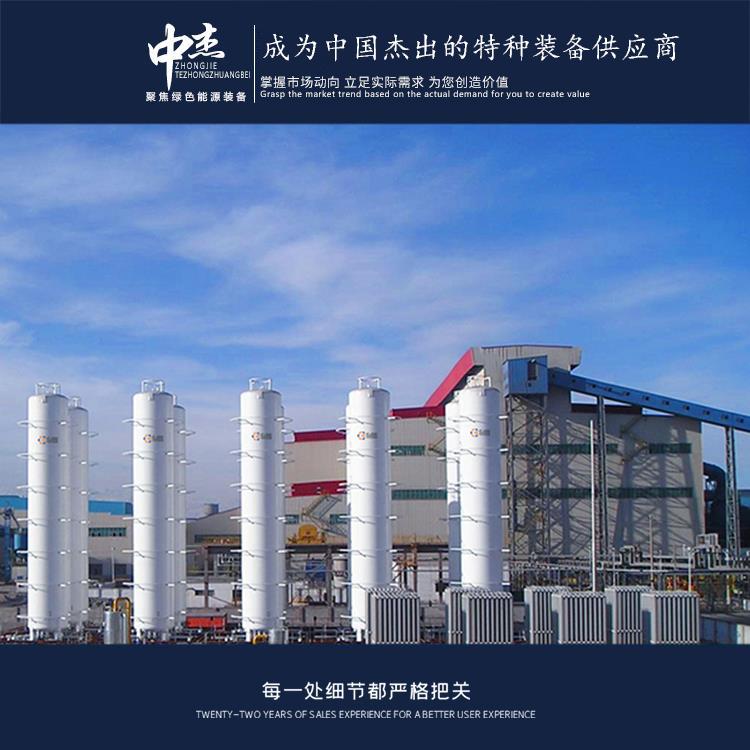
The working principle of carbon dioxide storage tanks involves the compression and liquefaction of carbon dioxide. Here is a brief description of the working principle of carbon dioxide storage tanks: Compression: Carbon dioxide gas is first compressed to a higher pressure by a compressor. This process compresses the gas into a high-pressure state, enabling it to be converted into a liquid. Cooling: The compressed carbon dioxide gas enters a cooler, where it is rapidly cooled through a cooling agent or system within the cooler. This process cools the gas below its boiling point, converting it into a liquid. Storage: The cooled carbon dioxide liquid is stored in sealed tanks, which typically have insulation to reduce the evaporation of liquid carbon dioxide and maintain a low temperature. The internal pressure of the tank is maintained within a certain range to ensure stable storage of the liquid carbon dioxide. Supply: When carbon dioxide is needed, it can be extracted from the tank through valves and piping systems. By controlling the opening and flow of the valves, liquid carbon dioxide can be supplied to the required equipment or system. It should be noted that the working principle of carbon dioxide storage tanks may vary depending on specific design and manufacturing. When using carbon dioxide storage tanks, follow the operating manual and safety guidelines, and cooperate with local regulatory agencies and personnel to ensure the safety and reliability of the tank.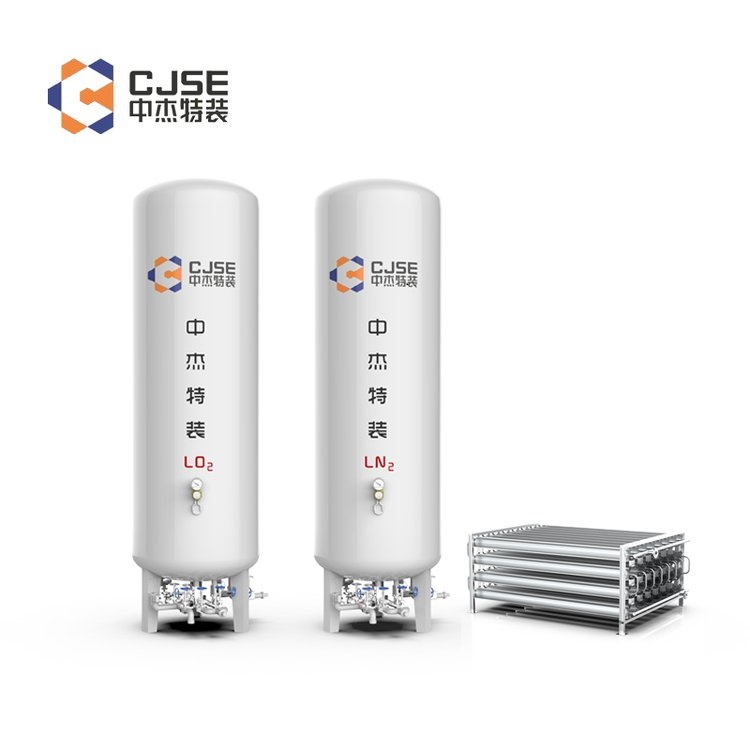
Carbon dioxide cylinders are safe when used and maintained properly, but can pose some dangers if safety procedures are not followed or there are incorrect operations. Here are some potential hazards associated with carbon dioxide cylinders:
High-pressure hazard: Carbon dioxide cylinders are typically used to store high-pressure CO2 gas, thus presenting a high-pressure risk. If the cylinder is damaged, overheated, or over-pressurized, it may explode or leak, causing personal injury and property damage.
Asphyxiation hazard: Carbon dioxide is an asphyxiating gas, and high concentrations can displace oxygen in the air, leading to asphyxiation. When using carbon dioxide cylinders in enclosed spaces, ensure adequate ventilation and oxygen supply to avoid asphyxiation risks.
Freezing hazard: Liquid CO2 is extremely cold, and contact with it can cause cold injury. Follow proper operational procedures and use appropriate personal protective equipment to prevent cold injury.
Fire hazard: Although carbon dioxide itself is not flammable, it can suppress oxygen supply at high concentrations, potentially extinguishing fires. However, if CO2 leaks into the air, it may form flammable mixtures, increasing the risk of fire.
To ensure safety, adhere to relevant safety operating procedures and guidelines when using carbon dioxide cylinders and receive necessary training. Regularly inspect and maintain the cylinders, following the manufacturer's recommendations and local regulations to reduce potential hazards. In case of abnormal situations or leaks, take appropriate emergency measures immediately and notify relevant personnel.
Our company attaches great importance to technological innovation and R&D design. We possess 1 municipal-level enterprise technology center in Heze City, with testing facilities for non-destructive testing, physical and chemical testing, welding testing, hydrostatic testing, etc. We are equipped with over 600 various instruments and equipment, including CNC machine tools, X-ray flaw detectors, digital ultrasonic flaw detectors, mechanical property testing machines, chemical analyzers, spectrometers, tensile testing machines, plasma welding machines, and more. The key products and technologies we have developed, such as welding of temperature and pressure vessels, emissions reduction of biomass boilers, and waste heat utilization, have successively been selected for multiple Shandong Provincial Department of Industry and Information Technology science and technology innovation projects, key projects in Shandong Province, and Heze City innovation and excellence projects. We have cumulatively obtained 27 authorized utility model patents, 16 authorized invention patents, participated in drafting 2 standards, 2 industry standards, and registered 15 trademarks. The technical team of our company, in collaboration with Professor Yajiang Li of Shandong University, has developed deep cryogenic container processing technology using the international plasma arc + filler wire tungsten inert gas arc welding (PAW-GTAW) technology. After being appraised as a provincial-level scientific and technological achievement, our technology level has reached international standards in the field of deep cryogenic container manufacturing. Choose Zhongjie Special Equipment, and let's create brilliance together!
WeChat Official Account

Scan to follow Official Account



















