


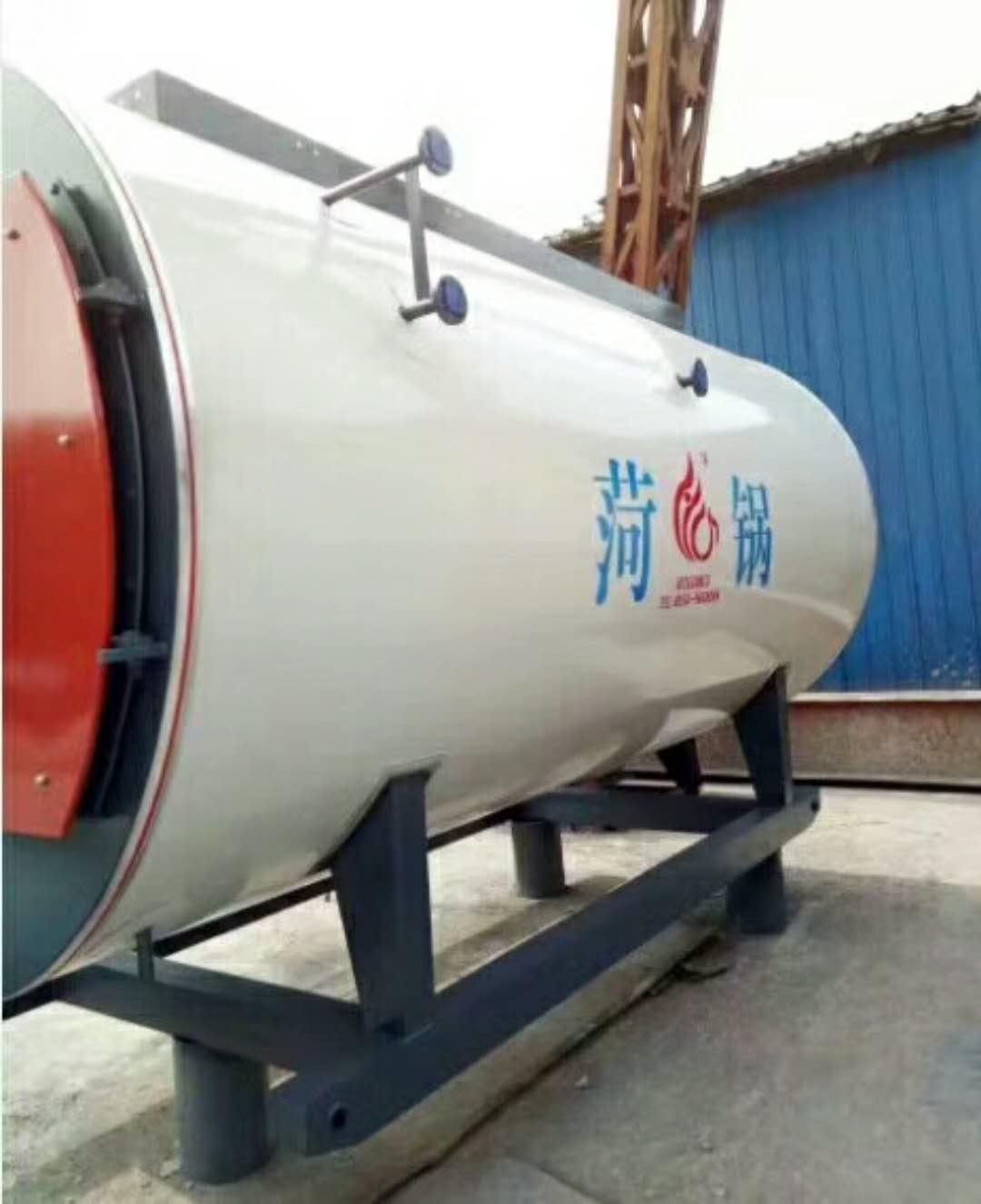

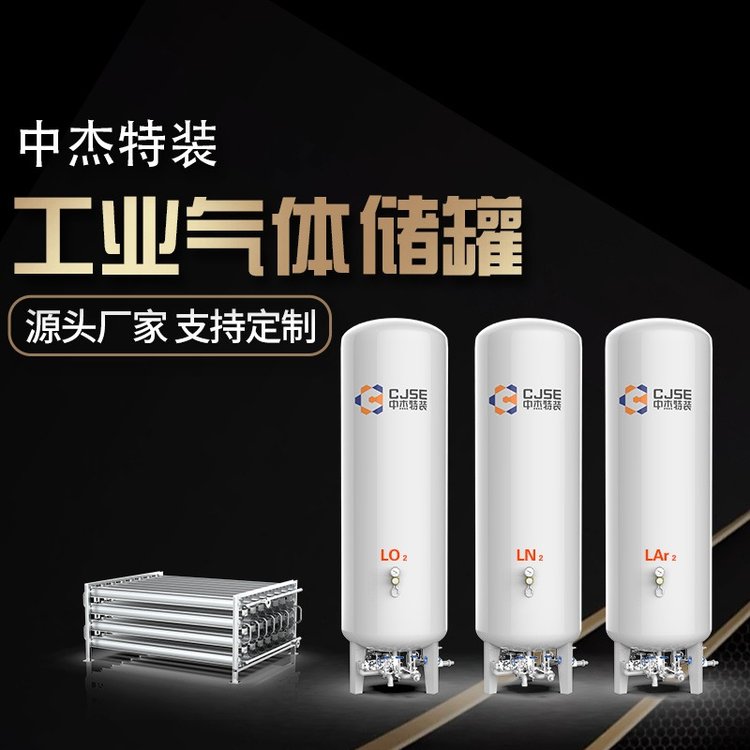
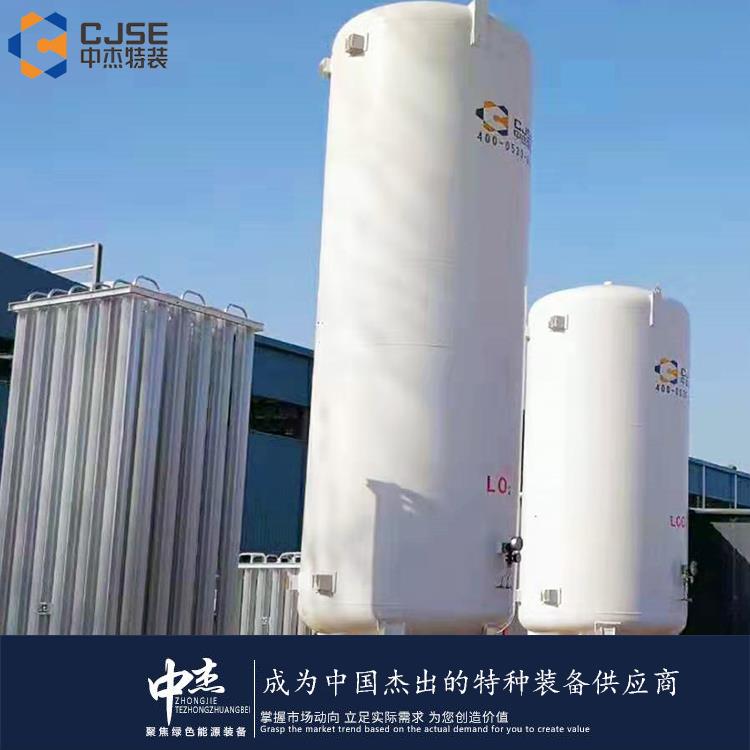


















Shandong Zhongjie Special Equipment (formerly Heze Boiler Factory Co., Ltd.) was established in 2001, located at No. 2218 Jinnan Road, Economic and Technological Development Zone, Heze City. With a registered capital of 50 million yuan and total assets of 500 million yuan, the company has 7 business centers: boiler, deep-freeze containers, pressure vessels, central air conditioning, engineering installation, international trade, and Internet of Things. It operates three factory sites on Jinnan Road, East Changjiang Road, and Bohai Road, covering a total of 200,000 square meters, with the main workshop area being 83,000 square meters. It currently employs 710 people, including 247 engineering and technical staff and 82 middle-level technical personnel. In December 2016, it was recognized as a "High-Tech Enterprise" by the Science and Technology Department. In June 2021, it was identified as a "Specialized, Fine, and New Enterprise in Shandong" by the Ministry of Industry and Information Technology. In June 2022, it was named a "Gazelle Enterprise in Shandong" and in August 2022, it was recognized as a "Specialized, Fine, and New Small Giant Enterprise" by the Ministry of Industry and Information Technology.
For the maintenance and care of low-temperature liquid storage tanks, here are some tips and precautions:
- Regular Inspections: Conduct regular checks of the tank's exterior, internal lining, valves, and pipe connections. Pay attention to signs of corrosion, cracks, or oil leaks.
- Cleaning and Drainage: Regularly clean the interior of the tank to remove accumulated impurities and sediments. Also, regularly drain the tank to remove liquid and gas impurities.
- Corrosion Prevention: The exterior and inner lining of low-temperature liquid storage tanks should be treated for corrosion resistance. Regularly inspect and maintain the corrosion protection layer or coating to ensure its integrity and effectiveness.
- Temperature and Pressure Control: Maintain the tank's temperature and pressure within the design limits. Avoid extremes that could damage the tank.
- Safety Equipment Checks: Inspect the tank's safety equipment, such as safety valves, pressure sensors, and temperature sensors, to ensure they are functioning properly. Verify that their set parameters meet requirements.
- Maintenance of Level Measurement Systems: Regularly check and calibrate the level measurement system to ensure accuracy and reliability. Clean or replace level sensors as needed.
- Fire Prevention Measures: Fire prevention is crucial for low-temperature liquid storage tanks. Ensure that fire protection equipment around the tank is in good condition and conduct regular fire drills.
- Regular Assessments and Monitoring: Regularly assess and monitor the tank, including structural integrity, corrosion, and safety. Take appropriate maintenance and repair actions based on assessment results.
- Operator Training: Operators should be trained to understand the characteristics, operational requirements, and safety measures of low-temperature liquid storage tanks. Training should include safe operation, leak handling, and emergency procedures.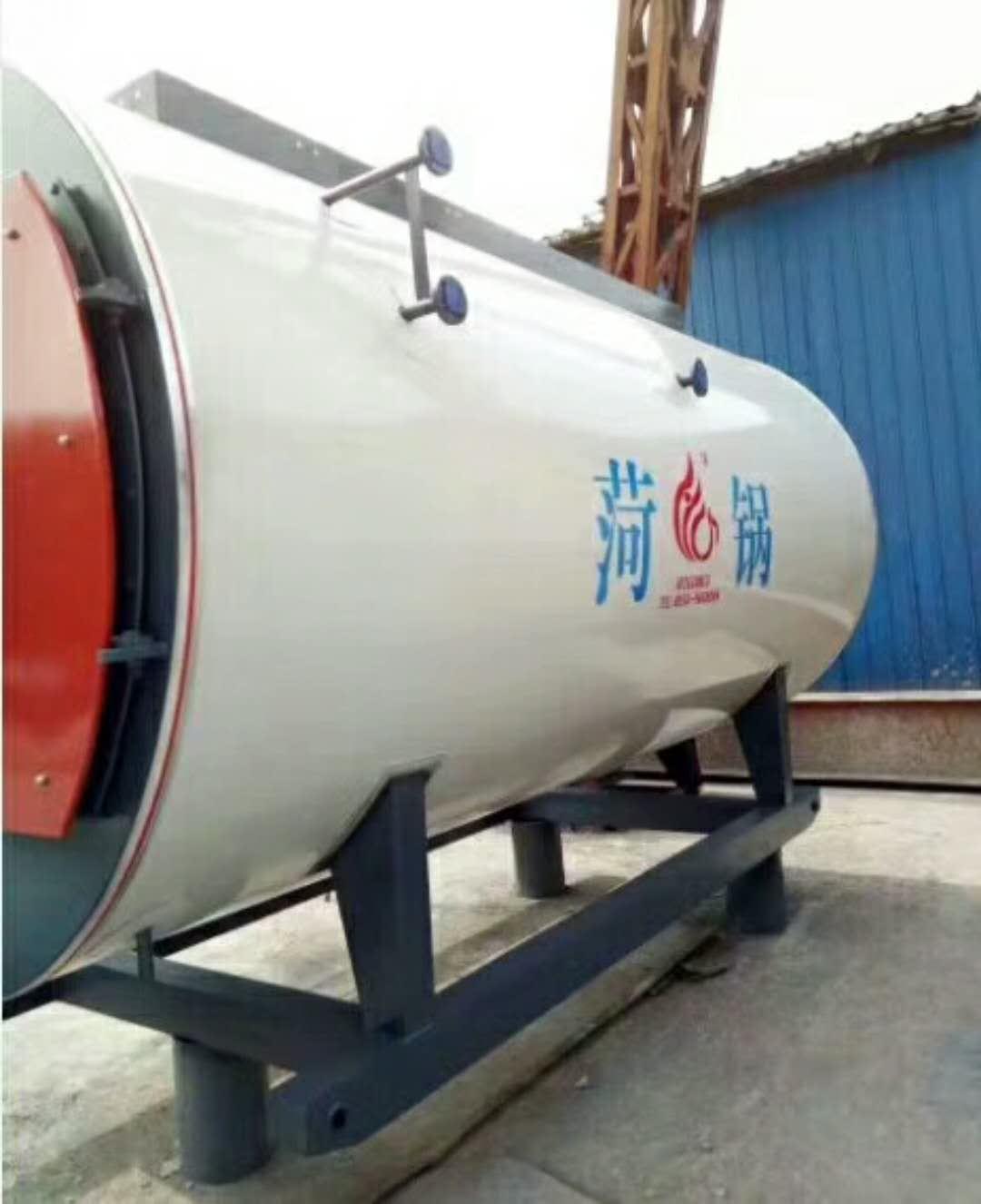
If a leak in the CO2 storage tank is detected, the following steps should be taken promptly:
Confirm the leak location: First, identify the exact position of the leak, which can be done through hearing, observation, or using gas detection equipment.
Emergency response: In case of a leak, immediate emergency measures must be taken to ensure personnel safety. Evacuate personnel to a safe area and notify relevant personnel and emergency agencies.
Cut off the gas source: Quickly shut off the CO2 supply source by closing valves or cutting power, to stop the supply of CO2.
Locate the leak: In a safe environment, use gas detection equipment or visual inspection to find the leak. Apply soap solution or other leak detection agents to potential leak points and observe for bubble formation.
Seal the leaks: Once the leak location is determined, temporary sealing measures can be taken, such as using tape, sealant, or other reliable sealing materials for temporary repair. Ensure the sealing measures are firm and reliable, effectively preventing gas leakage.
Repair and restoration: Under safe conditions, further repairs and restoration can be carried out. Depending on the specific situation of the leak, it may be necessary to replace seals, repair or replace valves, etc. The repair and restoration work should be performed by qualified personnel.
Inspection and testing: After repairs and restoration, leak inspection and testing should be conducted to ensure the leaks have been completely repaired and the tank's safety performance has returned to normal.
It is important to handle leak issues in CO2 storage tanks with caution and follow relevant safety regulations and procedures. If lacking the necessary knowledge and skills, it is advisable to contact a professional for assistance.
The automated maintenance system for carbon dioxide tanks typically includes the following main components:
- Pressure Maintenance System: Monitors and adjusts the internal pressure of the tank to ensure the CO2 within remains within a safe and stable pressure range. This system includes pressure sensors, control systems, pressure regulators, and pressure reserve devices.
- Temperature Control System: Monitors and adjusts the internal temperature of the tank to maintain the CO2 within an appropriate temperature range. This system includes temperature sensors, control systems, and temperature regulators.
- Level Monitoring System: Measures and monitors the liquid level within the tank to ensure the CO2 level is within a safe range. This system can utilize float level gauges, pressure level gauges, and ultrasonic level gauges.
- Leak Detection System: Monitors for leaks in the tank and pipeline systems, enabling timely detection and alarms. This system can employ gas sensors, liquid sensors, and leak alarms.
- Fire Detection and Extinguishing System: Monitors for fires in the tank area and takes appropriate extinguishing measures. This system includes fire detectors, alarms, and extinguishing equipment.
- Remote Monitoring and Control System: Monitors and controls the operational status and parameters of the tank remotely, enabling remote operation and management. This system can connect via network to provide real-time data and remote control capabilities.
These are the main components of a typical automated maintenance system for carbon dioxide tanks. The specific configuration and functions can be customized according to the tank's design requirements and application scenarios. These automated maintenance systems enhance the tank's safety, stability, and reliability, reducing the need for manual intervention and operational risks.
Carbon dioxide capture and recovery is a technology designed to capture carbon dioxide from industrial emission sources or the atmosphere and store or utilize it, thereby reducing carbon dioxide emissions. Below are some common carbon dioxide recovery techniques:
Coal-fired power plant carbon dioxide recovery: In coal-fired power plants, the carbon dioxide produced by burning coal can be captured and recovered. The common method is to use carbon capture technology to separate carbon dioxide from flue gas and store or utilize it.
Industrial emission source carbon dioxide recovery: Carbon dioxide produced by many industrial processes can be treated with capture and recovery techniques. For example, carbon dioxide produced during the production processes in industries such as steel, cement, and chemicals can be recovered to reduce emissions.
Atmospheric carbon dioxide capture: Carbon dioxide in the atmosphere can also be recovered using direct air capture technology. This technique uses absorbents or chemical reactions to capture and separate carbon dioxide from the atmosphere, then store or utilize it.
Carbon dioxide utilization: Captured carbon dioxide can be used to produce valuable chemicals and fuels. For instance, through carbon dioxide catalytic conversion technology, carbon dioxide can be converted into fuels like ethanol or other chemical raw materials.
The development of carbon dioxide recovery technology aims to reduce greenhouse gas emissions and mitigate climate change. However, these technologies are still under development and research, requiring further technological breakthroughs and practical verification for large-scale application.
Our company attaches great importance to technological innovation and R&D design. We have one municipal-level enterprise technology center in Heze City, equipped with testing facilities for non-destructive testing, physical and chemical testing, welding testing, hydrostatic testing, etc. We have over 600 types of equipment, including CNC machine tools, X-ray flaw detectors, digital ultrasonic flaw detectors, mechanical property testing machines, chemical analyzers, spectrometers, tensile testing machines, plasma welding machines, and more. The key products we have developed, such as temperature and pressure vessel welding, biomass boiler emission reduction, and waste heat utilization, have successively been selected for multiple Shandong Provincial Department of Industry and Information Technology science and technology innovation projects, Shandong Provincial key projects, and Heze City innovation and excellence projects. We have accumulated 27 authorized utility models, 16 authorized inventions, participated in drafting 2 standards, 2 industry standards, and registered 15 trademarks. Our technical team, in collaboration with Professor Yajiang Li of Shandong University, has developed deep cryogenic container processing technology using the international plasma arc + filler wire tungsten inert gas arc welding (PAW-GTAW) technology. The provincial-level scientific and technological achievement identification has confirmed that our technology level in deep cryogenic container manufacturing has reached international standards. Choose Zhongjie Special Equipment, and let's create brilliance together!
WeChat Official Account

Scan to follow Official Account



















