


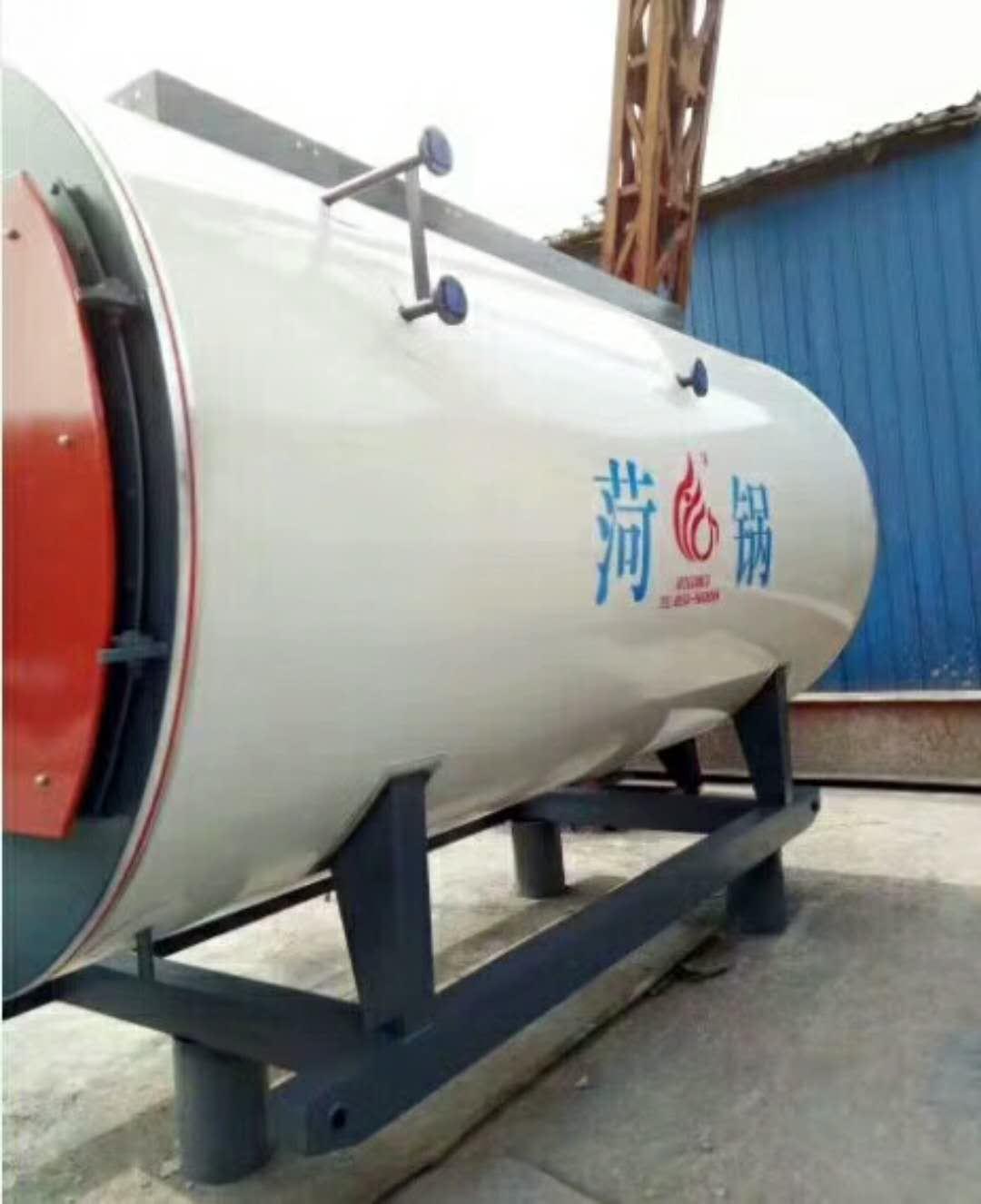

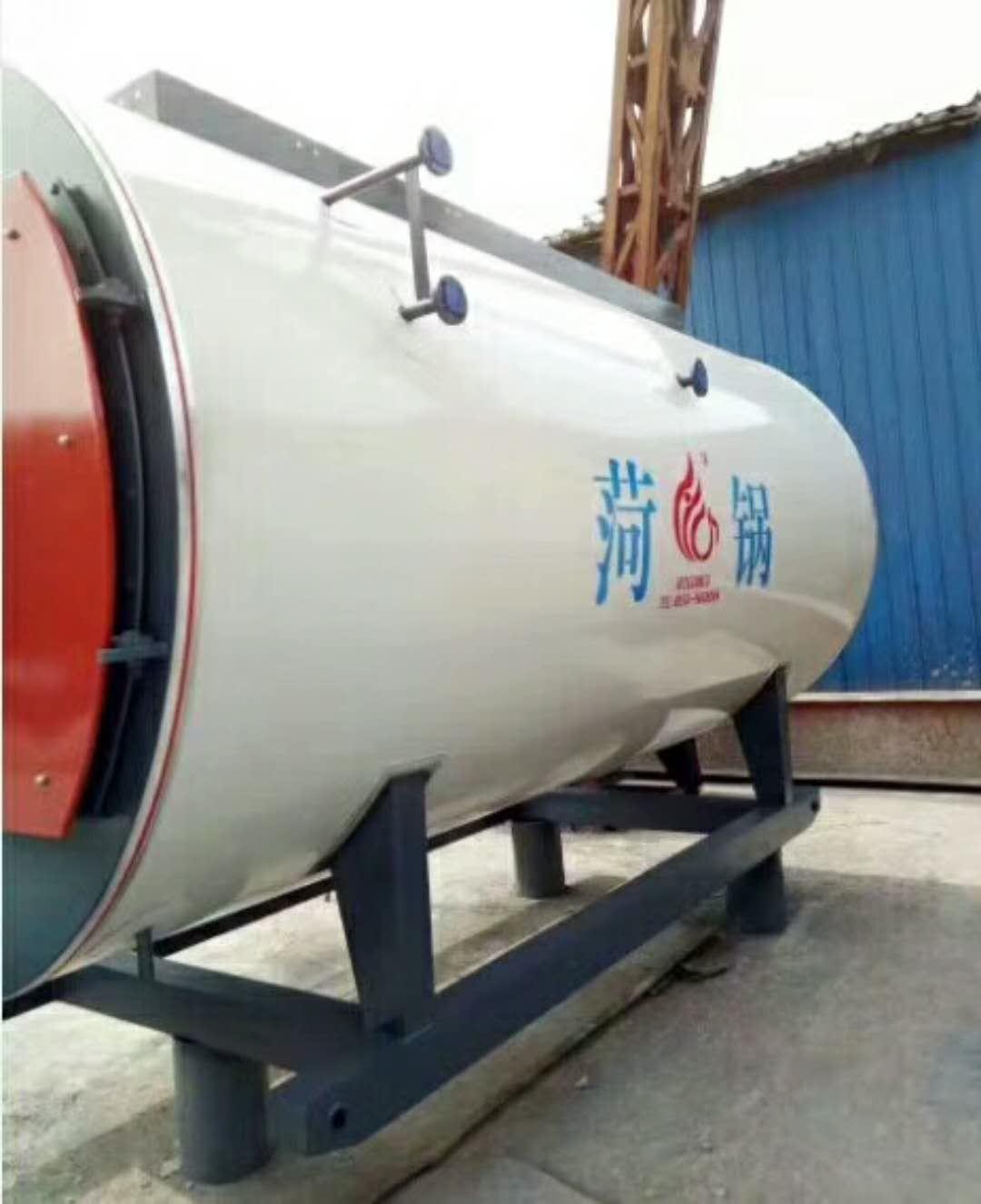
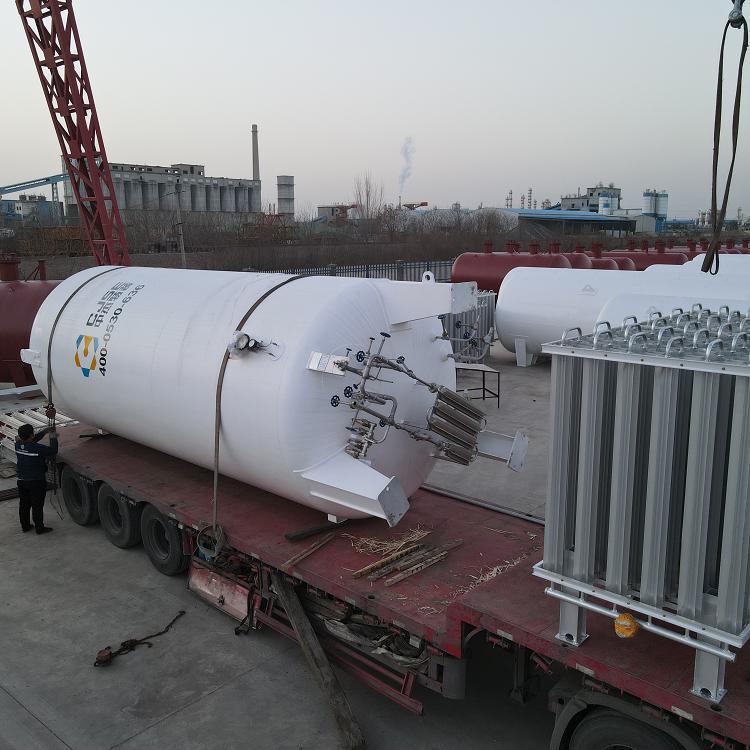


















Shandong Zhongjie Special Equipment's main products include: fuel (gas) boilers, organic heat carrier boilers, biomass boilers, waste heat boilers, and other boiler products; vacuum insulation cryogenic pressure vessels such as LNG storage tanks, oxygen/nitrogen/argon storage tanks, and CO2 storage tanks; pressure vessel products such as denitrification engineering equipment, heat storage and energy storage equipment, and complete chemical equipment; central air conditioning and ventilation equipment such as ground (water) source heat pumps, air source units, water-cooled screw units, and air-cooled modular units. Planned products include large-scale energy centers, LNG transport vehicles, LNG tank containers, and other green energy equipment.
When selecting a liquid oxygen tank with a medical oxygen concentrator, consider the following factors:
Requirement: First, determine the oxygen demand of the institution or individual. Select the appropriate oxygen concentrator model and specifications based on the required oxygen flow rate and pressure.
Safety and Reliability: Ensure the selected oxygen concentrator boasts high levels of safety and reliability. Choose products that comply with relevant standards and regulations, featuring safety features like over-pressure protection, leakage protection, and overload protection.
Ease of Operation: Select an oxygenator with simple and user-friendly operation. Consider the methods of adjusting oxygen flow and concentration, as well as the clarity and readability of the operating interface.
Quality and Reputation: Choose an oxygen concentrator with excellent quality and reliability. Refer to customer reviews, word-of-mouth, and institutional endorsements when selecting a product.
Maintenance and After-Sales Service: Understand the maintenance requirements and after-sales support for the oxygenator. Ensure timely access to repairs and technical assistance to ensure the normal operation and maintenance of the oxygenator.
Cost-Effectiveness: Choose a product with good cost-performance by considering the price, performance, and features of the oxygenator. Select the appropriate oxygenator based on actual needs and budget.
Be mindful that when selecting liquid oxygen storage tanks with medical oxygen generators, adhere to relevant equipment procurement regulations and standards. It is advisable to consult with equipment suppliers or relevant institutions to ensure the oxygen generator chosen meets requirements and safety standards.
When selecting a low-temperature liquefied natural gas (LNG) storage tank, the following factors should be considered:
Tank Types: Common LNG tank types include vertical fixed-roof tanks, spherical tanks, and horizontal tanks. Select the appropriate tank type based on specific application requirements and site conditions.
Tank Capacity: Determine the tank capacity based on the storage requirements and anticipated usage of LNG. The tank capacity should be sufficient to meet the expected storage duration and supply demands.
Material Selection: LNG tanks are typically made of low-temperature steel or nickel alloy materials to ensure corrosion resistance and strength in low-temperature environments. Select the appropriate material based on the tank's design pressure and temperature requirements.
Safety Performance: LNG tanks should possess excellent safety performance, including seismic resistance, fire resistance, and leak control capabilities. The tanks must comply with relevant safety standards and regulations, such as API 620, EN 1473, etc.
Maintenance and Repair: Consider the maintenance and repair requirements for the storage tank, including internal cleaning, coating protection, corrosion prevention measures, etc. The tank's design should facilitate maintenance and repair operations to ensure long-term reliable operation.
Environmental Impact: When selecting an LNG storage tank, its impact on the surrounding environment must be considered. The layout and design of the tank should comply with environmental protection requirements, minimizing noise, vibration, and gas emissions, etc., to reduce environmental impact.
Cost-effectiveness: Considering the investment, operational, and lifecycle costs of the tank, select one with a favorable cost-performance ratio.
需要注意的是,选型LNG储罐时应遵循相关的和地区的法规、标准和规范。此外,咨询的工程师或储罐制造商,以获取更详细和准确的选型建议。
Liquid oxygen low-temperature storage tanks are primarily used for storing and supplying liquid oxygen, with their application methods varying depending on specific needs and scenarios. Here are some common applications of liquid oxygen low-temperature storage tanks:
Applications: Liquid oxygen low-temperature storage tanks are widely used in the field for low-temperature freezing preservation of biological samples, cells, tissues, and vaccines. Institutions such as biopharmaceutical research organizations and biobanks utilize these tanks to store and protect these biological materials.
Experimental Research: Liquid Oxygen Low-Temperature Storage Tanks are used to provide low-temperature environments in scientific research and laboratories, for freezing preservation and cryogenic experiments. These tanks play a crucial role in experimental research across various fields, including physics, chemistry, biology, and materials science.
Industrial Applications: Liquid Oxygen Low-Temperature Storage Tanks are used in industrial fields for providing low-temperature cooling, applicable in processes such as metal processing, welding, and heat treatment. These tanks can provide low temperatures, enabling metals to achieve the required hardness and toughness during processing.
Food Industry: Liquid Oxygen Low-Temperature Storage Tanks are used in the food industry for freezing and refrigeration of foods such as frozen meats, frozen fruits, and frozen seafood. The low temperature of liquid oxygen can rapidly freeze foods, preserving their freshness and quality.
Liquid oxygen low-temperature storage tanks are used in the field for storing and supplying liquid oxygen as fuel. Liquid oxygen, as a high-energy fuel, is widely used in the propulsion systems of engines and devices.
During the operation of liquid oxygen low-temperature storage tanks, strict adherence to relevant safety regulations and operating guidelines is required to ensure safe operation and use of the tanks. Liquid oxygen is highly flammable, so fire prevention measures must be taken when using liquid oxygen low-temperature storage tanks, and it must be ensured that there are no sources of fire nearby.
During the operation of low-temperature liquid storage tanks, the following points should be noted:
Protective Gear: When handling low-temperature liquid storage tanks, it is mandatory to wear appropriate protective gear, including protective gloves, suits, and non-slip shoes. This equipment safeguards the skin from injuries caused by low-temperature liquids.
Avoid direct contact: Low-temperature liquids can be cold and cause chilling. Therefore, avoid direct contact with low-temperature liquids, especially with the skin. Use tools or utensils for handling to prevent direct hand contact with low-temperature liquids.
Ventilation Requirements: In the operating area of low-temperature liquid storage tanks, adequate ventilation must be ensured to exhaust gases produced by the evaporation of low-temperature liquids. Maintain air circulation to avoid excessive oxygen concentration, and reduce the risk of fire and explosion.
Prevent Leaks: Regularly inspect low-temperature liquid storage tanks for leaks and equip with leak detection and alarm systems. In case of a leak, take immediate action to control and repair it. Avoid harm to personnel and the environment caused by the leakage of low-temperature liquids.
Fire Prevention Measures: Low-temperature liquids have low boiling and freezing points, which are prone to cause fires. Measures such as setting up fire barriers around low-temperature liquid storage tanks and using fire-retardant coatings are taken to prevent fires from occurring and spreading.
Static protection: The handling of low-temperature liquids may generate static electricity, increasing the risk of sparks igniting fires. Measures such as using static-conductive materials and anti-static equipment are taken to reduce the accumulation and release of static electricity.
Regular Inspections and Maintenance: Conduct regular checks on the condition of low-temperature liquid storage tanks and related equipment, including valves, pipes, pressure gauges, etc. Ensure that the equipment is in perfect condition and promptly repair or replace any damaged parts.
Waste Gas Treatment: During the process of using low-temperature liquids, waste gas is produced, and appropriate waste gas treatment measures must be taken to minimize environmental impact.
The above are the precautions to be taken when using low-temperature liquid storage tanks, ensuring operational safety and the normal operation of the tank. During operation, it should be strictly adhered to the relevant operational procedures and safety requirements.
Zhongjie Special Equipment adheres to the grand vision of "realizing employees' dreams, creating value for customers, and striving for the prosperity and strength of our motherland," and is dedicated to the development of the green energy equipment industry. We offer society high-quality products and services at competitive prices!
WeChat Official Account

Scan to follow Official Account



















