


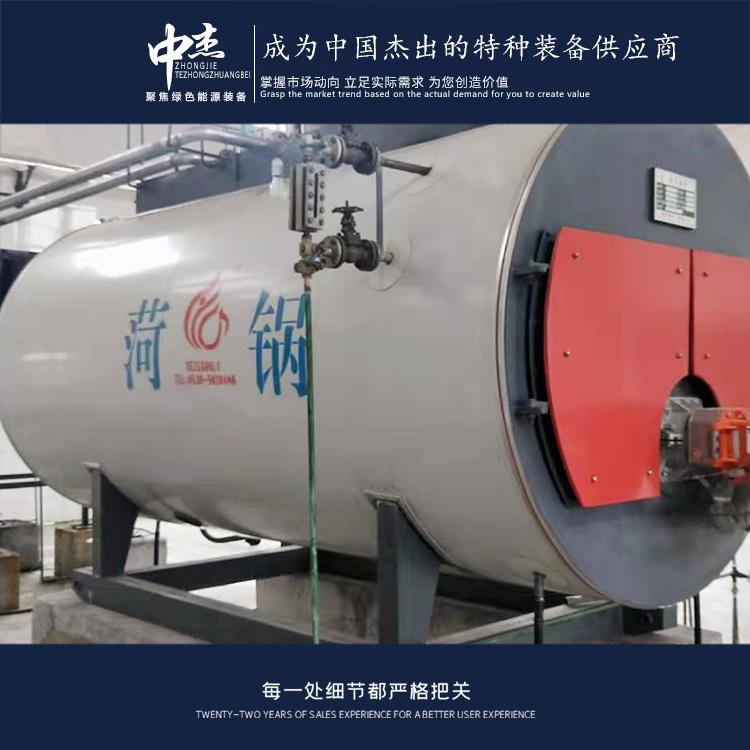

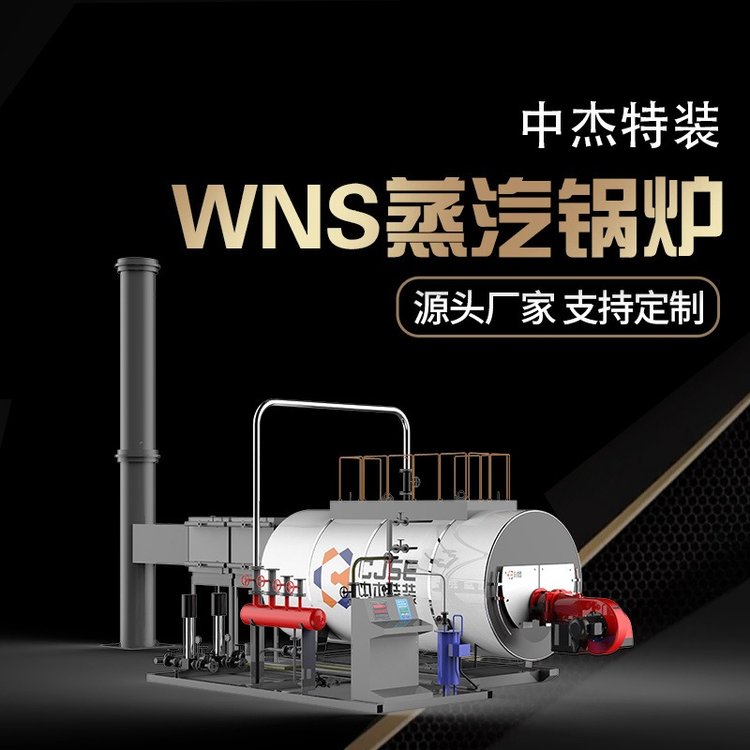
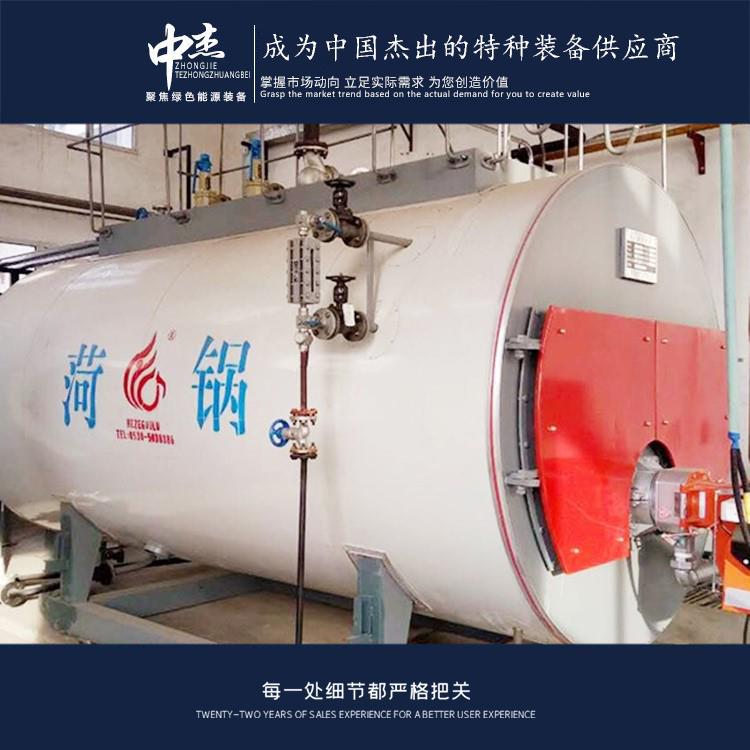


















Shandong Zhongjie Special Equipment Co., Ltd. specializes in the following products: fuel (gas) boilers, organic heat carrier boilers, biomass boilers, waste heat recovery boilers, and other boiler products; vacuum insulation cryogenic pressure vessels such as LNG storage tanks, oxygen/nitrogen/argon storage tanks, and CO2 storage tanks; pressure vessel products including denitrification engineering equipment, heat storage and energy storage equipment, and complete chemical equipment; central air conditioning and ventilation equipment such as ground (water) source heat pumps, air source units, water-cooled screw units, and air-cooled modular units. Planned products include large-scale energy centers, LNG transport vehicles, LNG tank containers, and other green energy equipment.
Fuel and gas boiler combustion safety and explosion prevention are crucial. Here are some related safety measures:
1. Burner Selection and Adjustment: Choose burners that meet standards and specifications, and ensure they are installed correctly. The burner's parameters and adjustments should align with design requirements to ensure a stable and safe combustion process.
2. Fuel Supply System: The fuel supply system of fuel and gas boilers should be safe and reliable. Fuel storage tanks, conveyance pipelines, and filters, among other equipment, should be regularly inspected and maintained to prevent leaks and blockages.
3. Combustion Control System: The combustion control system of fuel and gas boilers should possess adequate control capabilities. The control system should be able to monitor and adjust combustion parameters, such as fuel supply and combustion air volume, to ensure a stable and safe combustion process.
4. Safety Valves and Pressure Switches: Safety valves and pressure switches should be installed on fuel and gas boilers to protect their safe operation. Safety valves can automatically open when exceeding the set pressure, releasing excess pressure gas or steam to prevent boiler explosion.
5. Gas Leak Detection: For gas boilers, gas leak detection devices should be installed. These devices can detect gas leaks in a timely manner and trigger alarms to prevent gas accumulation and explosion.
6. Regular Inspection and Maintenance: Regularly inspect and maintain fuel and gas boilers, including cleaning burners, checking the combustion system, and adjusting combustion parameters. Promptly repair and replace damaged parts to ensure the normal operation and safety performance of the equipment.
7. Training and Operating Procedures: Train operators to...
The decline in the consumption of thermal oil boilers can be attributed to several factors:
- Combustion Technology: Modern thermal oil boilers employ advanced combustion technologies such as premixed combustion and afterburning, which ensure complete fuel combustion, enhance thermal energy utilization, and thereby reduce energy consumption.
- Heat Recovery: Thermal oil boilers typically generate a significant amount of excess heat during flue gas emissions. By utilizing heat recovery systems like flue gas heat recovery boilers or flue gas heat exchangers, the excess heat in flue gases can be recovered and reused, improving energy efficiency and reducing consumption.
- Intelligent Control Systems: Contemporary thermal oil boilers are equipped with intelligent control systems capable of real-time monitoring and adjustment of operating parameters such as temperature, pressure, and flow rate. This control and adjustment ensure optimal boiler operation, avoiding unnecessary energy waste and loss.
- Energy-saving Retrofitting and Optimization: For older thermal oil boilers, energy-saving retrofitting and optimization can be performed. This includes installing energy-saving equipment like variable frequency drives and modified burners to enhance energy efficiency. Additionally, optimizing the boiler system, such as improving pipe insulation and reducing leaks, can further reduce energy loss.
- Energy Management and Maintenance: Effective energy management and regular equipment maintenance are crucial factors in reducing energy consumption. Implementing energy management measures such as energy monitoring, metering, and fostering energy-saving awareness can identify and resolve energy waste issues. Regular equipment maintenance and upkeep ensure the smooth operation of the equipment, preventing unnecessary energy loss.
In summary, the decline in energy consumption of thermal oil boilers can be achieved through combustion technology, heat recovery, intelligent control, energy-saving retrofitting, and effective energy management.
A gas thermal oil heater is a device that uses gas as fuel and transfers heat energy through thermal oil. Its features include:
- High thermal efficiency: The gas thermal oil heater employs thermal oil as the heat transfer medium, offering high heat transfer efficiency. The thermal oil has high thermal conductivity and stability, enabling rapid heat transfer and enhancing energy utilization efficiency.
- Temperature control: By controlling the gas supply and thermal oil circulation, the gas thermal oil heater can achieve temperature control for the working process. This temperature control meets various process and production requirements, improving production efficiency and product quality.
- Safety and reliability: The gas thermal oil heater uses a closed-loop system, with the combustion process occurring in an enclosed environment, reducing the risk of gas leakage. Additionally, the thermal oil has a high flash point and ignition point, making the combustion process relatively safe and reliable.
- Flexibility: The gas thermal oil heater is suitable for various industrial fields, such as chemicals, textiles, and food processing. It can adapt to different process requirements and working conditions, offering strong flexibility.
- Environmental protection and energy saving: The gas thermal oil heater emits relatively low exhaust gas during combustion, causing minimal environmental pollution. Due to its high thermal efficiency and temperature control, it can save energy consumption and reduce energy costs.
- It is important to note that regular inspection and maintenance are required for the gas thermal oil heater during use to ensure its normal operation and extend its service life. Moreover, selecting the appropriate model and supplier of the gas thermal oil heater is crucial for ensuring its features and performance.
WNS Low-Nitrogen Condensing Hot Water Boilers offer the following advantages:
- Low Nitrogen Emissions: Utilizing low-nitrogen combustion technology, these boilers significantly reduce NOx emissions through optimized combustion processes and burner design. This aids in reducing environmental pollution.
- High Thermal Efficiency: With condensing technology, these boilers enhance energy utilization by recovering heat from flue gases. The thermal efficiency typically exceeds 90%, surpassing that of traditional hot water boilers, helping to conserve energy and lower operating costs.
- Safety and Reliability: Equipped with a control system and safety devices, these boilers offer excellent safety performance. They come with multiple safety features such as overheat protection, overpressure protection, and water level protection, which automatically monitor and control the boiler's operation to ensure safe operation.
- Flexibility: WNS Low-Nitrogen Condensing Hot Water Boilers are suitable for various applications, including industrial, commercial, and residential. They can accommodate different thermal load requirements, offering strong flexibility. Additionally, they can be integrated with other systems like solar hot water systems and ground-source heat pump systems to further improve energy efficiency.
- Easy Operation and Maintenance: The operation and maintenance of WNS Low-Nitrogen Condensing Hot Water Boilers are straightforward.
Our company attaches great importance to technological innovation and R&D design. We have one municipal-level enterprise technology center in Heze City, equipped with non-destructive testing, physical and chemical testing, welding testing, hydrostatic testing, and other testing facilities. We have over 600 types of equipment, including CNC machine tools, X-ray flaw detectors, digital ultrasonic flaw detectors, mechanical property testing machines, chemical analyzers, spectrometers, tensile testing machines, plasma welding machines, and more. Our key products and technologies, such as temperature and pressure vessel welding, biomass boiler emission reduction, and waste heat recovery, have successively been included in multiple Shandong Provincial Department of Industry and Information Technology science and technology innovation projects, Shandong key projects, and Heze City innovation and excellence projects. We have accumulated 27 authorized utility models, 16 authorized inventions, participated in drafting 2 standards, 2 industry standards, and registered 15 trademarks. The technical team, in collaboration with Professor Yajiang Li from Shandong University, has developed deep cryogenic container processing technology using the international plasma arc + wire filling tungsten inert gas arc welding (PAW-GTAW) technology. The provincial-level scientific and technological achievement identification has confirmed that our technology level in deep cryogenic container manufacturing has reached international standards.
Choose ZJETT Customization, let's create brilliance together!
WeChat Official Account

Scan to follow Official Account



















