


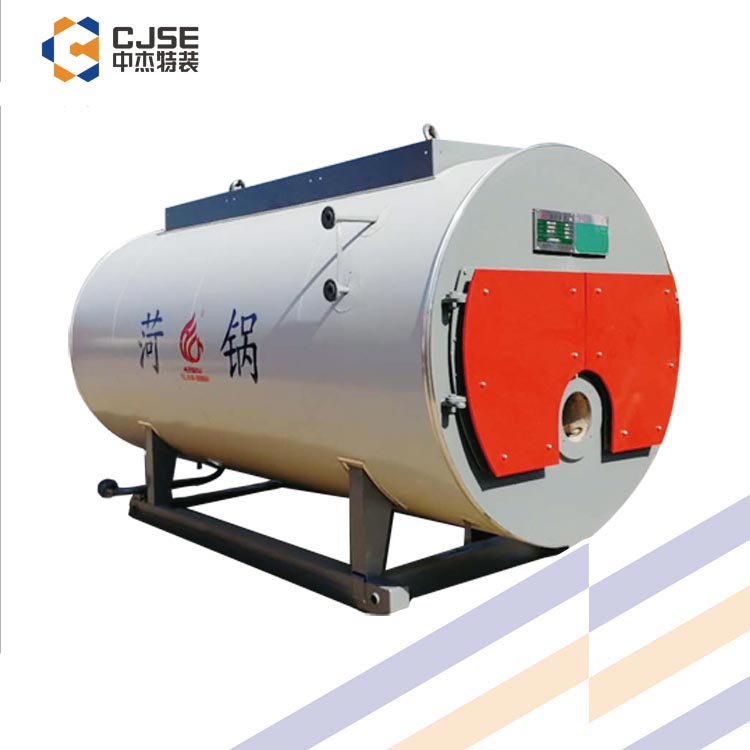

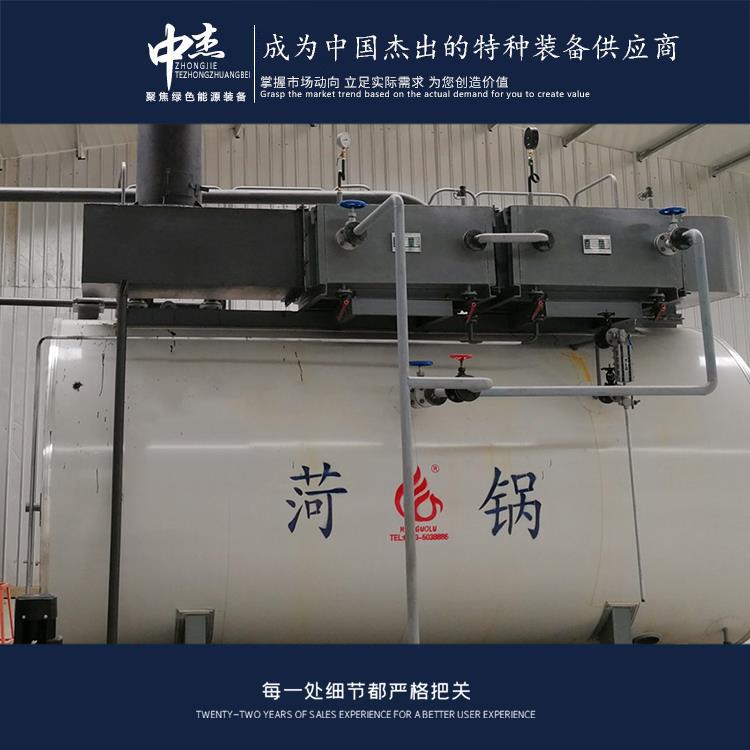
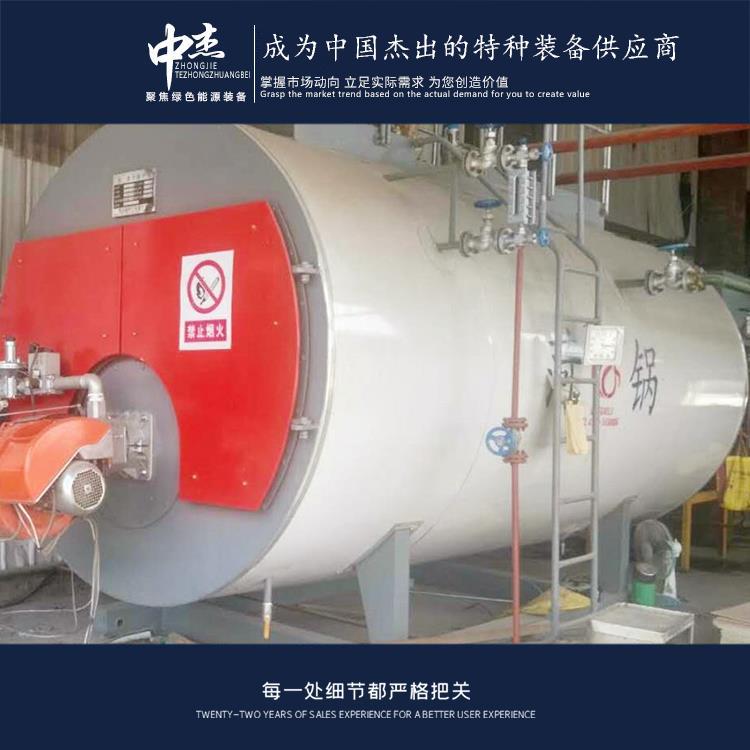


















Shandong Zhongjie Special Equipment (formerly Heze Boiler Factory Co., Ltd.) holds an A-grade boiler manufacturing license, an A2-grade pressure vessel manufacturing license, an A2-grade pressure vessel design license, a B-grade boiler installation license, and GB2/Class, GC2/Class pressure pipeline installation licenses, as well as a mechanical and electrical equipment installation contracting qualification. It is a member of the China Boiler and Water Treatment Association, the China Chemical Equipment Association, and the council member of the Shandong Equipment Manufacturing Association. The company has also passed the ISO9001 Quality Management System, ISO14001 Environmental Management System, OHSAS18001 Occupational Health and Safety Management System certifications, and the American ASME/U2 certification.
If the thermal oil furnace circulation pump encounters issues, follow these steps for troubleshooting:
1. Shutdown and inspection: First, stop the thermal oil furnace and disconnect the power. Check for any evident故障 signs, such as unusual noises, oil leaks, or leaks. Inspect if the pump motor is running normally and if there's any abnormal heat generation.
2. Clean the pump body: If sediment or impurities are found in the pump body, clean them. Use appropriate tools and cleaning agents to remove dirt and obstructions from within the pump. Ensure safe operation to avoid damaging the pump body.
3. Check pump connections: Inspect the pump's connection parts, including inlet and outlet pipes, valves, and seals. Ensure connections are tight, valves operate smoothly, and seals are intact. Repair or replace any loose or damaged parts promptly.
4. Inspect the pump motor: Check if the pump motor is operating normally, for any abnormal sounds or heating phenomena. Inspect the power lines and control system of the motor to ensure normal power supply and correct control signals.
5. Check the lubrication and cooling system: Ensure the pump's lubrication and cooling systems are functioning properly. Check the supply of lubricating oil or grease, and the circulation and temperature control of cooling water or coolant.
6. Adjust pump parameters: Depending on the situation, you may need to adjust the pump parameters, such as flow rate and head. Adjust the pump speed or valve opening according to equipment requirements and operating conditions to meet the thermal energy needs of the thermal oil furnace.
7. Seek repair if necessary: If the above steps do not resolve the issue or if more in-depth repair and maintenance are required, it is recommended to seek repair services. Contact the repair personnel or manufacturer's technical support for further fault diagnosis and repair.
It is crucial to pay attention to safe operation and follow relevant operational procedures and safety requirements when dealing with issues related to the thermal oil furnace circulation pump. If unsure of how to proceed or if there are safety concerns, seek assistance promptly.
Before starting the heating gas hot water boiler, the following correct procedures must be followed:
- Check the gas supply system: Ensure the gas supply system is operating properly, inspect gas pipes, valves, and pressure regulators, and ensure there are no leaks or blockages in the gas supply.
- Check the water system: Inspect the water circulation system of the heating system, including pumps, valves, and pipes, to ensure the waterway is clear and there are no leaks or blockages.
- Check the electrical system: Inspect the boiler's electrical system, including power connections, controllers, and sensors, to ensure electrical equipment is functioning normally.
- Check the safety devices: Inspect the boiler's safety devices, including safety valves, pressure switches, and water level controllers, to ensure they are working properly and ensure the safe operation of the boiler.
- Prepare for ignition: According to the boiler's operating instructions, prepare the tools and equipment needed for ignition, including an igniter and ignition power supply.
- Open the gas valve: Slowly open the gas valve to ensure a steady gas supply and avoid gas surges.
- Ignition start: Follow the boiler's operating instructions to perform the ignition start. Perform the corresponding operations according to the boiler model and control system to ensure smooth ignition.
- Monitor operating status: After startup, closely monitor the boiler's operating status, including combustion, water level, and pressure, to ensure normal operation without any abnormalities.
- Adjust parameters: Adjust the boiler's parameters as needed, including temperature, pressure, and water level, to meet the requirements of the heating system.
- Regular maintenance: After startup, perform regular maintenance, including cleaning the burner, checking water level and pressure, and replacing worn parts, to ensure normal operation and safety of the boiler.
- It is recommended to refer to the boiler's operation manual and the manufacturer's guidance before starting the heating gas hot water boiler to ensure correct and safe operation. If necessary, personnel can be requested for operation and maintenance.
To ensure the safe operation of industrial boilers, attention should be given to the following aspects:
- Adhere to laws and regulations: Understand and comply with relevant laws, regulations, and standards, including those governing boiler safety management and standards for boiler use and maintenance. Ensure compliance with legal requirements throughout the operation process.
- Establish a sound management system: Develop a comprehensive industrial boiler safety management system, define responsibilities and authorities, and standardize operational procedures and safety measures. Draft operational guidelines and emergency response plans to ensure orderly operation of safety management tasks.
- Training and education: Provide training and education for personnel involved in the safe operation of industrial boilers to enhance their safety awareness and skill levels. This includes boiler operators, maintenance staff, and management personnel, all of whom should receive appropriate training.
- Regular inspections and maintenance: Conduct regular inspections and maintenance of industrial boilers to ensure proper equipment operation and safety performance. This includes checking and maintaining key components such as the combustion system, water level control, safety valves, and pressure gauges.
- Safety equipment and facilities: Equip necessary safety equipment and facilities, such as safety valves, pressure gauges, water level indicators, and burners, ensuring their proper operation and effectiveness.
- Regular inspections and evaluations: Conduct regular inspections and evaluations of industrial boilers to ensure compliance with safety requirements. This includes regular pressure tests, water quality inspections, and combustion efficiency assessments.
- Safety records and documentation management: Establish a comprehensive safety records and documentation management system to record the operation of industrial boilers, maintenance records, and accident reports. Update and preserve relevant safety documents in a timely manner.
- Regular drills and emergency response training: Organize regular safety drills and emergency response training to improve the ability to respond to emergencies and the efficiency of emergency handling.
The above are some basic points for ensuring the safe operation of industrial boilers. Specific operations should be carried out according to actual conditions and relevant requirements.
Converting a standard boiler to a gas boiler can significantly improve energy efficiency and conservation. Here are some insights into the energy-saving efficiency of switching to a gas boiler:
- High combustion efficiency: Gas boilers use gas as fuel and typically have higher combustion efficiency. Compared to traditional coal-fired or oil-fired boilers, gas boilers can achieve a higher combustion efficiency, reducing energy waste.
- Low emissions: The exhaust emissions from gas boilers during combustion are relatively low, causing less environmental pollution. The combustion technology and emission control devices used in gas boilers can effectively reduce emissions of nitrogen oxides and other harmful substances.
- Quick start and stop: Gas boilers have a faster start-up and shutdown, allowing for flexible adjustments according to actual needs. Compared to coal-fired boilers, gas boilers have shorter start-up and shutdown times, avoiding prolonged preheating and cooling processes and reducing energy waste.
- High thermal efficiency: Gas boilers usually have high thermal efficiency, achieving higher energy conversion efficiency. The heat exchange technology and energy-saving design of gas boilers maximize the utilization of the heat energy from gas, enhancing heating performance.
- Intelligent control and management: Gas boilers are often equipped with intelligent control systems that can automatically adjust operating states according to actual needs. Through control and regulation, gas boilers can ensure stable heating and avoid unnecessary energy waste.
It is important to note that switching to a gas boiler requires consideration of the reliability and safety of the gas supply, as well as the suitability and installation requirements of the gas boiler. Before making any modifications, it is recommended to consult engineers or relevant agencies to ensure.
Shandong Zhongjie Special Equipment, welcome customers to our factory for business discussions.
WeChat Official Account

Scan to follow Official Account



















