


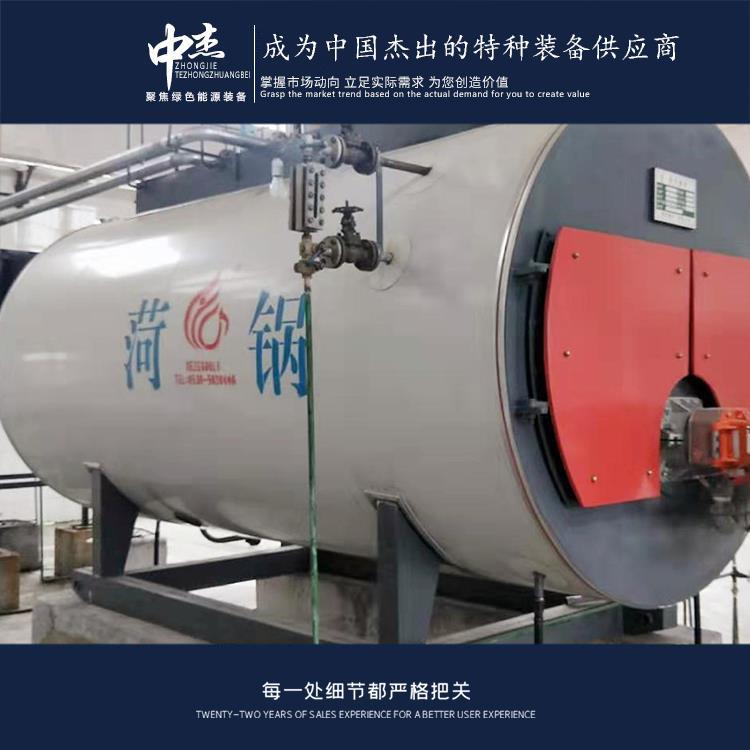

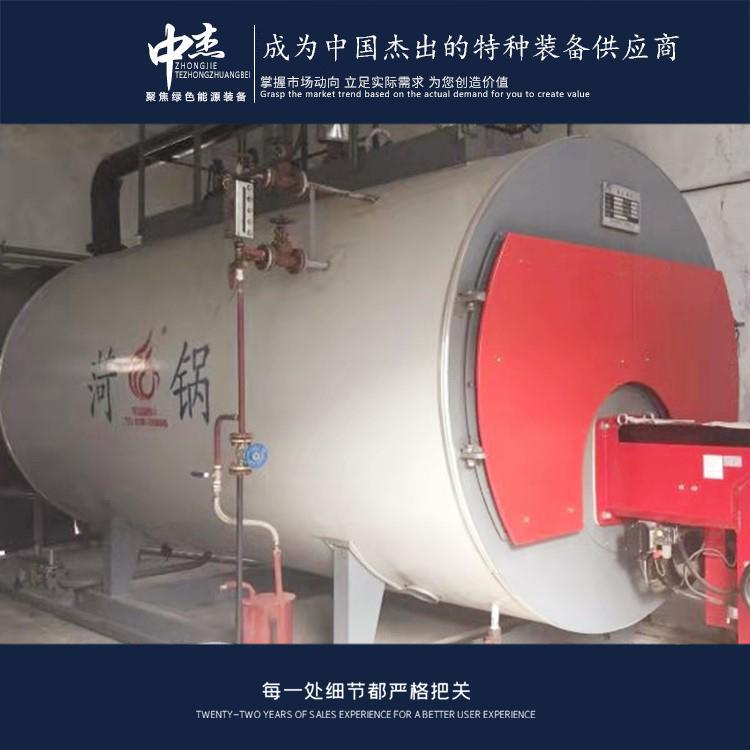


















Shandong Zhongjie Special Equipment Co., Ltd. specializes in the following products: fuel (gas) boilers, organic heat carrier boilers, biomass boilers, waste heat recovery boilers, and other boiler products; vacuum insulation cryogenic pressure vessels such as LNG tanks, oxygen/nitrogen/argon tanks, and CO2 tanks; pressure vessel products including denitrification engineering equipment, heat storage and energy storage equipment, and complete chemical equipment; central air conditioning and HVAC equipment such as ground (water) source heat pumps, air source units, water-cooled screw units, and air-cooled modules. Planned products include large-scale energy centers, LNG transport vehicles, LNG tank containers, and other green energy equipment.
When a gas-fired steam boiler experiences overpressure, the following immediate measures must be taken:
1. Shut off gas supply: First, immediately close the gas supply to cut off the fuel source and stop the combustion process to prevent further increase in steam pressure.
2. Release pressure: Open the boiler's pressure relief device, typically a safety valve. The safety valve is a crucial safety feature of the boiler. When the internal pressure exceeds the set value, the safety valve automatically opens to release excess pressure steam, thereby reducing the boiler pressure.
3. Reduce burner load: If the overpressure is caused by excessive burner load, reduce the burner load to decrease steam generation and lower the boiler pressure. Adjust the gas supply to the burner or the burner's control method to match the current load requirements.
4. Inspection and maintenance: After an overpressure event, inspect and repair the boiler to identify the cause of overpressure and make the necessary repairs. Possible causes may include burner failure, control system issues, valve malfunctions, etc. If necessary, call a boiler maintenance technician for inspection and maintenance.
It is important to note that overpressure is a dangerous condition during boiler operation and must be addressed promptly. When dealing with overpressure, operators should remain calm and follow safety operating procedures to ensure their safety. If unsure of how to handle an overpressure situation, immediately contact a boiler maintenance technician or relevant technical support for assistance.
The management system for gas heat transfer oil furnace equipment incidents primarily includes the following aspects:
1. Equipment Safety Management System: Establish and improve the safety management system for gas heat transfer oil furnace equipment, clarify responsibilities and authorities, and ensure the safe operation of the equipment. This includes equipment operation procedures, emergency response plans for accidents, equipment inspection and maintenance schedules, etc.
2. Equipment Maintenance Management System: Establish a maintenance management system for equipment, clarifying maintenance responsibilities and plans. This includes regular equipment inspections, maintenance, and repairs to ensure normal operation and safety of the equipment.
3. Equipment Operation Management System: Establish an equipment operation management system, clarifying operation procedures and requirements. This includes start-up, shutdown, adjustment, and monitoring procedures for the equipment to ensure safety and operational integrity.
4. Equipment Incident Management System: Establish an equipment incident management system, clarifying reporting, investigation, and handling procedures for incidents. This includes incident reporting requirements, responsibility追究, root cause analysis, and improvement measures to reduce incidents and minimize losses.
5. Equipment Training and Assessment System: Establish a training and assessment system for equipment to ensure operators possess necessary skills and knowledge. This includes operation training, safety training, and technical training, along with regular assessment and evaluation of operators.
6. Equipment Inventory and Record Management System: Establish an equipment inventory and record management system, documenting equipment operation, maintenance records, and incident records. This includes inventory management, maintenance record completion and preservation, and incident record organization and analysis for equipment management and issue traceability.
The above are some basic contents of the management system for gas heat transfer oil furnace equipment incidents. Specific management systems should be formulated and improved based on actual circumstances. Compliance with relevant laws, regulations, and standards is also required to ensure equipment safety and environmental performance.
After the hot water boiler is shut down, here are some common maintenance measures:
Clean the boiler: After shutdown, the boiler should be cleaned first. Dust, dirt, and sediments inside the boiler can be washed with appropriate cleaning tools and agents. Pay special attention to cleaning the combustion chamber, flue, and heat exchanger, among other critical areas.
Drain the water: Empty the water from the boiler to prevent the accumulation of scale and corrosive substances. Open the drain valve and let the water out until the interior of the boiler is completely drained.
Corrosion protection: Before shutdown, corrosion protection can be applied to prevent internal metal corrosion. Use suitable corrosion inhibitors or coatings, applying them to key areas within the boiler.
Inspection and maintenance: During shutdown, regularly inspect all parts and connections of the boiler to ensure there are no loose, damaged, or leaking issues. If problems are found, repair or replacement should be done promptly.
Keep dry: After shutdown, maintain the interior of the boiler dry. Open the ventilation and exhaust ports to ensure air circulation, preventing dampness and mold growth.
Regular inspections: Regularly check the boiler's condition to ensure there are no abnormalities. A corresponding inspection schedule can be established based on the boiler's usage and requirements, such as a comprehensive check every quarter or year.
Preparation for startup: Before restarting the boiler, appropriate preparations must be made. This includes cleaning the boiler, checking equipment and pipeline connections, and verifying fuel supply.
1-ton gas steam boiler's annual gas consumption depends on various factors, including the efficiency, load conditions, and operating hours of the boiler. Generally, it can be estimated using the following formula: Gas Consumption (m) = Boiler Thermal Efficiency × Rated Thermal Power × Operating Hours. Here, the boiler thermal efficiency refers to the boiler's heat utilization efficiency, typically expressed as a percentage; the rated thermal power indicates the boiler's rated thermal output, usually in kilowatts (kW); and the operating hours represent the boiler's runtime, commonly measured in hours. It's important to note that the boiler's thermal efficiency and rated thermal power can be determined based on the specific model and parameters of the boiler, while the operating hours require estimation based on actual usage. Therefore, to accurately calculate the 1-ton gas steam boiler's annual gas consumption, it is recommended to refer to the technical specifications and operating records of the boiler, or consult the boiler manufacturer or engineer.
Zhongjie Special Equipment upholds the grand vision of "realizing employees' dreams, creating value for customers, and striving for the prosperity and strength of our motherland," and is dedicated to the development of the green energy equipment industry. We offer society high-value products and services!
WeChat Official Account

Scan to follow Official Account



















