


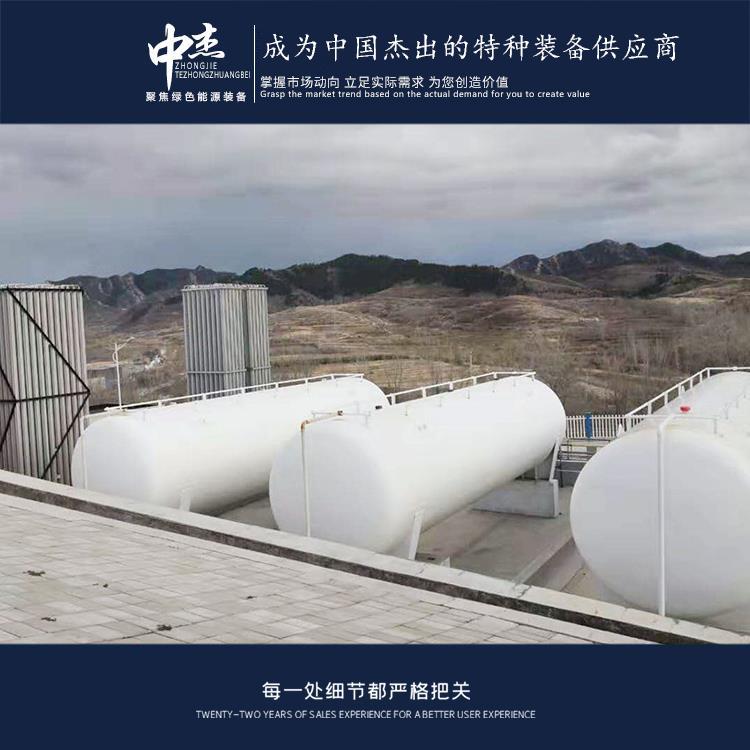

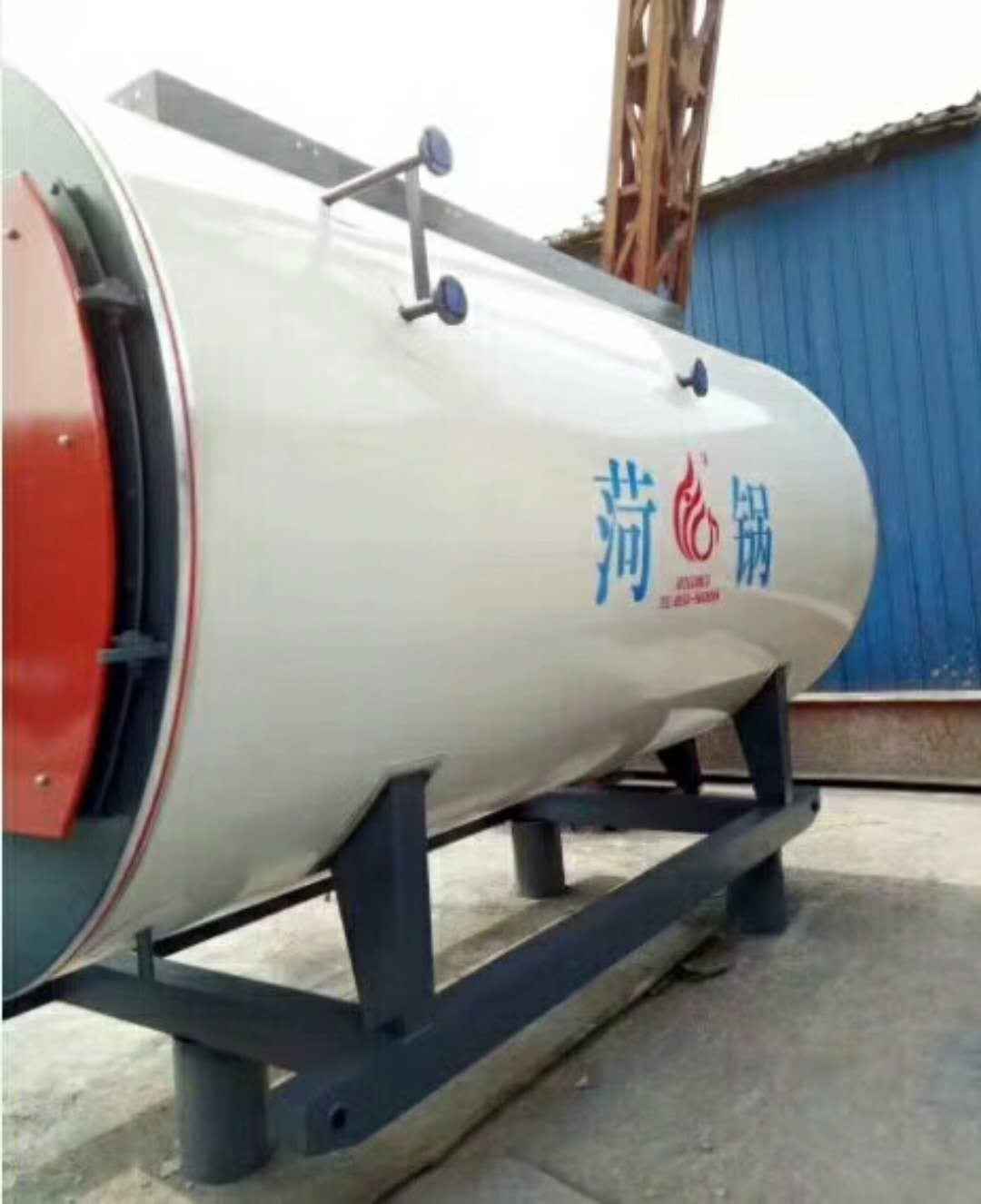


















Shandong Zhongjie Special Equipment's main products include: fuel (gas) boilers, organic heat carrier boilers, biomass boilers, waste heat boilers, and other boiler products; vacuum insulation cryogenic pressure vessels such as LNG tanks, oxygen-nitrogen-argon tanks, and CO2 tanks; pressure vessel products such as denitrification engineering equipment, heat storage and energy storage equipment, and complete chemical equipment; central air conditioning and ventilation equipment such as ground (water) source heat pumps, air source units, water-cooled screw units, and air-cooled modules. Planned products include large-scale energy centers, LNG transport vehicles, LNG tank containers, and other green energy equipment.
Carbon dioxide storage tanks offer several advantages:
- High storage density: These tanks can compress carbon dioxide gas into a liquid state, significantly increasing storage density. Compared to storing it as a gas, liquid carbon dioxide can be stored in a smaller tank, saving space and costs.
- Multiple application fields: Carbon dioxide storage tanks are widely used in various industries, including food and beverage, industrial, fire suppression, and gas supply. Carbon dioxide serves as a preservative, carbonation agent, gas, and extinguishing agent, with broad applications and market demand.
- Environmental and renewable: Carbon dioxide is an environmentally friendly gas, and its increased concentration in the atmosphere can lead to warming and climate change. By storing and utilizing carbon dioxide, we can reduce its emissions into the atmosphere, achieving environmental protection and sustainable development.
- Safe and reliable: During design and manufacturing, carbon dioxide storage tanks typically use high-strength materials (such as carbon steel or stainless steel) with excellent pressure resistance and safety. The tanks are usually equipped with safety valves, pressure gauges, level indicators, and other accessories to ensure safe operation. Additionally, carbon dioxide is a non-flammable and non-explosive gas, making it relatively safe.
- Supply: These tanks provide a stable supply of carbon dioxide. Through tank design and control systems, precise measurement and supply of carbon dioxide can be achieved, meeting the needs of various industries and applications.
These advantages make carbon dioxide storage tanks an important storage and supply equipment, widely used in multiple industries. However, it is still necessary to follow relevant safety operation procedures and standards when using carbon dioxide storage tanks to ensure safe operation and use.
When using CO2 storage tanks, be mindful of the following aspects:
Safety Operation: Adhere to relevant safety operation procedures and standards, ensuring operators possess necessary safety knowledge and skills. When using the tank, be vigilant against risks such as leaks, explosions, and fires.
Pressure Control: Monitor and control the tank's pressure to ensure it remains within a safe range. Avoid exceeding the tank's rated pressure to prevent破裂 or leakage.
Level Monitoring: Regularly monitor the liquid level inside the tank to ensure sufficient CO2. Avoid overfilling or underfilling to maintain an appropriate level.
Static Electricity Measures: Implement anti-static measures to prevent static buildup and discharge. Use anti-static equipment and tools to ensure static safety during operations.
Tank Maintenance: Regularly inspect and maintain the tank, including appearance, valves, and fittings. Ensure the tank remains intact to prevent leaks and damage.
Waste Gas Treatment: Handle the waste gases produced by CO2 storage tanks to avoid environmental pollution. Take appropriate waste gas treatment measures, such as collecting and processing the waste gases.
Storage Records: Keep records of the tank's usage, including filling dates, quantities, and inspection records. Regularly conduct tank inspections and maintenance, and retain relevant records.
Training and Awareness: Train operators to enhance their awareness and ability to safely operate CO2 tanks. Conduct regular safety training and drills to prepare for emergencies.
Note that the above are common precautions; specific considerations may vary depending on tank types and applications. When using CO2 storage tanks, operate according to relevant specifications and standards, and consult with experts to ensure safety and effectiveness.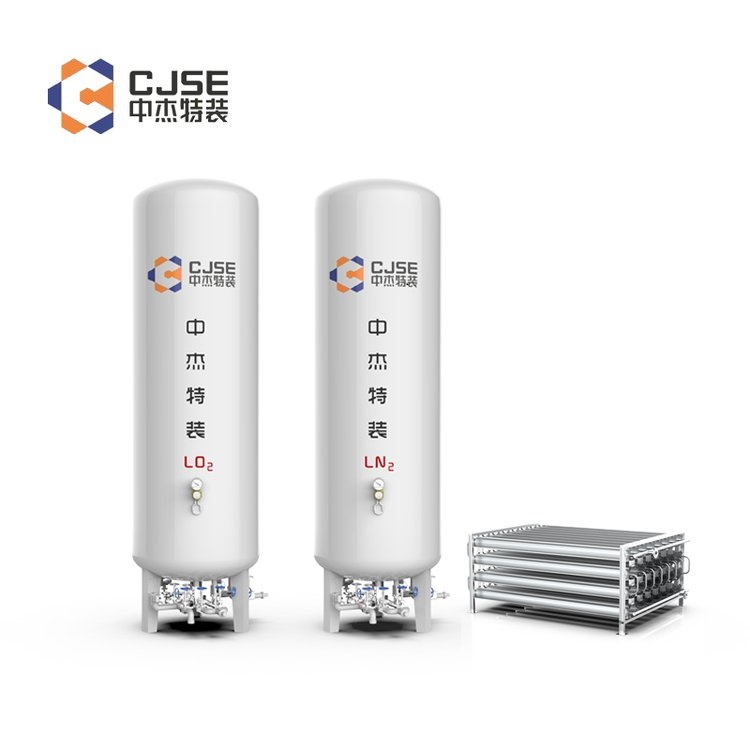
When conducting routine inspections of carbon dioxide storage tanks, follow these steps:
Visual Inspection: Check for any obvious damage, corrosion, or oil leakage on the tank's exterior. Pay attention to any abnormalities in the tank shell, valves, and pipe connections.
Valve and Pipe Inspection: Verify that the tank's inlet and outlet valves and pipe connections are functioning properly and for any signs of leakage or loose fittings. Ensure valves operate smoothly and reliably.
Pressure Relief Device Inspection: Check that the tank's pressure relief devices (such as safety valves) are operating correctly. Confirm that the set pressure of the relief devices meets requirements.
Level Measurement System Inspection: Assess the accuracy and reliability of the level measurement system. Calibrate the level sensors to ensure accurate level readings.
Pressure and Temperature Inspection: Check that the tank's pressure and temperature sensors are functioning properly. Verify the accuracy of the pressure and temperature measurements.
Safety Equipment Inspection: Examine the tank's safety equipment, such as safety valves, pressure sensors, and temperature sensors, to ensure they are working correctly. Confirm that their set parameters meet requirements.
Fire Protection Equipment Inspection: Ensure that the fire protection equipment around the tank is intact and check that fire extinguishers, sprinkler systems, etc., are operating properly.
Liquid and Gas Quality Inspection: Confirm that the quality of the carbon dioxide liquid and gas in the tank meets requirements, with no impurities or contaminants.
Documentation and Reporting: Record the date of the inspection, the contents of the inspection, any issues found, and the measures taken. Submit inspection reports to relevant departments or management as needed.
The above are general steps for routine inspections of carbon dioxide storage tanks. Specific operations should be tailored to the tank's characteristics and requirements. When conducting inspections, follow relevant safety operating procedures and have trained personnel perform the operations.
The cooling process for carbon dioxide storage tanks can vary depending on specific application requirements and process design. Here is an example of a general cooling process for carbon dioxide storage tanks: Initial cooling: When carbon dioxide enters the tank, it is typically cooled initially to lower its temperature. This can be achieved by passing the carbon dioxide through a condenser or cooler. The cooling medium can be cold water or refrigerant. Tank cooling: After carbon dioxide enters the tank, it is necessary to continue cooling the tank itself to maintain the liquid state of the carbon dioxide. This can be done by setting up coolers or cooling pipes externally to the tank and circulating the cooling medium (such as cold water or refrigerant). Temperature control: During the tank cooling process, the temperature inside the tank needs to be controlled to ensure that the carbon dioxide remains within an appropriate temperature range. This can be achieved through temperature sensors and control systems that automatically adjust based on the set temperature range. Insulation: To reduce heat transfer and energy loss, the tank is usually insulated. This can be done by setting up insulating materials (such as polyurethane foam or glass wool) externally to the tank to reduce heat conduction. Regular inspection and maintenance: In the cooling process of the tank, regular inspection and maintenance of cooling equipment and insulating materials are required to ensure their proper operation and effectiveness. This includes cleaning coolers, checking the integrity and effectiveness of insulating materials, etc. It should be noted that the specific cooling process for carbon dioxide storage tanks may vary due to different application scenarios and process requirements. In actual practice, process design and operation should be based on specific conditions to ensure the safety and performance of the tank. Consult with engineers or storage experts.
Shandong Zhongjie Special Equipment, welcome customers to our factory for cooperation discussions.
WeChat Official Account

Scan to follow Official Account



















