


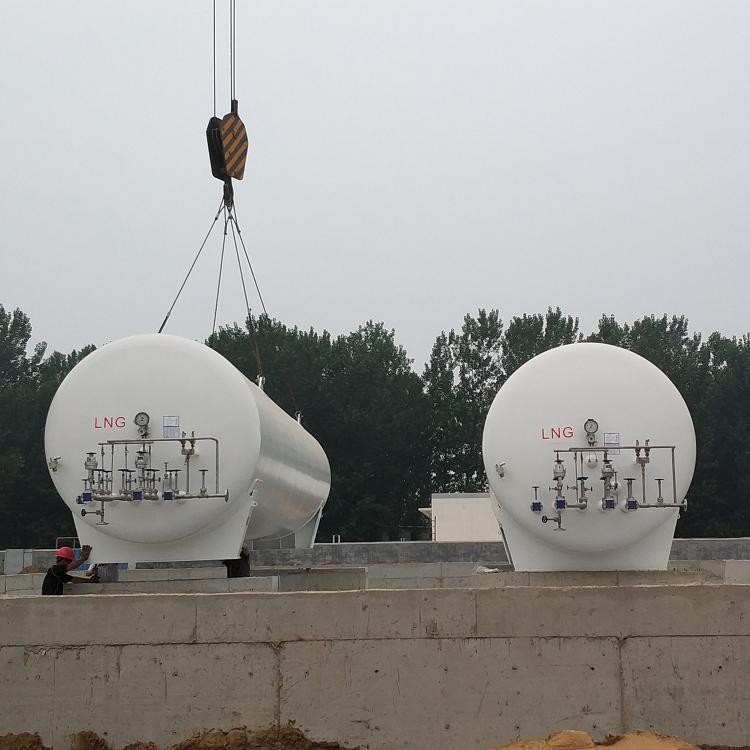

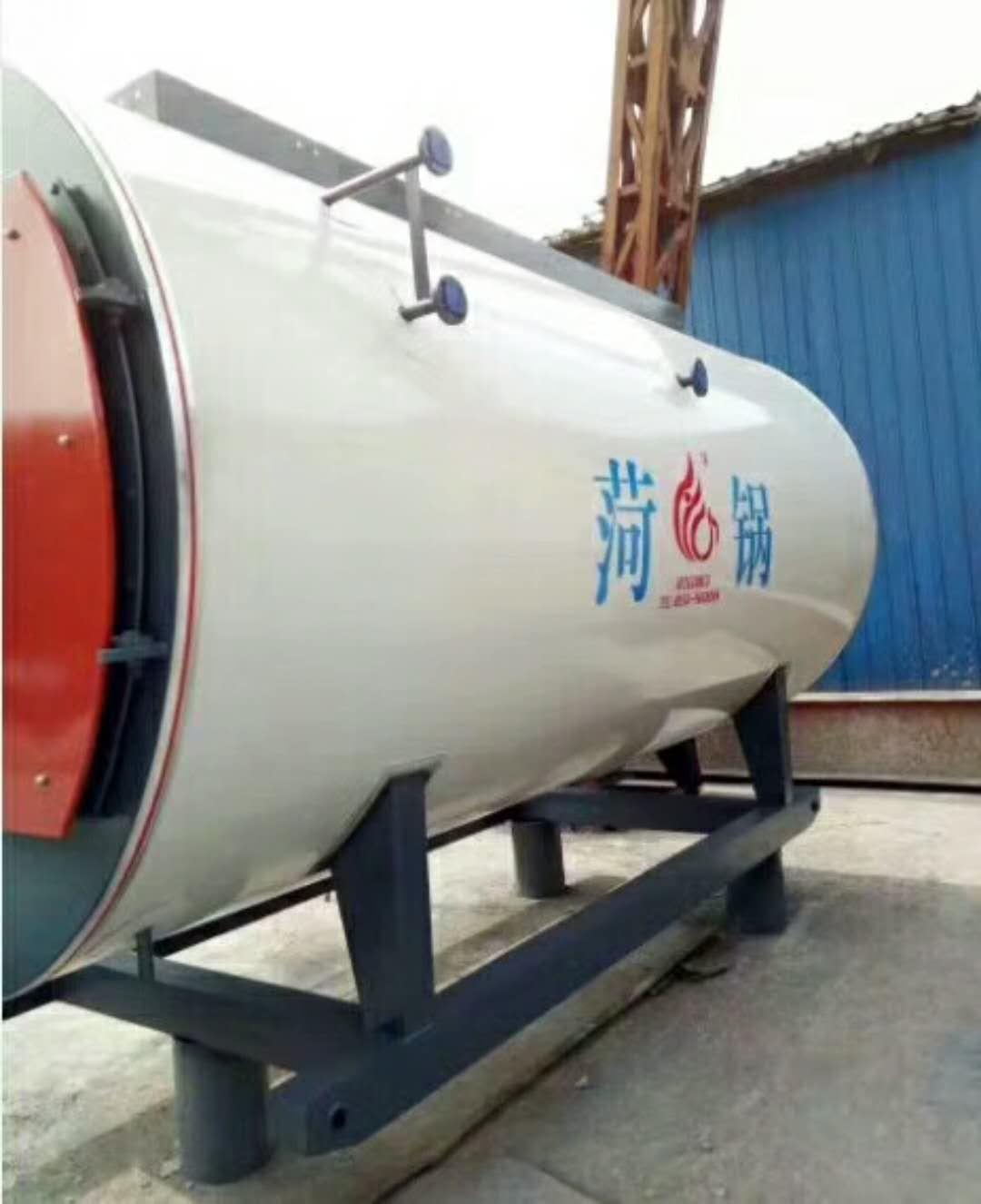


















Shandong Zhongjie Special Equipment (formerly Heze Boiler Factory Co., Ltd.) was established in 2001, located at No. 2218 Jinnan Road, Economic and Technological Development Zone, Heze City. With a registered capital of 50 million yuan and total assets of 500 million yuan, the company has seven business centers: boilers, deep-freeze containers, pressure vessels, central air conditioning, engineering installation, international trade, and the Internet of Things. It has three factory sites on Jinnan Road, East Changjiang Road, and Bohai Road, covering a total area of 200,000 square meters, with the main workshop spanning 83,000 square meters. The company currently employs 710 people, including 247 engineering and technical staff and 82 intermediate-level technical personnel. In December 2016, it was recognized as a "High-tech Enterprise" by the Science and Technology Department. In June 2021, it was identified as a "Specialized and New Enterprise in Shandong Province" by the Ministry of Industry and Information Technology. In June 2022, it was recognized as a "Gazelle Enterprise in Shandong Province" and in August 2022, as a "Specialized and New Small Giant Enterprise" by the Ministry of Industry and Information Technology.
Daily inspections of liquid nitrogen tanks should include the following aspects:
Level Check: Regularly inspect the liquid nitrogen tank's level to ensure it remains within the normal range. This can be done using a level gauge or a level scale, among other equipment.
Pressure Check: Inspect the tank's pressure to ensure it is within the safe range. Pressure gauges or pressure sensors can be used for the inspection.
Insulation Layer Inspection: Verify that the tank's insulation layer is intact with no damage or detachment. The integrity of the insulation layer is crucial for reducing heat transfer and preventing evaporation of liquid nitrogen.
Leak Inspection: Check for signs of liquid nitrogen leakage around the storage tank, such as vapor mist, frost, or freezing. If a leak is detected, take immediate action to repair it.
Valve and pipeline inspection: Verify that the tank's valves and pipelines are functioning properly without any gas leaks or blockages. Ensure the valves and pipelines are sealed and unobstructed.
Safety Device Inspection: Check the storage tank's safety devices, such as pressure relief valves, temperature sensors, and level alarms, to ensure they are functioning properly.
External Tank Cleaning: Regularly clean the exterior surface of the tank to remove dust, grime, and debris. Maintain the tank's appearance for easy inspection and maintenance.
Tank Records and Documentation: Timely record the inspection results and maintenance records of the tanks, including liquid levels, pressure, insulation status, and leakage conditions. These records aid in monitoring the tank's operational condition and promptly identifying issues.
The above details the routine inspections for liquid nitrogen tanks. Regularly performing these checks ensures the safe and efficient operation of the tanks. Additionally, adhere to relevant safety regulations and operational guidelines to ensure the safety of personnel and equipment.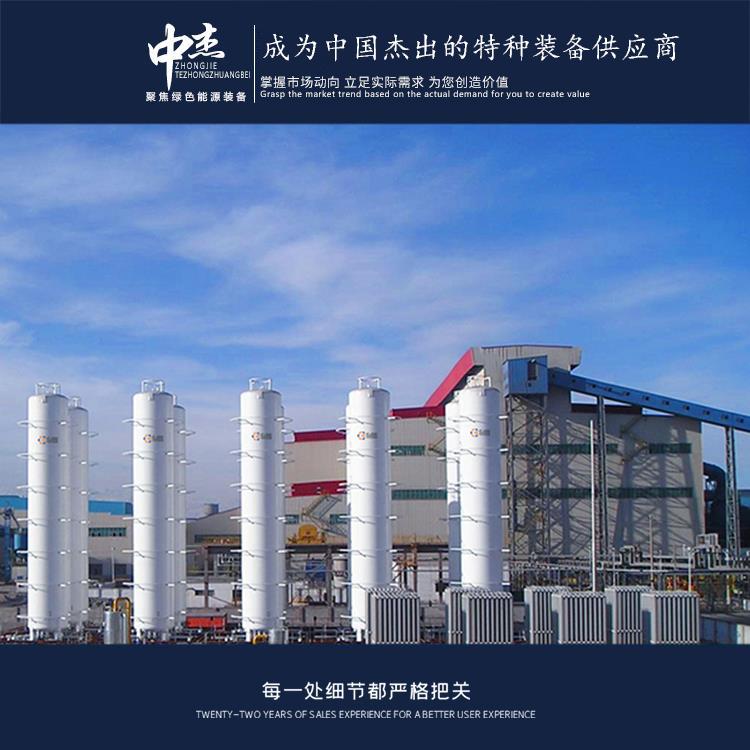
Protective techniques for liquid nitrogen tanks include the following:
Wear protective gear: When operating liquid nitrogen tanks, it is mandatory to wear appropriate protective gear, including gloves, protective clothing, and non-slip shoes. This gear protects the skin from the low temperatures of liquid nitrogen and other hazards.
Avoid direct contact: Liquid nitrogen is extremely cold and can cause frostbite. Therefore, it is essential to avoid direct contact with liquid nitrogen, especially with the skin. Use tools or utensils for handling to prevent direct hand contact with liquid nitrogen.
Note ventilation: In the operational area of the liquid nitrogen tank, adequate ventilation must be ensured to expel gases produced by the evaporation of liquid nitrogen. Maintain air circulation to avoid excessive oxygen concentration, and reduce the risk of fire and explosion.
Prevent Leaks: Regularly inspect the liquid nitrogen storage tank for leaks and equip with leak detectors and alarm systems. In case of a leak, take immediate action to control and repair it. Avoid harm to personnel and the environment caused by the leakage of liquid nitrogen.
Fire Prevention Measures: Liquid nitrogen has a low boiling and freezing point, which is prone to cause fires. To prevent and contain fires, fire walls and fire-retardant coatings should be installed around liquid nitrogen storage tanks.
Static Protection: The accumulation of static electricity in liquid nitrogen tanks may cause sparks, increasing the risk of fire. Measures such as using static-conductive materials and anti-static equipment should be taken to reduce the accumulation and release of static electricity.
Regular inspections and maintenance: Conduct regular checks on the condition of liquid nitrogen storage tanks and related equipment, including valves, pipes, pressure gauges, etc. Ensure that the equipment is in good working order and promptly repair or replace any damaged parts.
Waste Gas Treatment: Liquid nitrogen tanks produce waste gas during operation, and appropriate waste gas treatment measures must be taken.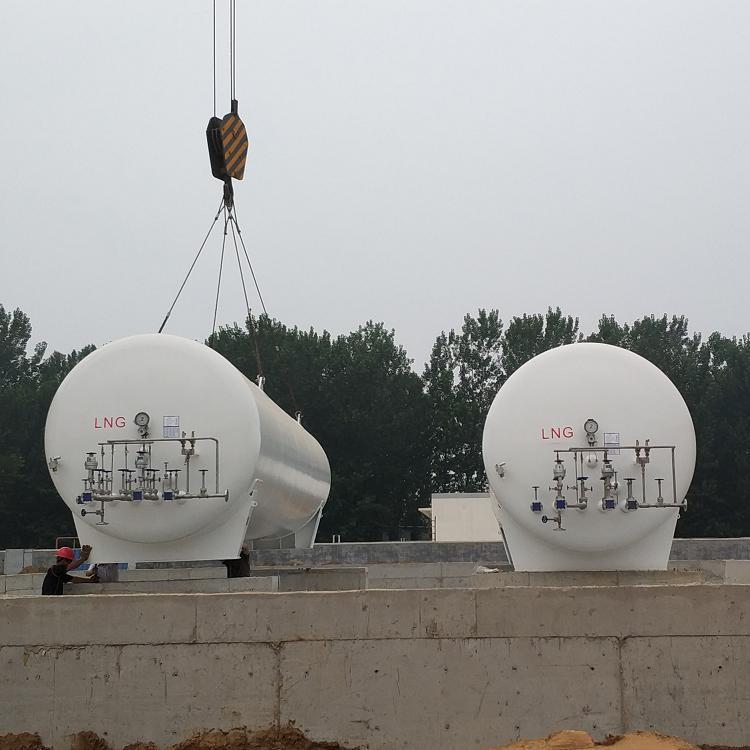
Standard parameters for liquid oxygen storage tanks typically include:
Capacity: The capacity of liquid oxygen tanks is typically expressed in liters or cubic meters, with common ranges varying from a few liters to several thousand liters.
Working Pressure: The working pressure of liquid oxygen tanks is typically expressed in MPa (megapascals) or bar, with a common working pressure range varying from 0.2 MPa to 2.5 MPa.
Design Temperature: The design temperature for liquid oxygen storage tanks is typically expressed in degrees Celsius, with a common range varying from -196°C to -150°C.
Material: The primary material for liquid oxygen storage tanks is typically stainless steel, which boasts excellent corrosion resistance and low-temperature performance.
Insulation Layer: Liquid oxygen tanks are typically equipped with an insulation layer to reduce evaporation losses of liquid oxygen. The materials for the insulation layer are usually multi-layer composite materials or foam glass.
Safety Valve: Liquid oxygen storage tanks must be equipped with a safety valve to control internal pressure within the tank and prevent it from bursting due to excessive pressure.
Leak detectors: Liquid oxygen storage tanks are typically equipped with leak detectors to promptly detect and alert for any leaks in liquid oxygen.
Appearance Design: The appearance design of liquid oxygen storage tanks generally complies with relevant standards and regulations, including exterior color, markings, and safety warning signs.
It's important to note that the specific parameters of liquid oxygen tanks may vary depending on different manufacturers and application requirements; the above information merely represents general common standard parameters. In actual use, select the appropriate liquid oxygen tank based on the specific circumstances.
Routine inspections of liquid nitrogen storage tanks involve regular checks and maintenance to ensure safe operation and effective use. Here's a common-sense introduction to the inspections of liquid nitrogen storage tanks:
Appearance Inspection: Regularly inspect the tank's appearance, including the tank body, insulation layer, valves, and pipes, etc. Note any cracks, corrosion, wear, or other damage. Also, check if the insulation layer is intact with no damage or shedding.
Level Inspection: Regularly check the liquid nitrogen tank's level to ensure it is within the normal range. This can be done using a level gauge or a level ruler, among other equipment.
Pressure Check: Inspect the tank's pressure to ensure it is within the safe range. Pressure gauges or pressure sensors can be used for the check.
Leak Inspection: Check for signs of liquid nitrogen leakage around the storage tank, such as vapor mist, frost, or freezing. If leakage is detected, take immediate measures to repair it.
Valve and Pipeline Inspection: Verify that the valves and pipelines of the storage tank are functioning properly without any gas leaks or blockages. Ensure the tightness and unobstructed flow of the valves and pipelines.
Safety Device Inspection: Examine the safety devices of the storage tank, such as pressure relief valves, temperature sensors, and level alarms, to ensure they are functioning properly.
Maintenance Records: Timely record the inspection results and maintenance records of the tank, including liquid level, pressure, insulation status, leakage conditions, etc. These records help monitor the tank's operating conditions and identify issues promptly.
Note that inspections of liquid nitrogen tanks must comply with relevant safety regulations and operating guidelines. Liquid nitrogen is highly flammable at low temperatures, so operators must wear appropriate personal protective equipment and ensure there are no ignition sources in the operating environment. Regular inspections help identify issues promptly and allow for timely repairs, ensuring safe and efficient operation of the tank.
Zhongjie Special Equipment upholds the grand vision of "realizing employees' dreams, creating value for customers, and striving for the prosperity and strength of our motherland," focusing solely on the development of green energy equipment, and dedicating high-value products and services to society!
WeChat Official Account

Scan to follow Official Account



















