


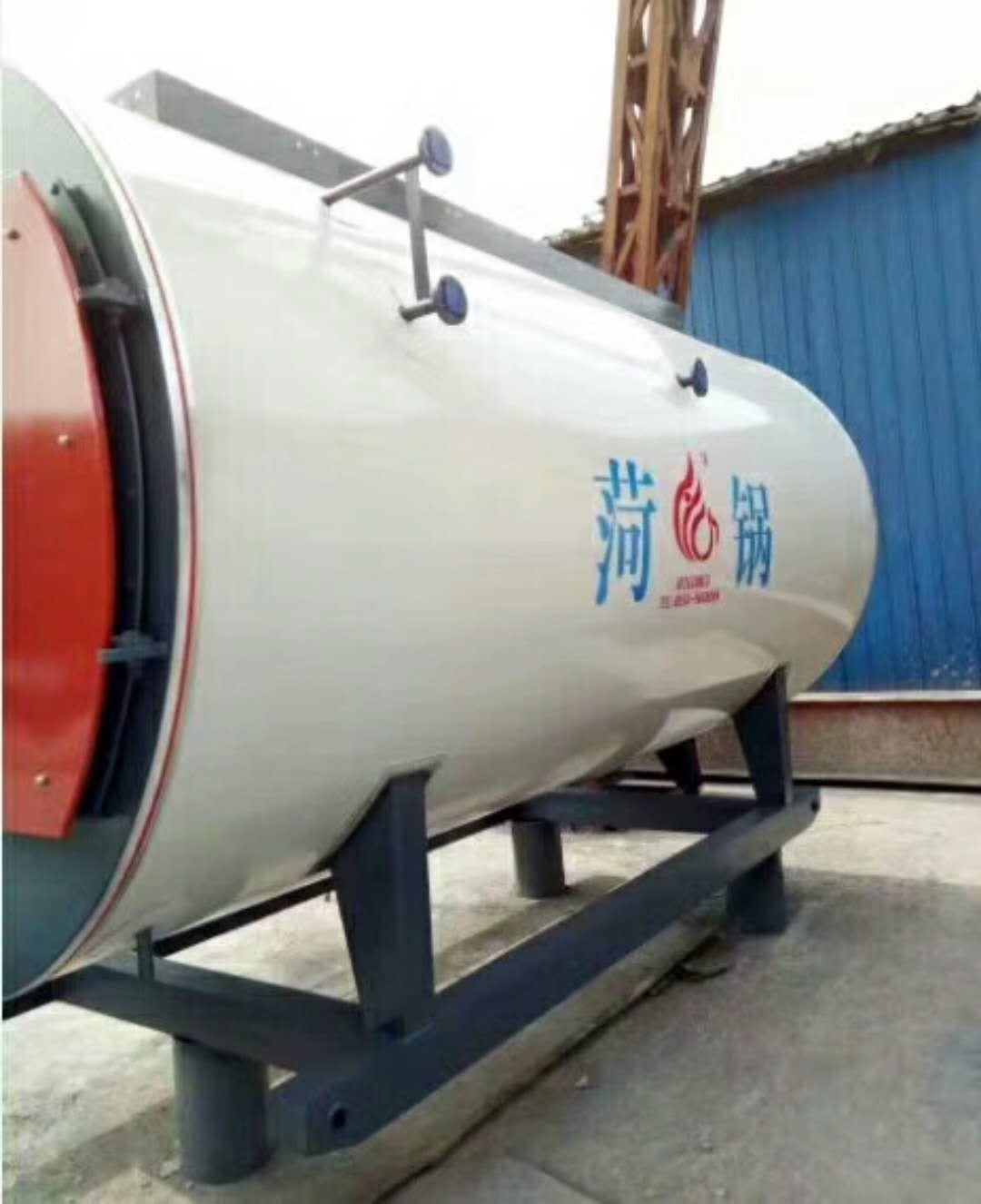

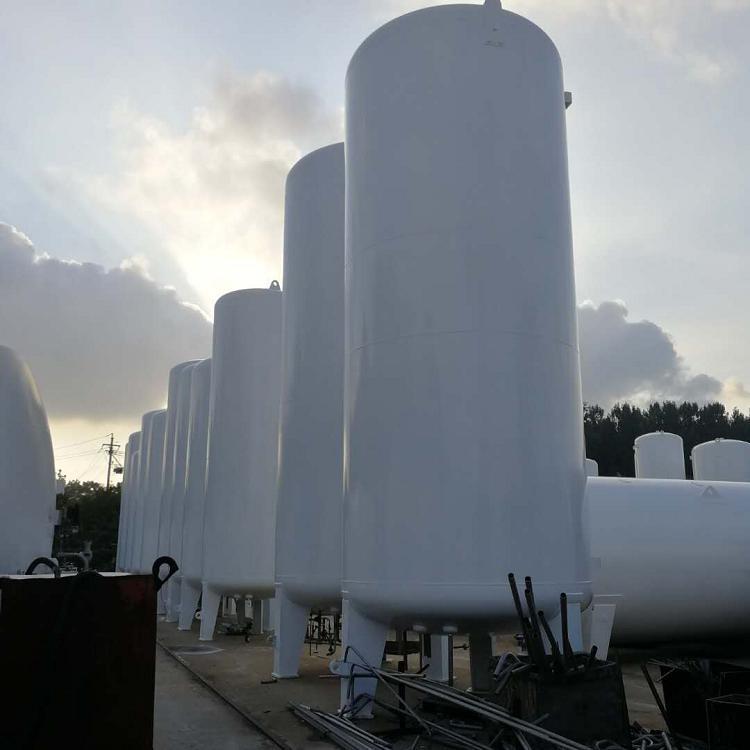
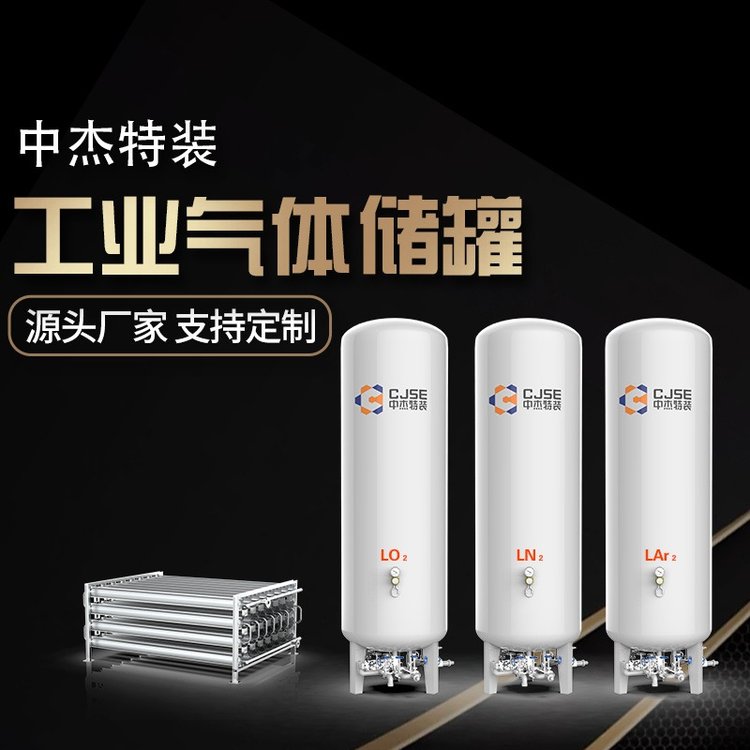


















Shandong Zhongjie Special Equipment (formerly Heze Boiler Factory Co., Ltd.) was established in 2001, located at No. 2218 Jinnan Road, Development Zone, Heze City, with a registered capital of 50 million yuan and total assets of 500 million yuan. The company has 7 business centers: boilers, deep-freezing containers, pressure vessels, central air conditioning, engineering installation, international trade, and Internet of Things. It has three factory sites on Jinnan Road, East Changjiang Road, and Bohai Road, covering a total area of 200,000 square meters, with the main workshop spanning 83,000 square meters. It currently employs 710 people, including 247 engineers and technicians and 82 intermediate-level technical personnel. In December 2016, it was recognized as a "High-tech Enterprise" by the Science and Technology Department. In June 2021, it was identified as a "Specialized and New Enterprise in Shandong Province" by the Department of Industry and Information Technology. In June 2022, it was recognized as a "Gazelle Enterprise in Shandong Province" and in August 2022, it was identified as a "Specialized and New Small Giant Enterprise" by the Ministry of Industry and Information Technology.
Carbon dioxide (CO2) and liquid oxygen (LOX) storage tanks are equipment used for storing different gases, with some differences in their physical properties:
- Physical State: CO2 is a gas at room temperature and requires low temperatures and high pressures to become liquid. LOX is a liquid at room temperature and can maintain its liquid state without special conditions.
- Storage Temperature: The liquid CO2 storage temperature is typically between -40°C and -78.5°C, while the liquid oxygen storage temperature is usually between -183°C and -183.15°C. The storage temperature for LOX is lower and requires more stringent insulation measures.
- Storage Pressure: The liquid CO2 storage pressure is generally between 5-20 MPa, while the liquid oxygen storage pressure is typically between 0.2-2 MPa. The storage pressure for LOX is lower.
- Density: The density of liquid CO2 is approximately 0.8 g/cm³, while the density of liquid oxygen is about 1.14 g/cm³. The density of liquid oxygen is higher.
- Safety: LOX has a high oxygen content, making it highly flammable and oxidizing, necessitating stricter safety measures. CO2 is relatively safe but can still pose health risks at high concentrations.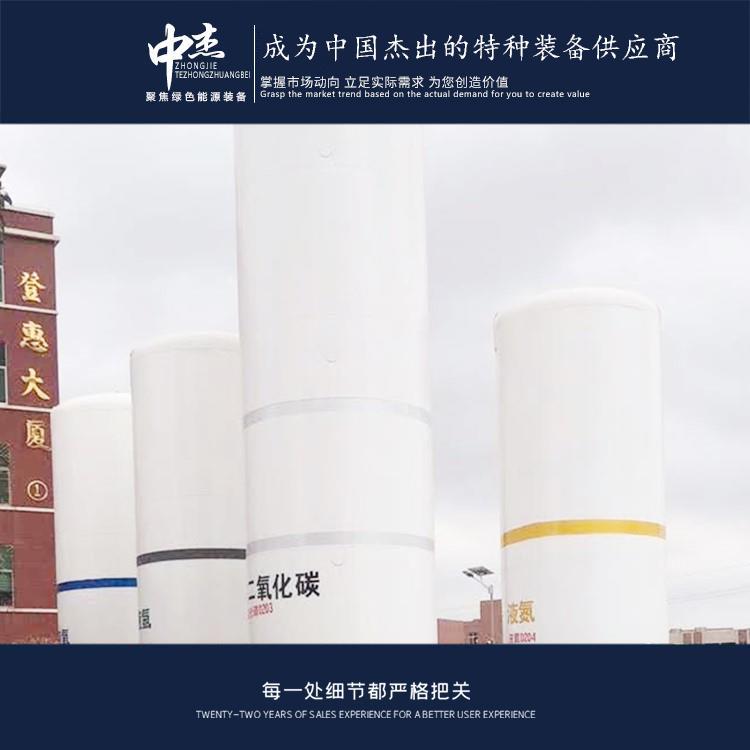
Carbon Dioxide Applications in the New Energy Field
Carbon Capture and Storage (CCS): CCS is a technology to reduce carbon dioxide emissions by capturing CO2 from industrial sources and storing it in underground reservoirs, preventing its release into the atmosphere. This helps in reducing greenhouse gas emissions and mitigating climate change.
Carbon Utilization: CO2 can be utilized to produce valuable chemicals and fuels. For instance, through CO2 catalytic conversion technology, CO2 can be converted into fuels like ethanol, serving as both fuel and chemical raw materials. This carbon utilization technique aids in reducing reliance on traditional fossil fuels and promotes the development of sustainable energy.
Carbon Dioxide Batteries: Carbon Dioxide Batteries are a new battery technology that uses CO2 as the electro material. By converting CO2 into electrical energy, these batteries can serve as a sustainable energy storage solution, contributing to the advancement of electric vehicles and renewable energy.
Carbon Dioxide Photocatalysis: This technology utilizes solar energy to convert CO2 into useful chemicals. By using photocatalysts, CO2 and water can be transformed into combustible gases or organic compounds, achieving the resource utilization of CO2.
These applications aim to reduce CO2 emissions, enhance energy efficiency, and promote the development of sustainable energy. However, these technologies are still under development and research, requiring further technical breakthroughs and practical verification.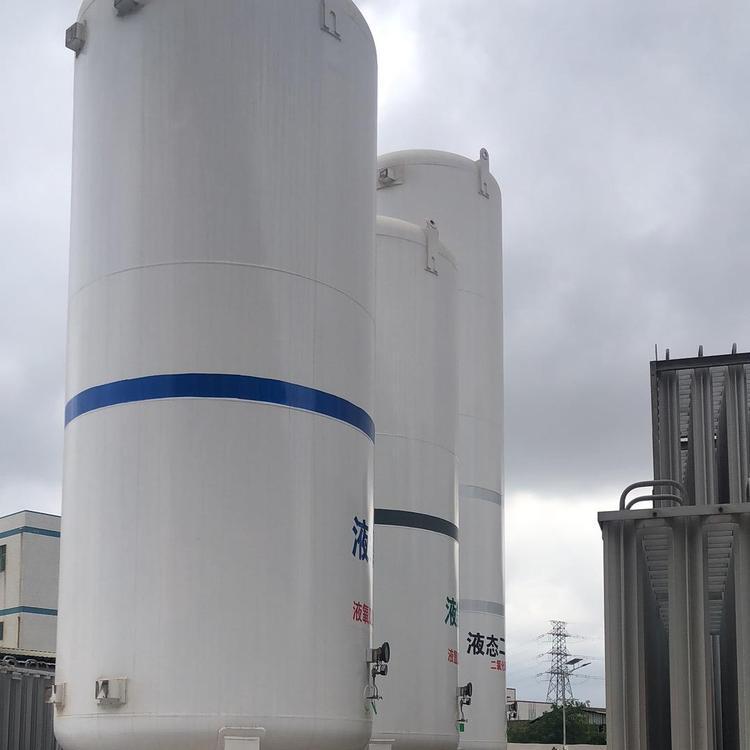
Prior to using the CO2 storage tank, the following preparations must be made:
- Inspect the tank: Check for any visible damage, corrosion, or oil leakage. Ensure the tank's structural integrity and safety.
- Check valves and pipes: Verify that the tank's inlets and outlets, as well as pipe connections, are functioning normally with no leaks or loose fittings. Ensure valve operation is smooth and reliable.
- Inspect safety accessories: Check that safety accessories like relief valves, pressure sensors, and temperature sensors are operating correctly. Confirm that their set parameters meet requirements.
- Check the level measurement system: Assess the accuracy and reliability of the level measurement system. Calibrate the level sensors to ensure accurate level readings.
- Inspect pressure relief devices: Check that the tank's pressure relief devices (such as relief valves) are functioning properly. Verify that the set pressure of the relief devices meets specifications.
- Check gas quality: Ensure the CO2 gas in the tank meets quality standards with no impurities or contaminants.
- Inspect fire protection equipment: Ensure that fire protection equipment around the tank is in good condition and check that fire extinguishers, sprinkler systems, etc., are working correctly.
- Train operators: Operators should receive training on the characteristics, operation requirements, and safety measures of the CO2 storage tank. Training should include safe operation, leak handling, and emergency procedures.
- These preparations ensure the CO2 storage tank is in good condition before use and guarantees the safety and reliability of operation. Follow relevant safety operation procedures during preparation and have qualified personnel handle the operations.
The internal structure of a carbon dioxide storage tank typically includes the following main components: Tank Shell: The tank shell is the primary container for storing carbon dioxide, usually made of carbon steel or stainless steel. It has sufficient strength and密封性 to withstand the pressure and load inside the tank. Lining Layer: To prevent direct contact between carbon dioxide and the tank shell, avoiding corrosion and contamination, the interior of the tank is usually coated with a lining layer. The lining layer is typically made of corrosion-resistant materials such as glass fiber reinforced plastic, polyester resin, etc. Support Structure: To support the weight of the tank and maintain stability, a support structure is usually set up inside the tank. This can include support legs, frames, etc., used to support the bottom and side walls of the tank. Internal Accessories: The tank is also equipped with some important accessories, such as level gauges, pressure sensors, temperature sensors, safety valves, etc. These accessories are used to monitor and control the liquid level, pressure, and temperature inside the tank to ensure safe operation. Pressure Relief Device: To prevent excessive internal pressure in the tank, it is usually equipped with a pressure relief device, such as a safety valve. When the internal pressure of the tank exceeds the set value, the pressure relief device will automatically open to release pressure, protecting the safety of the tank. Inlet and Outlet Pipes: The tank also has inlet and outlet pipes for injecting and discharging carbon dioxide. These pipes are typically connected to the external supply or consumption system to facilitate the storage and use of carbon dioxide. The above is a general description of the internal structure of a carbon dioxide storage tank. The specific structural design and configuration may vary depending on the purpose and specifications of the tank. When using and maintaining the tank, it is necessary to...
Shandong Zhongjie Special Equipment, welcome customers to visit our factory for business discussions.
WeChat Official Account

Scan to follow Official Account



















