


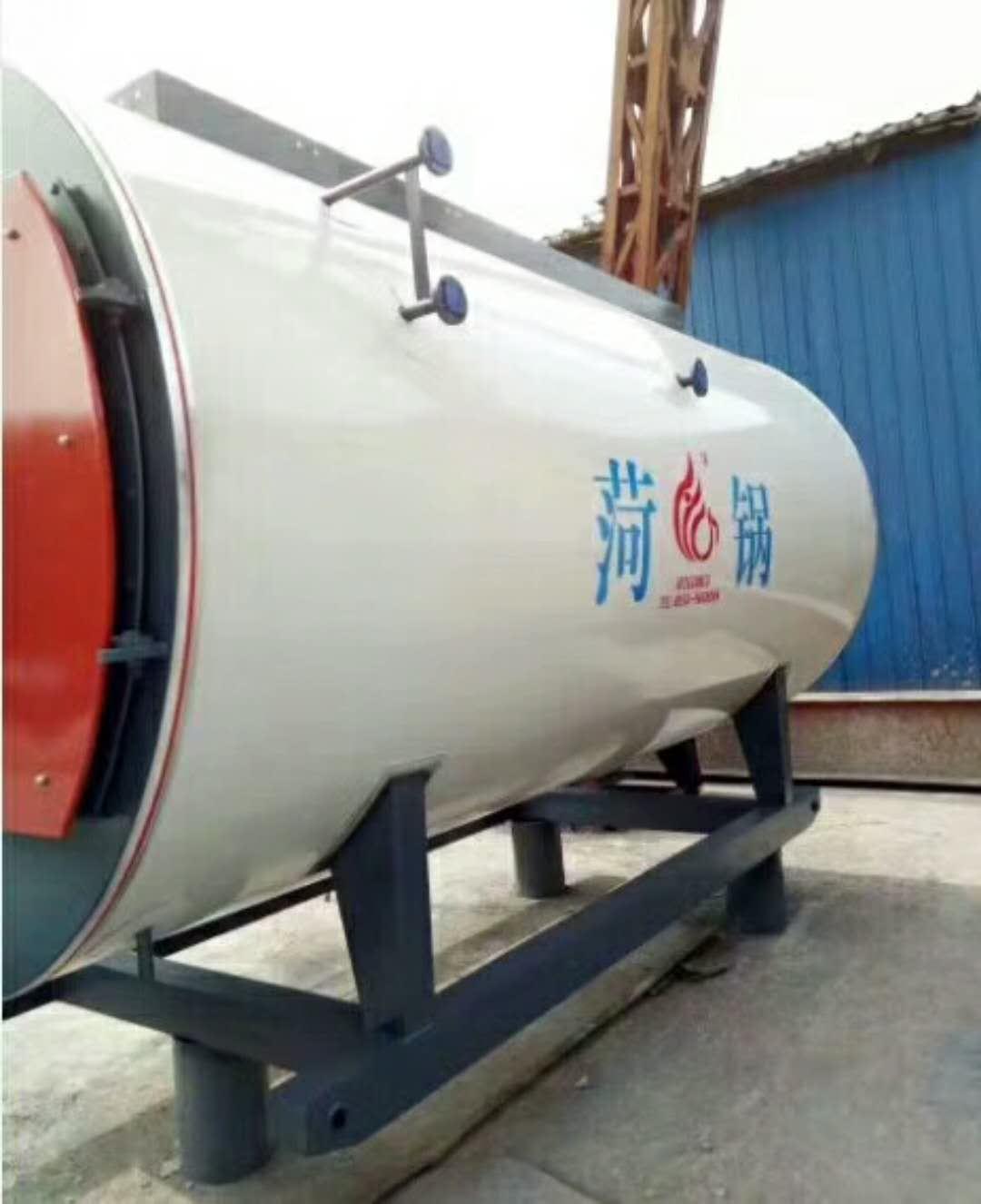

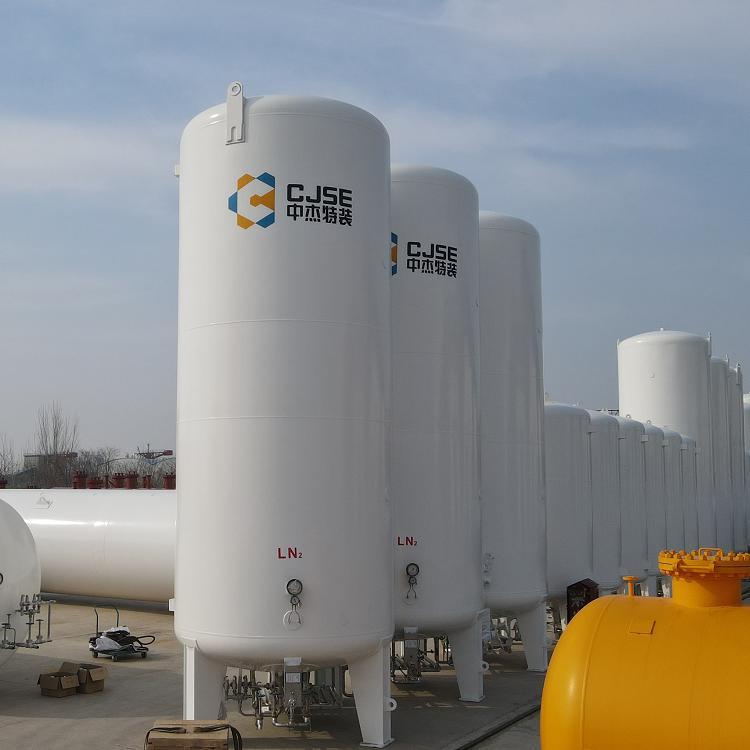
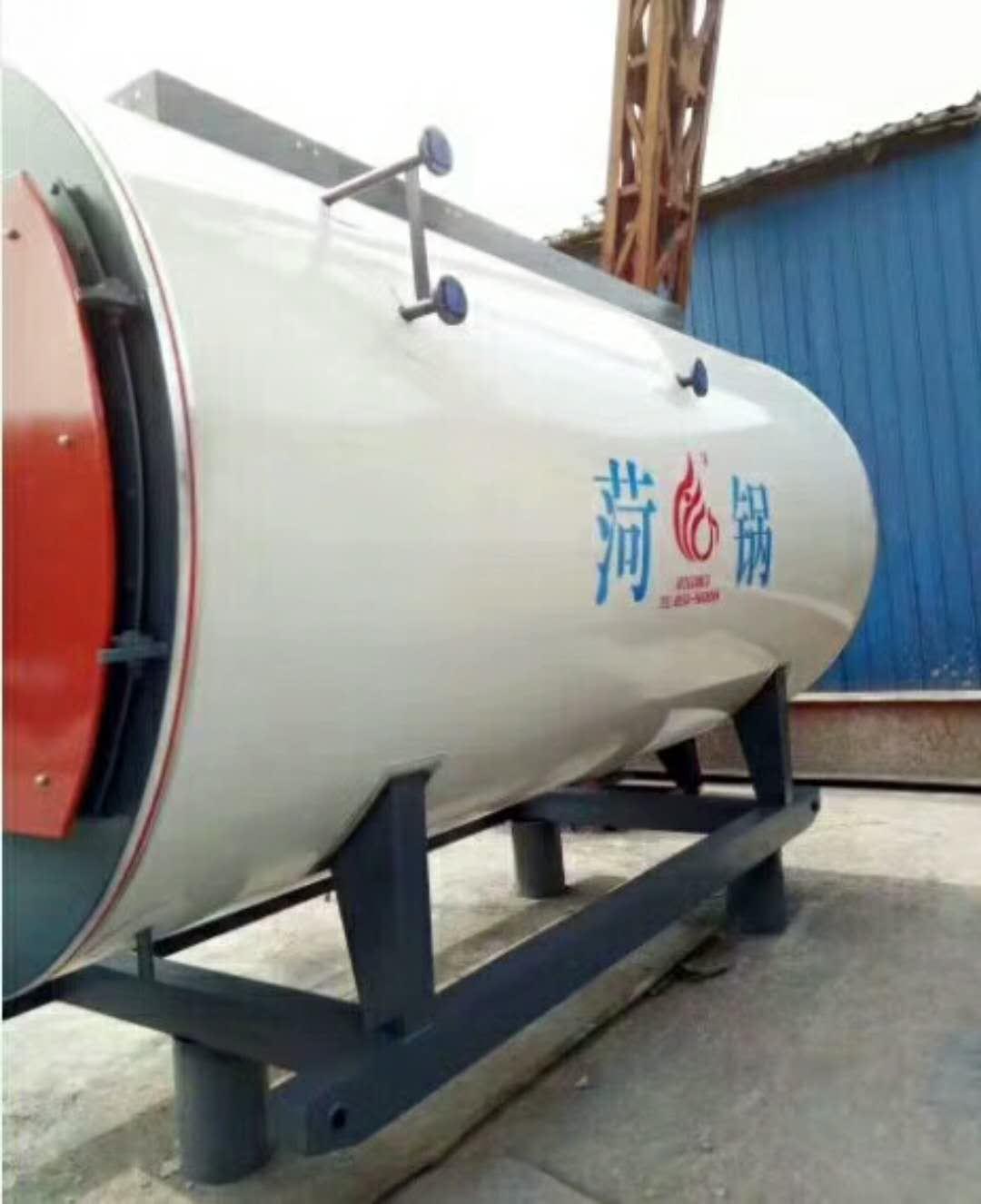


















Shandong Zhongjie Special Equipment (formerly Heze Boiler Factory Co., Ltd.) was established in 2001, located at No. 2218 Jinnan Road, Economic and Technological Development Zone, Heze City. With a registered capital of 50 million yuan and total assets of 500 million yuan, the company operates seven business centers: boilers, deep-freeze containers, pressure vessels, central air conditioning, engineering installation, international trade, and the Internet of Things. It has three factory sites on Jinnan Road, East Changjiang Road, and Bohai Road, covering a total area of 200,000 square meters, with the main workshop spanning 83,000 square meters. It currently employs 710 people, including 247 engineering and technical personnel and 82 middle-level technicians. In December 2016, it was recognized as a "High-tech Enterprise" by the Science and Technology Department. In June 2021, it was identified as a "Specialized and New Enterprise in Shandong Province" by the Department of Industry and Information Technology. In June 2022, it was recognized as a "Gazelle Enterprise in Shandong Province" and in August 2022, as a "Specialized and New Small Giant Enterprise" by the Ministry of Industry and Information Technology.
When selecting welding materials for pressure vessels, several factors should be considered:
Material Matching: The selection of welding materials should match the base material of the pressure vessel to ensure the strength and corrosion resistance of the weld joints. Common material matches include carbon steel welding materials with carbon steel base materials, stainless steel welding materials with stainless steel base materials, etc.
Strength Requirement: Select welding materials with sufficient strength based on the design requirements and working conditions of the pressure vessel. The strength of the welding materials should match the base material to ensure that the strength of the weld joint does not become a weakness of the vessel.
Corrosion Resistance: Select welding materials with good corrosion resistance based on the working environment and medium of the pressure vessel. For instance, pressure vessels operating in corrosive media may require the use of stainless steel welding materials with enhanced corrosion resistance.
Welding Performance: The choice of welding material should consider its welding properties, including penetration depth, weld bead shape, crack resistance, etc. The selection of welding material should meet the requirements of the welding process and ensure the quality of the weld joint.
Relative Standards and Regulations: When selecting welding materials, refer to relevant standards and regulations such as the ASME Boiler and Pressure Vessel Code, AWS (American Welding Society) standards, etc. These standards and regulations provide guidance and requirements for the selection of welding materials.
It should be noted that the selection of welding materials should be made by a welding engineer or a qualified welder. They can choose the appropriate materials based on specific application requirements, working conditions, and safety standards, in conjunction with relevant specifications. Additionally, manufacturers and suppliers often provide welding material selection advice and technical support.
Proper management regulations for the use of low-temperature liquid storage tanks encompass the following aspects:
Tank Selection and Installation: Choose an appropriate low-temperature liquid storage tank and ensure it complies with relevant standards and regulations. The installation of the tank should be carried out by personnel, following the manufacturer's instructions and requirements to ensure stability and safety.
Safety Operating Procedures: Establish and implement safety operating procedures for liquid storage tanks, including start-up, shutdown, filling, and venting procedures. Operators must receive training to understand the characteristics of liquid storage tanks, safety precautions, and emergency response measures.
Safety Equipment and Protection Measures: Tanks should be equipped with necessary safety devices, such as pressure sensors, safety valves, leak detectors, etc., to monitor and control the pressure and temperature of the tank. At the same time, operators should wear appropriate personal protective equipment, such as insulating gloves, protective suits, etc., to ensure their own safety.
Regular Inspections and Maintenance: Conduct regular inspections and maintenance on low-temperature liquid storage tanks, including checking the tank's appearance, sealing, and corrosion prevention measures. In case of any issues, promptly repair or replace the tank to ensure its proper operation and safety.
Waste Management: Abandoned low-temperature liquid storage tanks should be disposed of in accordance with relevant environmental protection regulations. The residual liquids in the abandoned tanks should be handled properly to prevent environmental pollution.
Tank Record and Tracking: Establish tank usage records, including filling dates, filling quantities, usage status, etc. Additionally, it is recommended to set up a tank tracking system for monitoring and managing tank usage and maintenance.
Here are some common management regulations for low-temperature liquid storage tanks. Specific regulations may vary depending on the industry and region. When using low-temperature liquid storage tanks, comply with relevant laws and standards and establish appropriate management measures based on actual conditions.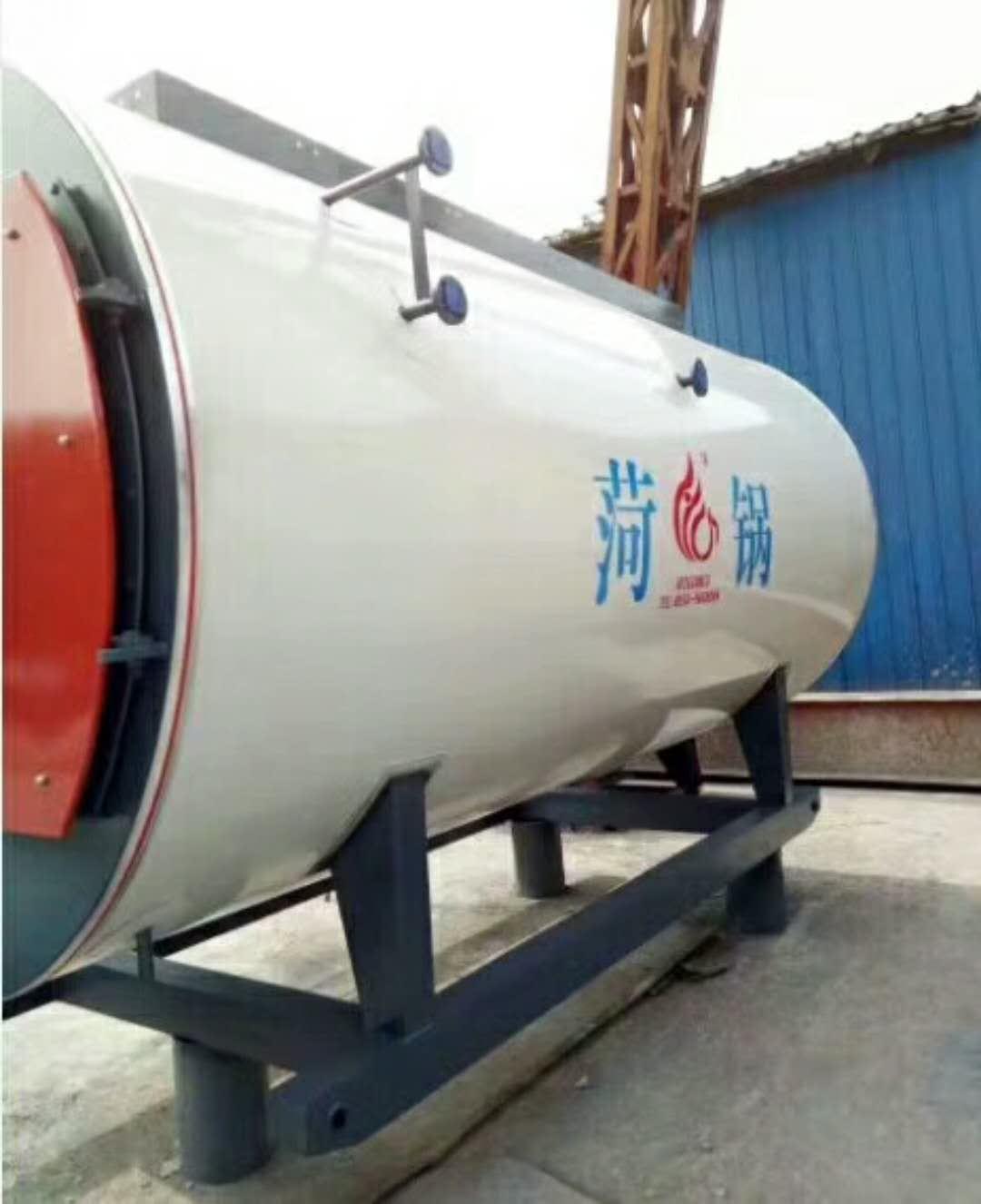
Liquid Argon Storage Tanks are specialized equipment designed for storing liquid argon, featuring the following parameters, functions, and characteristics:
Parameters:
Storage Capacity: The capacity of liquid argon tanks can be customized to meet requirements, typically available in various sizes such as 500L, 1000L, 2000L, and so on.
Working Pressure: The working pressure of liquid argon tanks is typically atmospheric or slightly above atmospheric pressure.
Storage Temperature: The storage temperature for liquid argon tanks is typically -196 degrees Celsius, which is the boiling point of argon, maintaining its liquid state.
Function:
Liquid Argon Storage: Liquid argon tanks are primarily used for storing liquid argon, maintaining its liquid state at low temperatures for supply and usage.
Insulation and Heat Retention: The liquid argon storage tank utilizes advanced insulation materials and structural design to minimize heat conduction and retain heat, maintaining the low-temperature state of the liquid argon.
Safety Control: The liquid argon tank is equipped with safety devices such as pressure relief valves and level alarms to ensure safe operation and use.
Features:
High Purity Supply: Liquid argon tanks offer high purity liquid argon supply to meet application needs such as cryogenic storage, gas shielded welding, semiconductor manufacturing, etc.
Long-term Storage: Liquid argon tanks are designed for long-term storage of liquid argon, extending its service life. By controlling the temperature within the tank and the performance of the insulation layer, the evaporation and oxidation of the liquid argon are slowed down.
Multi-domain Applications: Liquid Argon Storage Tanks are widely used in industries such as industrial, scientific research, including freezing and semiconductor manufacturing.
Eco-friendly Energy-saving: Liquid argon storage tanks ensure effective storage and utilization of liquid argon, reducing energy waste and environmental pollution.
In summary, liquid argon storage tanks are designed for storing liquid argon, thermal insulation, and safety.
To extend the service life of liquid argon storage tanks, the following measures can be taken:
Regular inspections and maintenance: Conduct regular visual inspections of the liquid argon tank, check valves and fittings, and perform leak detection and pressure tests. Identify and repair potential issues promptly to ensure the normal operation of the tank.
Maintain the insulation layer: The insulation is crucial for the thermal preservation of liquid argon tanks. Regularly inspect the integrity and insulating properties of the insulation, repair or replace any damaged insulation material to ensure the tank's insulating effectiveness.
Regulate liquid argon temperature: The temperature of liquid argon should be maintained within an appropriate range to prevent damage to the storage tank from excessive or insufficient temperatures. Employ suitable cooling or heating measures to ensure stable temperature of the liquid argon.
Corrosion Protection: The shell and internal structure of the liquid argon tank should be protected against corrosion and oxidation. Regularly inspect and maintain the protective coating to ensure it remains intact.
Avoid excessive pressure and overfilling: Prevent the internal pressure of the tank from being too high or too low, as well as overfilling with liquid argon. Excessive pressure and overfilling can lead to structural cracks or damage in the tank.
Regular cleaning and waste removal: Regularly clean the interior of the tank to remove accumulated impurities and dirt. Regularly remove waste to prevent杂质 and sediments in liquid argon from damaging the tank.
Safety Operation and Training: Ensure operators are knowledgeable and skilled in the safe handling of liquid argon tanks. Enhance safety training to improve operators' awareness and emergency response capabilities.
Manage records and documents: Establish comprehensive management records and documents, including the usage of tanks, inspection logs, maintenance records, etc. Regularly review and update management records to ensure safe management and maintenance of the tanks.
These measures can help extend the service life of liquid argon storage tanks, but specific operations and management should be tailored to the type and application of the tank. When performing maintenance and operation, please adhere to relevant specifications and standards, and consult with experts to ensure safety and effectiveness.
Our company places great importance on technological innovation and R&D design. We have one municipal-level enterprise technology center in Heze City, equipped with non-destructive testing, physical and chemical testing, welding testing, hydrostatic testing, and other testing facilities. We have over 600 types of equipment, including CNC machine tools, X-ray flaw detectors, digital ultrasonic flaw detectors, mechanical property testing machines, chemical analyzers, spectrometers, tensile testing machines, plasma welding machines, and more. Our key products such as temperature-pressure vessels, biomass boiler emissions reduction, and waste heat utilization have successively been included in multiple Shandong Province Ministry of Industry and Information Technology scientific and technological innovation projects, key provincial projects, and Heze City innovative excellence projects. We have accumulated 27 authorized utility models, 16 authorized inventions, participated in drafting 2 standards, 2 industry standards, and registered 15 trademarks. The technical team, in collaboration with Professor Li Yajiang of Shandong University, has developed deep cryogenic vessel processing technology using the international plasma arc + wire filling tungsten inert gas arc welding (PAW-GTAW) technology, which has reached international standards after provincial-level scientific and technological achievement identification. Choose Zhongjie Special Equipment, let's create brilliance together!
WeChat Official Account

Scan to follow Official Account



















