


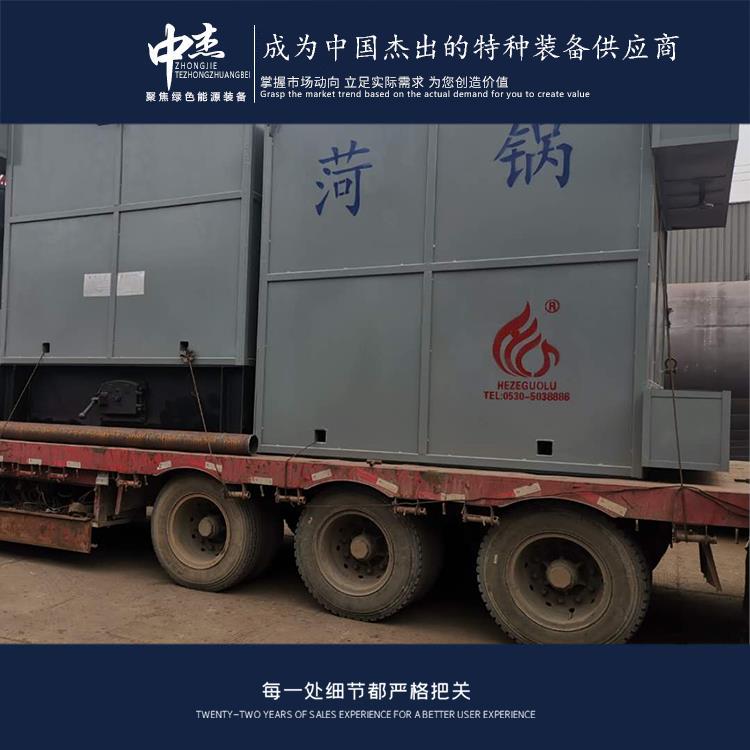



















Shandong Zhongjie Special Equipment (formerly Heze Boiler Factory Co., Ltd.) holds an A-grade boiler manufacturing license, A2-grade pressure vessel manufacturing license, A2-grade pressure vessel design license, B-grade boiler installation, and GB2/Class, GC2/Class pressure pipeline installation licenses, as well as equipment and machinery installation contracting qualifications. It is a member of the China Boiler and Water Treatment Association, the China Chemical Equipment Association, and the Council Unit of the Shandong Equipment Manufacturing Association, and has passed the ISO9001 Quality Management System, ISO14001 Environmental Management System, OHSAS18001 Occupational Health and Safety Management System certifications, and the American ASME/U2 certification.
Switching from a conventional boiler to a gas boiler can significantly enhance energy efficiency and energy-saving effects. Here are some insights into the energy-saving efficiency of switching to a gas boiler: High combustion efficiency: Gas boilers use gas as fuel and typically have higher combustion efficiency. Compared to traditional coal-fired or oil-fired boilers, gas boilers can achieve a higher level of combustion efficiency, reducing energy waste. Low emissions: The exhaust emissions from gas boilers during combustion are relatively low, causing less environmental pollution. The combustion technology and emission control devices used in gas boilers can effectively reduce the emissions of harmful substances such as nitrogen oxides. Fast start-up and shutdown: Gas boilers can start and stop quickly, allowing for flexible adjustments based on actual needs. Compared to coal-fired boilers, gas boilers have shorter start-up and shutdown times, avoiding prolonged preheating and cooling processes, and reducing energy waste. High thermal efficiency: Gas boilers generally have higher thermal efficiency, achieving a higher level of heat energy conversion efficiency. The heat exchange technology and energy-saving design used in gas boilers maximize the utilization of the heat energy from gas, improving heating performance. Intelligent control and management: Gas boilers are usually equipped with intelligent control systems that can automatically adjust operating conditions based on actual needs. Through control and regulation, gas boilers can achieve stable heating and avoid unnecessary energy waste. It is important to note that when switching to a gas boiler, the reliability and safety of the gas supply, as well as the suitability and installation requirements of the gas boiler, should be considered. It is recommended to consult with engineers or relevant agencies before making any modifications.
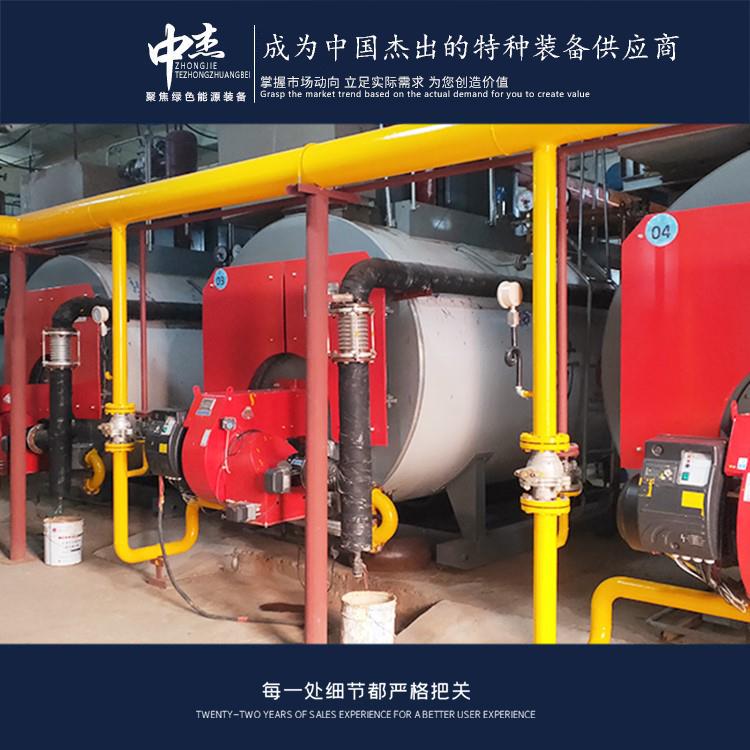
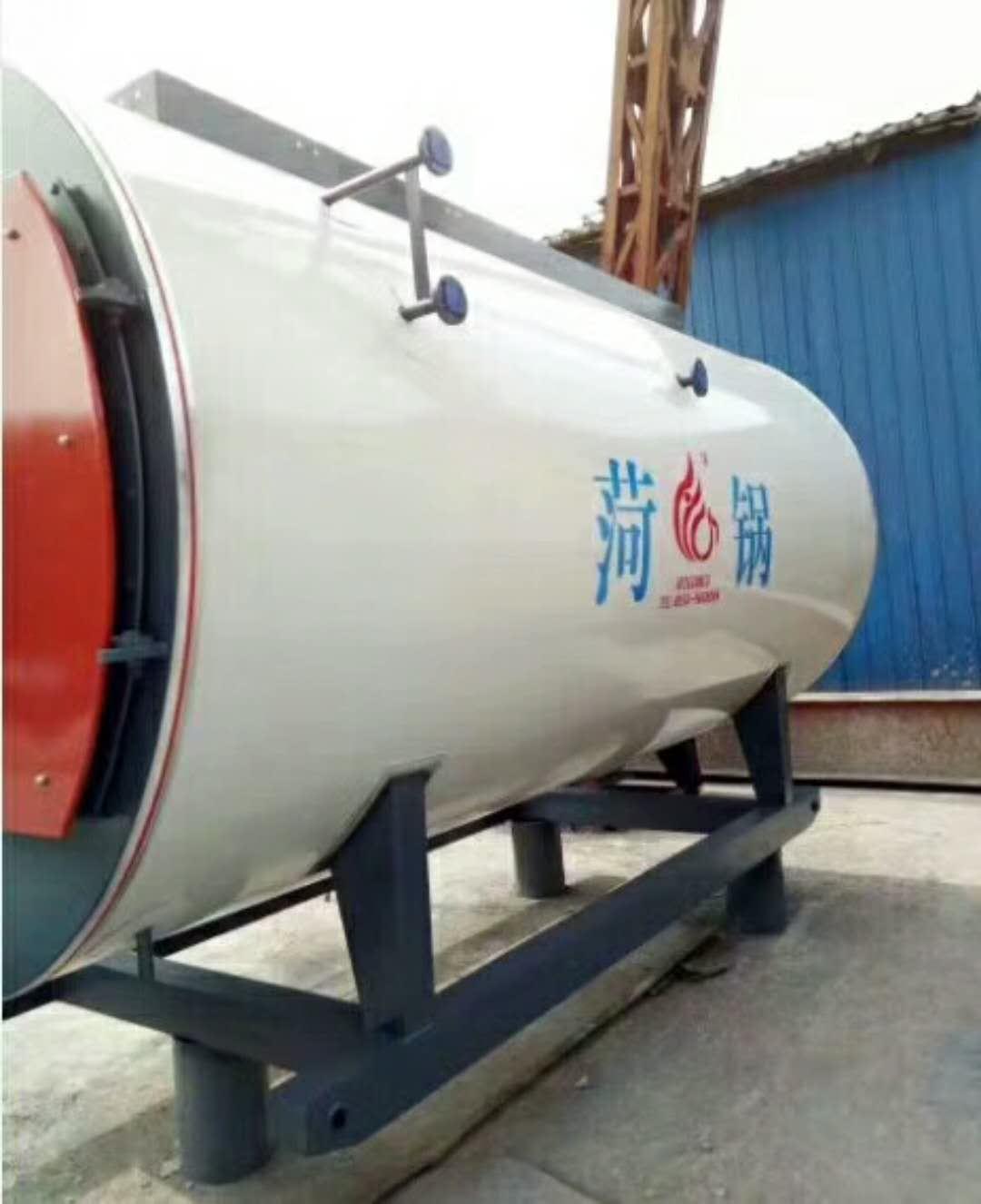
A gas boiler is a type of heating equipment that uses gas or other gaseous fuels. It generates heat by burning gas, heating water into steam or hot water, and is used for heating, hot water supply, or industrial production. The working principle of a gas boiler involves mixing gas with air, igniting it, and producing high-temperature combustion gases, which then transfer heat to the water through a heat exchanger, raising the water temperature. Gas boilers offer advantages such as environmental friendliness and safety, and are widely used in residential, commercial, and industrial applications.
Properly utilizing fuel-gas boilers can enhance energy efficiency and reduce consumption. Here are some suggestions:
1. Select the right boiler model: Choose a suitable fuel-gas boiler model based on actual needs, considering factors like heat load, fuel type, and combustion efficiency.
2. Regular inspection and maintenance: Conduct regular checks and maintenance to ensure the boiler operates smoothly. This includes cleaning burners, inspecting the combustion system, adjusting parameters, and promptly repairing or replacing damaged parts.
3. Control the combustion process: Manage the combustion process to ensure complete, stable, and efficient burning. Adjust parameters like air flow and fuel supply to improve efficiency and reduce waste.
4. Heat recovery: Utilize heat recovery systems to capture and reuse waste heat from flue gases for heating water or other processes, enhancing energy efficiency.
5. Control operating parameters: Adjust boiler operating parameters like water level, pressure, and temperature based on actual needs and conditions to avoid extremes and improve efficiency and safety.
6. Regularly clean heat exchangers: Clean the heat exchangers of fuel-gas boilers regularly to remove dirt and deposits, maintaining heat transfer efficiency and reducing energy loss.
7. Energy management: Establish an energy management system, monitor and analyze consumption, and develop reasonable energy use plans and conservation measures to enhance efficiency and reduce consumption.
These are common methods and suggestions, but specific application should be determined based on actual conditions and boiler characteristics. Also, comply with relevant laws, regulations, and safety procedures to ensure safe operation of fuel-gas boilers.
Industrial boiler thermal deaeration is a commonly used deaeration method, characterized by:
- Deaeration: Thermal deaeration releases dissolved oxygen from the boiler water by heating it, utilizing heat to expel the oxygen. As the water temperature rises during the process, the solubility of oxygen decreases, allowing for effective removal of oxygen from the water.
- No Chemicals Required: Unlike other deaeration methods, thermal deaeration does not require chemicals, thus avoiding environmental pollution and equipment corrosion caused by chemicals. It also reduces operating costs and complexity.
- Automated Control: Thermal deaeration can be achieved through an automated control system, which adjusts the water temperature and flow rate based on the boiler's operating status and water quality to achieve optimal deaeration results.
- Wide Application Range: Thermal deaeration is suitable for various types of industrial boilers, including coal-fired, gas-fired, and oil-fired boilers. Whether it's a small or large boiler, thermal deaeration can be used for deaeration treatment.
- Improved Boiler Efficiency: Removing dissolved oxygen from the water reduces corrosion and oxidation reactions within the boiler, extending its lifespan. Additionally, reducing oxygen presence can enhance the boiler's thermal efficiency and lower energy consumption.
- Note: While thermal deaeration effectively removes oxygen from the water, it may not address other water quality issues such as hardness and alkalinity. Therefore, in practical applications, it's essential to consider the characteristics of water quality and the requirements of the boiler to select the appropriate deaeration method.
Shandong Zhongjie Special Equipment, welcome customers to our factory for business discussions.
WeChat Official Account

Scan to follow Official Account



















