


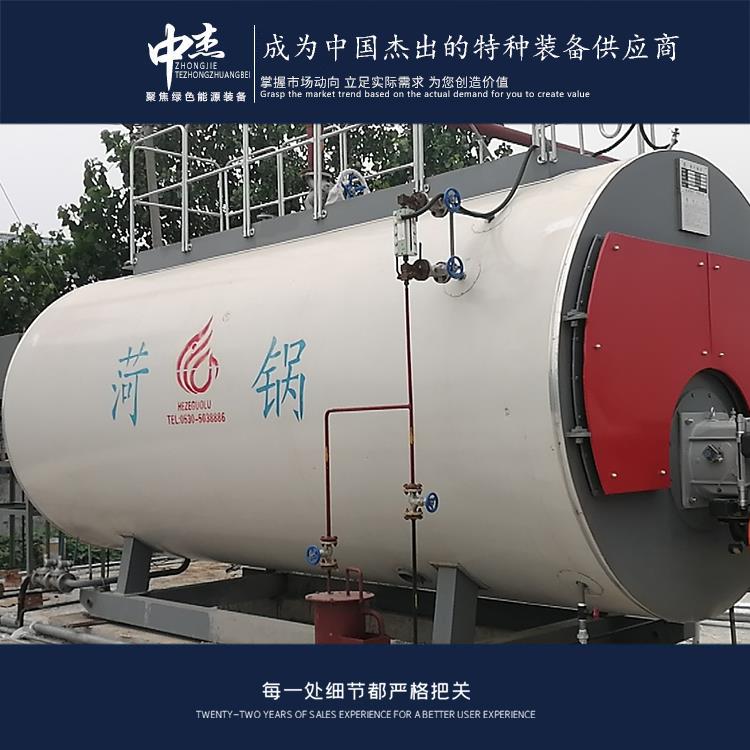

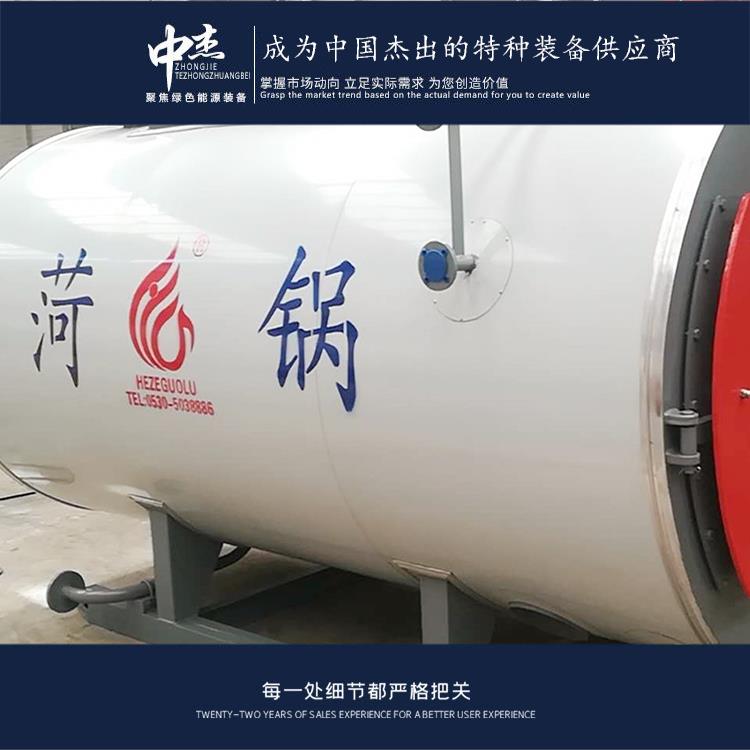
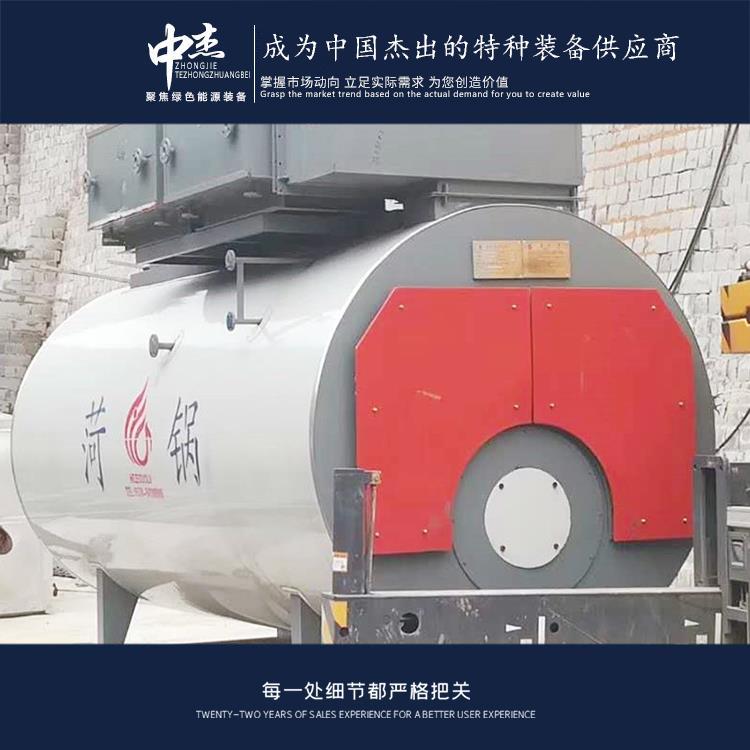


















Shandong Zhongjie Special Equipment (formerly Heze Boiler Factory Co., Ltd.) holds an A-grade boiler manufacturing license and an A2-grade pressure vessel manufacturing license, an A2-grade pressure vessel design license, a B-grade boiler installation license, and GB2/Class and GC2/Class pressure pipeline installation licenses, as well as a machinery and electrical equipment installation contracting qualification. It is a member of the China Boiler and Water Treatment Association, the China Chemical Equipment Association, and the council member of the Shandong Equipment Manufacturing Association. The company has also passed the ISO9001 Quality Management System, ISO14001 Environmental Management System, OHSAS18001 Occupational Health and Safety Management System certifications, and the ASME/U2 certification.
Regular inspections of industrial boilers are crucial for ensuring safe operation, improving efficiency, and extending their lifespan. Here are the key reasons for the importance of regular inspections:
Safety Assurance: Industrial boilers are high-temperature, high-pressure equipment. Without regular inspections, there may be safety hazards. Regular inspections can identify and rectify potential issues within the boiler, such as combustion system failures, water level control malfunctions, and safety valve failures, ensuring safe boiler operation.
Efficiency Enhancement: Regular inspections can detect and remove dirt and deposits inside the boiler, maintaining the cleanliness and thermal transfer efficiency of heat exchangers, thereby improving the boiler's thermal and energy efficiency. This helps reduce energy consumption and operating costs.
Extended Lifespan: Regular inspections can promptly detect and address corrosion, wear, and fatigue issues within the boiler, preventing further damage and faults, and extending the boiler's lifespan. Regular maintenance can also prevent and reduce boiler damage and faults.
Legal and Regulatory Requirements: Many regions have established laws, regulations, and standards for boiler safety management, requiring regular inspections and maintenance of industrial boilers. Regular inspections are a critical aspect of complying with legal and regulatory requirements.
Insurance Requirements: Some insurance companies have specified insurance requirements for industrial boilers, mandating regular inspections and maintenance. Regular inspections can meet insurance company requirements and protect the company's insurance interests.
In summary, regular inspections of industrial boilers are important for ensuring safety, improving efficiency, extending lifespan, complying with legal and regulatory requirements, and meeting insurance requirements. Regular inspections should be conducted by qualified institutions or personnel, following relevant laws, regulations, and standards. Timely inspections and maintenance can ensure the safe operation of industrial boilers.
In industrial boiler systems, the critical functional parameters of pumps include the following aspects:
Flow Rate: The flow rate of a pump refers to the volume of liquid pumped per unit time. In industrial boilers, pumps must provide sufficient flow to meet the boiler's water requirements. The size of the flow rate depends on the boiler's rated evaporation capacity and the design requirements of the circulating water system.
Head: The head of a pump refers to its ability to overcome liquid resistance and lift the liquid to a certain height. In industrial boilers, pumps need to have adequate head to ensure smooth water flow to all parts of the boiler, including the feed water system and circulating water system.
Power: The power of a pump refers to the electrical or mechanical energy required to drive the pump. In industrial boilers, the power of the pump needs to be determined based on flow rate and head to meet the requirements of the boiler system.
Efficiency: The efficiency of a pump is the ratio of the input energy to the output fluid energy. High-efficiency pumps can reduce energy consumption and operating costs. In industrial boilers, selecting high-efficiency pumps can improve the system's energy efficiency.
Operational Stability and Reliability: Pumps in industrial boiler systems must have good operational stability and reliability. They should be able to run stably for long periods without being affected by external interference or fluctuations and should be adaptable to different operating conditions.
It is necessary to select the appropriate pump based on the specific industrial boiler system and design requirements, ensuring that the pump's functional parameters meet the system's needs. Additionally, the selection and operation of the pump must adhere to relevant standards and regulations to ensure safe and reliable operation.
Steam boiler equipment water treatment refers to the processing of water within steam boilers to ensure normal operation and extend the lifespan of the equipment. Below is some basic knowledge about steam boiler equipment water treatment:
Water Quality Requirements: The water quality in steam boilers is highly required, usually necessitating the removal of impurities, dissolved oxygen, and hard substances. Impurities and hard substances can cause scaling and corrosion on the boiler inner walls, while dissolved oxygen can lead to corrosion and the formation of bubbles.
Removing Impurities: Common methods for removing water impurities include sedimentation, filtration, and ion exchange. Sedimentation involves adding chemical agents to make impurities settle, filtration filters out impurities through a filtering medium, and ion exchange removes water impurities by adsorption and ion exchange using resins.
Adjusting Hardness: The hardness substances in water are mainly salts of calcium and magnesium, which can cause scaling on the boiler inner walls. Hardness can be adjusted by adding chemical agents or using water softening equipment to prevent scaling issues.
Removing Dissolved Oxygen: Dissolved oxygen can cause corrosion and bubble formation. It can be removed by adding oxidizing agents or using deoxygenation equipment.
Controlling pH Level: The pH level of water in steam boilers affects equipment corrosion and scaling. It is usually necessary to control the water pH level within an appropriate range, using buffers or regulators to adjust the pH level.
Regular Testing and Maintenance: Regular water quality testing of the steam boiler equipment should be conducted, including measuring hardness, dissolved oxygen, and pH levels, and taking corresponding water treatment measures and maintenance based on the test results.
Steam boiler equipment water treatment is a crucial step in ensuring normal boiler operation and extending equipment lifespan. Proper water treatment measures can effectively prevent scaling, corrosion, and malfunctions on the boiler inner walls.
To extend the service life of steam boilers, the following measures can be taken:
- Regular maintenance: Conduct regular maintenance on the boiler, including cleaning burners, flues, and heat exchangers, inspecting and replacing worn parts, to ensure normal operation and efficiency.
- Water quality control: Maintain good water quality in the boiler to prevent scale and corrosion from damaging the boiler. Regularly test water quality and take appropriate water treatment measures based on test results, such as descaling and replenishing missing chemicals.
- Burn control: Reasonably control the combustion process to ensure the normal operation and efficiency of burners. Regularly check the working condition of burners and adjust combustion parameters to avoid overheating or cooling issues.
- Regular cleaning of flues and heat exchangers: Clean flues and heat exchangers regularly to remove accumulated ash and dirt, maintain heat exchange efficiency, and avoid overheating and energy loss.
- Regular inspection of safety devices: Regularly inspect the safety devices of the boiler, including safety valves, pressure switches, and level controllers, to ensure their normal operation and ensure safe boiler operation.
- Record-keeping and monitoring: Record boiler operating parameters, maintenance records, and fault conditions, and regularly monitor and analyze them to identify and address issues promptly.
- Training operators: Ensure that operators have sufficient knowledge of boiler operation and maintenance, operate and maintain the boiler correctly, and avoid damage caused by operational errors and improper maintenance.
- Regular inspections and repairs: Based on the boiler's usage and the manufacturer's recommendations, conduct regular major repairs and inspections, replace worn-out parts, and extend the boiler's service life.
- Please note that for safety and effectiveness, it is best to have these maintenance and repair tasks performed by qualified personnel.
Shandong Zhongjie Special Equipment, welcome customers to our factory for business discussions.
WeChat Official Account

Scan to follow Official Account



















