


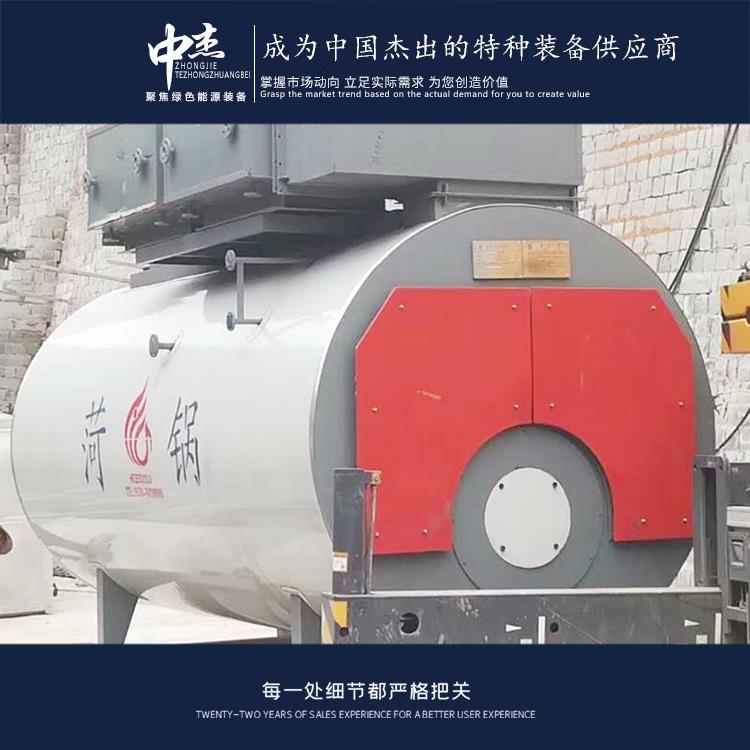

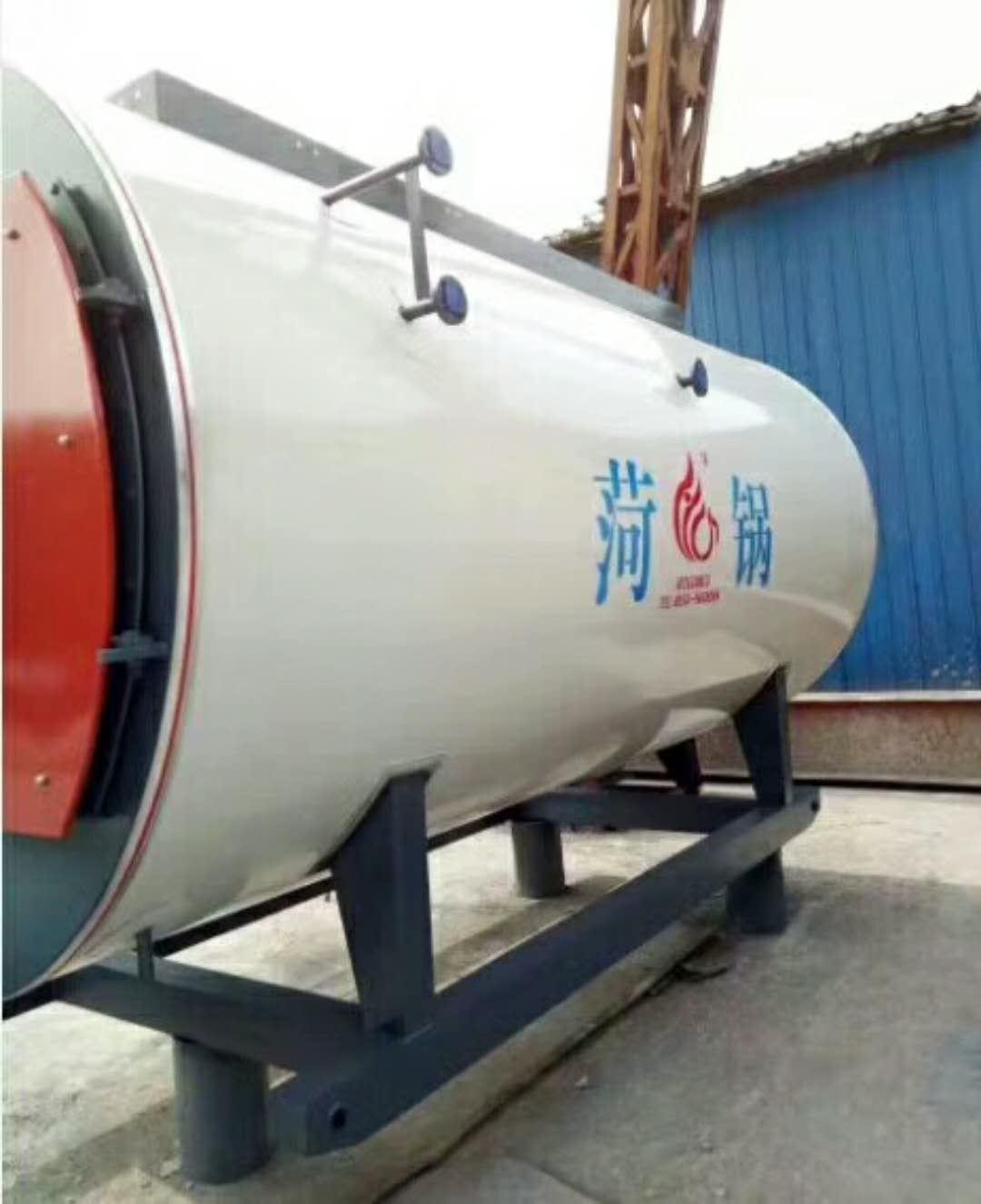
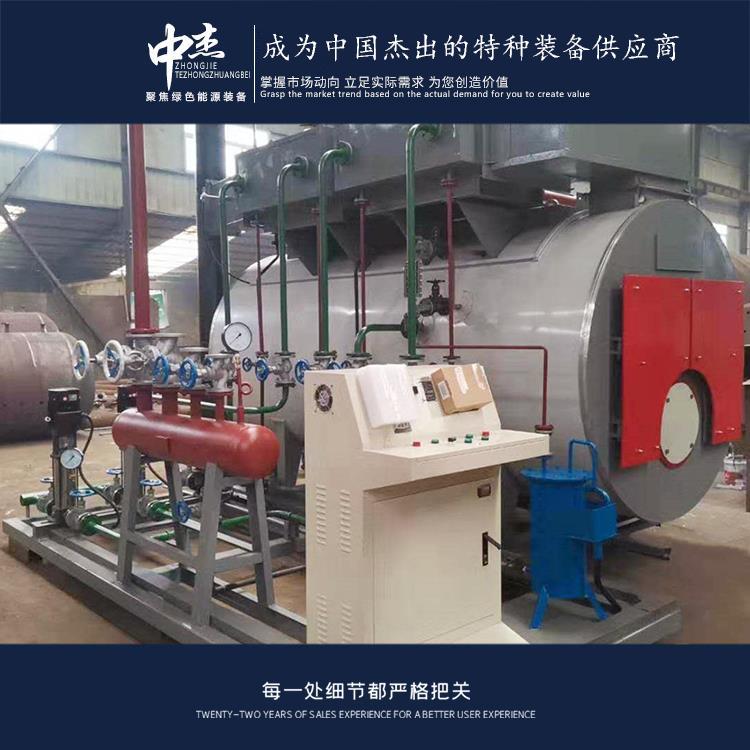


















Shandong Zhongjie Special Equipment's main products include: fuel (gas) boilers, organic heat carrier boilers, biomass boilers, waste heat recovery boilers, and other boiler products; vacuum insulation cryogenic pressure vessels such as LNG tanks, oxygen/nitrogen/argon tanks, CO2 tanks; pressure vessel products like denitrification engineering equipment, heat storage and energy storage equipment, complete chemical equipment sets; central air conditioning and ventilation equipment such as ground (water) source heat pumps, air source units, water-cooled screw units, and air-cooled modular units. Planned products include large-scale energy centers, LNG transport vehicles, LNG tank containers, and other green energy equipment.
Chemical cleaning of industrial boilers is a common method that effectively removes dirt and sediment from within the boiler, enhancing heat exchange efficiency and extending the boiler's lifespan. The following are the general steps and procedures for industrial boiler chemical cleaning:
Preparation: Turn off the boiler's power and gas supply, drain the water and steam inside the boiler, ensuring the boiler is in a safe condition. Prepare the required chemical cleaning agents and equipment.
Cleaning Agent Selection: Choose an appropriate chemical cleaning agent based on the boiler's material and the nature of the dirt. Common cleaning agents include acidic cleaners, alkaline cleaners, and chelating agents.
Cleaning Agent Circulation: Dissolve the cleaning agent in an appropriate amount of water, and circulate it into the boiler using a pump. Determine the circulation time and temperature of the cleaning agent based on the size of the boiler and the extent of the dirt.
Cleaning Agent Action: During circulation, the cleaning agent reacts chemically with the dirt inside the boiler, dissolving and decomposing it. Acidic cleaners can remove rust and scale, while alkaline cleaners can remove grease and organic matter.
Rinsing and Neutralizing: After the cleaning agent circulation is complete, rinse the boiler with clean water to flush out the cleaning agent and dissolved dirt. Simultaneously, use a neutralizer to neutralize any remaining acidic or alkaline substances, ensuring the boiler's neutrality.
Inspection and Maintenance: After cleaning, inspect the boiler to ensure the cleaning effectiveness and normal operation. Perform necessary maintenance and repairs as needed.
When conducting industrial boiler chemical cleaning, note the following points:
1. Strictly adhere to the instructions for the use of cleaning agents and safety operating procedures to ensure the safety of the operators.
2. Choose the appropriate cleaning agent and method based on the boiler's material and the cleaning agent's properties.
3. Control the concentration, temperature, and circulation time of the cleaning agent to avoid unnecessary damage to the boiler.
4. Monitor the concentration and pH value of the cleaning agent in real-time during the cleaning process, and adjust the cleaning conditions.
5. After cleaning, flush the boiler to ensure that the cleaning agent and dirt are completely removed.
6. After cleaning, perform maintenance and maintenance on the boiler promptly to ensure normal operation and long-term use.
Clean and environmental-friendly gas boilers offer the following advantages:
- Low emissions: The exhaust from gas combustion has relatively low emissions, containing fewer pollutants such as nitrogen oxides and particulates. Compared to coal-fired or oil-fired boilers, gas boilers have lower emission levels and cause less environmental pollution.
- High thermal efficiency: Gas combustion has a higher thermal efficiency, fully utilizing the energy of the fuel and reducing energy waste. Compared to other traditional fuels like coal and oil, gas has a higher combustion efficiency, providing more heat energy.
- Clean combustion: Gas combustion does not produce ash or soot, reducing carbon accumulation and dirt inside the boiler and in the flue. This reduces the cleaning and maintenance of the boiler, extending its service life.
- Combustion stability: Gas combustion performance is stable, with no significant flame fluctuations or explosion risks during the combustion process. This makes gas boilers safer and more reliable in operation.
- Quick start and stop: Compared to other fuels, gas boilers have a faster and more flexible start-up and shutdown process. This makes them suitable for scenarios requiring frequent start and stop, such as seasonal heating and hot water needs.
- Renewable energy integration: Gas, as a clean fuel, can be combined with renewable energy sources, such as solar hot water systems and biomass fuel. This integration can further improve energy utilization efficiency and environmental friendliness.
When using a gas heat transfer oil furnace, the following points should be noted:
- Safe Operation: A gas heat transfer oil furnace is a high-temperature equipment, and safety must be ensured during operation. Operators should be familiar with the operation procedures and safety precautions of the equipment, wear necessary personal protective equipment, and ensure safe operation.
- Gas Supply: A stable gas supply is required for a gas heat transfer oil furnace. Before use, check if the gas pipeline is clear and the gas valve is open to ensure normal gas supply.
- Heat Transfer Oil Circulation: A heat transfer oil furnace needs to circulate heat transfer oil to the heat source equipment through a circulating pump. Before use, check the operation status of the circulating pump to ensure it is working properly.
- Temperature Control: A gas heat transfer oil furnace usually requires a temperature control system to control the temperature of the heat transfer oil. Before use, check the settings and adjustments of the temperature control system to ensure accurate and reliable temperature control.
- Regular Maintenance: Gas heat transfer oil furnaces require regular maintenance and maintenance, including cleaning the burner, checking the tightness of the pipeline and valves, and replacing worn parts. Regular maintenance can ensure the normal operation of the equipment and extend its service life.
- Environmental Protection: Gas heat transfer oil furnaces produce exhaust gases during combustion, and ensure exhaust gas emissions. Appropriate exhaust gas treatment measures, such as flue gas purification equipment, can be taken to reduce environmental impact.
- The above are some points to note when using a gas heat transfer oil furnace. To ensure safety and the normal operation of the equipment, it is recommended to follow relevant operation procedures and safety requirements, and carry out regular maintenance and inspections. If necessary, consult the manufacturer or engineer of the gas heat transfer oil furnace.
A gas heat transfer oil boiler is a device that uses gas as fuel to heat the heat transfer oil through the heat energy produced by combustion. Here are some basic facts about gas heat transfer oil boilers:
Working Principle: The operating principle of a gas heat transfer oil boiler involves mixing gas with air, burning it to produce high-temperature flue gas. This flue gas is then passed through the flue and heat exchanger to exchange heat with the heat transfer oil, transferring heat energy to the oil and causing it to increase in temperature. The heat transfer oil circulates within the boiler, transferring heat energy to the equipment or process that requires heating.
Heat Transfer Oil: The heat transfer oil used in gas heat transfer oil boilers is typically an organic heat carrier, such as mineral oil or synthetic oil. It has high thermal conductivity and thermal stability, allowing it to operate stably at high temperatures and transfer heat energy to the heated equipment.
Gas Combustion System: Gas heat transfer oil boilers are equipped with a gas combustion system, which includes a burner, gas supply system, and control system. The burner is responsible for mixing gas with air and burning it to produce heat energy. The gas supply system provides the gas and adjusts the supply quantity as needed. The control system monitors and controls the combustion process to maintain a stable operating state.
Safety Protection Devices: Gas heat transfer oil boilers are equipped with various safety protection devices to ensure safe operation of the equipment. Common safety protection devices include overheat protection, overpressure protection, and water level protection. They monitor and control the boiler's operating status to prevent equipment damage and safety accidents.
Application Areas: Gas heat transfer oil boilers are widely used in industrial sectors such as chemicals, textiles, food processing, and papermaking. They can provide stable high temperatures for various applications.
Zhongjie Special Equipment upholds the grand vision of "realizing employees' dreams, creating value for customers, and striving for the prosperity and strength of our motherland," and is dedicated to the development of the green energy equipment industry. We offer society high-quality products and services at competitive prices!
WeChat Official Account

Scan to follow Official Account



















