


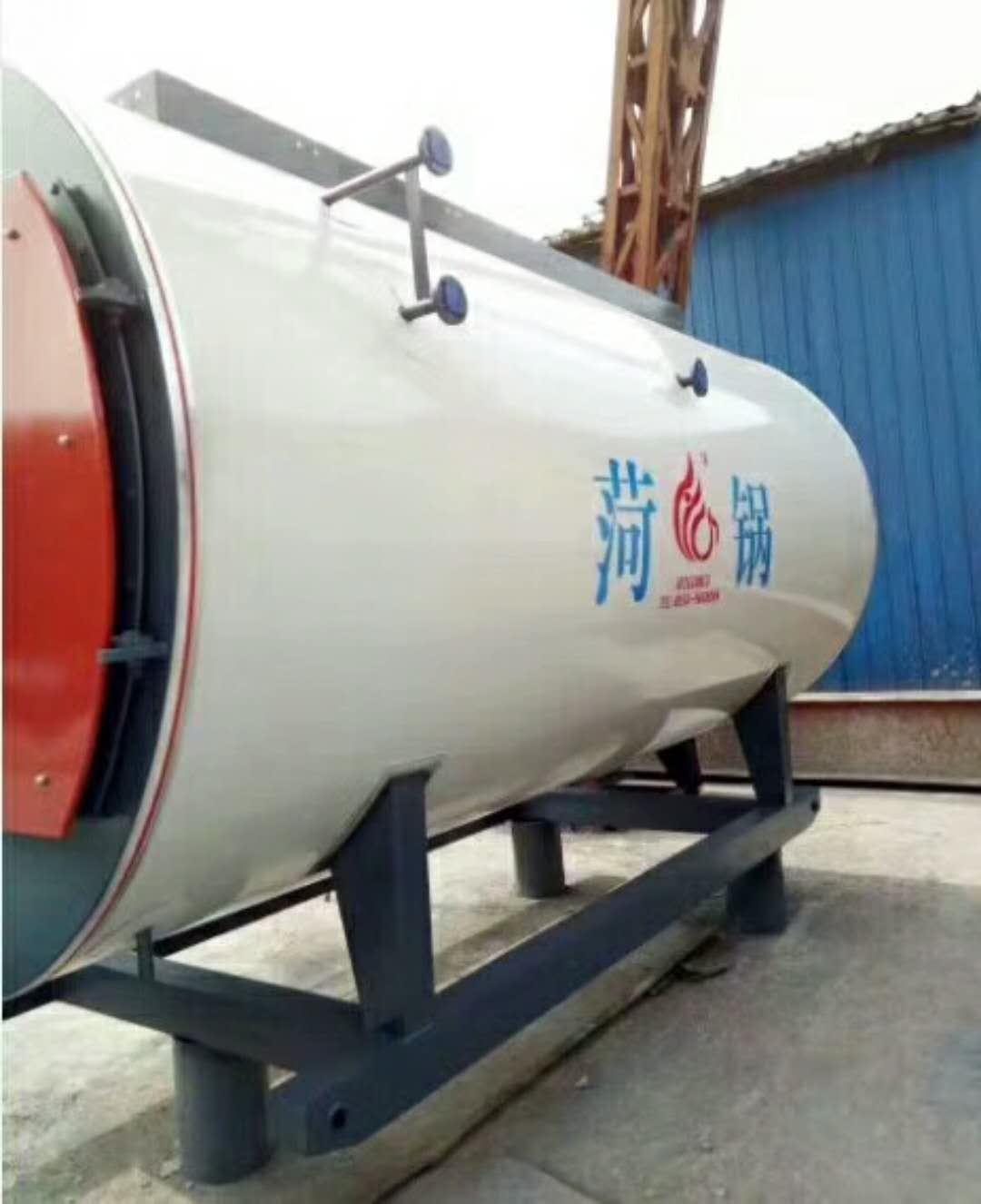

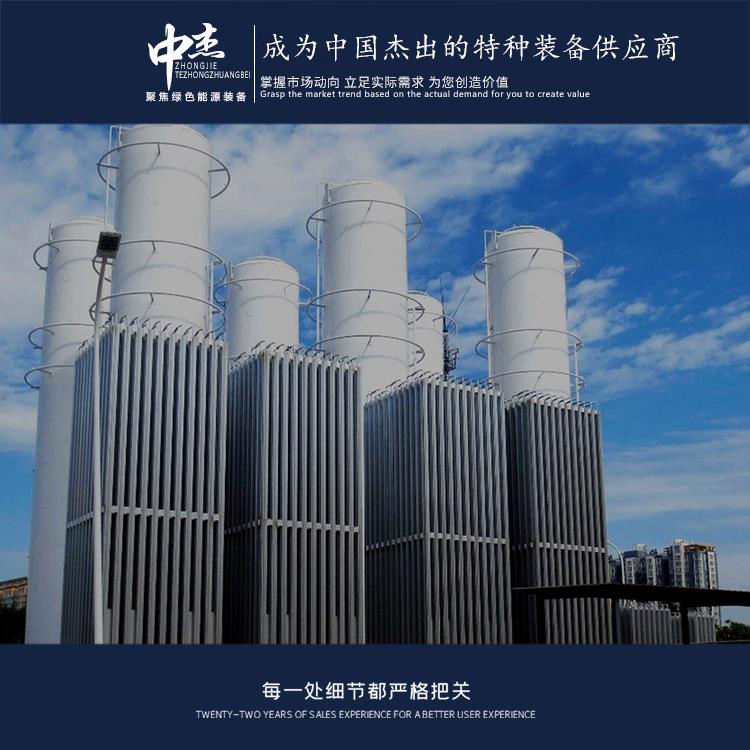


















Shandong Zhongjie Special Equipment (formerly Heze Boiler Factory Co., Ltd.) holds an A-grade boiler manufacturing license, an A2-grade pressure vessel manufacturing license, an A2-grade pressure vessel design license, a B-grade boiler installation license, and GB2/Class and GC2/Class pressure pipeline installation licenses, as well as a mechanical and electrical equipment installation contracting qualification. It is a member of the China Boiler and Water Treatment Association, the China Chemical Equipment Association, and the director unit of the Shandong Equipment Manufacturing Association. The company has also passed the ISO9001 Quality Management System, ISO14001 Environmental Management System, OHSAS18001 Occupational Health and Safety Management System certifications, and the American ASME/U2 certification.
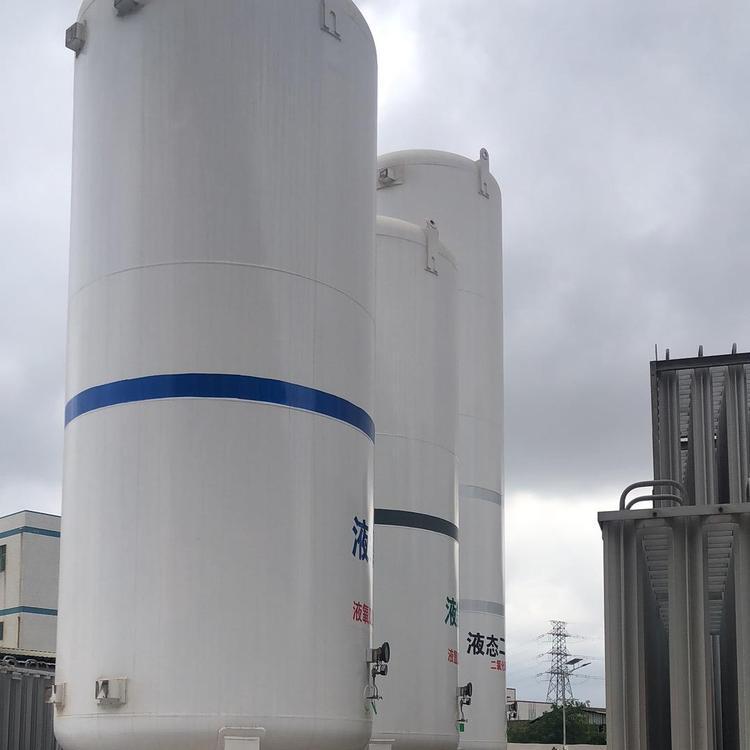
Safe operation of low-temperature liquid storage tanks is primarily crucial in the following aspects:
Tank Design and Material Selection: The tank design must comply with relevant safety standards and regulations, capable of withstanding the pressure and temperature of low-temperature liquids. Select suitable materials such as stainless steel, aluminum alloys, etc., to ensure the tank's corrosion resistance and low-temperature performance.
Insulation and Protection Measures: Low-temperature liquid storage tanks should be equipped with an effective insulation layer to reduce heat transfer and evaporation of the liquid. The selection and installation of the insulation layer should comply with relevant standards and requirements. Additionally, protective measures such as anti-freezing and explosion-proof measures should be implemented to ensure the safe operation of the tank.
Pressure Control and Safety Valves: Low-temperature liquid storage tanks should be equipped with reliable pressure control systems and safety valves to ensure the pressure inside the tank remains within a safe range. The pressure control system should be capable of promptly detecting and adjusting the pressure inside the tank, preventing safety risks from excessive or insufficient pressure.
Leak and Fire Protection: Low-temperature liquids are highly flammable, so measures should be taken to prevent leaks and fires. Tanks and associated pipelines should have good sealing properties and be regularly inspected and maintained to prevent leaks. Additionally, appropriate fire protection facilities and fire-fighting equipment should be provided to address fire risks.
Safety Operations and Training: Operators must undergo relevant safety training, familiarize themselves with the safety operating procedures and emergency response measures for low-temperature liquid storage tanks. Adhere to correct operational steps to ensure safe operations.
Regular inspections and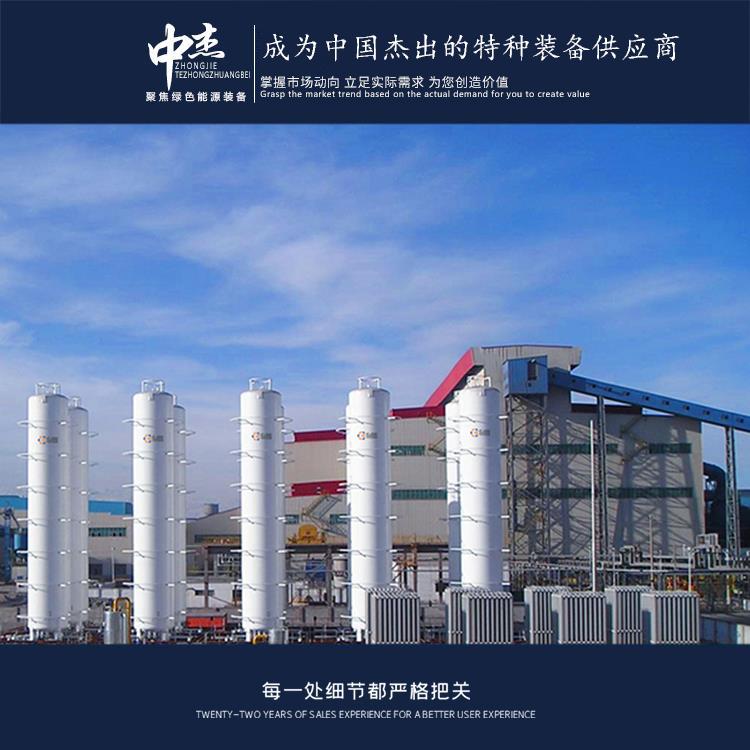
In the welding process of low-temperature liquid storage tanks, controlling the occurrence of welding cracks is crucial. The following are some methods and measures for controlling welding cracks:
Appropriate Welding Processes: Selecting the appropriate welding process and parameters helps reduce welding heat input and thermal stress. Low heat input welding methods, such as pulsed welding and laser welding, can lower the temperature gradient and residual stress in the heat-affected zone.
Preheating and Post-Weld Heat Treatment: Perform an appropriate preheating before welding to enhance material toughness and reduce thermal stress. After welding, carry out a suitable post-weld heat treatment, such as annealing or stress-relieving heat treatment, to minimize residual stress and improve the toughness of the weld.
Select appropriate welding materials: Choose welding materials with good toughness and crack resistance to minimize the occurrence of welding cracks. Select suitable welding materials based on the storage tank's usage conditions and requirements, such as low-alloy steel, stainless steel, etc.
Control Welding Process: Regulate parameters and operations during the welding process to minimize the risk of welding cracks. Pay attention to factors such as welding speed, current, voltage, and welding sequence, avoiding overheating or rapid welding to reduce the accumulation of thermal and residual stresses.
Non-destructive Testing and Evaluation: After welding, perform non-destructive tests on the welds, such as ultrasonic testing and X-ray testing, to assess welding quality and the presence of cracks. Promptly detect and repair welding cracks to ensure the integrity and safety of the weld joints.
It's important to note that controlling welding cracks is a complex process that requires considering multiple factors, such as materials, welding techniques, and operations. When welding low-temperature liquid storage tanks, it's advisable to consult with a welding engineer or relevant institutions for guidance to ensure welding quality and tank safety.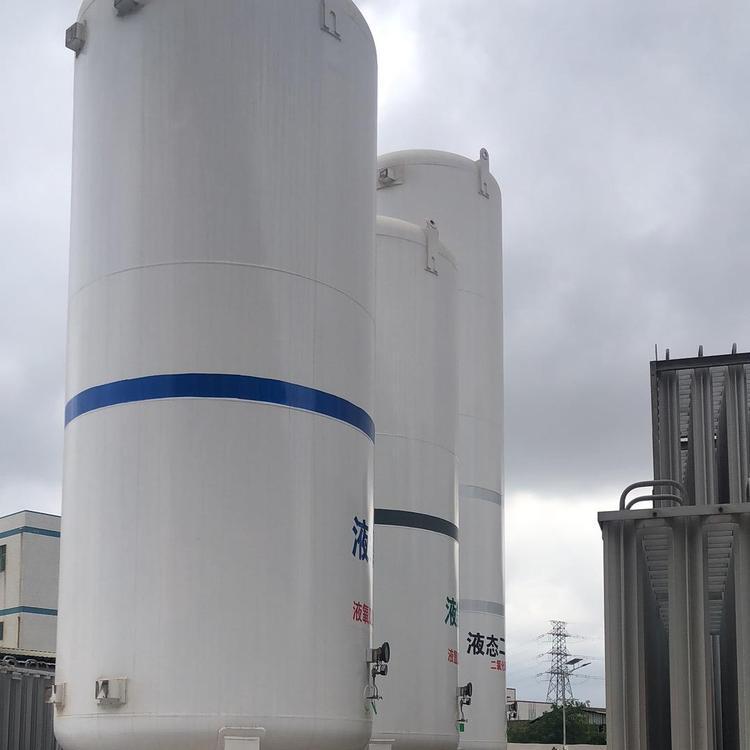
During the operation of low-temperature storage tanks, it's indeed necessary to avoid wrinkling. Wrinkling refers to the occurrence of folds or deformation in the tank walls, which may lead to a decrease in the structural strength of the tank, even causing leaks or ruptures.
Below are some precautions to avoid tank squeezing in low-temperature storage:
Tank Design: Select an appropriate tank design that can withstand the pressure and weight of low-temperature liquids. The tank's wall thickness, support structure, etc., should comply with relevant standards and regulations.
Material Selection: Choose materials suitable for low-temperature environments, with sufficient strength and low-temperature resistance. Common materials include low-temperature steel, stainless steel, etc.
Insulation Layer for Storage Tanks: The design and construction of the insulation layer must meet the requirements to ensure effective reduction of heat conduction and temperature variation. The materials and thickness of the insulation layer should be selected based on the specific situation.
Tank Operation: During the loading and unloading of liquids in the tank, it is essential to avoid rapid or excessive flow of liquids to minimize impact and stress concentration on the tank walls.
Tank Maintenance: Regularly inspect and maintain the structure and insulation of the tanks to ensure they remain intact. Any abnormalities or damage should be repaired or replaced promptly.
Temperature Control: During the operation of low-temperature liquid storage tanks, it is essential to strictly control the temperature difference between the inside and outside of the tank to avoid excessive temperature changes and thermal stress.
In summary, preventing deformation in low-temperature storage tanks hinges on rational design, material selection, proper installation and maintenance of the insulation layer, and strict control of temperature variations. Regular inspections and maintenance are also crucial measures for ensuring the safe operation of the tanks.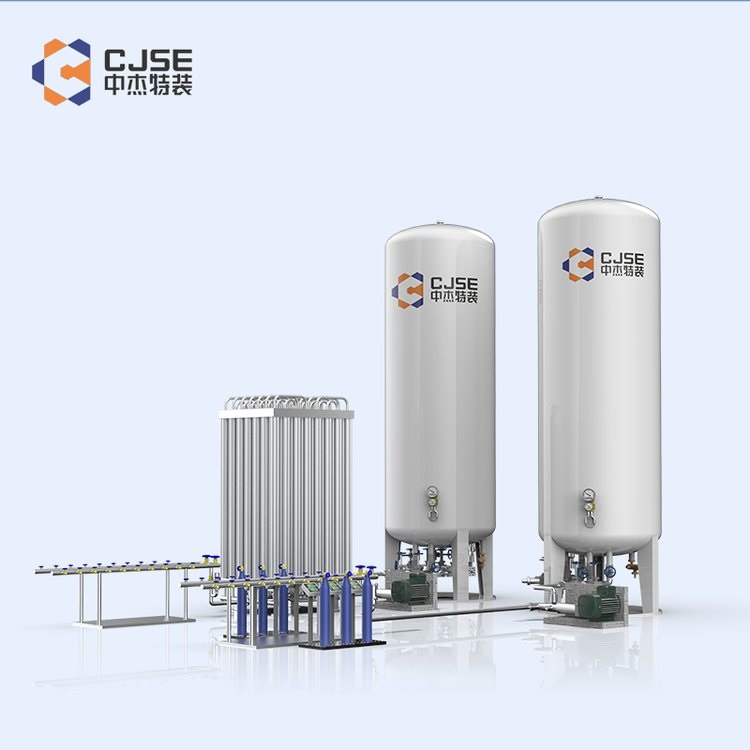
Standard parameters for liquid oxygen storage tanks typically include the following:
Capacity: The capacity of liquid oxygen tanks is typically expressed in liters or cubic meters, with common capacities ranging from a few liters to several thousand liters.
Working Pressure: The working pressure of liquid oxygen tanks is typically expressed in megapascals (MPa) or bars (bar), with common working pressure ranges varying from 0.2 MPa to 2.5 MPa.
Design Temperature: The design temperature for liquid oxygen tanks is typically expressed in degrees Celsius, with common design temperature ranges varying from -196℃ to -150℃.
Material: The main material for liquid oxygen storage tanks is usually stainless steel, which boasts excellent corrosion resistance and low-temperature properties.
Insulation Layer: Liquid oxygen tanks are typically equipped with an insulation layer to minimize evaporation losses of liquid oxygen. The material for the insulation layer is usually a multi-layer composite material or foam glass.
Safety Valve: Liquid Oxygen Storage Tanks must be equipped with a safety valve to control the internal pressure of the tank and prevent the tank from bursting due to excessive pressure.
Leak Detectors: Liquid oxygen storage tanks are typically equipped with leak detectors to promptly detect and alarm any leakage of liquid oxygen.
Appearance Design: The appearance design of liquid oxygen storage tanks typically complies with relevant standards and regulations, including color, markings, and safety warning signs.
Note that the specific parameters of liquid oxygen tanks may vary depending on different manufacturers and application requirements; the above are just general common standard parameters. In actual use, select the appropriate liquid oxygen tank based on the specific situation.
Our company attaches great importance to technological innovation and R&D design. We have one municipal-level enterprise technology center in Heze City, equipped with testing facilities for non-destructive testing, physical and chemical testing, welding testing, hydrostatic testing, etc. We have over 600 types of equipment, including CNC machine tools, X-ray flaw detectors, digital ultrasonic flaw detectors, mechanical property testing machines, chemical analyzers, spectrometers, tensile testing machines, plasma welding machines, and more. The key products and technologies we have developed, such as welding for temperature and pressure vessels, emissions reduction for biomass boilers, and waste heat utilization, have successively been included in multiple Shandong Provincial Department of Industry and Information Technology science and technology innovation projects, Shandong Provincial key projects, and Heze City innovation and excellence projects. We have cumulatively obtained 27 authorized utility model patents, 16 authorized invention patents, participated in drafting 2 standards, 2 industry standards, and registered 15 trademarks. Our technical team, in collaboration with Professor Li Yajiang of Shandong University, has developed deep cryogenic container processing technology using the international plasma arc + wire filling tungsten inert gas arc welding (PAW-GTAW) technology. After being appraised as a provincial-level scientific and technological achievement, our technology level has reached international standards in the field of deep cryogenic container manufacturing. Choose Zhongjie Special Equipment, and let's create brilliance together!
WeChat Official Account

Scan to follow Official Account



















