


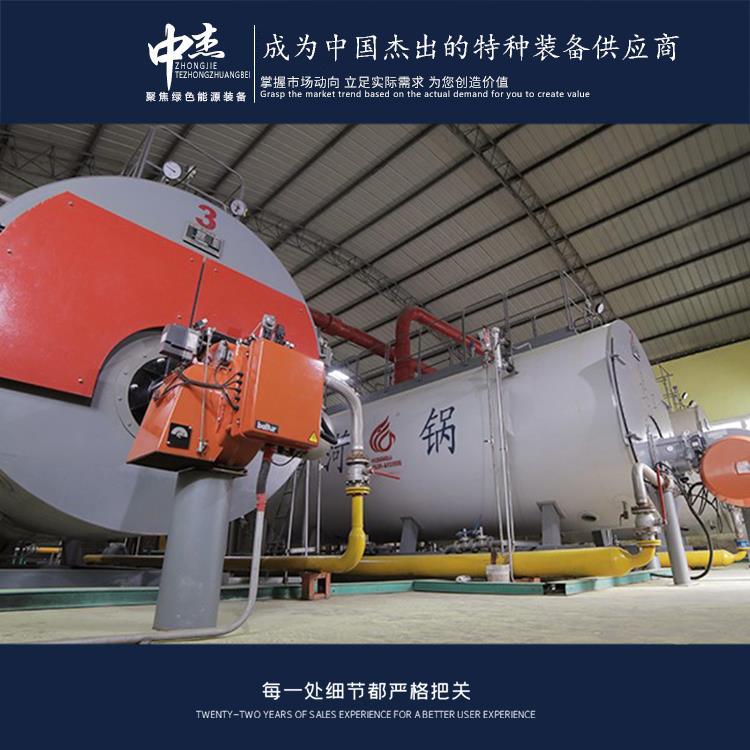

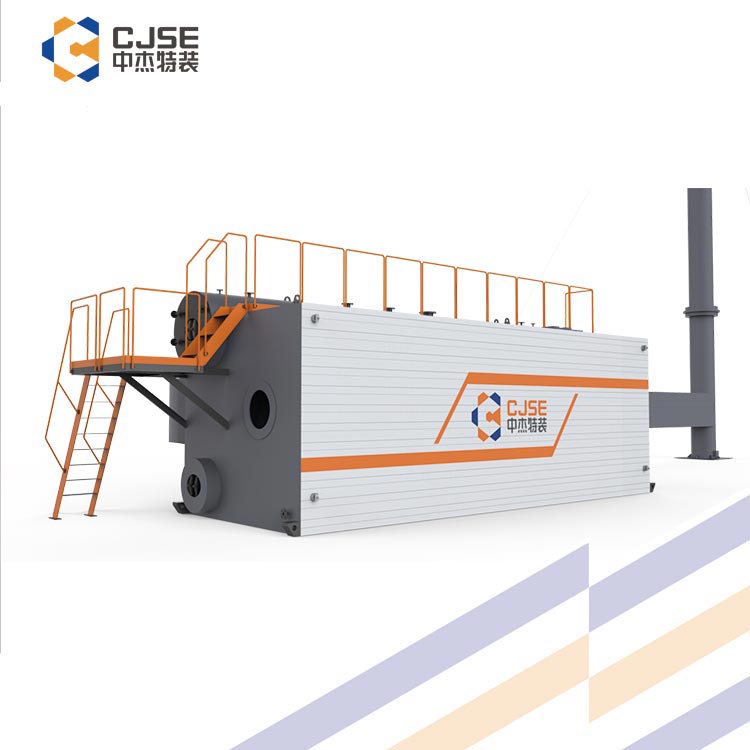
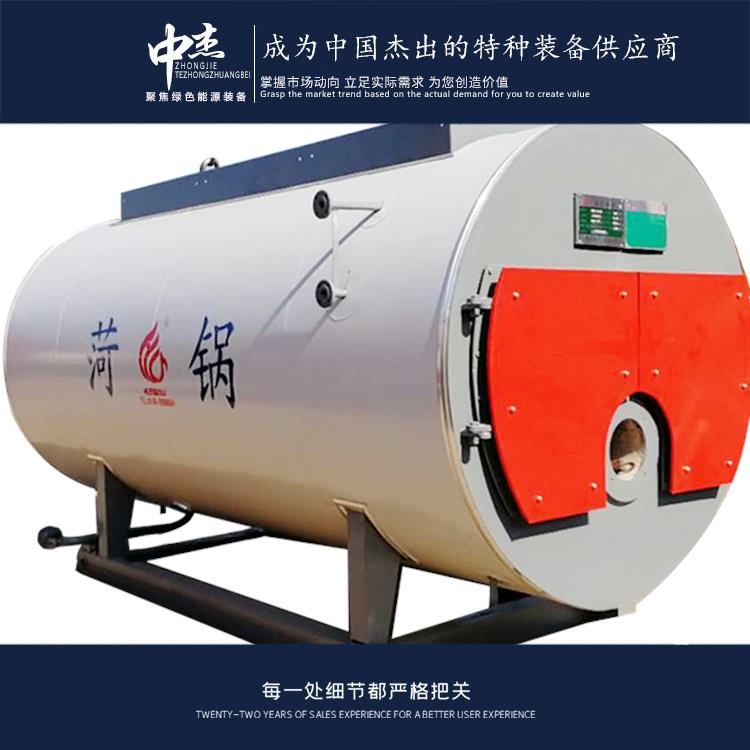


















Shandong Zhongjie Special Equipment (formerly Heze Boiler Factory Co., Ltd.) was established in 2001, located at No. 2218 Jinnan Road, Development Zone, Heze City. With a registered capital of 50 million yuan and total assets of 500 million yuan, the company has 7 business centers: boilers, deep-freezing vessels, pressure vessels, central air conditioning, engineering installation, international trade, and Internet of Things. It has three manufacturing sites on Jinnan Road, East Changjiang Road, and Bohai Road, covering a total area of 200,000 square meters, with the main workshop spanning 83,000 square meters. Currently, it has 710 employees, including 247 engineers and technicians, and 82 intermediate-level technicians. In December 2016, it was recognized as a "High-tech Enterprise" by the Science and Technology Department. In June 2021, it was identified as a "Specialized and New Enterprise of Shandong Province" by the Industry and Information Technology Department. In June 2022, it was recognized as a "Gazelle Enterprise of Shandong Province" and in August 2022, it was identified as a "Specialized and New Small Giant Enterprise" by the Ministry of Industry and Information Technology.
A thermal oil furnace uses gas as fuel to transfer heat energy via thermal oil. Its features include:
- High thermal efficiency: The thermal oil furnace uses thermal oil as the heat transfer medium, boasting a high heat transfer efficiency. The thermal oil has high thermal conductivity and stability, allowing for rapid heat transfer and enhancing energy utilization.
- Temperature control: The furnace can control operating temperature by regulating gas supply and thermal oil circulation. This temperature control meets various process and production requirements, boosting efficiency and product quality.
- Safety and reliability: The furnace employs a closed-loop system, with the combustion process occurring in a sealed environment, reducing the risk of gas leakage. Moreover, the thermal oil has a high flash point and ignition point, making the combustion process safer and more reliable.
- Flexibility: The thermal oil furnace is suitable for various industrial sectors such as chemicals, textiles, and food processing. It can adapt to different process needs and working conditions, offering strong flexibility.
- Environmental protection and energy saving: The furnace emits relatively low amounts of waste gases during combustion, causing minimal environmental pollution. Due to its high thermal efficiency and temperature control, it saves energy consumption and reduces energy costs.
- It is important to note that regular inspection and maintenance of the thermal oil furnace during use are necessary to ensure proper operation and prolong its lifespan. Additionally, selecting the appropriate furnace model and supplier is crucial to ensure its characteristics and performance.
When selecting a thermal oil furnace for the rubber industry, pay attention to the following aspects:
Temperature Requirements: Determine the required working temperature range based on the process needs of the rubber industry. Ensure the thermal oil furnace can stably provide the required working temperature.
Heat Load: Calculate the required heat load based on the production scale and process requirements of the rubber industry. Ensure the heat load of the thermal oil furnace meets the needs of the rubber industry.
Thermal Efficiency: The thermal efficiency of the thermal oil furnace directly affects energy consumption and operating costs. Consider the thermal efficiency when choosing a thermal oil furnace, opting for energy-saving products.
Safety: The safety of the thermal oil furnace is crucial. Choose a furnace with comprehensive safety protection devices and an automatic control system to ensure safe and reliable operation.
Maintenance: Proper maintenance is vital for extending the lifespan and ensuring smooth operation of the thermal oil furnace. Consider the ease and cost of maintenance when selecting a thermal oil furnace.
Manufacturer's Reputation: Choose a thermal oil furnace manufacturer with a good reputation and extensive experience to ensure product quality and reliable after-sales service.
Cost-Effectiveness: Consider the price, energy consumption, and maintenance costs of the thermal oil furnace, selecting products with good cost-effectiveness.
When purchasing a thermal oil furnace, it is recommended to consult and communicate with heating equipment suppliers or engineers, select based on specific needs, and adhere to relevant industry standards and regulations.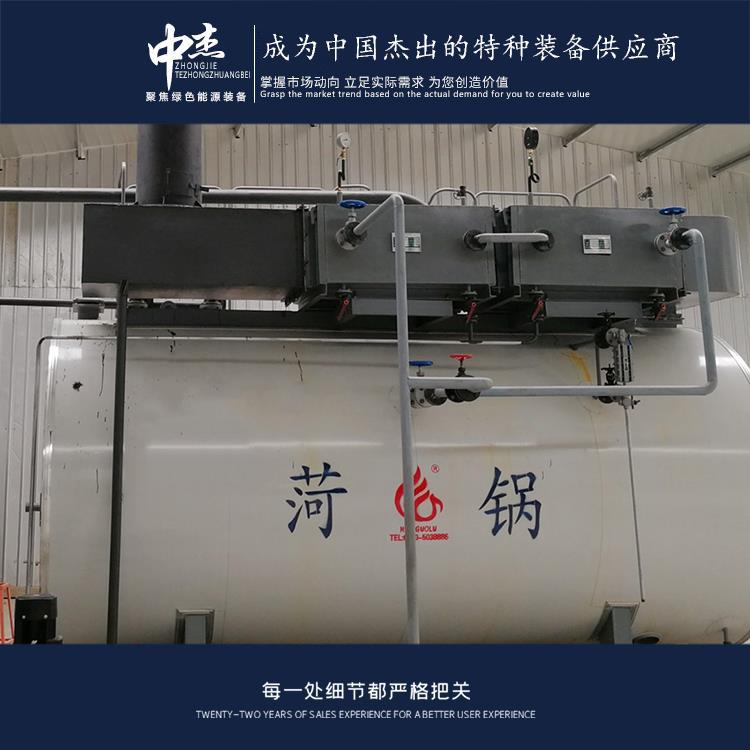
Steam boiler drain systems typically include the following components:
- Drain Valves: Drain valves are commonly installed on steam boilers to expel waste water and impurities from within the boiler. These valves are usually located at the bottom or side of the boiler, and by opening the drain valve, waste water can be removed to maintain the cleanliness of the boiler's interior.
- Drain Pumps: In cases of large steam boilers or when waste water needs to be discharged over a long distance, drain pumps may be used. Drain pumps can remove waste water from the boiler and pump it through pipes to designated discharge points.
- Automatic Drain Systems: Some steam boilers may be equipped with automatic drain systems. These systems can automatically discharge waste water from the boiler based on a set time interval or water contamination level, enhancing the efficiency and accuracy of drainage.
- Wastewater Treatment Equipment: In certain situations, steam boilers may require wastewater treatment equipment. These units can treat the discharged water, removing impurities and pollutants to meet environmental protection standards.
It is important to note that the selection and use of steam boiler drain systems should be determined by the specific type, scale, and operating environment of the boiler. When using drain systems, it is necessary to follow relevant operational procedures and safety requirements to ensure the safety and effectiveness of the drainage process.
When performing welding on a thermal oil boiler, the following points should be noted:
Welder Qualification: Ensure that the welders involved have appropriate qualifications and experience, and are familiar with welding processes and procedures.
Welding Material Selection: Choose welding materials suitable for thermal oil boilers, ensuring compatibility with the thermal oil and high-temperature resistance.
Welding Process Control: Select an appropriate welding process based on the material and design requirements of the thermal oil boiler, such as manual arc welding, gas shielded welding, etc. Control welding parameters like current, voltage, and welding speed to ensure the quality and strength of the weld.
Welding Area Protection: During welding, the welding area must be protected to prevent contamination from the thermal oil and welding materials. Use welding barriers, welding shields, and other equipment to ensure the cleanliness and safety of the welding area.
Post-Welding Treatment: After welding, post-treatment of the weld is necessary, such as slag removal, grinding, and cleaning, to ensure the flatness and surface quality of the weld.
Welding Quality Inspection: Conduct welding quality inspections, including visual inspection of the weld, dimensional measurements, and non-destructive testing, to ensure the welding quality meets requirements.
Safety Measures: Pay attention to safety measures during welding, such as wearing protective eyewear, gloves, and fire-resistant clothing, to ensure the safety of the welding operation.
It is important to follow relevant standards and specifications during the welding process to ensure the quality and safety of the welding. If unsure about the welding process or there are safety hazards, seek the advice of a welding engineer or consult relevant agencies.
Shandong Zhongjie Special Equipment, welcome customers to visit our factory for business discussions.
WeChat Official Account

Scan to follow Official Account



















