


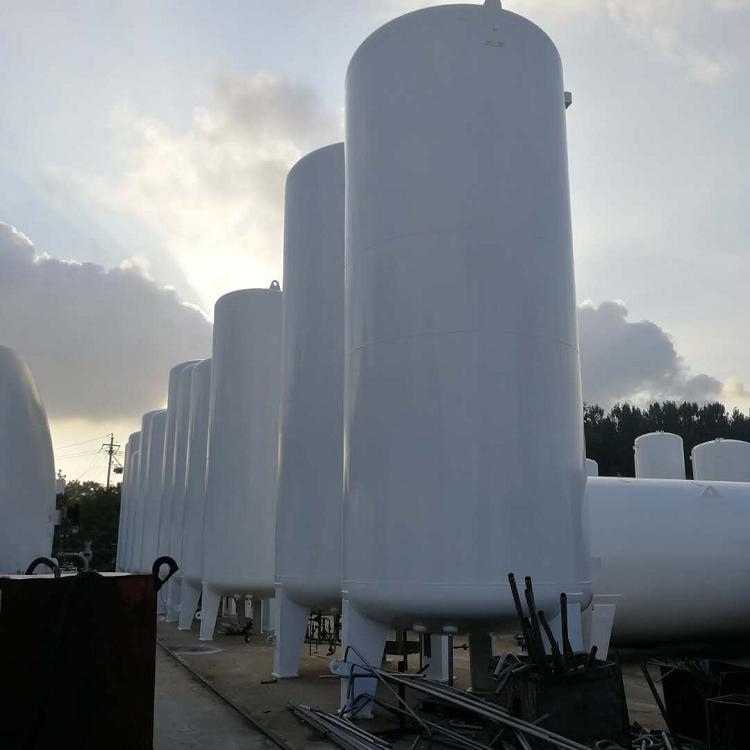

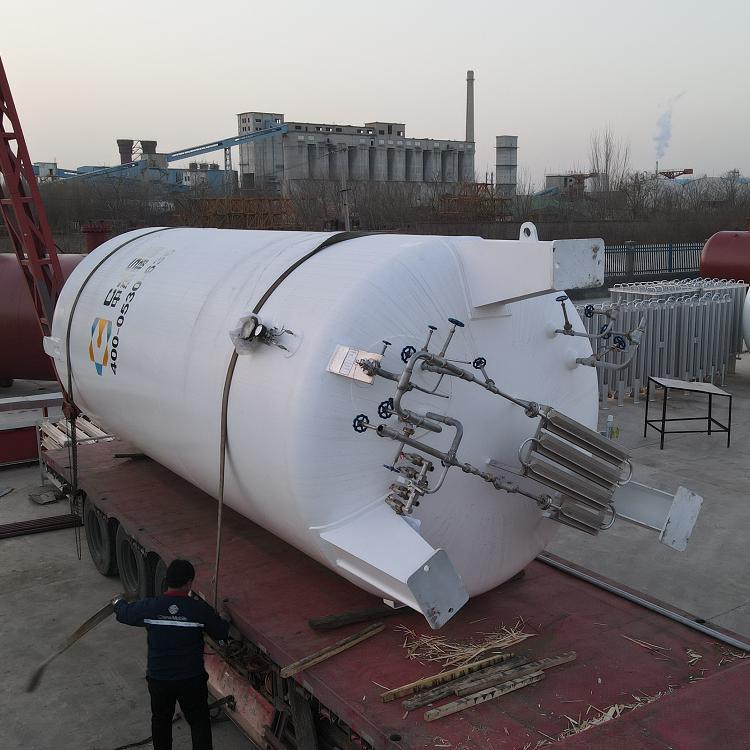
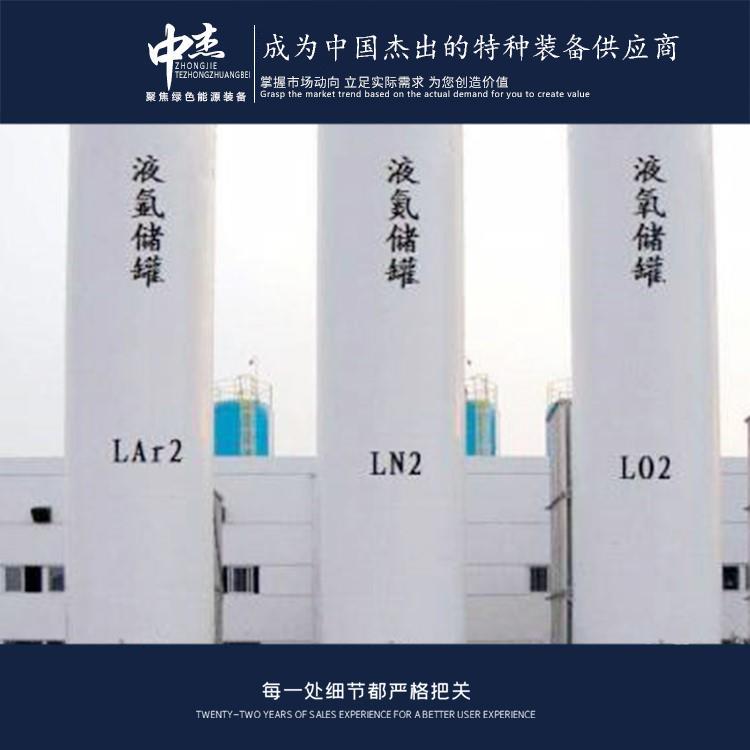


















Shandong Zhongjie Special Equipment's main products include: fuel (gas) boilers, organic heat carrier boilers, biomass boilers, waste heat boilers, and other boiler products; vacuum insulation cryogenic pressure vessels such as LNG tanks, oxygen/nitrogen/argon tanks, CO2 tanks; pressure vessel products like denitrification engineering equipment, heat storage and energy storage equipment, complete chemical equipment sets; central air conditioning and ventilation equipment such as ground (water) source heat pumps, air source units, water-cooled screw units, and air-cooled modular units. Planned products include large-scale energy centers, LNG transport vehicles, LNG tank containers, and other green energy equipment.
Common CO2 Cylinder Management Guidelines:
Safety Management: Establish comprehensive safety management systems, including operational procedures, emergency plans, and incident handling protocols. Ensure operators have the necessary safety knowledge and skills, and conduct regular safety training and drills.
Cylinder Inspection and Maintenance: Regularly inspect the cylinder's exterior, valves, and fittings to ensure they are intact. Conduct regular leak detection and pressure tests to ensure the cylinder's safety performance meets requirements.
Level Monitoring and Control: Regularly monitor the cylinder's internal level to ensure an adequate supply of CO2. Perform filling or emptying operations as needed to maintain an appropriate level.
Waste Gas Treatment: Treat the waste gases produced by CO2 cylinders to prevent environmental pollution. Implement appropriate waste gas treatment measures, such as collecting and processing waste gases.
Fire and Explosion Prevention Measures: Take fire and explosion prevention measures to ensure the safety of the environment around the cylinder. Maintain a safe distance from ignition sources, high-temperature areas, and flammable materials, and regularly inspect and maintain fire protection equipment.
Identification and Warning Signs: Clearly label the cylinder with information such as the type of gas stored and pressure. Set up warning signs around the cylinder to remind personnel of its presence and related safety precautions.
Storage Records: Record the cylinder's usage, including filling dates, quantities, and inspection records. Regularly inspect and maintain the cylinder and retain relevant records.
Regular Review and Improvement: Regularly review cylinder management systems and operational procedures to identify and address issues promptly. Conduct risk assessments and management based on actual conditions to enhance management levels and safety performance.
It is important to note that specific management guidelines may vary depending on the type of cylinder and application. When managing CO2 cylinders, operate according to relevant regulations and standards, and consult experts to ensure safety and effectiveness.
Low-temperature carbon dioxide storage tanks offer several advantages:
- Low-temperature storage capability: These tanks can store carbon dioxide at low temperatures, typically between -40°C and -70°C. This low-temperature storage allows carbon dioxide to be stored in a liquid state, significantly reducing the storage space required.
- High storage density: Due to carbon dioxide being stored as a liquid at low temperatures, its storage density is relatively high. Compared to gaseous storage, liquid storage can hold more carbon dioxide in a smaller tank, improving storage efficiency.
- Environmental and renewable: Carbon dioxide is an environmentally friendly gas, and its storage and use do not produce harmful substances. Additionally, carbon dioxide can be reused through capture and recovery technologies, reducing environmental impact.
- High safety: Low-temperature carbon dioxide storage tanks are made of high-strength materials with good sealing and corrosion resistance. They are equipped with safety valves and pressure relief devices to effectively control internal pressure and temperature, ensuring safety during storage.
- Wide application: These tanks are widely used in various industries such as food and beverage, pharmaceutical, and chemical industries. They can be used for frozen food, refrigeration equipment, and gas supply, meeting diverse industry needs.
In summary, low-temperature carbon dioxide storage tanks have the advantages of low-temperature storage, high storage density, environmental friendliness, renewability, high safety, and wide application. These benefits make them a crucial storage and usage equipment for carbon dioxide in many industries.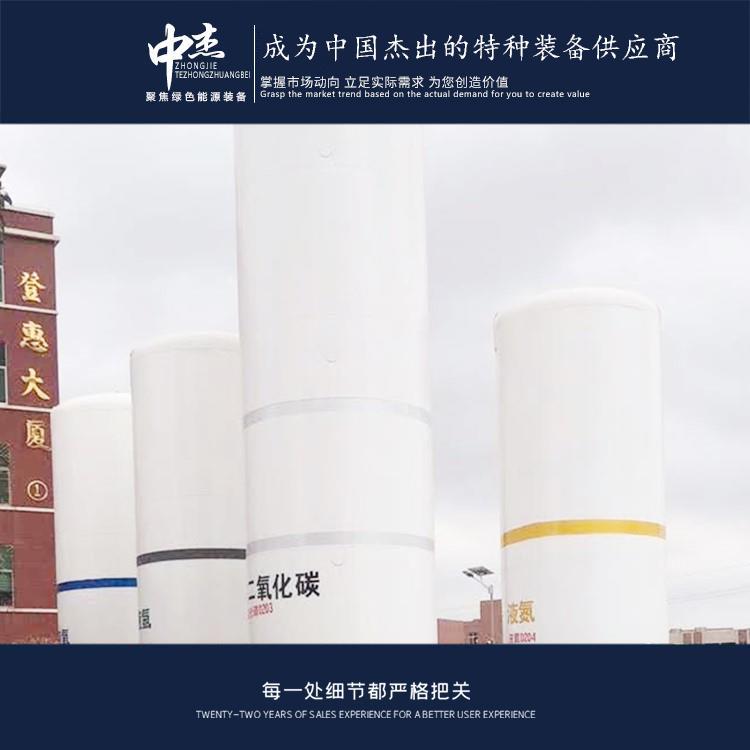
A carbon dioxide storage tank pressure maintenance system is a system designed to maintain the internal pressure of a carbon dioxide storage tank. As carbon dioxide is a gas at room temperature, it needs to be compressed into a liquid state during storage to increase density. The primary function of the pressure maintenance system is to monitor and regulate the pressure inside the tank, ensuring that the carbon dioxide within remains at a safe and stable pressure level. The system typically consists of the following components:
- Pressure Sensors: Installed inside the tank, they monitor the pressure in real-time and transmit pressure signals to the control system.
- Control System: Receives signals from the pressure sensors and controls operations based on pre-set pressure ranges. When the pressure inside the tank exceeds or falls below the set range, the control system triggers appropriate control measures.
- Pressure Regulating Valve: Adjusts the pressure inside the tank according to instructions from the control system. When pressure is too high, the valve opens to release some gas to lower the pressure. When pressure is too low, the valve closes to prevent further gas release, increasing pressure.
- Pressure Storage Device: Usually a pressure vessel used to store additional gas for providing extra pressure support when needed. When the tank's pressure drops, the storage device releases gas to maintain the tank's pressure.
Through the coordinated efforts of these components, the carbon dioxide storage tank pressure maintenance system ensures that the pressure inside the tank is always within a safe and stable range, which is crucial for the normal operation and safety of the tank.
Carbon dioxide storage tanks offer several advantages:
- High storage density: These tanks can compress carbon dioxide gas into a liquid state, significantly increasing storage density. Compared to storing it as a gas, liquid carbon dioxide can be stored in smaller tanks, saving space and costs.
- Various applications: Carbon dioxide storage tanks are widely used in multiple industries, including food and beverage, industrial, fire suppression, and gas supply. Carbon dioxide serves as a preservative, effervescent agent in beverages, and an extinguishing agent, among other uses, with broad applications and market demand.
- Environmental and renewable: Carbon dioxide is an environmentally friendly gas, and its increased concentration in the atmosphere contributes to warming and climate change. By storing and utilizing carbon dioxide, we can reduce its emissions into the atmosphere, promoting environmental protection and sustainable development.
- Safe and reliable: During design and manufacturing, carbon dioxide storage tanks are typically made from high-strength materials (such as carbon steel or stainless steel), offering excellent pressure resistance and safety. They are usually equipped with safety valves, pressure gauges, level indicators, and other accessories to ensure safe operation. Additionally, carbon dioxide is non-flammable and non-explosive, making it relatively safe.
- Supply: Carbon dioxide storage tanks provide a stable supply of carbon dioxide. Through the tank's design and control systems, precise measurement and supply of carbon dioxide can be achieved, meeting the needs of various industries and applications.
These advantages make carbon dioxide storage tanks an important storage and supply equipment, widely used across multiple industries. However, it is still necessary to follow relevant safety operating procedures and standards when using carbon dioxide storage tanks to ensure their safe operation and use.
ZJ Special Equipment adheres to the grand vision of "realizing employee dreams, creating customer value, and striving for the prosperity and strength of our motherland," and is dedicated to the development of the green energy equipment industry. We offer society high-quality and cost-effective products and services!
WeChat Official Account

Scan to follow Official Account



















