


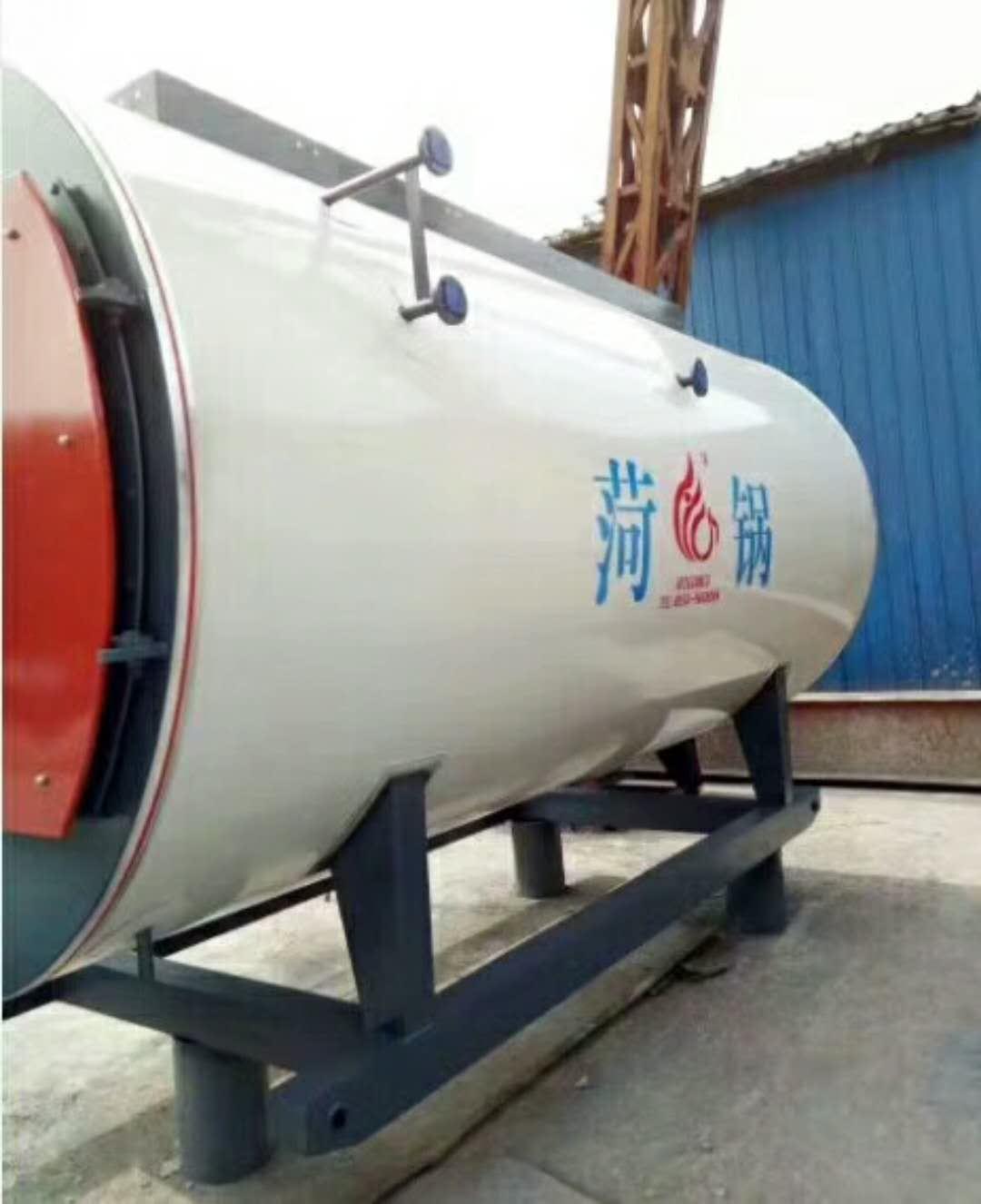

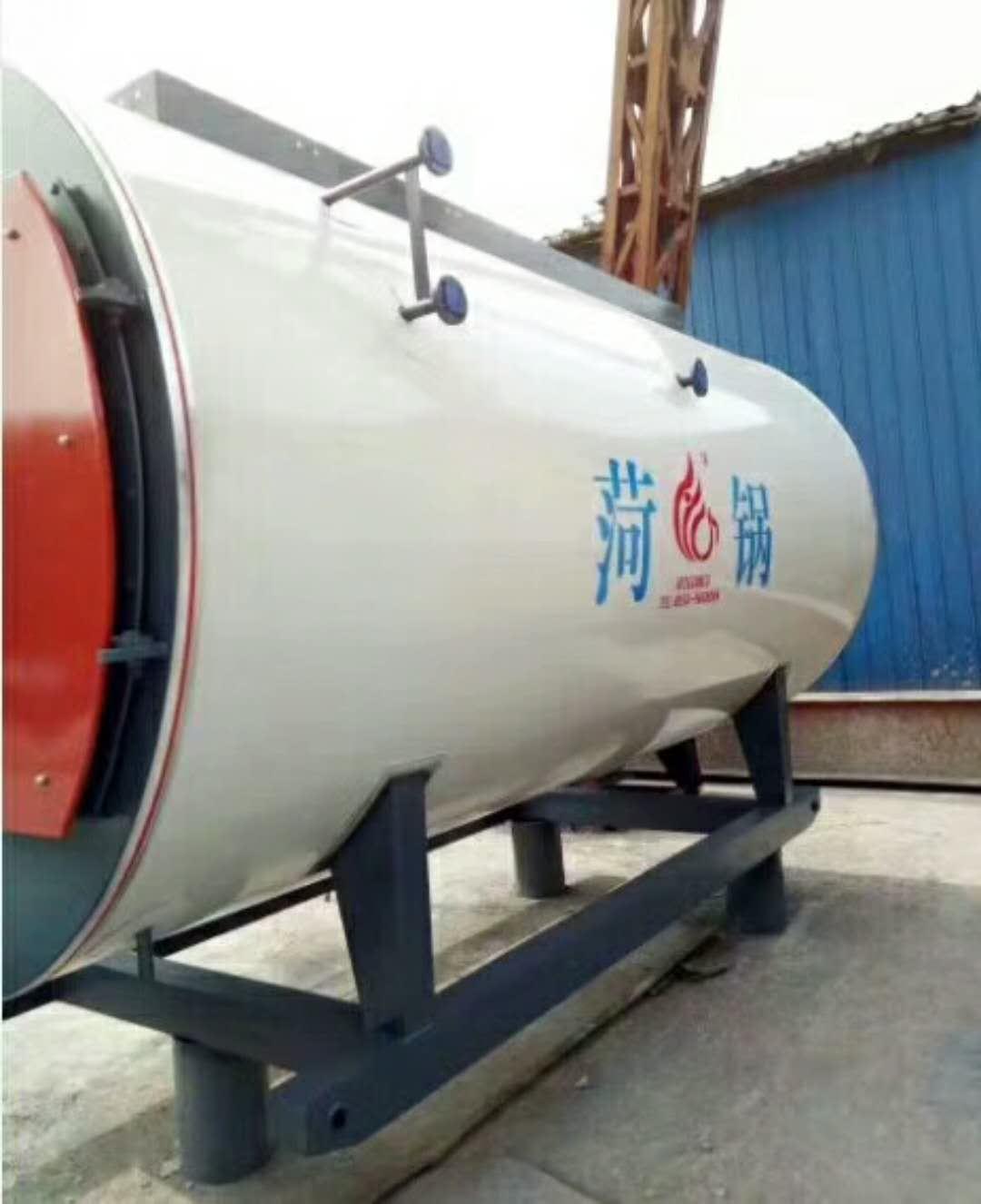
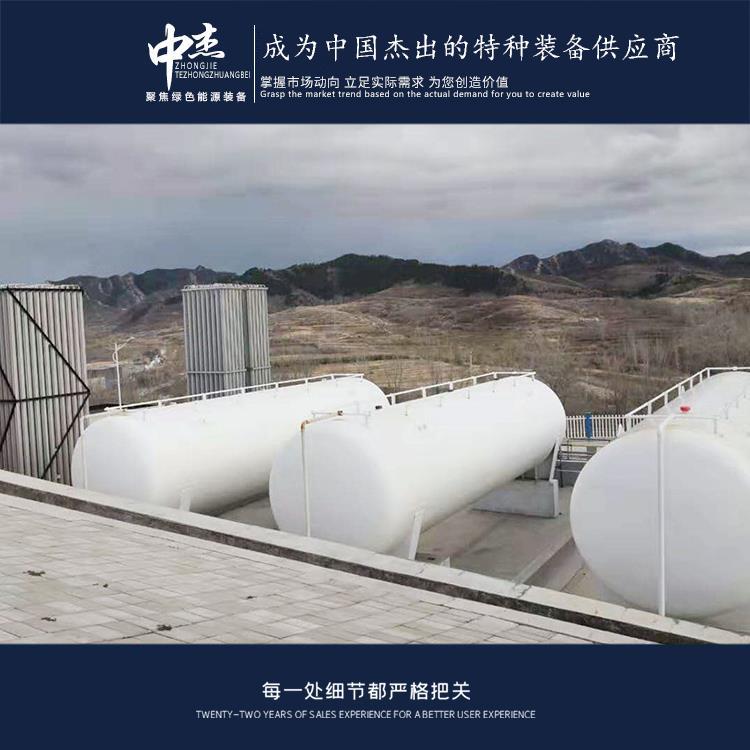


















Shandong Zhongjie Special Equipment (formerly Heze Boiler Factory Co., Ltd.) holds an A-grade boiler manufacturing license, an A2-grade pressure vessel manufacturing license, an A2-grade pressure vessel design license, a B-grade boiler installation license, and GB2/Class, GC2/Class pressure pipeline installation licenses, as well as an electromechanical equipment installation contracting qualification. It is a member of the China Boiler and Water Treatment Association, the China Chemical Equipment Association, and the council unit of the Shandong Equipment Manufacturing Association. The company has also passed the ISO9001 Quality Management System, ISO14001 Environmental Management System, OHSAS18001 Occupational Health and Safety Management System certifications, and the American ASME/U2 certification.
Urea synthesis from carbon dioxide is a significant chemical reaction with several applications: Urea Production: Urea is a vital nitrogen fertilizer and chemical, widely used in both agricultural and industrial sectors. Carbon dioxide synthesis is one of the commonly used methods for urea production. In this process, carbon dioxide reacts under high temperature and pressure to form urea. This method utilizes carbon dioxide resources, reducing reliance on fossil fuels used in traditional urea production. Urea Fuel: Urea can also serve as a urea fuel for internal combustion engines and combustion equipment. By heating and decomposing urea, energy is released, which then reacts with oxygen in the air to produce combustion heat. This combustion process only produces water vapor and nitrogen as by-products, reducing environmental pollution. Chemical Synthesis: Urea is an essential raw material for the synthesis of many chemicals. The carbon dioxide synthesis of urea provides a sustainable supply for the chemical industry, used in the production of other chemicals like plastics, resins, paints, etc. Energy Storage: Urea can also act as a medium for energy storage. By synthesizing urea from carbon dioxide, energy can be stored in the form of chemical bonds. When energy is needed, it can be released by decomposing urea, which then reacts with oxygen in the air to produce combustion heat and release the stored energy. Development of Carbon Dioxide Urea Synthesis Technology aims to reduce dependence on fossil fuels used in traditional urea production methods, lower greenhouse gas emissions, and promote the development of sustainable agriculture and the chemical industry. However, this technology is still under development and research, requiring further technological breakthroughs and practical verification for large-scale application.
The inspection frequency of CO2 storage tanks should be determined based on local regulations, standards, and the manufacturer's recommendations. Generally, the following factors can influence the inspection frequency of CO2 storage tanks:
Regulatory and standard requirements: Different regions may have varying regulations and standards that dictate the inspection requirements and frequency of the tanks. For example, the DOT standards in the United States require external inspections every 5 years and internal inspections every 10 years for liquid gas storage tanks.
Manufacturer's recommendations: Manufacturers often provide recommendations on inspection frequency based on tank design, materials, and lifespan. These recommendations can serve as a reference for establishing an inspection plan.
Operating environment and conditions: The operating environment and conditions of the tank can also impact the inspection frequency. For instance, tanks exposed to corrosive environments or frequently subjected to mechanical stress may require more frequent inspections.
Generally, external inspections of liquid gas storage tanks are conducted through visual inspections, ultrasonic testing, magnetic particle inspection methods, etc., to evaluate the external condition and potential defects of the tank. Internal inspections may involve tank emptying and utilize methods like internal inspections, thickness measurements, and weld inspections to assess the internal condition of the tank.
It is crucial that tank inspections are performed by trained and experienced personnel, strictly adhering to relevant regulations, standards, and manufacturer's recommendations. Regular inspections and maintenance ensure tank safety and reliability, reducing the risk of accidents.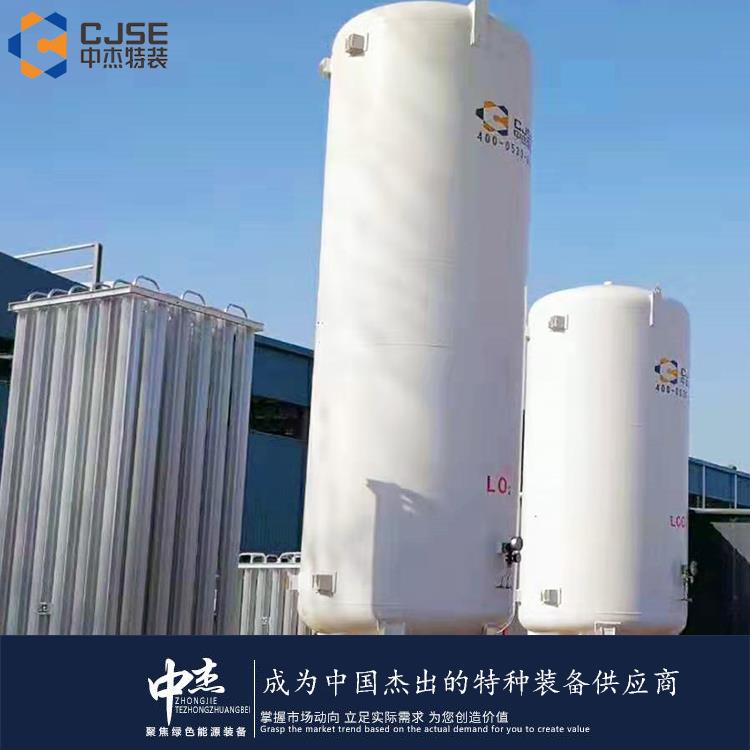
Carbon dioxide tanks are widely used in many different industries. Here are some common application industries:
Food and Beverage Industry: Carbon dioxide tanks are used in the production process of carbonated beverages, beer, soda, etc., in the food and beverage industry. Carbon dioxide is infused into the beverages to increase their fizz and taste.
Industry: Carbon dioxide tanks are utilized in applications such as anesthesia, respiration, and emergency care. Liquid carbon dioxide can be used to create refrigerants for freezing and preserving biological samples and tissues.
Fire Suppression: Carbon dioxide tanks are used in fire suppression systems in the fire service. Carbon dioxide is released into the fire scene to extinguish flames by suppressing oxygen supply.
Gas Supply: Carbon dioxide tanks also supply CO2 gas in industrial and commercial fields. These gases can be used in welding, gas protection, semiconductor manufacturing, water treatment, and more.
Climate Control: Carbon dioxide tanks are used in greenhouse and indoor farming to control and increase the CO2 concentration for plant growth.
Additionally, carbon dioxide tanks can be used in other industries such as the automotive industry (for airbag systems) and certain industries (for propellants and gas supply).
It should be noted that different industries may have varying requirements and applications for carbon dioxide tanks. When using carbon dioxide tanks, it is essential to comply with relevant regulations and standards, and ensure that the tank's design, manufacture, and use meet the corresponding requirements.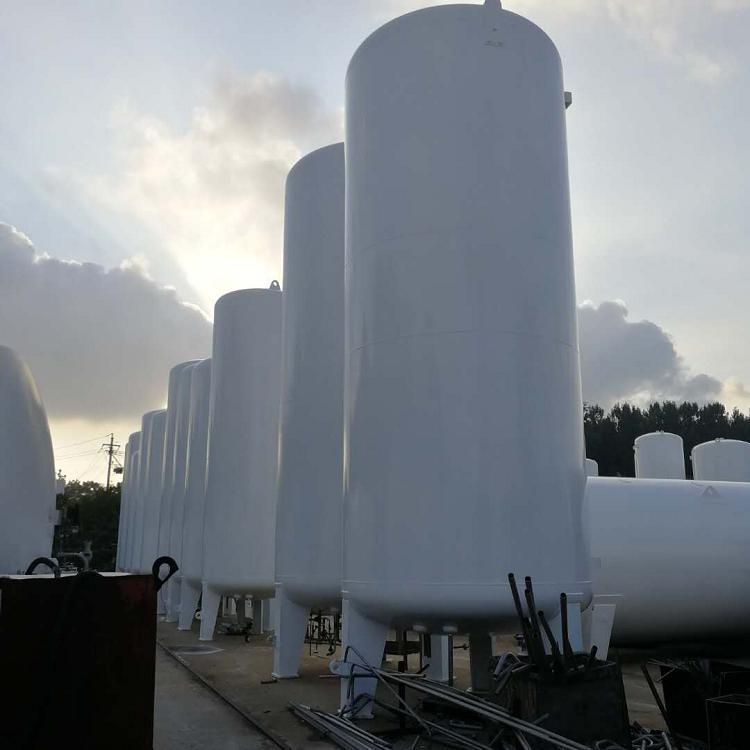
For accessories of carbon dioxide storage tanks, such as valves, pipes, and pressure relief devices, maintenance and protection are crucial. Here are some suggestions:
Regular Inspection: Conduct regular checks on the appearance and operational status of accessories to ensure no damage, looseness, or leaks. Pay special attention to the sealing performance and operational flexibility of valves.
Cleaning and Maintenance: Regularly clean accessories to remove dirt and impurities on the surface. Use appropriate cleaning agents and tools, avoiding corrosive substances.
Lubrication Maintenance: For accessories requiring lubrication, such as the pistons and stems of valves, perform regular lubrication maintenance. Use suitable lubricants to ensure the normal operation and sealing performance of valves.
Sealing Inspection: Regularly inspect the sealing performance of accessories, such as the sealing rings and sealing surfaces of valves. Replace any damaged or aged sealing parts promptly.
Corrosion Protection: For accessories prone to corrosion, such as pipes and valves, take corrosion protection measures, such as coating with corrosion-resistant paint or wrapping with corrosion-resistant materials.
Regular Calibration: Calibrate measuring equipment such as level sensors and pressure sensors regularly to ensure accuracy and reliability.
Regular Maintenance: Develop a regular maintenance plan based on the usage and requirements of accessories, including cleaning, lubrication, and repairs. Ensure the long-term stable operation of accessories.
Storage and Transportation Precautions: When storing and transporting spare parts or parts to be replaced, be mindful of moisture, vibration, and damage prevention to avoid affecting their normal use.
The above suggestions are for the maintenance and protection of carbon dioxide storage tank accessories. Specific operations should be tailored to the characteristics and requirements of accessories and in accordance with relevant regulations.
Our company places great importance on technological innovation and R&D design. We possess one city-level enterprise technology center in Heze City, with testing facilities for non-destructive testing, physical and chemical testing, welding testing, hydrostatic testing, etc. We are equipped with over 600 types of equipment, including CNC machine tools, X-ray flaw detectors, digital ultrasonic flaw detectors, mechanical property testing machines, chemical analyzers, spectrometers, tensile testing machines, plasma welding machines, and more. The key products we have developed, such as temperature-pressure vessels for welding, biomass boiler emission reduction, and waste heat recovery, have successively been selected for multiple Shandong Provincial Department of Industry and Information Technology science and technology projects, Shandong key projects, and Heze City innovation and excellence projects. We have accumulated 27 authorized utility model patents, 16 authorized invention patents, participated in drafting 2 standards, 2 industry standards, and registered 15 trademarks. Our technical team, in collaboration with Professor Yajiang Li of Shandong University, has jointly developed deep cryogenic container processing technology using the international plasma arc + wire filling argon arc welding (PAW-GTAW) technique. This technology has been appraised as internationally competitive at the provincial level. Choose ZJ Special Equipment, and let's create brilliance together!
WeChat Official Account

Scan to follow Official Account



















