


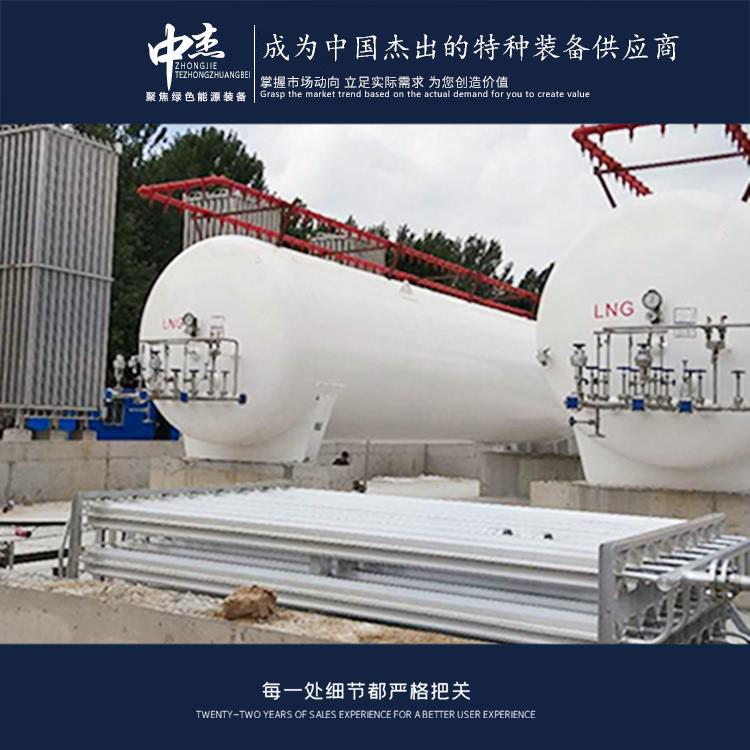

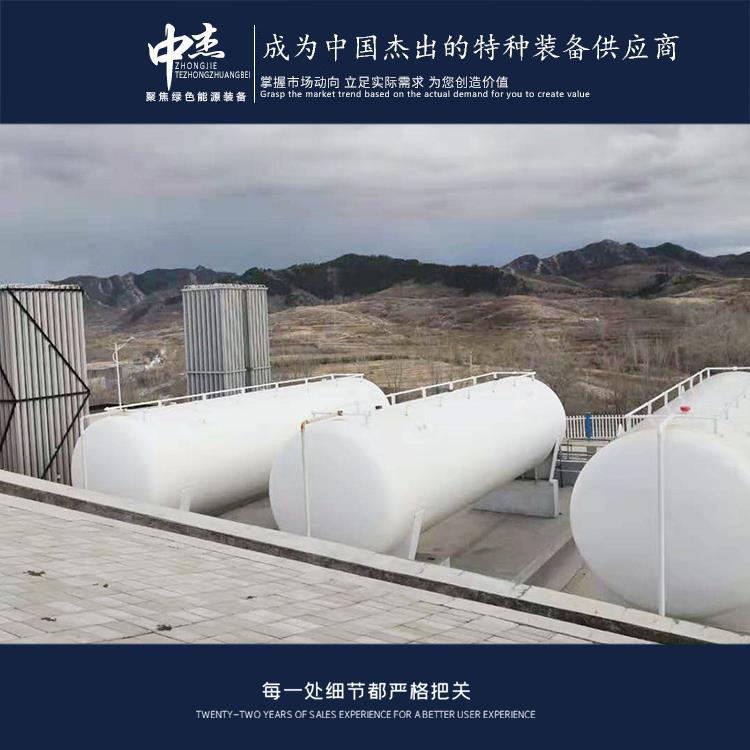
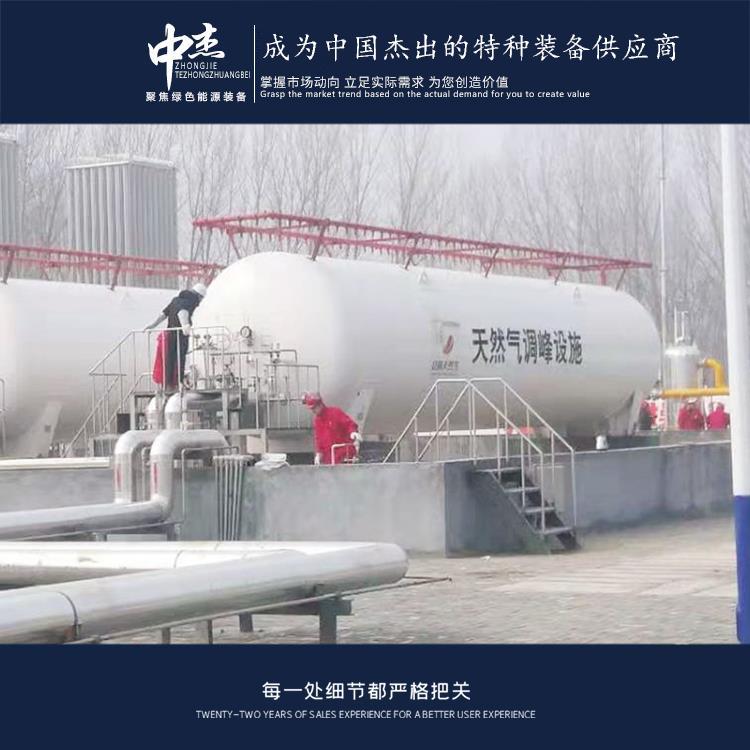


















Shandong Zhongjie Special Equipment (formerly Heze Boiler Factory Co., Ltd.) holds an A-grade boiler manufacturing license, A2-grade pressure vessel manufacturing license, A2-grade pressure vessel design license, B-grade boiler installation, and GB2/Class, GC2/Class pressure pipeline installation licenses, as well as equipment and mechanical installation contracting qualifications. It is a member of the China Boiler and Water Treatment Association, the China Chemical Equipment Association, and a director unit of the Shandong Equipment Manufacturing Association, and has passed the ISO9001 Quality Management System, ISO14001 Environmental Management System, OHSAS18001 Occupational Health and Safety Management System certifications, and the U.S. ASME/U2 certification.
Carbon dioxide level gauges are devices used to measure and monitor the liquid level of CO2 within storage tanks. Depending on the working principle and application requirements, common types of CO2 level gauges include:
- Buoy Level Gauges: Use a buoy to indicate the liquid level, with the level measured through a mechanical device or electrical signal sensor connected to the gauge.
- Pressure Level Gauges: Measure the level by utilizing the relationship between liquid pressure and level. The height of the liquid is calculated by measuring the pressure changes on a pressure sensor.
- Ultrasonic Level Gauges: Measure the level by utilizing the propagation time of ultrasound. An ultrasonic transmitter emits waves, and when the beam encounters the liquid surface, some of the beam is reflected back, with the liquid level height calculated by measuring the reflection time.
- Capillary Level Gauges: Utilize the capillary principle to measure the level. The liquid rises in a thin tube when inserted into it, and the liquid level height is calculated based on the rise.
- Wave Level Gauges: Measure the level using wave reflection. The transmitter emits waves, and when the beam hits the liquid surface, some of the beam is reflected back, with the liquid level height calculated by measuring the reflection time.
The application of these level gauges in CO2 storage tanks can be chosen based on specific requirements and tank design. When selecting and installing level gauges, consider factors such as liquid properties, working environment, and precision requirements, ensuring they are compatible with the safety operation and monitoring systems of the tank.
Carbon dioxide storage tanks can vary in size and design based on specific application requirements and capacity needs. Here are some common sizes and designs of carbon dioxide storage tanks:
Sizes: The size of carbon dioxide storage tanks ranges from small to large, varying with capacity. Common size ranges include a few thousand to several tens of thousands of liters.
Design: Carbon dioxide storage tanks typically feature a double-walled structure, with the inner wall for storing liquid carbon dioxide and the outer wall for insulation. The inner wall is usually made of stainless steel or aluminum alloy, offering excellent corrosion resistance.
Insulation: To maintain the low temperature of liquid carbon dioxide, the outer wall of the tank usually has an insulating layer to reduce heat transfer and maintain low temperatures. The insulation layer can be a multi-layered structure, such as polyester foam, glass wool, etc.
Pressure Relief Devices: Carbon dioxide storage tanks are commonly equipped with pressure relief devices, such as safety valves, to control internal tank pressure. The set pressure of the pressure relief devices should comply with relevant requirements and be regularly inspected and maintained.
Connecting Piping: The connection between the tank and piping is usually made using appropriate methods, such as flange connections or threaded connections. The connecting piping should comply with relevant standards and specifications to ensure secure and reliable connections without leaks.
Support Structure: Large carbon dioxide storage tanks typically require a support structure to support their weight. Support structures can be made of steel or concrete, ensuring stability and safety of the tank.
It is important to note that the specific size and design of carbon dioxide storage tanks may vary depending on different applications and requirements. When selecting and using carbon dioxide storage tanks, it is essential to consider the following...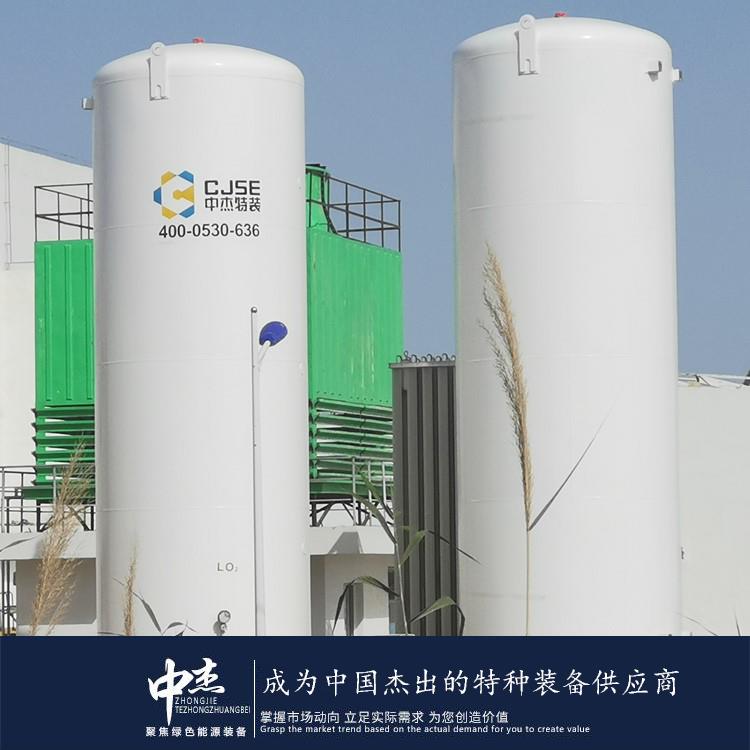
The working principle of carbon dioxide storage tanks involves the compression and liquefaction of carbon dioxide. Here is a brief description of how carbon dioxide storage tanks operate:
Compression: Carbon dioxide gas is first compressed to a higher pressure by a compressor. This process compresses the gas into a high-pressure state, allowing it to be converted into a liquid.
Cooling: The compressed carbon dioxide gas enters a cooler, where it is rapidly cooled through a cooling agent or system within the cooler. This process cools the gas below its boiling point, converting it into a liquid.
Storage: The cooled carbon dioxide liquid is stored in sealed tanks, which typically have insulating layers to minimize evaporation of liquid carbon dioxide and maintain low temperatures. The internal pressure of the tank is maintained within a certain range to ensure stable storage of the liquid carbon dioxide.
Supply: When carbon dioxide is needed, it can be extracted from the tank through valves and piping systems. By controlling the opening and flow of the valves, liquid carbon dioxide can be supplied to the required equipment or system.
It should be noted that the working principle of carbon dioxide storage tanks may vary depending on specific design and manufacturing. When using carbon dioxide storage tanks, follow the operation manual and safety guidelines, and cooperate with local regulatory authorities and personnel to ensure the tank's safety and reliability.
The quality of carbon dioxide storage tanks is related to several factors:
- Material Quality: The quality of the materials used directly impacts the tank's corrosion resistance, strength, and sealing performance. Common materials include carbon steel and stainless steel. Selecting high-quality materials can enhance the tank's quality and lifespan.
- Manufacturing Process: The manufacturing process significantly influences the tank's quality. Welding, heat treatment, and surface treatment during production should meet relevant standards and specifications to ensure structural integrity and performance stability.
- Design Standards: The tank's design must comply with applicable design specifications and standards, such as industry norms. A well-designed tank ensures sufficient strength and safety under normal operating conditions.
- Safety Accessories: Safety accessories like relief valves, pressure sensors, and temperature sensors play a crucial role in the tank's quality and safety. Selecting quality accessories and ensuring proper installation and tuning can improve the tank's quality and safety.
- Inspection and Testing: Inspections and tests, such as material inspection, weld testing, and pressure testing, are necessary during production. These tests ensure the tank meets quality requirements and complies with safety standards.
- Usage and Maintenance: The tank's usage and maintenance also impact its quality. Correct usage and regular maintenance can extend the tank's lifespan and maintain its optimal working condition.
-In summary, the quality of carbon dioxide storage tanks is influenced by various factors, including material quality, manufacturing process, design standards, safety accessories, inspections and testing, and usage and maintenance. When selecting and using storage tanks, attention should be given to these factors to ensure quality and safety.
Shandong Zhongjie Special Equipment, welcome customers to our factory for business discussions.
WeChat Official Account

Scan to follow Official Account



















