


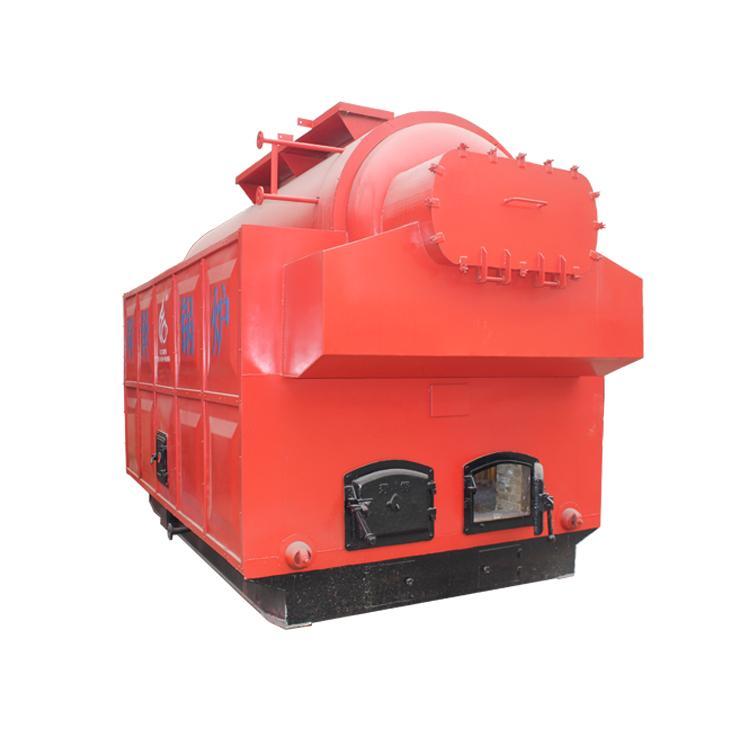

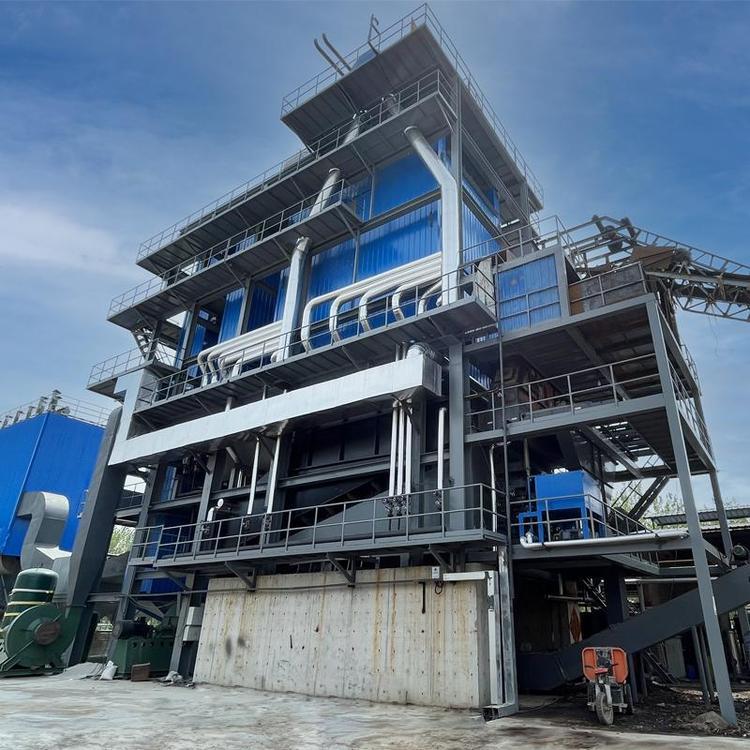
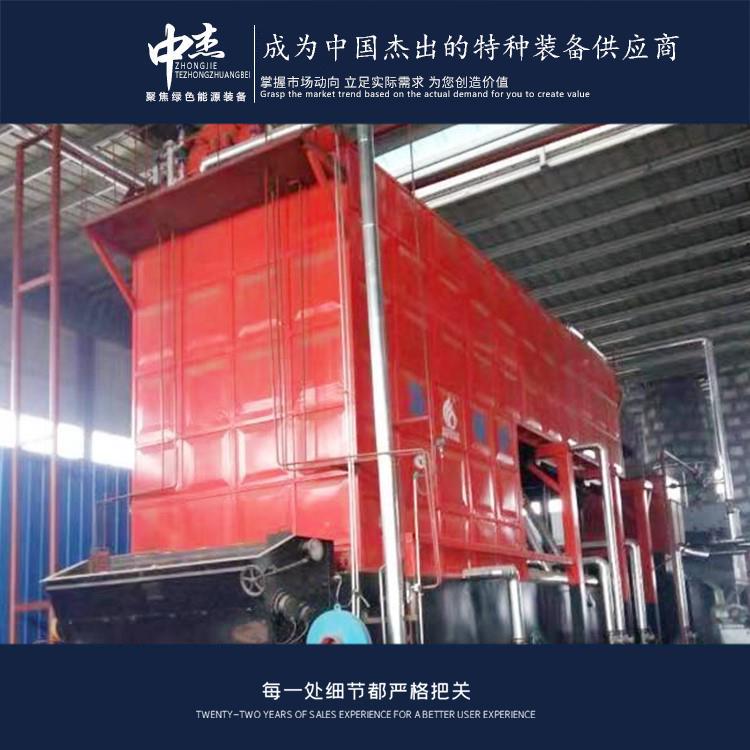


















Shandong Zhongjie Special Equipment's main products include: fuel (gas) boilers, organic heat carrier boilers, biomass boilers, waste heat boilers, and other boiler products; vacuum insulation cryogenic pressure vessels such as LNG tanks, oxygen/nitrogen/argon tanks, and CO2 tanks; pressure vessel products such as denitrification engineering equipment, heat storage and energy storage equipment, and complete chemical equipment; central air conditioning and ventilation equipment such as ground (water) source heat pumps, air source units, water-cooled screw units, and air-cooled modular units. Planned products include large-scale energy centers, LNG transport vehicles, LNG tank containers, and other green energy equipment.
Biomass boilers may experience issues with ash accumulation and slagging during prolonged operation. These problems can affect the boiler's combustion efficiency and safety. Here are methods to deal with ash accumulation and slagging in biomass boilers:
Regular Cleaning: Regularly cleaning the ash and soot buildup inside the boiler is crucial for preventing scale and slag formation. Cleaning schedules can be tailored based on the boiler's usage, including the combustion chamber, flue, and heat exchanger sections. During the cleaning process, appropriate tools and cleaning agents should be used to ensure the removal of ash and soot.
Adjust combustion parameters: Properly adjusting the combustion parameters of a biomass boiler can reduce the occurrence of ash accumulation and coking. For example, adjust combustion temperature, oxygen supply, and combustion time to enhance combustion efficiency and minimize ash and slag production.
Additives Usage: During biomass combustion, special additives such as ash and slag inhibitors and coking inhibitors can be added. These additives help reduce the formation of ash and carbon deposits, enhancing the boiler's cleanliness and combustion efficiency. The use of additives should be based on specific conditions and the manufacturer's recommendations.
Regular Inspections and Maintenance: Regularly inspect and maintain all components of the biomass boiler, including burners, fans, flues, and heat exchangers, to promptly identify and address issues like ash accumulation and fouling. During inspections, you can clear clogged parts and repair damaged ones, ensuring the boiler operates smoothly.
Note that dealing with biomass boiler ash and slagging issues requires a case-by-case approach. Consult with boiler maintenance personnel or manufacturers for more detailed and accurate advice. Additionally, regular cleaning and maintenance are crucial measures to prevent ash and slagging problems.
Biomass boiler combustion offers the following energy-saving features compared to traditional fuel boilers:
Combustion: The combustion technology and design of biomass boilers enable the burning of biomass fuel. Compared to traditional fuel boilers, biomass boilers have higher combustion efficiency, allowing for more complete energy utilization from the fuel and reducing energy waste.
Heat Recovery Utilization: Biomass boilers are equipped with a heat recovery system that can use the excess heat from combustion to heat the supply system, improving energy efficiency. The heat from flue gas in traditional fuel boilers is often wasted, but biomass boilers can recover and utilize this heat from flue gas, reducing energy waste.
Renewable Energy Utilization: Biomass boilers utilize renewable biomass fuels such as wood chips, straw, and waste crops, reducing dependence on finite fossil fuel resources. Compared to traditional fuel boilers, biomass boilers have a more sustainable fuel source and can achieve sustainable energy use.
Carbon Emission Reduction: The combustion of biomass fuel results in relatively lower carbon emissions compared to traditional fuel boilers. The use of biomass boilers reduces carbon emissions and is more environmentally friendly, as it helps decrease greenhouse gas emissions.
Waste Utilization: Biomass boilers can use agricultural straw, wood waste, and other agricultural and forestry by-products as fuel, effectively utilizing waste resources and reducing resource waste. Compared to traditional fuel boilers, biomass boilers have a more diverse fuel source and can achieve effective utilization of waste.
A biomass boiler for centralized heating refers to the application of biomass boilers in the centralized heating systems of cities or large buildings. Below is an analysis of the technical features of biomass boilers for centralized heating:
Combustion Technology: The combustion technology employed in biomass boilers for centralized heating, such as fluidized bed combustion and chain grate combustion, can facilitate the combustion of biomass fuel and enhance energy utilization efficiency.
Multi-fuel adaptability: Central heating biomass boilers exhibit strong fuel adaptability, capable of accommodating various types of biomass fuels such as wood chips, straw, and waste crops, offering flexible fuel options.
Automated Control System: The automated control system equipped with biomass boilers for centralized heating can achieve automatic adjustment and operation control of the boiler, enhancing operational stability and safety.
Flue Gas Purification Technology: Flue gas purification equipment, such as dust collectors, desulfurization units, and denitrification units, installed on biomass boilers for centralized heating, can effectively reduce emissions generated during the combustion process and protect the environment.
Heat Recovery Utilization: Biomass boilers for centralized heating are equipped with a heat recovery system, which can use the excess heat generated from combustion for the heating system, improving energy efficiency and reducing energy consumption.
Remote Monitoring and Management: Biomass boilers for centralized heating can be monitored and controlled in real-time through a remote monitoring and management system, enhancing operational efficiency and convenience.
Sustainable Development: Biomass boilers for centralized heating utilize renewable biomass fuel, reducing reliance on fossil fuels, with lower carbon emissions and environmental impact, meeting the requirements of sustainable development.
In summary, centralized heating with biological
Biomass steam boilers offer several advantages:
Renewable Energy: Biomass steam boilers utilize biomass fuels such as wood chips, straw, and husks, which are renewable. Compared to traditional fossil fuels, these fuels offer lower carbon emissions and environmental friendliness.
Diverse fuel options: Biomass steam boilers are suitable for various biomass fuels such as sawdust, straw, and husks, exhibiting strong fuel adaptability. This allows biomass steam boilers to be widely used in different regions and industries.
Energy Utilization: Biomass steam boilers employ advanced combustion technology and heat recovery systems, achieving high energy utilization efficiency. By optimizing the combustion process and heat recovery, energy utilization efficiency can be maximized and energy consumption reduced significantly.
Flexible operation modes: Biomass steam boilers can be operated flexibly to meet actual needs, such as manual control, automatic control, or remote monitoring, etc. This allows biomass steam boilers to satisfy requirements in various scenarios and provide a stable steam supply.
Superior Environmental Performance: Biomass steam boilers emit relatively fewer pollutants during the combustion process, resulting in less environmental impact. With proper combustion control and flue gas treatment facilities, the content of emissions can be further reduced to meet higher environmental standards.
Replace Traditional Boilers: Biomass steam boilers can replace conventional coal or oil-fired boilers, reducing dependence on fossil fuels, lowering energy costs, and cutting carbon emissions. This is significant for achieving sustainable development and reducing greenhouse gas emissions.
In summary, biomass steam boilers feature renewable energy and diversity.
ZJ Special Equipment adheres to the great vision of "realizing employees' dreams, creating value for customers, and striving for the prosperity and strength of our motherland," focusing solely on the development of green energy equipment. We dedicate products and services with high cost-performance to society!
WeChat Official Account

Scan to follow Official Account



















