


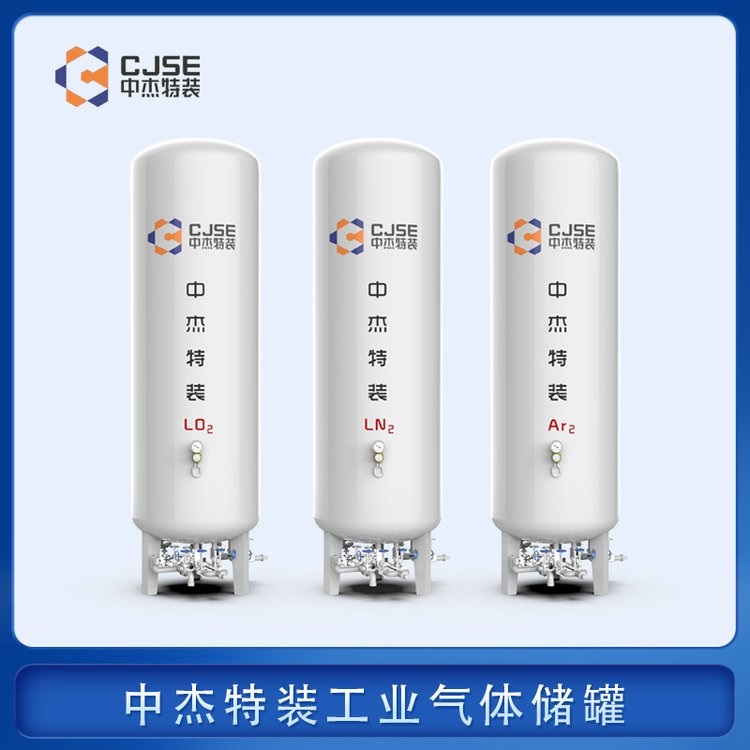

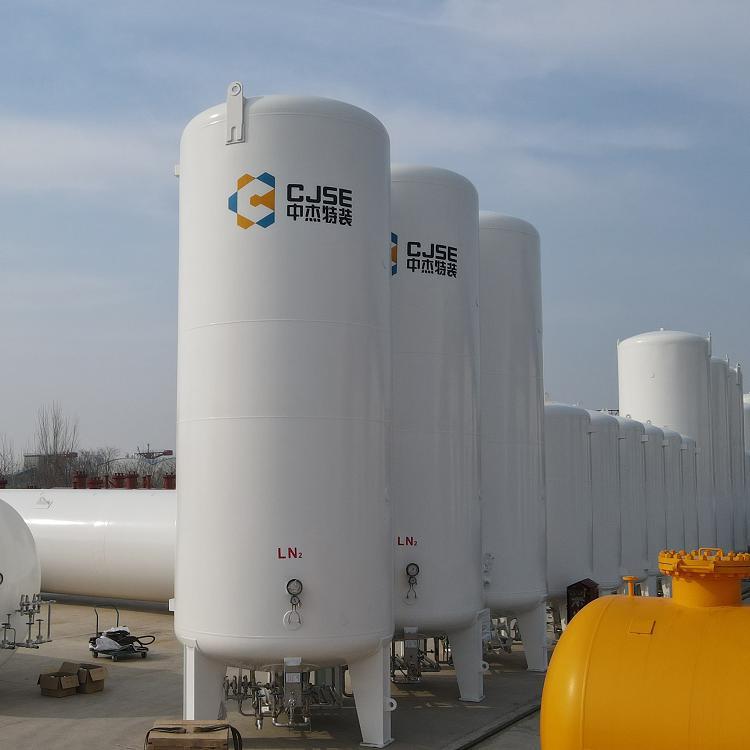
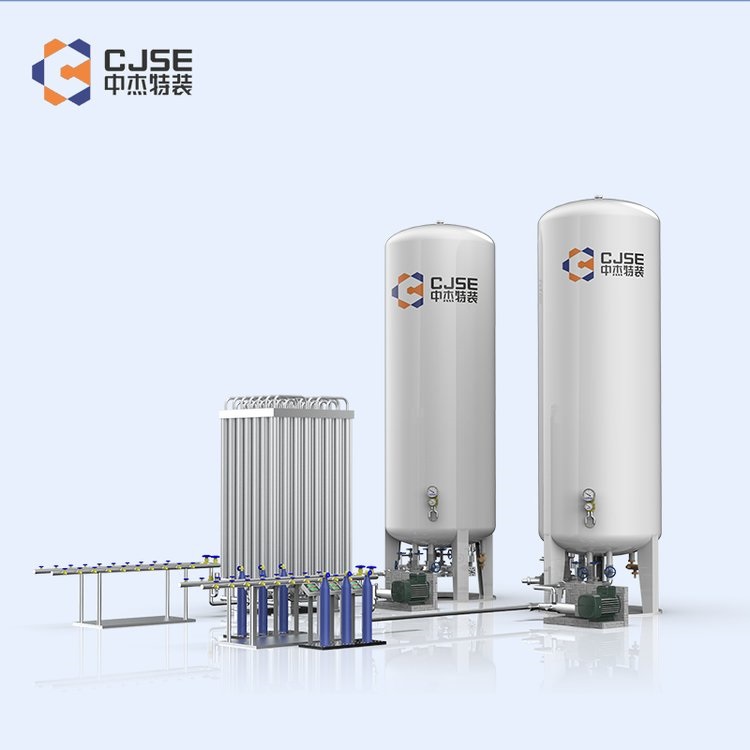


















Shandong Zhongjie Special Equipment (formerly Heze Boiler Factory Co., Ltd.) was established in 2001, located at No. 2218 Jinnan Road, Economic and Technological Development Zone, Heze City. With a registered capital of 50 million yuan and total assets of 500 million yuan, the company has 7 business centers: boilers, deep-freezing containers, pressure vessels, central air conditioning, engineering installation, international trade, and Internet of Things. It has three factory sites on Jinnan Road, East Changjiang Road, and Bohai Road, covering a total area of 200,000 square meters, with the main workshop spanning 83,000 square meters. The company currently employs 710 people, including 247 engineers and technicians, and 82 intermediate-level technicians. In December 2016, it was recognized as a "High-tech Enterprise" by the Science and Technology Department. In June 2021, it was identified as a "Specialized and New Enterprise in Shandong Province" by the Ministry of Industry and Information Technology. In June 2022, it was recognized as a "Gazelle Enterprise in Shandong Province" and in August 2022, as a "Specialized and New Small Giant Enterprise" by the Ministry of Industry and Information Technology.
Liquid nitrogen tanks feature the following characteristics during the construction process:
Low-Temperature Construction: Construction of liquid nitrogen tanks must be carried out in a low-temperature environment, as the boiling point of liquid nitrogen is low, approximately -196 degrees Celsius. Construction personnel must take appropriate protective measures, such as wearing thermal protective clothing and gloves, to protect themselves from low-temperature injury.
Welding Technology: A substantial amount of welding is required during the manufacturing process of liquid nitrogen tanks, including the joining of wall panels, bottom plates, top plates, and seams. Welding technology is crucial for the quality and safety of the tanks, necessitating the use of appropriate welding methods and materials to ensure the strength and sealability of the welds.
Insulation Layer Construction: Liquid nitrogen tanks must have excellent insulation properties to reduce heat conduction and maintain the low-temperature state of liquid nitrogen. The construction of the insulation layer requires materials such as polyester foam and glass wool, ensuring the thickness and quality of the insulation layer.
Proper installation steps for liquid nitrogen tanks are as follows:
Site Preparation: Select an appropriate site for tank installation, ensuring it is level, sturdy, and has adequate load-bearing capacity. The site should be kept away from flammable, explosive materials, and other hazards.
Foundation Construction: Construction of the foundation based on the tank's dimensions and weight, including excavation of the foundation pit and pouring of concrete foundation. The design and construction of the foundation should comply with relevant standards and specifications.
Tank Installation: Transport the tank to the site and perform a vertical installation. Suitable lifting equipment and safety measures are required during the installation process to ensure the stability and safety of the tank.
Pipe Connections: Connect the storage tank to the relevant pipeline system as required, including intake pipes, exhaust pipes, and liquid supply pipes, etc. Sealing and testing must be performed during the connection process to ensure the safety of the pipes.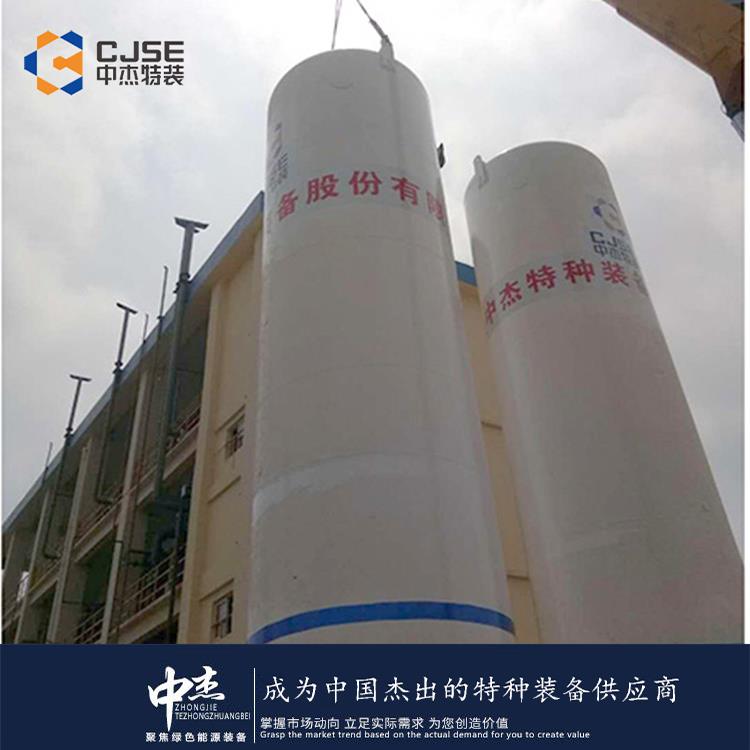
Carbon dioxide tanks and liquid oxygen tanks are containers used for storing different gases; they have some differences in their physical properties:
Physical State: Carbon dioxide is a gas at room temperature and pressure, and it must be cooled and compressed to become liquid. Liquid oxygen is also a liquid at room temperature, but it needs to be cooled further to solidify.
Boiling and freezing points: The boiling point of carbon dioxide is -78.5 degrees Celsius, and its freezing point is -56.6 degrees Celsius. The boiling point of liquid oxygen is -183 degrees Celsius, and its freezing point is -218.8 degrees Celsius. The boiling and freezing points of liquid oxygen are significantly lower than those of carbon dioxide.
Density: The density of liquid oxygen is relatively high, at about 1.14 grams per cubic centimeter. Carbon dioxide has a lower density, approximately 0.00198 grams per cubic centimeter. The density of liquid oxygen is about 570 times that of carbon dioxide.
Pressure: Liquid oxygen has a higher pressure, typically ranging from tens to hundreds of MPa (Megapascals). Carbon dioxide has a lower pressure, usually within a few MPa (Megapascals).
Safety: Liquid oxygen has a high oxygen content, which can easily cause fires and explosions. Carbon dioxide also poses asphyxiation risks at certain concentrations.
Note that carbon dioxide and liquid oxygen are both highly flammable and explosive substances. Strict adherence to relevant safety operating procedures and standards, as well as the implementation of necessary safety measures, is required for storage and use to ensure the safety and stability of the storage tanks.
When using a 50-cubic-liter liquid oxygen storage tank, the following safety issues should be noted:
Tank Pressure Control: Ensure the liquid oxygen pressure within the tank is consistently maintained within a safe range. Monitor and control the tank's pressure to avoid risks posed by excessive or low pressure.
Leakage and Fire Prevention: Regularly inspect the tank and related pipelines for seal integrity to prevent oxygen liquefied leakage. Oxygen liquefied is highly flammable and fire prevention measures must be taken to ensure there are no ignition sources around the tank.
Explosion-proof measures: Oxygen in the liquid oxygen tank may cause an explosion upon contact with flammable materials. Ensure there are no flammable items around the tank and implement explosion-proof measures, such as explosion-proof electrical equipment and static grounding.
Safety Valves and Emission Systems: Tanks should be equipped with safety valves and emission systems to prevent overpressure situations. Ensure the proper functioning of the safety valves and the unobstructed flow of the emission systems.
Routine Maintenance and Inspection: Regularly perform maintenance and inspections on the storage tanks, including cleaning, coating protection, and corrosion prevention. Ensure the structural integrity and safety of the tanks.
Safety Operation and Training: Operators must undergo relevant safety training, familiarize themselves with the safe operation procedures and emergency response measures for liquid oxygen storage tanks. Adhere to correct operational steps to ensure safe operation.
Environmental Monitoring: Regularly monitor environmental parameters such as oxygen concentration and temperature around the storage tanks to ensure safety.
Emergency Preparedness: Develop an emergency response plan, including measures for leaks, fires, and explosions. Equip with appropriate emergency and fire fighting equipment to handle unexpected incidents.
Above are some safety issues to be aware of when using a 50-cubic-liter liquid oxygen storage tank. To ensure safety, it is recommended to follow relevant safety regulations and operation guidelines, and seek assistance and guidance from professionals when necessary.
When storing liquid nitrogen in low-temperature storage tanks, the following points should be noted:
Protective Gear: When operating low-temperature storage tanks, appropriate protective gear must be worn, including protective gloves, suits, and non-slip shoes. This equipment safeguards the skin from the low temperatures of liquid nitrogen and other hazards.
Avoid direct contact: Liquid nitrogen is extremely cold and can cause chilling. Therefore, it is essential to avoid direct contact with liquid nitrogen, especially with the skin. Use tools or utensils for handling to prevent direct hand contact with liquid nitrogen.
Ventilation Requirements: In the operation area of low-temperature storage tanks, proper ventilation must be ensured to expel gases produced by the evaporation of liquid nitrogen. Maintain air circulation to avoid excessive oxygen concentration and reduce the risk of fire and explosion.
Prevent Leaks: Regularly inspect the low-temperature storage tanks for leaks and equip with leak detection and alarm systems. In case of a leak, take immediate action to control and repair it. Avoid the hazards of liquid nitrogen leaks to personnel and the environment.
Fire Prevention Measures: Liquid nitrogen has a low boiling and freezing point, which is prone to causing fires. Measures such as setting up fire barriers around low-temperature storage tanks and using fire-retardant coatings are taken to prevent fires from occurring and spreading.
Static Protection: The accumulation of static electricity in low-temperature tanks may cause sparks, increasing the risk of fire. Measures such as using static-conductive materials and anti-static equipment are taken to reduce the accumulation and release of static electricity.
Regular inspections and maintenance: Conduct regular checks on the status of low-temperature storage tanks and related equipment, including valves, pipes, pressure gauges, etc. Ensure the equipment is in good condition without damage, and promptly repair or replace any damaged parts.
Waste Gas Treatment: During the operation of low-temperature storage tanks, waste gases are produced, and appropriate waste gas treatment measures must be implemented to minimize environmental impact.
Above are the precautions to be taken when storing liquid nitrogen in a low-temperature storage tank, ensuring safe operation and the normal functioning of the tank. During operation, strictly follow the relevant operational procedures and safety requirements to prevent accidents.
Zhongjie Special Equipment upholds the grand vision of "realizing employees' dreams, creating value for customers, and striving for the prosperity and strength of our motherland," and is dedicated to the development of the green energy equipment industry. We offer society high-quality products and services with competitive pricing!
WeChat Official Account

Scan to follow Official Account



















