





















Shandong Zhongjie Special Equipment (formerly Heze Boiler Factory Co., Ltd.) holds an A-grade boiler manufacturing license, an A2-grade pressure vessel manufacturing license, an A2-grade pressure vessel design license, a B-grade boiler installation license, and GB2/Class, GC2/Class pressure pipeline installation licenses, as well as a mechanical and electrical equipment installation contracting qualification. It is a member of the China Boiler and Water Treatment Association, the China Chemical Equipment Association, and the director unit of the Shandong Equipment Manufacturing Association. The company has also passed the ISO9001 Quality Management System, ISO14001 Environmental Management System, OHSAS18001 Occupational Health and Safety Management System certifications, and the American ASME/U2 certification.
Proper selection of a thermal oil heater requires considering the following aspects:
- Thermal Load Requirement: First, determine the required thermal load for the heater, i.e., the heat energy needed. Establish the rated power and thermal load range of the heater based on actual needs to ensure sufficient heat energy supply.
- Operating Temperature and Pressure: The operating temperature and pressure range of the heater must match the actual application. Choose the appropriate temperature and pressure range based on process requirements and working environment to ensure stable operation of the heater.
- Thermal Oil Type: Select the appropriate type of thermal oil based on process requirements and working environment. Common thermal oils include silicone thermal oil, organic thermal oil, and mineral oil thermal oil, each with different operating temperature ranges and characteristics. Choose according to actual needs.
- Equipment Quality and Reputation: Choose a thermal oil heater supplier with a good reputation and quality. Ensure the manufacturing process and material quality of the heater are reliable, providing stable and reliable performance and after-sales service.
- Safety and Environmental Protection: The safety and environmental protection of the heater are important considerations. Select a heater with safety protection devices and environmental certifications to ensure personnel and equipment safety during operation.
- Economic and Energy Efficiency: Consider the economic and energy efficiency of the heater. Choose a heater with high energy efficiency and energy-saving features to reduce energy consumption and operating costs.
Considering all these factors and selecting an appropriate thermal oil heater based on actual needs can ensure stable equipment operation.
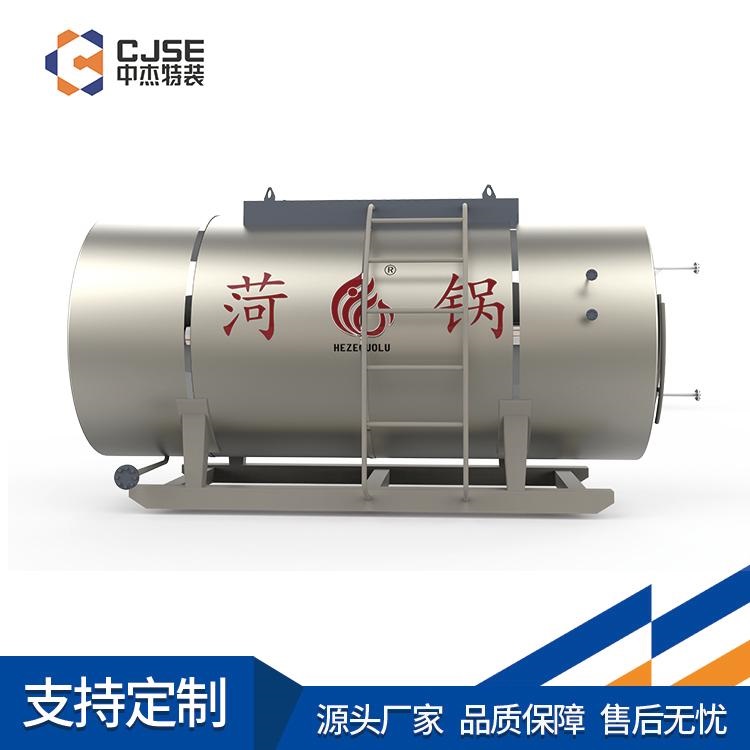
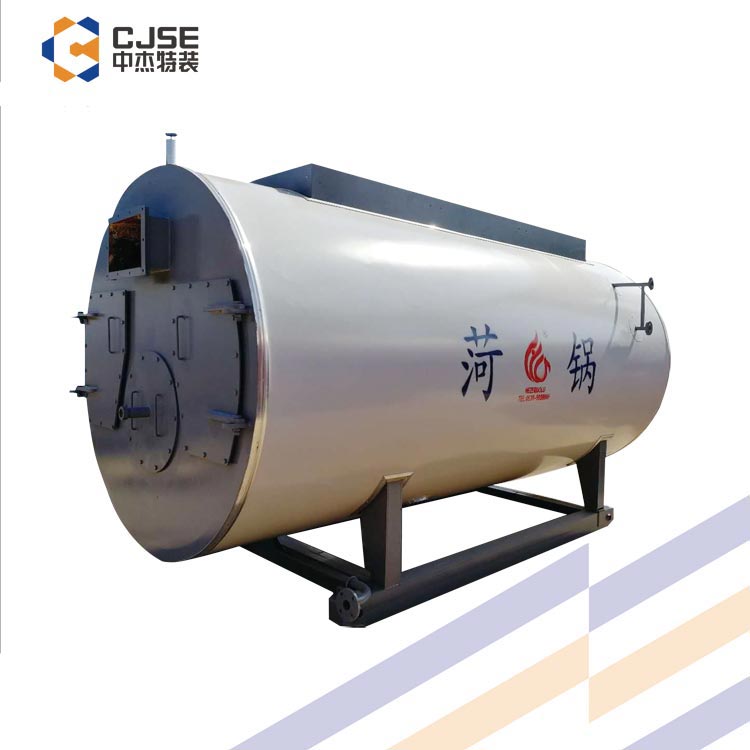
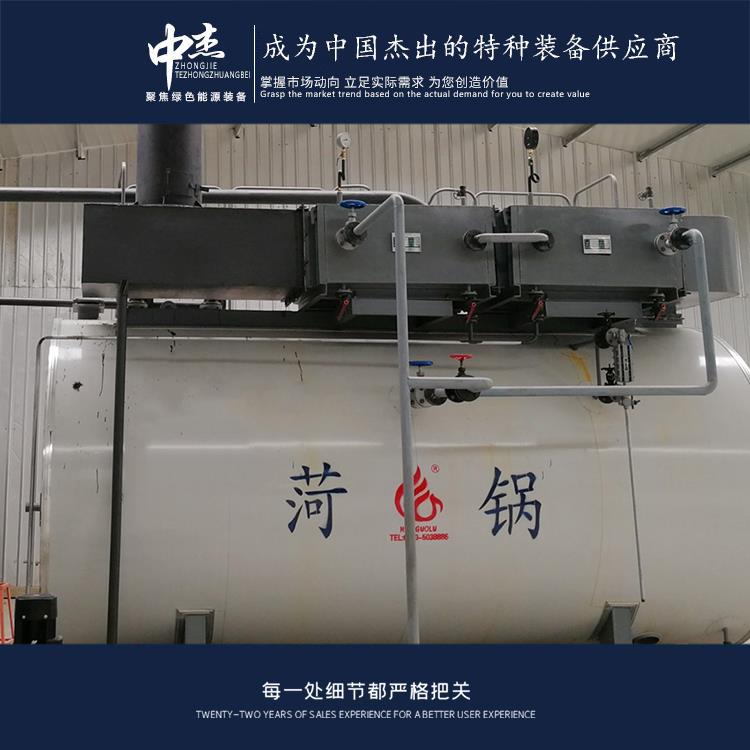
WNS Low-Nitrogen Condensing Hot Water Boilers offer the following advantages:
- Low Nitrogen Emissions: Utilizing low-nitrogen combustion technology, these boilers significantly reduce NOx emissions through optimized combustion processes and burner design. This helps minimize environmental pollution.
- High Thermal Efficiency: Equipped with condensing technology, these boilers enhance energy utilization by recovering heat from flue gases. The thermal efficiency typically exceeds 90%, surpassing that of conventional hot water boilers, contributing to energy savings and reduced operating costs.
- Safety and Reliability: The control systems and safety devices employed in these boilers ensure excellent safety performance. They come with multiple safety features, including overheat protection, overpressure protection, and water level protection, to automatically monitor and control the boiler's operation, ensuring safe operation.
- Flexibility: WNS Low-Nitrogen Condensing Hot Water Boilers are suitable for various applications, including industrial, commercial, and residential settings. They can accommodate different thermal load requirements, offering strong flexibility. Additionally, they can be integrated with other systems, such as solar hot water systems and ground-source heat pump systems, to further enhance energy efficiency.
- Easy Operation and Maintenance: The operation and maintenance of WNS Low-Nitrogen Condensing Hot Water Boilers are straightforward.
Yes, thermal oil boilers typically come with some self-protection features to ensure safe operation and extend their service life. Here are some common self-protection functions: Overheat Protection: Thermal oil boilers are equipped with overheat protection devices that automatically shut off the burner's gas supply when the thermal oil temperature exceeds the set safe range, preventing overheating of the thermal oil and avoiding equipment damage and safety accidents. Overpressure Protection: Thermal oil boilers also have overpressure protection devices that automatically shut off the burner's gas supply when the thermal oil pressure exceeds the set safe range, preventing the system from exploding or leaking. Burner Automatic Control: The burners of thermal oil boilers are usually equipped with automatic control systems that can automatically adjust gas supply and combustion effect based on set working parameters, maintaining a stable combustion state and avoiding incomplete or excessive combustion. Temperature Control and Adjustment: Thermal oil boilers are typically equipped with temperature control and adjustment devices that can automatically regulate the circulation and heating of the thermal oil based on the set working temperature, maintaining a stable working temperature and avoiding excessive or low temperatures. Water Level Protection: For some thermal oil boilers, especially water tube boilers, water level protection devices are also installed to monitor the water level of the thermal oil and water. When the water level is abnormal, the protection device automatically shuts off the burner's gas supply to prevent dry burning and oil leakage. It is important to note that although thermal oil boilers have self-protection features, they still require regular inspections and maintenance to ensure the normal operation and reliability of these protection devices. Additionally, operators need to understand and master the working principles and operation methods of these self-protection functions to ensure safe operation.
The inspection content and requirements for gas-fired boilers typically include the following aspects:
Safety valve and pressure gauge: Check the installation and fastening of the safety valve and pressure gauge to ensure proper operation and accurate pressure display.
Combustion system: Inspect the operating status of the burner, including ignition, combustion, and combustion stability. Check the connection of the gas supply pipeline and valves to ensure no leaks.
Flue and heat exchanger: Inspect the cleanliness of the flue and heat exchanger, including ash and dirt accumulation, to ensure heat exchange efficiency and smoke emission meet requirements.
Water level control system: Check the operating status of the water level controller and gauge to ensure accurate and reliable water level control, preventing excessive or low water levels.
Gas supply system: Inspect the installation and connection of the gas supply pipeline and valves to ensure normal gas supply and no leaks.
Electrical system: Check the wiring and connection of the electrical system, including power supply, controllers, and sensors, to ensure proper operation of electrical equipment and avoid electrical faults.
Safety devices: Inspect the operating status of safety devices, including safety valves, pressure switches, and temperature controllers, to ensure proper operation and guarantee safe boiler operation.
Records and documents: Review the boiler's operation records, maintenance records, and inspection reports, ensuring the completeness and accuracy of the operational and maintenance records.
The inspection of gas-fired boilers should be conducted by institutions or personnel with the corresponding qualifications, in accordance with relevant laws, regulations, and standards. The frequency and specific requirements of the inspection can be determined based on the boiler's usage and local regulations. Timely inspections and maintenance can ensure the safe operation and performance of gas-fired boilers.
ZJ Special Equipment adheres to the great vision of "realizing employees' dreams, creating customer value, and striving for the prosperity and strength of our motherland," focusing on the development of green energy equipment industry, and devoting high-value products and services to society!
WeChat Official Account

Scan to follow Official Account



















