


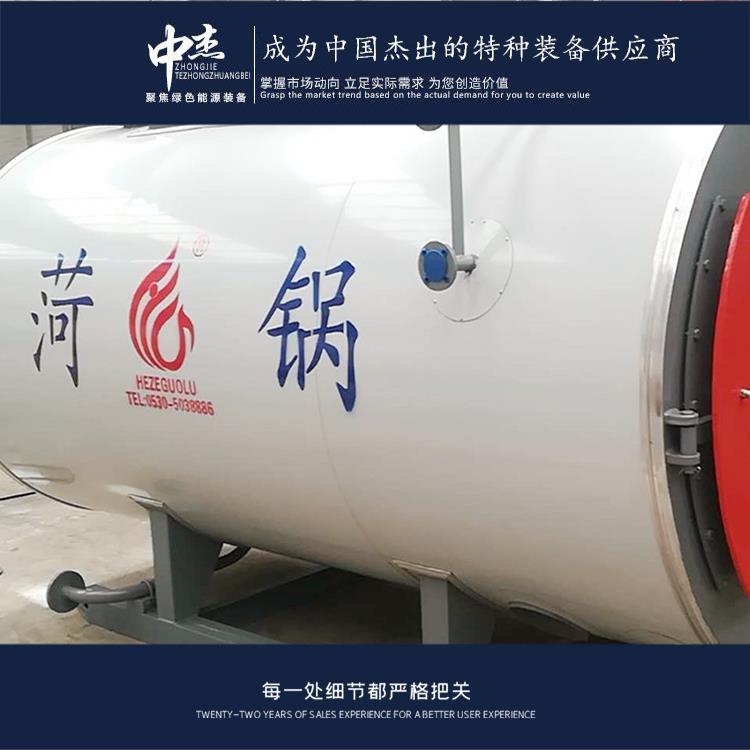

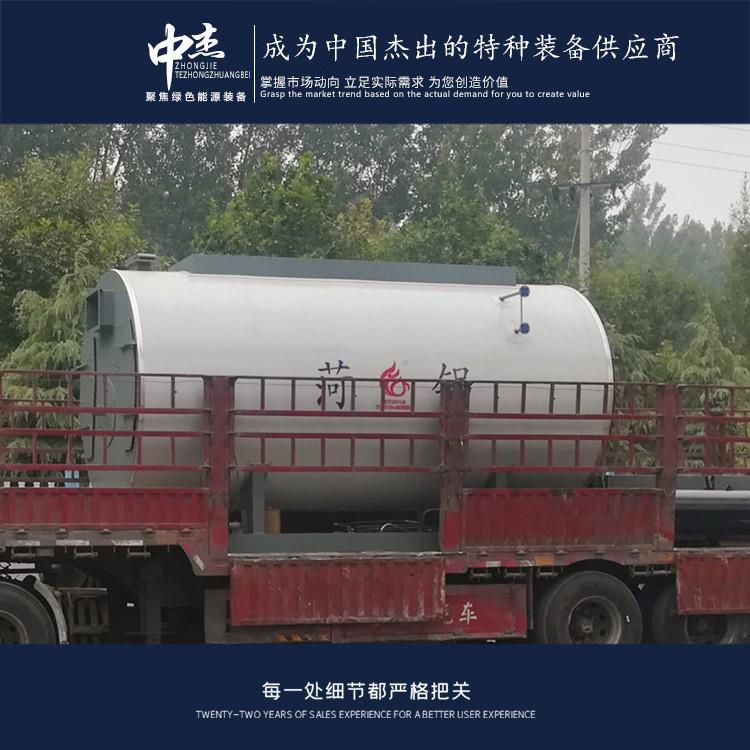
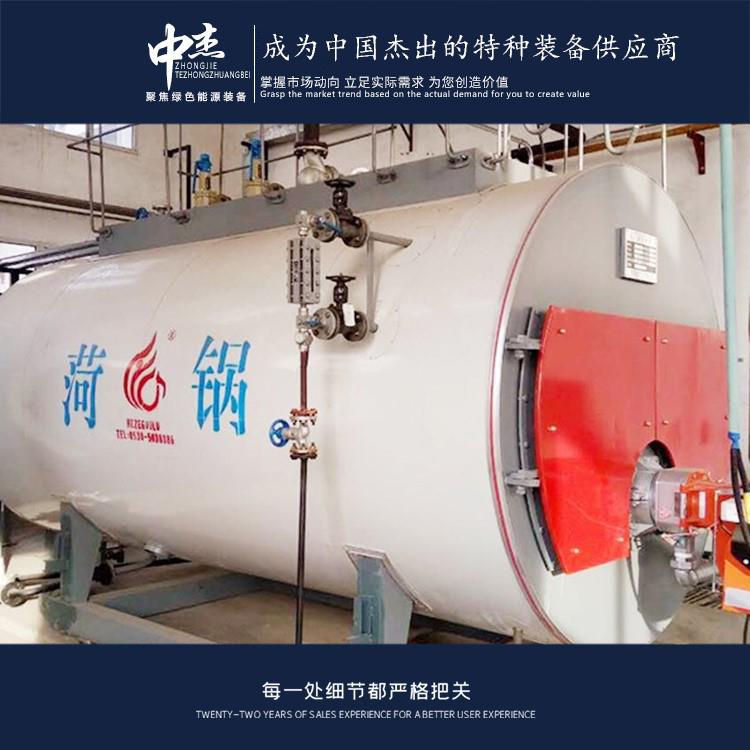


















Shandong Zhongjie Special Equipment's main products include: fuel (gas) boilers, organic heat carrier boilers, biomass boilers, waste heat boilers, and other boiler products; vacuum insulation cryogenic pressure vessels such as LNG tanks, oxygen-nitrogenargon tanks, and CO2 tanks; pressure vessel products such as denitrification engineering equipment, heat storage and energy storage equipment, and complete chemical equipment sets; central air conditioning and HVAC equipment like ground (water) source heat pumps, air source units, water-cooled screw units, and air-cooled modular units. Planned products include large-scale energy centers, LNG transport vehicles, LNG tank containers, and other green energy equipment.
During the production welding of thermal oil boilers, the following points should be noted:
Welder Qualification: Ensure that the welders involved in the welding work have appropriate qualifications and experience, and are familiar with welding processes and operational procedures.
Welding Material Selection: Choose welding materials suitable for thermal oil boilers, ensuring their compatibility with thermal oil and high-temperature resistance.
Welding Process Control: Select an appropriate welding process, such as manual arc welding or gas shielded welding, based on the material and design requirements of the thermal oil boiler. Control welding parameters like current, voltage, and welding speed to ensure the quality and strength of the weld.
Welding Area Protection: During the welding process, the welding area should be protected to prevent contamination from thermal oil and welding materials. Use welding barriers, welding shields, and other equipment to ensure the cleanliness and safety of the welding area.
Post-Welding Treatment: After welding, post-treatment of the weld should be performed, such as slag removal, grinding, and cleaning, to ensure the flatness and surface quality of the weld.
Welding Quality Inspection: Conduct welding quality inspections, including visual examination of the weld, dimensional measurements, and non-destructive testing, to ensure that the welding quality meets requirements.
Safety Measures: Pay attention to safety measures during the welding process, such as wearing protective eyewear, gloves, and fire-resistant clothing, to ensure the safety of the welding operation.
It is important to follow relevant standards and specifications during the welding process to ensure welding quality and safety. If unsure about how to perform welding or if there are potential safety hazards, seek advice from a welding engineer or consult relevant agencies.
Regular inspections of industrial boilers are crucial for ensuring safe operation, improving efficiency, and extending their lifespan. Here are the importance of regular inspections for industrial boilers:
Safety Assurance: Industrial boilers are high-temperature, high-pressure equipment. Without regular inspections, there may be potential safety hazards. Regular inspections can identify and eliminate potential issues within the boiler, such as combustion system failures, water level control malfunctions, and safety valve failures, ensuring the safe operation of the boiler.
Efficiency Enhancement: Regular inspections can uncover dirt and deposits inside the boiler, maintaining the cleanliness and thermal transfer efficiency of heat exchangers, and improving the boiler's thermal and energy efficiency. This helps reduce energy consumption and operating costs.
Extended Lifespan: Regular inspections can detect and address corrosion, wear, and fatigue issues within the boiler in a timely manner, preventing further damage and failures, thus extending the boiler's lifespan. Regular maintenance can also prevent and reduce boiler damage and failures.
Legal and Regulatory Requirements: Many regions have established boiler safety management laws, regulations, and standards that require regular inspections and maintenance of industrial boilers. Regular inspections are a critical component of meeting legal and regulatory requirements.
Insurance Requirements: Some insurance companies have specified insurance requirements for industrial boilers, mandating regular inspections and maintenance. Regular inspections can meet insurance company requirements and protect the insurance rights of the enterprise.
In summary, regular inspections of industrial boilers are important for ensuring safety, improving efficiency, extending lifespan, complying with legal and regulatory requirements, and meeting insurance requirements. Regular inspections should be conducted by qualified institutions or individuals, following relevant laws, regulations, and standards. Timely inspections and maintenance can ensure the safe operation of industrial boilers.
The inspection contents and requirements for gas-fired boilers typically include the following aspects:
Safety Valve and Pressure Gauge: Check the installation and fastening of the safety valve and pressure gauge to ensure normal operation and accurate pressure display.
Combustion System: Inspect the operating status of the burner, including ignition, combustion, and combustion stability. Check the connections of the gas supply pipes and valves to ensure no leaks.
Chimney and Heat Exchanger: Inspect the cleanliness of the chimney and heat exchanger, for accumulated dust and dirt, to ensure heat exchange efficiency and smoke emission meet requirements.
Water Level Control System: Check the operating status of the water level controller and gauge to ensure accurate and reliable water level control, preventing overfill or low water levels.
Gas Supply System: Inspect the installation and connection of the gas supply pipes and valves to ensure normal gas supply and no leaks.
Electrical System: Check the wiring and connections of the electrical system, including power supply, controllers, and sensors, to ensure normal operation of electrical equipment and avoid electrical failures.
Safety Devices: Inspect the operating status of safety devices, including safety valves, pressure switches, and temperature controllers, to ensure normal operation and ensure safe boiler operation.
Records and Documents: Review the boiler's operating records, maintenance records, and inspection reports, etc., to ensure the completeness and accuracy of the operation and maintenance records.
Inspections of gas-fired boilers should be conducted by institutions or personnel with the relevant qualifications, in accordance with relevant laws, regulations, and standards. The frequency and specific requirements of the inspections can be determined based on the boiler's usage and local regulations. Timely inspections and maintenance ensure safe and efficient operation of gas-fired boilers.
In addressing issues with gas boilers during the heating process, consider the following aspects:
- Check gas supply: Ensure the gas supply is normal and inspect the gas pipeline for blockages or leaks. If any issues are found, repair or replace the gas pipeline promptly.
- Clean the burner and combustion chamber: Regularly clean the burner and combustion chamber to remove soot and dirt. This improves combustion efficiency and reduces gas waste.
- Check and adjust the gas-to-air ratio: Ensure the gas-to-air ratio is appropriate for optimal combustion. An incorrect ratio can lead to incomplete combustion or excessive exhaust emissions.
- Inspect and clean the heat exchanger: Regularly inspect and clean the heat exchanger to remove soot and dirt. This enhances heat exchange efficiency and ensures effective heat transfer to the heating system.
- Check and maintain the circulating pump and valves: Ensure the circulating pump and valves operate properly to allow smooth flow of hot water or steam through the heating system.
- Inspect and maintain the control system: Ensure the gas boiler's control system operates correctly, accurately controlling parameters such as temperature, pressure, and flow. If problems arise, repair or replace the controller promptly.
- Regular maintenance: Conduct regular maintenance on the gas boiler, including cleaning, lubricating, and tightening bolts. This extends the boiler's lifespan and reduces the occurrence of malfunctions.
- Training and awareness: Provide employee training to enhance awareness of operating and maintaining gas boilers. Improved knowledge and skills among staff aid in effective management and problem-solving during the heating process.
- If issues cannot be resolved or safety concerns arise:
Shandong Zhongjie Special Equipment, welcome customers for factory negotiations and cooperation.
WeChat Official Account

Scan to follow Official Account



















