


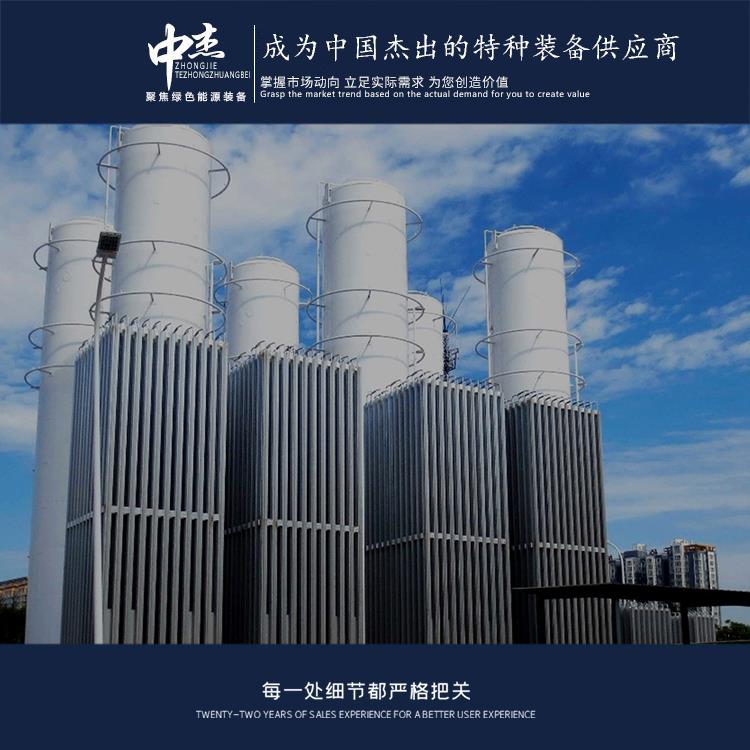

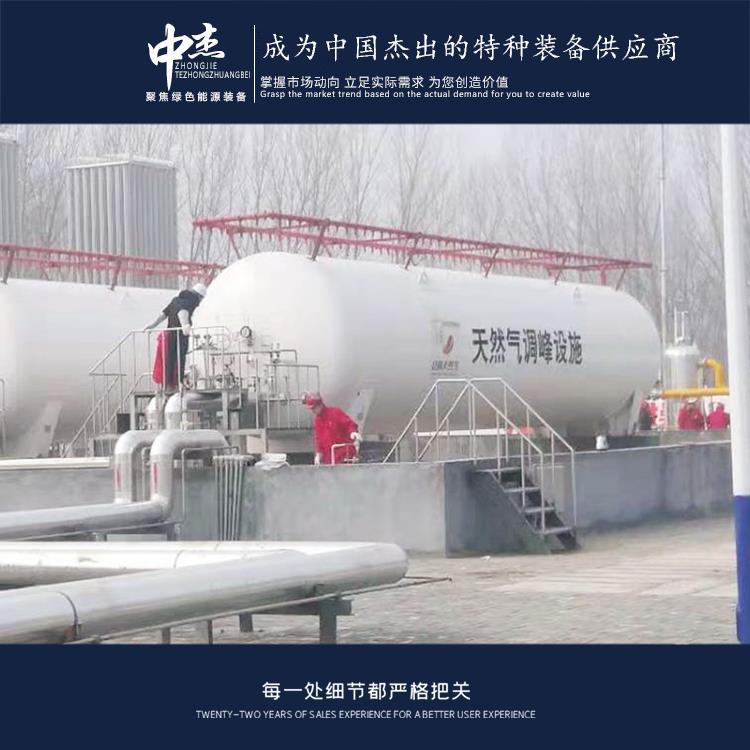
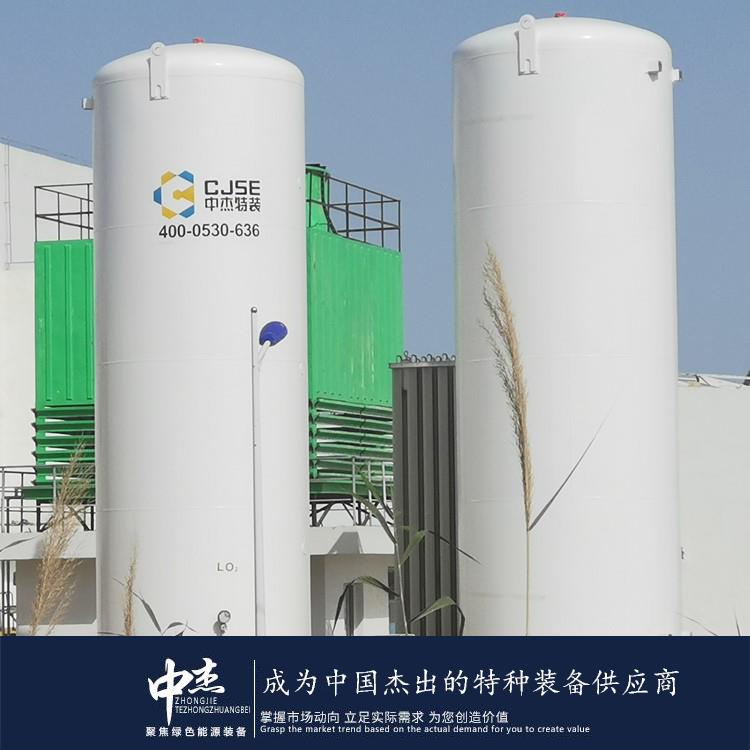


















Shandong Zhongjie Special Equipment (formerly Heze Boiler Factory Co., Ltd.) holds an A-grade boiler manufacturing license, an A2-grade pressure vessel manufacturing license, an A2-grade pressure vessel design license, a B-grade boiler installation license, and GB2/Class GC2 pressure pipeline installation licenses, as well as a qualification for mechanical and electrical equipment installation contracts. It is a member of the China Boiler and Water Treatment Association, the China Chemical Equipment Association, and the director unit of the Shandong Equipment Manufacturing Association. The company has also passed the ISO9001 Quality Management System, ISO14001 Environmental Management System, OHSAS18001 Occupational Health and Safety Management System certifications, and the U.S. ASME/U2 certification.
Carbon dioxide tanks are widely used in many different industries. Here are some common applications:
Food and Beverage Industry: Carbon dioxide tanks are used in the production of carbonated beverages, beer, soda, etc. Carbon dioxide is injected into the drinks to enhance their fizz and taste.
Industry: In the industry, carbon dioxide tanks are utilized for applications such as anesthesia, respiration, emergency care, etc. Liquid carbon dioxide can be used to create refrigerants for freezing and preserving biological samples and tissues.
Fire Suppression: Carbon dioxide tanks are used in fire suppression systems in the fire service. Carbon dioxide is released into the fire scene to extinguish flames by suppressing oxygen supply.
Gas Supply: Carbon dioxide tanks are also used to supply CO2 gas in industrial and commercial sectors. These gases can be used for welding, gas shielding, semiconductor manufacturing, water treatment, and more.
Climate Control: Carbon dioxide tanks are used in greenhouses and indoor plant cultivation to control and increase the CO2 concentration for plant growth.
Additionally, carbon dioxide tanks can be used in other industries, such as the automotive industry (for airbag systems), and other industries (for propellants and gas supply).
It's important to note that the requirements and applications for carbon dioxide tanks may vary by industry. When using carbon dioxide tanks, it is essential to follow relevant regulations and standards, and ensure that the design, manufacturing, and use of the tanks meet the necessary requirements.
When using carbon dioxide storage tanks, the following safety procedures must be adhered to ensure safety:
Tank Operator Training: All operators must receive training to understand the characteristics, operational requirements, and safety measures of carbon dioxide storage tanks. Training should include safe tank operation, leak handling, emergency response plans, etc.
Safety Operating Procedures: Establish and follow relevant safety operating procedures, including start-up, shutdown, inspection, and maintenance of the tank. Operators should operate in accordance with the procedures to ensure the safe operation of the tank.
Leak Handling: Develop a leak handling program, including leak detection, emergency shutdown, and isolation of the leak source. Operators should be familiar with the leak handling procedures and be able to respond quickly and correctly to leak incidents.
Fire Prevention Measures: Carbon dioxide is flammable, so fire prevention measures must be taken when using it. Smoking, open flame operations, or the placement of flammable materials near the tank are prohibited. Ensure that fire protection equipment around the tank is in good condition and conduct fire drills regularly.
Waste Gas Emission: When using carbon dioxide storage tanks, waste gases should be emitted properly to avoid the accumulation of carbon dioxide in enclosed spaces, which can lead to asphyxiation and safety risks. Ensure the smooth and normal operation of the waste gas emission system.
Regular Inspections and Maintenance: Conduct regular inspections of the tank's appearance, seals, valves, and pipe connections. In case of abnormalities or damage, repairs or replacements should be made promptly. Also, regularly inspect and maintain the tank's safety valves, pressure sensors, and other accessories.
Emergency Response Plan: Develop and implement an emergency response plan, including the handling of leak incidents, evacuation procedures, and first aid measures. Operators should be familiar with the emergency response plan and conduct drills regularly.
Monitoring and Alarm Systems: Install and maintain monitoring and alarm systems for the tank.
Prior to using a CO2 storage tank, the following preparations must be made:
Safety Inspection: Conduct a safety check on the tank before use to ensure there are no visible damages, corrosion, or leaks. Inspect the tank's exterior, valves, and connecting pipes to ensure they are intact and undamaged.
Tank Cleaning: Ensure the tank is clean both internally and externally. Remove any debris, dirt, and residues to ensure no substances that could affect the quality or safety of CO2 are present inside.
Connecting Pipes: Check the connections between the tank and related pipes to ensure they are securely fastened and sealed. Verify the valve and pipe's on/off positions to ensure they are in the correct position.
Pressure Check: Inspect the tank's pressure to ensure it is within a safe range. Use a pressure gauge or other pressure detection equipment if necessary.
Ventilation and Safety Measures: Ensure adequate ventilation around the tank to prevent CO2 accumulation. Follow relevant safety operating procedures and measures during use, such as wearing personal protective equipment and avoiding open flames.
Tank Labeling: Label the tank with relevant information, such as the type of gas stored, pressure rating, and capacity. This assists operators in correctly identifying and handling the tank.
Please note that these preparations may vary depending on the type of tank and the specific application. Before using a CO2 storage tank, it is recommended to refer to the relevant safety operation manuals and guidelines to ensure safe and correct operation.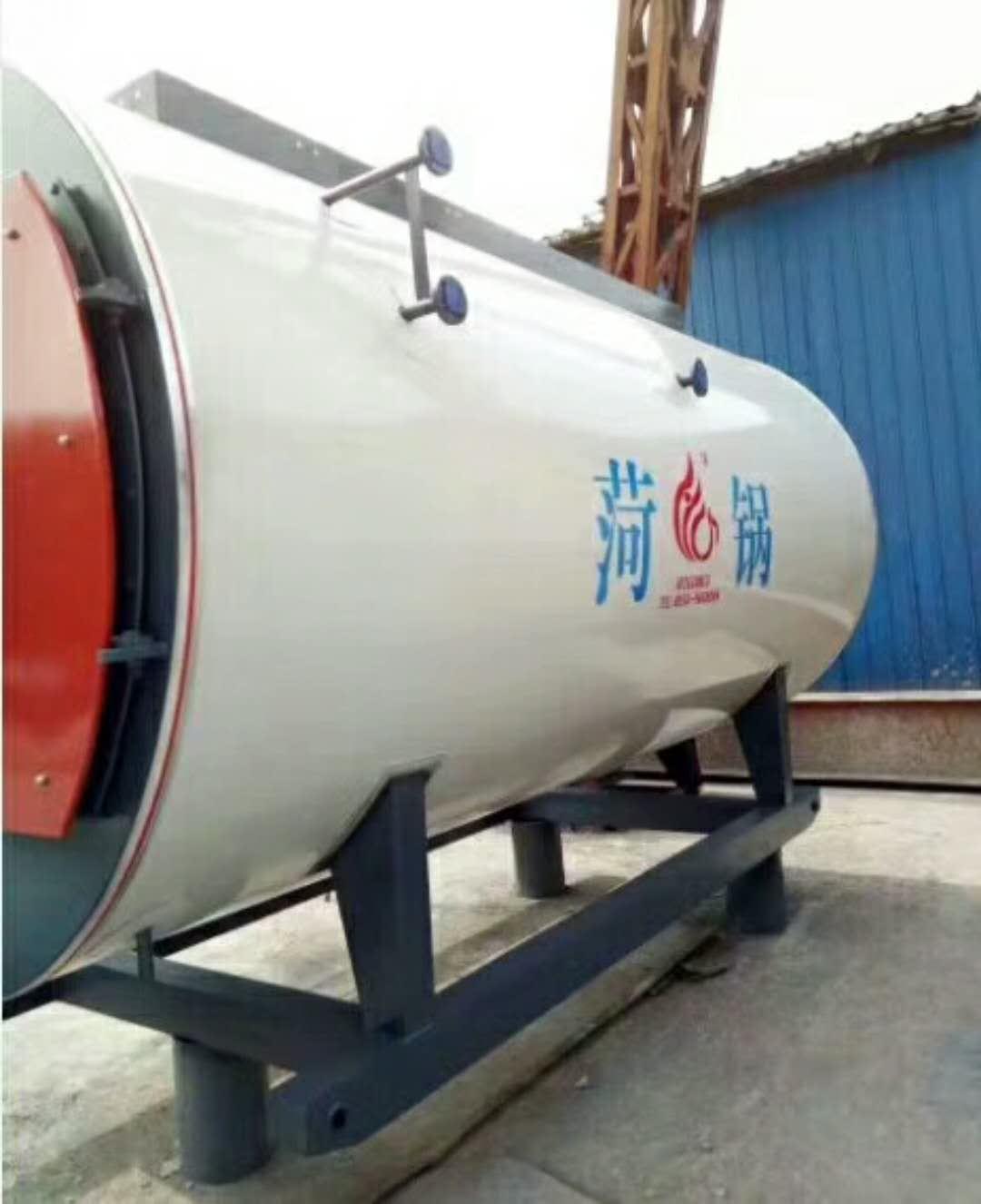
To maintain the stability of carbon dioxide storage tanks, attention should be paid to the following details:
Base Design: The foundation design of the tank must comply with relevant standards and regulations, ensuring adequate strength and stability. The foundation should consider the weight, pressure, and geological conditions of the tank, ensuring the tank can be securely placed on the foundation.
Liner and Fastening Devices: Appropriate liners, such as rubber pads or steel plates, should be set between the tank and the foundation to reduce friction and vibration between them. Additionally, use fastening devices like bolts or welding to secure the tank to the foundation, preventing movement and tilting.
Site Leveling: The site for tank installation should be kept level, without any significant slopes or unevenness. If there are slopes or uneven areas, adjustments and corrections should be made to ensure the tank's stability.
Vibration Protection Measures: In areas prone to earthquakes, additional vibration protection measures are required, such as setting up vibration supports and enhancing the tank's seismic resistance to improve stability.
Regular Inspections: Regularly inspect the fastening devices and connection points of the tank to ensure they are intact. In case of loosening, wear, or damage, repairs or replacements should be made promptly.
Load Distribution: Uniformly distribute loads above the tank, such as platforms or pipelines, to balance the weight distribution of the tank and reduce the impact of uneven loads on stability.
Safety Distance: The tank should maintain sufficient safety distances from other equipment, buildings, and fire sources to prevent accidental collisions or fires from affecting the tank's stability. It is important to note that the installation of carbon dioxide
Zhongjie Special Equipment adheres to the great vision of "Realizing employee dreams, creating customer value, and striving for the prosperity and strength of our motherland," devotes itself to the development of the green energy equipment industry, and dedicates high-quality, cost-effective products and services to society!
WeChat Official Account

Scan to follow Official Account



















