


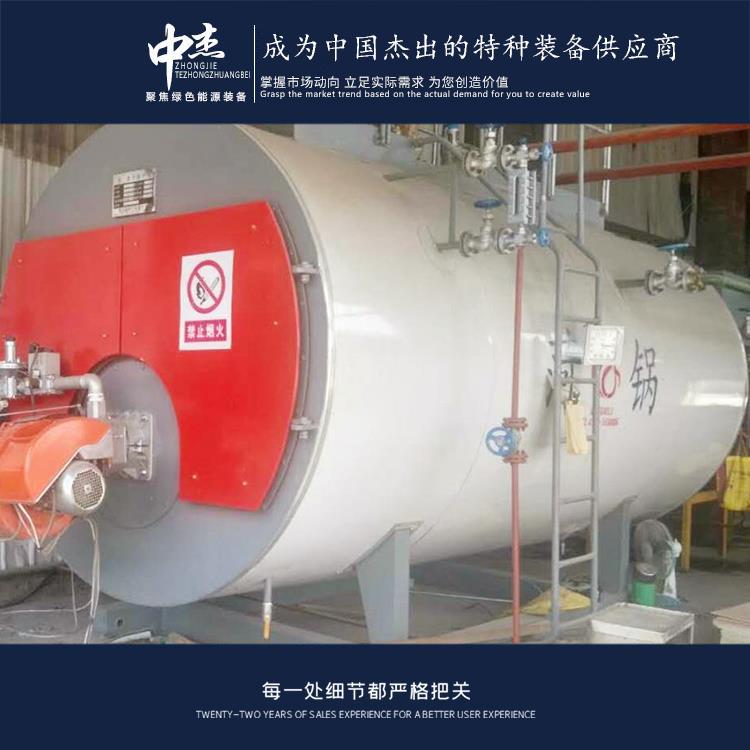

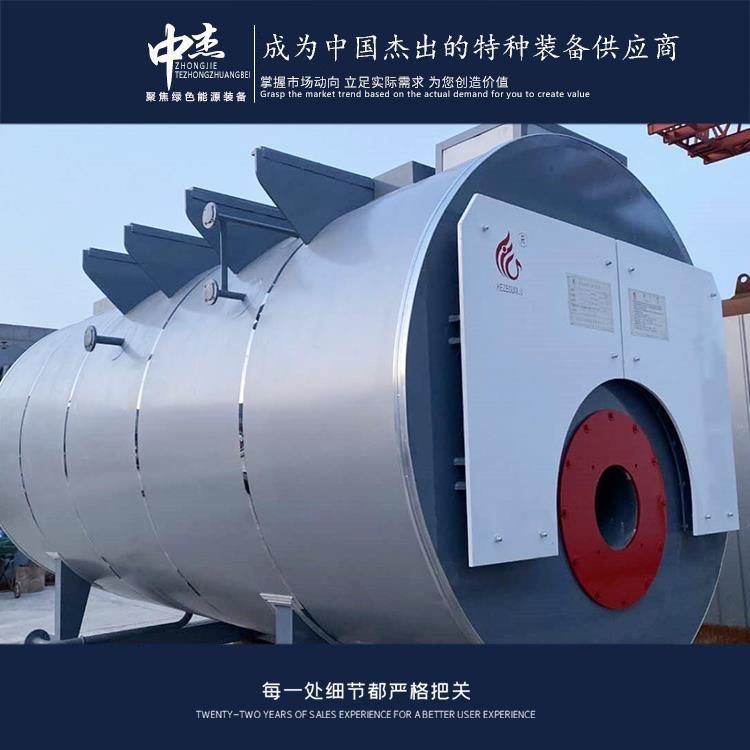
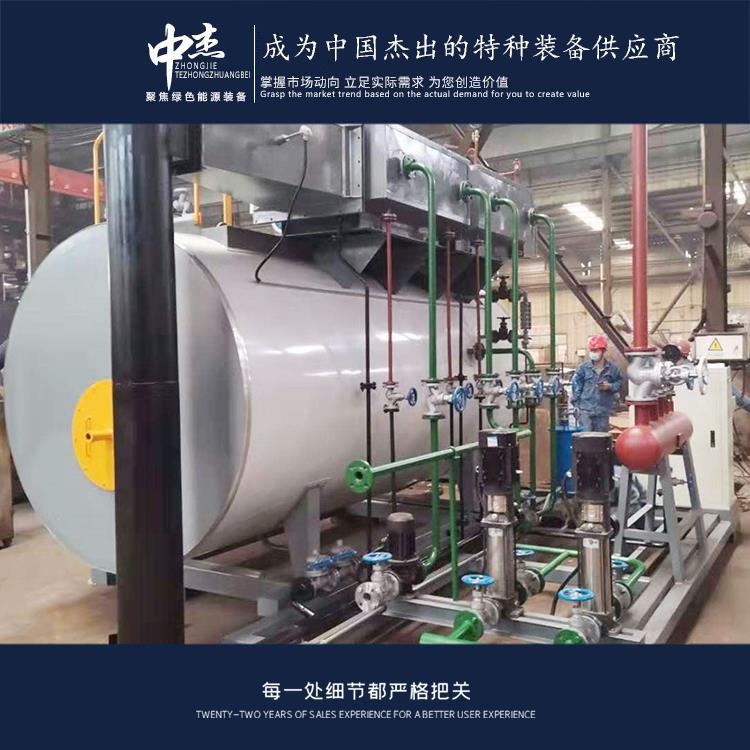


















Shandong Zhongjie Special Equipment (formerly Heze Boiler Factory Co., Ltd.) was established in 2001, located at No. 2218 Jinan Road, Economic and Technological Development Zone, Heze City. With a registered capital of 50 million yuan and total assets of 500 million yuan, the company has 7 business centers: boiler, deep-freeze containers, pressure vessels, central air conditioning, engineering installation, international trade, and Internet of Things. It has three manufacturing sites on Jinan Road, East Yangtze Road, and Bohai Road, covering a total area of 200,000 square meters, with the main workshop spanning 83,000 square meters. The company currently employs 710 staff, including 247 engineers and technicians, and 82 intermediate-level technical personnel. It was recognized as a "High-tech Enterprise" by the Science and Technology Department in December 2016, as a "Shandong Specialized and New Enterprise" by the Department of Industry and Information Technology in June 2021, as a "Shandong Gazelle Enterprise" in June 2022, and as a "Specialized and New Small Giant Enterprise" by the Ministry of Industry and Information Technology in August 2022.
Industrial boiler thermal deaeration is a commonly used deaeration method, featuring:
- Deaeration: Thermal deaeration releases dissolved oxygen from the boiler feed water by heating it, utilizing heat to liberate the oxygen. As the water temperature increases during the thermal deaeration process, the solubility of oxygen decreases, thereby effectively removing oxygen from the water.
- No Chemicals Required: Unlike other deaeration methods, thermal deaeration does not require the use of chemicals, avoiding environmental pollution and equipment corrosion caused by chemicals. It also reduces operating costs and complexity.
- Automated Control: Thermal deaeration can be achieved through an automated control system, which automatically adjusts the feed water temperature and flow rate based on the boiler's operating status and water quality to achieve optimal deaeration results.
- Wide Application Range: Thermal deaeration is suitable for various types of industrial boilers, including coal-fired, gas-fired, and oil-fired boilers. Whether it's a small or large boiler, thermal deaeration can be used for deaeration treatment.
- Improves Boiler Efficiency: Removing dissolved oxygen from the water can reduce corrosion and oxidation reactions within the boiler, extending its service life. Additionally, reducing oxygen levels can also improve the boiler's thermal efficiency and lower energy consumption.
- Note: While thermal deaeration effectively removes oxygen from the water, it may not address other water quality issues such as hardness and alkalinity. Therefore, in practical applications, it is necessary to consider the characteristics of water quality and the requirements of the boiler to select the appropriate deaeration method.
WNS Low-Nitrogen Condensing Hot Water Boilers offer the following advantages:
- Low Nitrogen Emissions: Utilizing low-nitrogen combustion technology, these boilers significantly reduce NOx emissions through optimized combustion processes and burner design. This helps in reducing environmental pollution.
- High Thermal Efficiency: With condensing technology, these boilers increase energy utilization efficiency by recovering heat from flue gases. The thermal efficiency of condensing hot water boilers typically exceeds 90%, higher than traditional hot water boilers, thus aiding in energy conservation and cost reduction.
- Safety and Reliability: Equipped with a control system and safety devices, these boilers have excellent safety performance. They come with multiple safety features like overheat protection, overpressure protection, and water level protection, which automatically monitor and control the boiler's operation to ensure safe operation.
- Flexibility: WNS Low-Nitrogen Condensing Hot Water Boilers are suitable for various applications such as industrial, commercial, and residential. They can adapt to different heat load requirements, offering strong flexibility. Moreover, they can be integrated with other systems like solar hot water systems and ground source heat pump systems to further enhance energy efficiency.
- Easy Operation and Maintenance: The operation and maintenance of WNS Low-Nitrogen Condensing Hot Water Boilers are straightforward.
When installing a gas boiler unit, the following points should be noted:
- Safety: A gas boiler is a device that uses gas as fuel, so safety must be ensured during installation. First, select an appropriate installation location, away from flammable materials and combustible gases, and ensure good ventilation. Second, install according to relevant safety regulations, including the connection of gas pipes and the installation of gas valves.
- Pipe Connection: A gas boiler requires connection to the gas pipeline to ensure a smooth gas supply. During the connection process, use appropriate pipes and joints to ensure a secure connection and prevent gas leaks. Also, conduct a leak test to ensure there are no leaks.
- Exhaust Duct: Gas boilers produce exhaust gases during combustion and require a suitable exhaust duct. The exhaust duct must be kept clear to avoid the accumulation of exhaust gases indoors, which can pose safety hazards and cause air pollution.
- Electrical Connection: Gas boilers usually require electricity, so electrical connections must be made during installation. Ensure the electrical connections are correct and secure to avoid circuit shorts or other electrical issues.
- Water System: Gas boilers typically need to be connected to the water system, including water supply and drainage pipes. During the connection process, ensure the water pipes are securely connected to prevent leaks or unstable water pressure.
- Commissioning and Testing: After installation, commissioning and testing of the gas boiler should be carried out, including ignition tests, combustion efficiency tests, and temperature control tests, to ensure normal and safe operation.
- It is recommended to follow relevant installation specifications and requirements when installing a gas boiler unit. If you do not have the necessary technical knowledge, it is best to have a qualified installer perform the operation to ensure the installation process is safe and reliable.
The inspection contents and requirements for gas-fired boilers typically include the following aspects:
- Safety Valve and Pressure Gauge: Check the installation and securing of the safety valve and pressure gauge to ensure proper operation and accurate pressure display.
- Combustion System: Inspect the status of the burner, including ignition, combustion, and combustion stability. Verify the connections of the gas supply pipeline and valves to ensure no leaks.
- Flue and Heat Exchanger: Check the cleanliness of the flue and heat exchanger, for dust and dirt, to ensure heat exchange efficiency and smoke emissions meet requirements.
- Water Level Control System: Examine the operation of the water level controller and gauge to ensure accurate and reliable water level control, preventing overfilling or low water levels.
- Gas Supply System: Inspect the installation and connections of the gas supply pipeline and valves to ensure normal gas supply and no leaks.
- Electrical System: Check the wiring and connections of the electrical system, including power supply, controllers, and sensors, to ensure normal operation of electrical equipment and avoid electrical failures.
- Safety Devices: Verify the operation of safety devices, including safety valves, pressure switches, and temperature controllers, to ensure proper functioning and safeguard the safe operation of the boiler.
- Records and Documents: Review the boiler's operating records, maintenance records, and inspection reports, ensuring complete and accurate documentation.
The inspection of gas-fired boilers should be conducted by an institution or personnel with the appropriate qualifications, following relevant laws, regulations, and standards. The frequency and specific requirements for inspections can be determined based on the boiler's usage and local regulations. Timely inspections and maintenance ensure the safe and efficient operation of gas-fired boilers.
Shandong Zhongjie Special Equipment, welcome customers to visit our factory for business talks.
WeChat Official Account

Scan to follow Official Account



















