


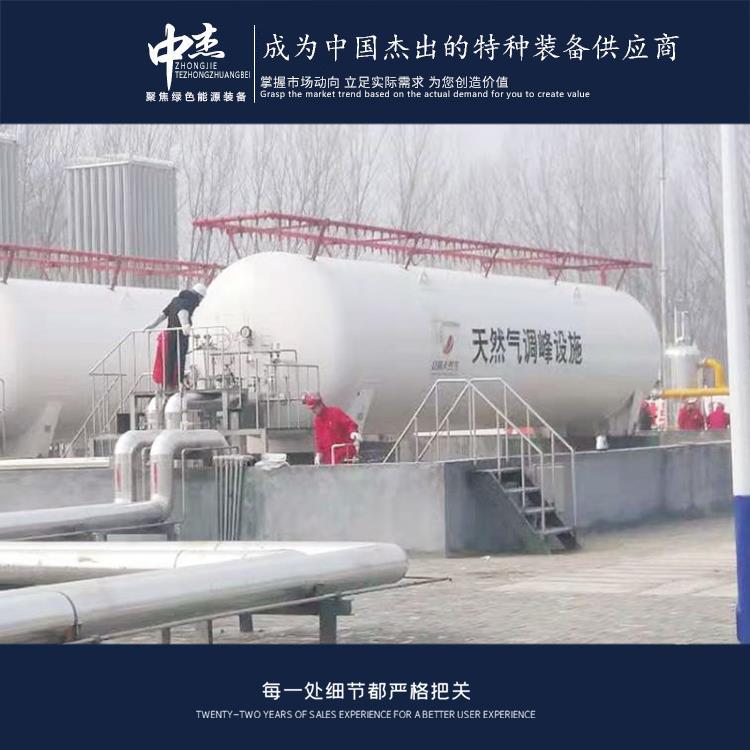

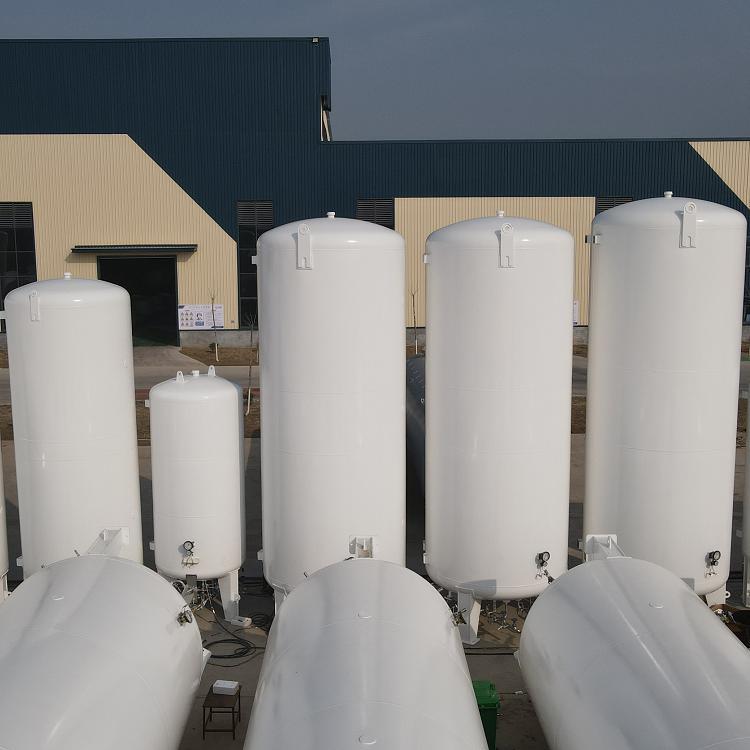
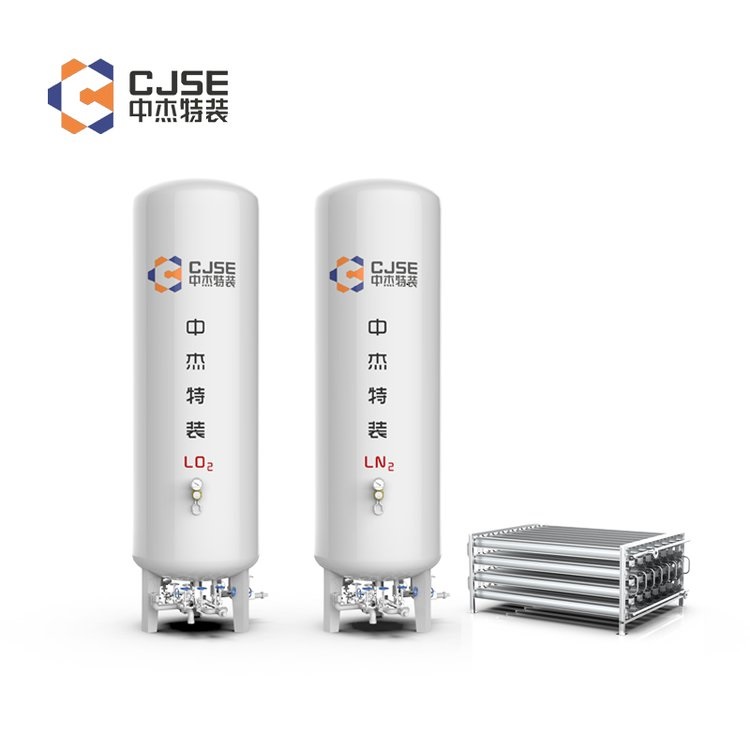


















Shandong Zhongjie Special Equipment Co., Ltd. specializes in the following main products: fuel (gas) boilers, organic heat carrier boilers, biomass boilers, waste heat recovery boilers, and other boiler products; vacuum insulated cryogenic pressure vessels such as LNG storage tanks, oxygen/nitrogen/argon storage tanks, and CO2 storage tanks; pressure vessel products including denitrification engineering equipment, heat storage and energy storage equipment, and complete chemical equipment; as well as central air conditioning and HVAC equipment such as ground (water) source heat pumps, air source units, water-cooled screw units, and air-cooled modular units. Planned products include large-scale energy centers, LNG transport vehicles, LNG tank containers, and other green energy equipment.
The normal pressure range for liquid oxygen tanks typically falls between 2-5 bar. This range refers to the internal oxygen pressure within the tank, which is necessary to maintain the liquid oxygen in its liquid state. The design and manufacturing of liquid oxygen tanks should comply with relevant standards and regulations to ensure the tank can safely withstand this pressure range under normal operating conditions. It should be noted that the pressure of the liquid oxygen tank can be affected by various factors, such as the temperature of the liquid oxygen, the tank's design, and materials. In actual use, the normal pressure range of the tank should be determined based on specific tank design and usage requirements, and operations and maintenance should follow relevant regulations and standards. Additionally, liquid oxygen tanks should be equipped with pressure control devices, such as pressure valves or relief devices, to ensure the internal pressure of the tank remains within a safe range. These devices can automatically release gas when the pressure exceeds the set value, protecting the tank's safety. Regular inspection and maintenance of these pressure control devices should be conducted when using liquid oxygen tanks to ensure they are functioning properly.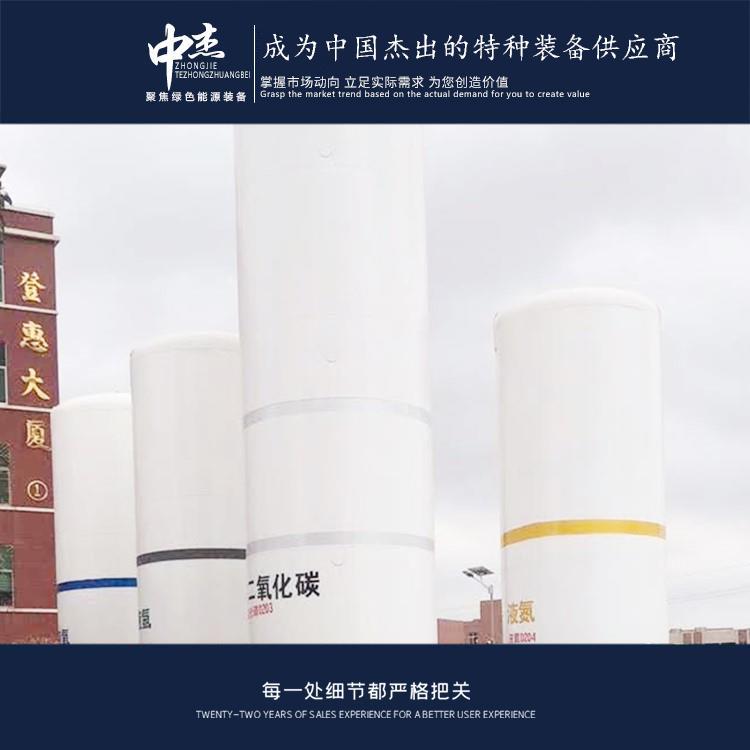
When cleaning low-temperature liquid storage tanks, the following steps should be taken:
Safety Preparations: Prior to cleaning, ensure there are no remaining liquids or gases in the tank, and that the tank has been properly emptied and vented. Wear appropriate personal protective equipment, such as protective suits, gloves, and safety shoes.
Cleaner Selection: Choose a cleaner suitable for low-temperature environments and liquid storage tank materials. Common cleaners include acidic and alkaline solutions, organic solvents, or specialized cleaners. Select the appropriate cleaner based on the tank material and the nature of the contaminants.
Cleaning Process: Inject the cleaning agent into the tank and use appropriate tools (such as sprayers, brushes, or high-pressure water) to clean the interior walls. Multiple cleanings may be performed as needed to ensure contamination is removed.
Washing and Discharging: After cleaning, rinse with clean water or an appropriate solvent to remove all cleaning agents and residues. Ensure the tank is dry and discharge the rinse fluid into an appropriate treatment system.
Inspection and Verification: After cleaning, inspect the tank to ensure no residues of contaminants remain inside. Appropriate detection equipment or methods, such as optical inspection, chemical analysis, or ultrasonic testing, can be used to verify the cleaning effectiveness.
Be mindful that when cleaning low-temperature liquid storage tanks, it's crucial to adhere to relevant safety regulations and operational guidelines. Liquid storage tanks are typically highly flammable and possess low-temperature characteristics, so operators must strictly follow safety procedures to ensure the safety of personnel and equipment. During the cleaning process, attention should be given to prevent leaks of cleaning agents and contaminants, and appropriate measures should be taken for their handling and disposal.
Leakage in liquid argon storage tanks may be caused by the following factors:
Design or Manufacturing Defects: Defects in the design or manufacturing process of the tank, such as poor welding, inappropriate material selection, or inadequate sealing, lead to leakage issues in the tank.
Corrosion and Oxidation: Long-term exposure to low temperatures can cause corrosion and oxidation in liquid argon tanks. These processes can damage the tank's surface protective layer, leading to leakage issues.
Fatigue and stress cracking: During long-term use, tanks may experience fatigue and stress cracking due to temperature and pressure fluctuations. These cracks can degrade the tank's sealing performance, leading to leaks.
Improper Operation: Failure to operate the storage tank according to specifications, such as overfilling with liquid argon or excessive pressure, can lead to tank damage and leakage.
External Damage: The tank may sustain damage from external factors such as mechanical impacts or objects.
When selecting the insulation material for a low-temperature liquid storage tank, consider the following factors:
Thermal Conductivity: The lower the thermal conductivity of an insulating material, the better its insulating performance. Therefore, materials with lower thermal conductivity should be chosen, such as polyethylene foam (EPS), polyester foam (PUR), and silicate fibers.
Density: The density of insulating materials also affects their insulating performance. Generally, the higher the density, the better the insulating performance. However, excessively high density may increase the weight and cost of the storage tank. Therefore, a balance must be struck between insulating performance and structural requirements for the tank.
Corrosion Resistance: Due to the special working environment of low-temperature liquid storage tanks, the insulating material must have excellent corrosion resistance to withstand the侵蚀 by low-temperature liquids. For instance, glass fiber and silicate fiber offer good corrosion resistance.
Reliability and Durability: Insulating materials must possess good reliability and durability, maintaining their insulating properties over a long period. Select materials that have been verified and tested to ensure their quality and performance.
Construction convenience: The ease of installation and maintenance of insulation materials is also a consideration. Choosing materials that are easy to install and maintain can enhance construction efficiency and reduce costs.
Environmental friendliness: Consider choosing environmentally friendly insulation materials, such as recyclable ones, to minimize environmental impact.
Considering these factors, you can select suitable insulation materials to provide excellent thermal insulation and durability, ensuring the safety and efficient operation of low-temperature liquid storage tanks. When choosing insulation materials, it is recommended to consult engineers or consulting agencies for more accurate advice and guidance.
Shandong Zhongjie Special Equipment, welcome customers to our factory for business discussions.
WeChat Official Account

Scan to follow Official Account



















