


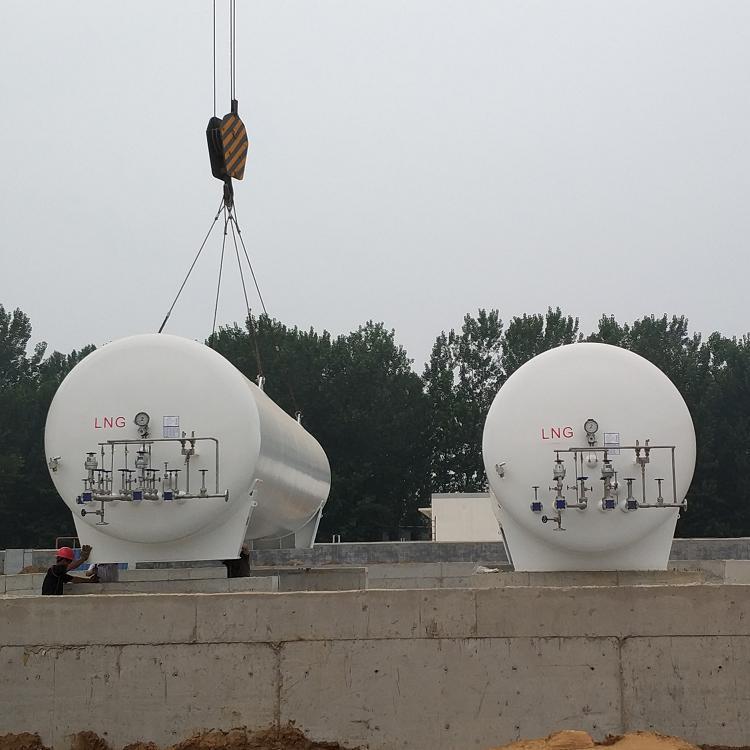

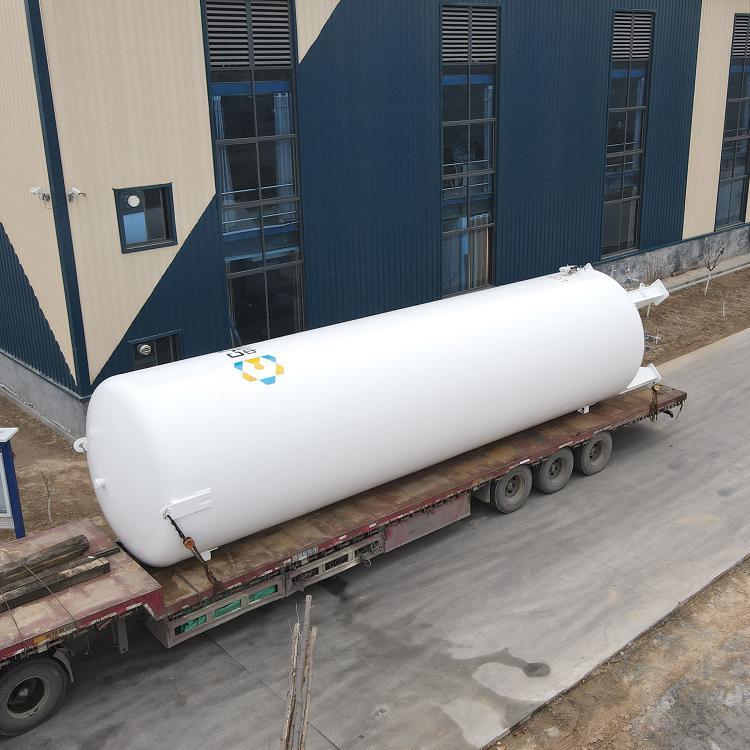
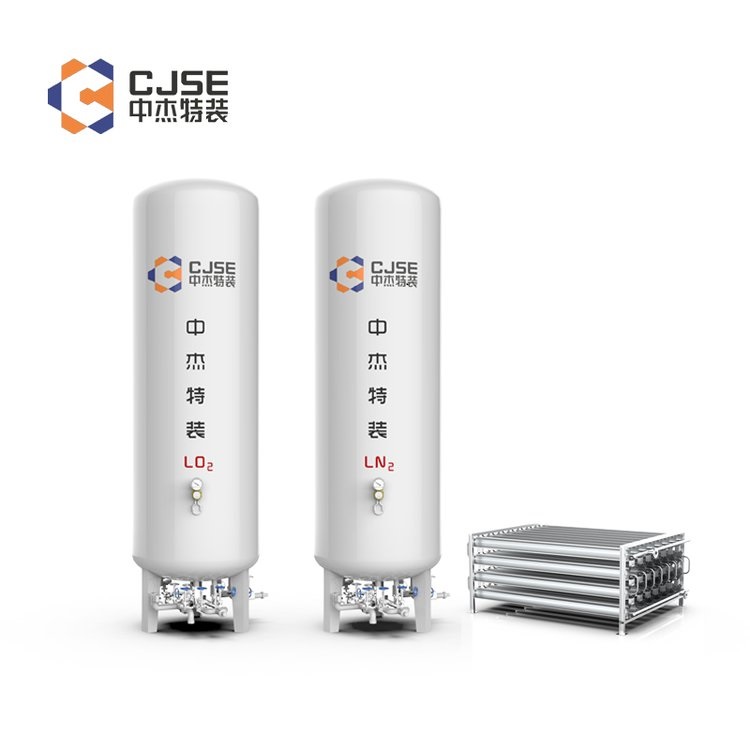


















Shandong Zhongjie Special Equipment Co., Ltd. (formerly Heze Boiler Factory Co., Ltd.) was established in 2001, located at No. 2218 Jinnan Road, Development Zone, Heze City, with a registered capital of 50 million yuan and total assets of 500 million yuan. The company has 7 business centers: boiler, deep-freeze containers, pressure vessels, central air conditioning, engineering installation, international trade, and Internet of Things. It has three factory areas on Jinnan Road, East Changjiang Road, and Bohai Road, covering a total of 200,000 square meters, with the main workshop area at 83,000 square meters. Currently, it has 710 employees, including 247 engineers and technicians, and 82 intermediate-level technicians. In December 2016, it was recognized as a "High-Tech Enterprise" by the Science and Technology Department. In June 2021, it was identified as a "Specialized and New Enterprise in Shandong Province" by the Ministry of Industry and Information Technology. In June 2022, it was recognized as a "Gazelle Enterprise in Shandong Province" and in August 2022, as a "Specialized and New Small Giant Enterprise" by the Ministry of Industry and Information Technology.
The process of using liquid oxygen storage tanks for pressure-regulated oxygen supply typically includes the following steps:
Liquid Oxygen Storage Tank Oxygen Supply System: Typically, a liquid oxygen storage tank oxygen supply system is installed, which includes a liquid oxygen storage tank, liquid oxygen conveying pipeline, and pressure regulating devices. The liquid oxygen in the storage tank is transported through the conveying pipeline to the pressure regulating device.
Pressure Regulator: The pressure regulator is used to convert high-pressure liquid oxygen into the required low-pressure oxygen. It typically includes a pressure valve, a reducer, and a flowmeter. The pressure valve is used to control the oxygen pressure, the reducer is used to reduce the high-pressure liquid oxygen to the required low pressure, and the flowmeter is used to measure the oxygen flow rate.
Oxygen Transmission Pipeline: Low-pressure oxygen from the pressure-regulating unit is transported through the pipeline to areas requiring oxygen supply, such as patient rooms, operating rooms, etc. The transmission pipeline is typically made of stainless steel or plastic, offering excellent airtightness and corrosion resistance.
Oxygen Interface: Install oxygen interfaces at locations requiring oxygen supply, such as hospital beds or operating tables. Oxygen interfaces typically include an oxygen flow regulator and oxygen connectors, used for adjusting oxygen flow and connecting oxygen masks or tubes.
Oxygen Supply and Regulation: Adjust the pressure and flow of oxygen by manipulating the pressure regulating valve of the pressure regulator. Modify the oxygen flow and concentration based on the patient's needs to ensure they receive an adequate oxygen supply.
Be mindful that when using liquid oxygen storage tanks for pressure regulation and oxygen supply, it's crucial to adhere to the relevant equipment operation and safety protocols. Operators must possess the necessary training and skills to ensure the smooth and safe operation of the oxygen supply system. Furthermore, schedule regular inspections and maintenance of the system's equipment and pipelines to guarantee their proper functioning and safety.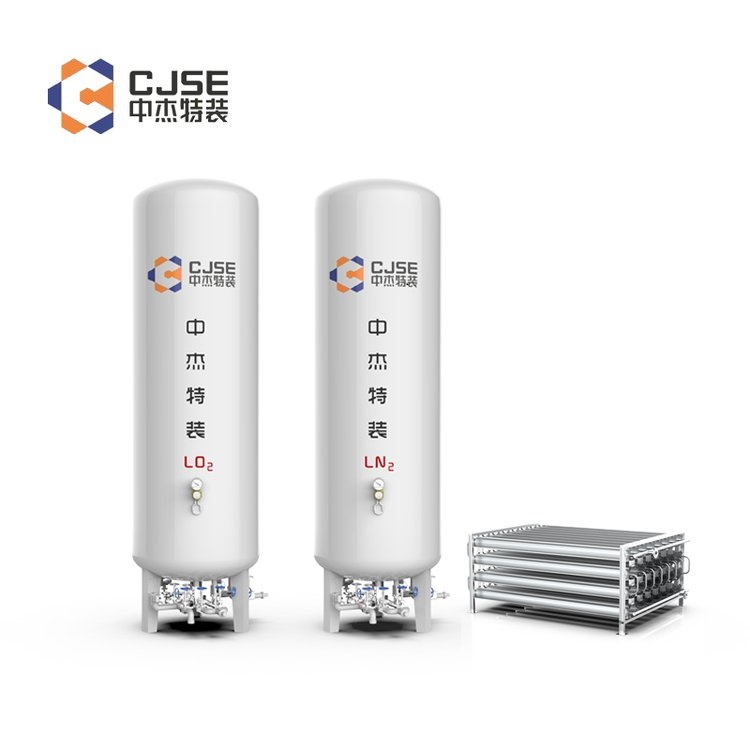
The cooling process and precautions for liquid argon cylinders are as follows:
Cooling Process Analysis:
Ensure Tank Cleanliness: Prior to cooling the liquid argon tank, make sure the interior is clean and free of impurities and contaminants. Use an appropriate cleaner for washing and rinse thoroughly.
Drainage and Exhaust: To empty the gas inside the tank and expel it through the exhaust system to reduce the gas content within the tank.
Add Liquid Nitrogen: Inject liquid nitrogen into the tank, which can rapidly cool the air and walls inside the tank, lowering the tank's temperature.
Waiting for Cooling: Liquid nitrogen will gradually lower the temperature inside the tank through the process of heat conduction until it reaches the required low temperature.
Cautionary Notes:
Safety Protection: Necessary safety precautions must be taken during the cooling process of liquid argon tanks. Liquid argon has low temperatures and high flammability, so operators should wear protective suits, gloves, and other personal protective equipment to ensure safe operation.
Fire prevention measures: Liquid argon is highly flammable, so during the cooling process of the liquid argon tank, it is essential to ensure there are no ignition sources nearby and to have appropriate fire extinguishing equipment on hand.
Temperature Control: During the cooling process of the liquid argon cylinder, the temperature of the cylinder must be controlled to prevent overcooling or insufficient cooling. Temperature sensors and a temperature control system can be used to monitor and regulate the cylinder's temperature.
Insulation and Heat Retention: Liquid argon cylinders are typically designed with double or multi-layer structures, filled with insulating material in the middle to reduce heat transfer and evaporation of liquid argon. Ensure the integrity and good insulation of the insulating layer.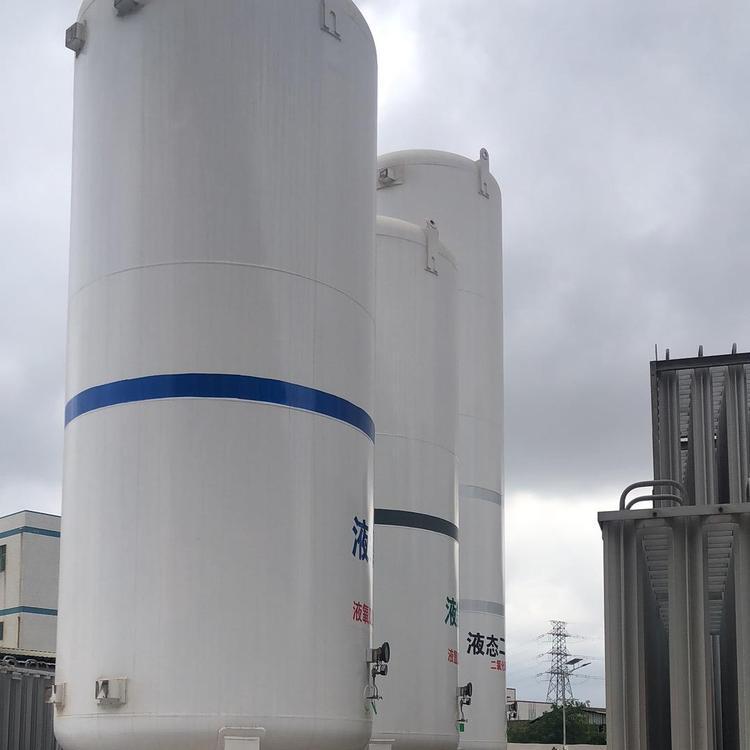
Prior to cooling the liquid oxygen tank, the following prerequisites must be met:
Clean Tanks: Ensure the interior of the tank is clean, free of impurities and contaminants. The tank should be properly cleaned and flushed to maintain its internal cleanliness.
Emptying and Exhausting: Remove gases from the tank by emptying them out and expelling them through the exhaust system to reduce the gas content within the tank. This helps minimize interference of the gas on the cooling process.
Safety Precautions: Prior to cooling the liquid oxygen tank, necessary safety measures must be taken. Liquid oxygen is highly flammable and exhibits low-temperature properties. Operators should wear appropriate protective clothing, gloves, and other personal protective equipment to ensure safe operation.
Temperature Control: During the cooling process of the liquid oxygen storage tank, it is necessary to control the tank's temperature. Typically, low-temperature mediums such as liquid nitrogen are used to cool the tank, ensuring the temperature gradually drops below the boiling point of liquid oxygen.
Insulation and Heat Retention: Liquid oxygen tanks are typically constructed with double or multi-layered structures, filled with insulating material in between to minimize heat transfer and evaporation of the liquid oxygen. Ensure the integrity and excellent insulating properties of the insulation layer to enhance the cooling efficiency of the tank.
Under the aforementioned prerequisite conditions, the cooling operation of the liquid oxygen tank may proceed. The cooling process must be strictly adhered to the relevant safety regulations and operational guidelines to ensure the safe operation and use of the tank.
Liquid Argon Storage Tanks are equipment used for storing and transporting liquid argon, featuring the following characteristics:
Low-temperature retention performance: The liquid argon tank is equipped with special insulation materials and structural design, effectively maintaining the low temperature of liquid argon. The tank is internally lined with insulation to minimize heat transfer and loss, ensuring long-term storage of liquid argon.
High-seal performance: The liquid argon tank boasts excellent sealing capabilities, effectively preventing leaks and evaporation of liquid argon. The tank's valves, fittings, and sealing components are precisely designed and manufactured to ensure reliable sealing performance.
High strength and corrosion resistance: The liquid argon tank is made of high-strength materials, capable of withstanding the high pressure and low temperature of liquid argon. Both the internal and external surfaces of the tank are specially treated for excellent corrosion resistance, able to withstand corrosion and oxidation from liquid argon.
Safety Performance: The liquid argon storage tank is equipped with multiple safety protection measures, including safety valves, pressure sensors, and level monitoring devices. These devices can monitor and control the tank's pressure, temperature, and level, ensuring the tank operates within a safe range.
Reliability and stability: The liquid argon storage tank has undergone rigorous design, manufacturing, and testing, offering excellent reliability and stability. The tank is capable of storing and transporting liquid argon stably for extended periods, ensuring that the quality and performance of the liquid argon remain unaffected.
Easy to operate and maintain: The liquid argon storage tank is relatively simple to operate and maintain, equipped with valves and fittings that are easy to use. The maintenance work mainly includes regular inspections, cleaning, and repairs, which can extend the service life of the tank.
The performance features of liquid argon storage tanks make them essential for the storage and transportation of liquid argon, widely used in scientific research, industry, and other fields. When using liquid argon storage tanks, it is necessary to strictly adhere to the relevant operational specifications and safety requirements to ensure safe use.
Shandong Zhongjie Special Equipment, welcome customers to our factory for business talks.
WeChat Official Account

Scan to follow Official Account



















