


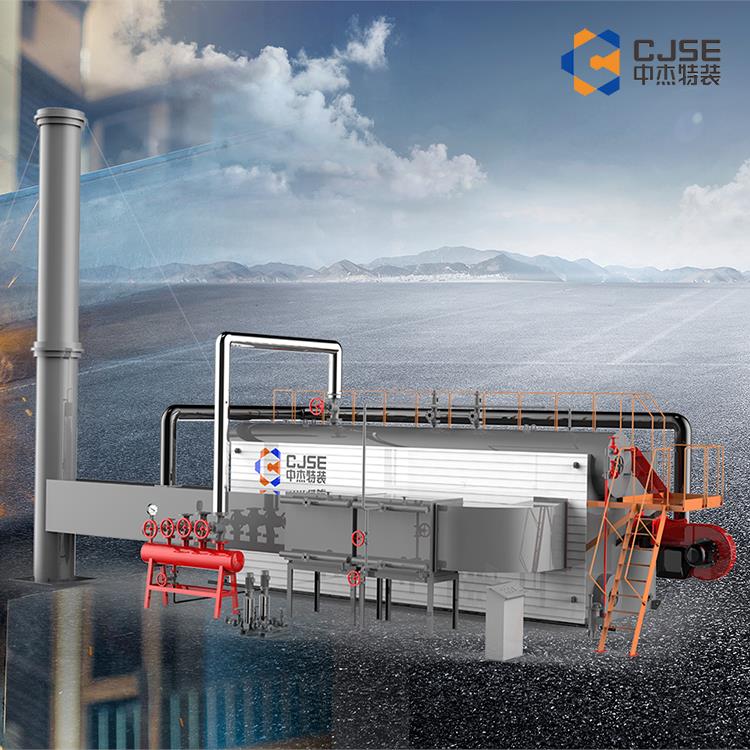

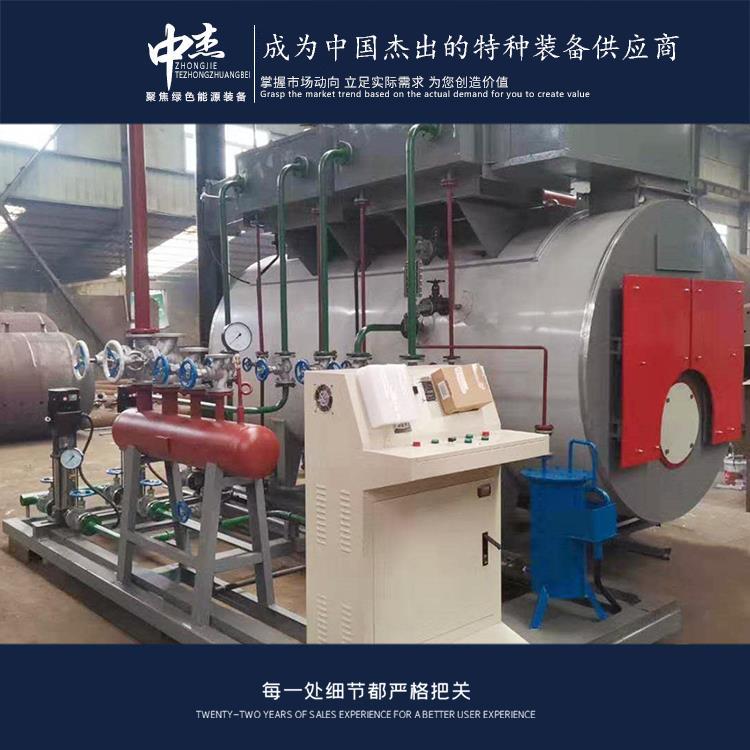
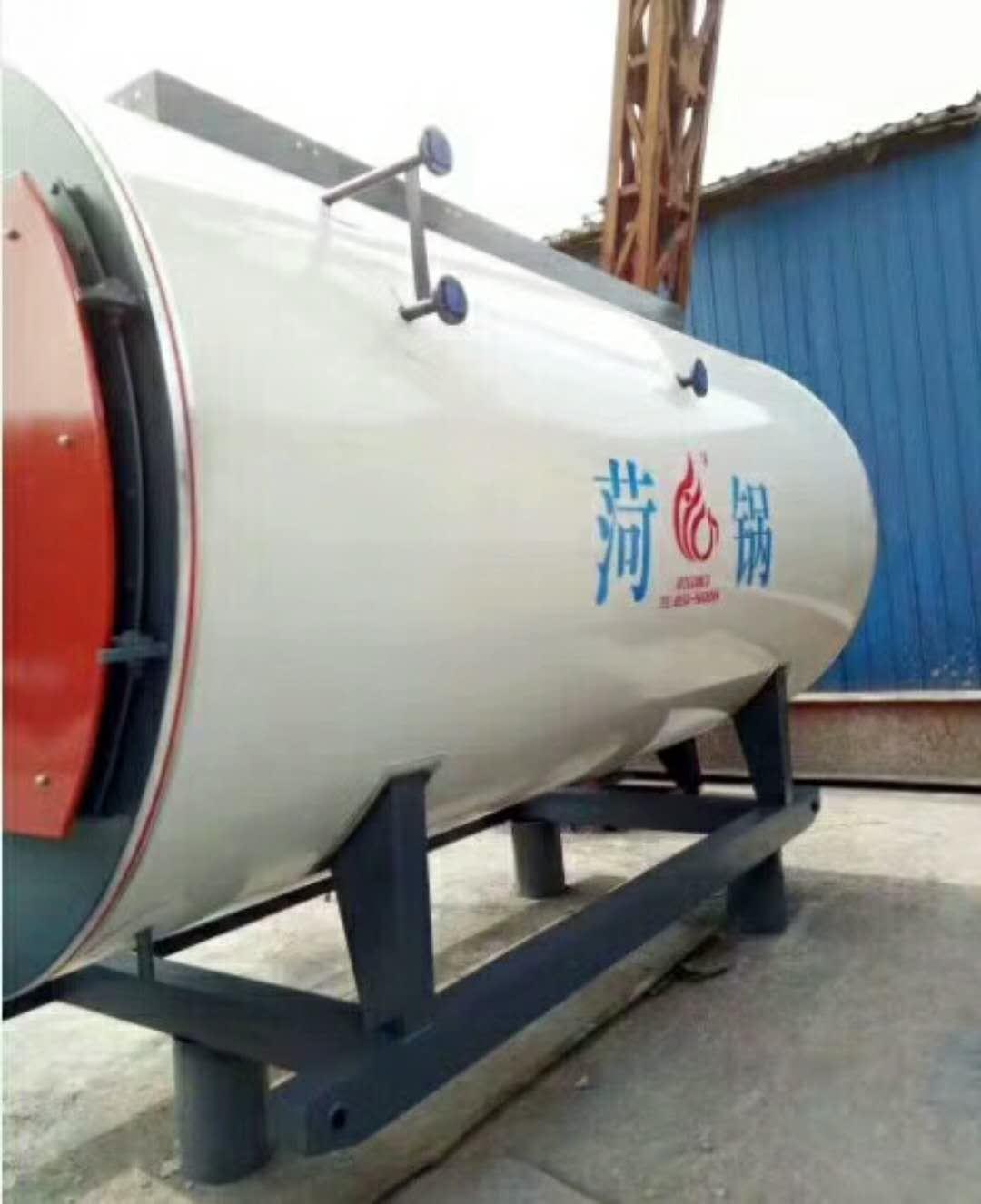


















Shandong Zhongjie Special Equipment (formerly Heze Boiler Factory Co., Ltd.) holds an A-grade boiler manufacturing license, A2-grade pressure vessel manufacturing license, A2-grade pressure vessel design license, B-grade boiler installation and GB2, GC2 pressure pipeline installation licenses, as well as a qualification for mechanical and electrical equipment installation contracts. It is a member of the China Boiler and Water Treatment Association, the China Chemical Equipment Association, and a board member of the Shandong Equipment Manufacturing Association. The company has also passed certifications for ISO9001 Quality Management System, ISO14001 Environmental Management System, OHSAS18001 Occupational Health and Safety Management System, and the American ASME/U2 certification.
Safety requirements for steam boiler valves mainly include the following aspects: Valve Selection: Choose the appropriate type and specification of valves for steam boilers. Valves must comply with relevant standards and specifications, and possess characteristics such as high-temperature resistance, pressure resistance, and corrosion resistance. Valve Installation: Valves should be installed correctly at the corresponding positions on the steam boiler. During installation, ensure that the connections are secure and the seals are reliable to prevent leaks and loosening. Valve Operation: The operation of valves should be easy and flexible, allowing for accurate control of steam flow and pressure. The handle or device should indicate the opening and closing directions of the valve, as well as the corresponding operation methods. Valve Sealing: The sealing performance of valves is crucial. Valves should have good sealing properties to prevent steam leakage and energy loss. The sealing surfaces should be flat, smooth, and able to withstand high temperatures and wear. Valve Maintenance: Regularly inspect and maintain valves to ensure their normal operation and safety performance. This includes cleaning valves, checking sealing surfaces, lubricating moving parts, and promptly repairing or replacing damaged components. Safety Valve: A safety valve must be installed on the steam boiler to protect its safe operation. The safety valve must comply with relevant standards and specifications and should automatically open when exceeding the set pressure to release excess steam, preventing boiler explosions. Valve Identification: Valves should be marked with their type, specification, working pressure, and flow rate information. This helps operators correctly identify and operate valves, avoiding incorrect operations and accidents. It should be noted that the above safety requirements are general guidelines, and specific safety requirements should be determined based on the type, scale, and operating environment of the steam boiler. When using valves, follow relevant laws, regulations, and safety operation procedures to ensure the safe and effective operation of valves.
When using a thermal oil furnace with gas, the following points should be noted:
- Safe Operation: A thermal oil furnace is a high-temperature equipment, and safety must be a priority during operation. Operators should be familiar with the equipment's operation procedures and safety precautions, wear necessary personal protective equipment, and ensure safe operation.
- Gas Supply: A stable gas supply is required for a thermal oil furnace. Before use, check if the gas pipeline is clear and the gas valve is open to ensure normal gas supply.
- Thermal Oil Circulation: The thermal oil furnace needs to circulate the thermal oil through a pump to the heat source equipment. Before use, inspect the pump's operation to ensure it is functioning properly.
- Temperature Control: A thermal oil furnace typically requires a temperature control system to regulate the thermal oil's temperature. Before use, check the settings and adjustments of the temperature control system to ensure accurate and reliable control.
- Regular Maintenance: Regular maintenance and upkeep are necessary for a thermal oil furnace, including cleaning the burner, checking the tightness of pipes and valves, and replacing worn parts. Regular maintenance ensures the equipment operates smoothly and extends its lifespan.
- Environmental Protection: During combustion, thermal oil furnaces produce exhaust gases, so ensure proper exhaust emissions. Take appropriate exhaust treatment measures, such as flue gas purification equipment, to minimize environmental impact.
- The above are some points to consider when using a thermal oil furnace with gas. To ensure safety and the normal operation of the equipment, it is recommended to follow relevant operation procedures and safety requirements, and perform regular maintenance and inspections. If necessary, consult the manufacturer or engineer of the thermal oil furnace.
The purpose of deoxygenation in industrial boiler feed water is to reduce oxygen corrosion and bubble formation within the boiler, ensuring the safety and normal operation of the boiler and pipeline system. The main methods of deoxygenation include:
1. Mechanical Deoxygenation: Removing oxygen from water through physical means. Common mechanical deoxygenation equipment includes deaerators and degassers. Deaerators achieve this by atomizing water into a thin film, utilizing the difference in gas solubility to remove oxygen. Degassers do so by atomizing water into tiny droplets, also using the difference in gas solubility to remove oxygen.
2. Thermal Deoxygenation: Removing oxygen from water by heating the water body, taking advantage of the property that oxygen solubility decreases with increasing temperature. Common thermal deoxygenation equipment includes deaerating pots and deaerators. Deaerating pots release oxygen from water by heating it to saturation temperature. Deaerators heat the water to lower its oxygen solubility, thereby removing oxygen.
3. Chemical Deoxygenation: Removing oxygen from water by adding chemicals that react with it, thus removing oxygen. Common chemical deoxygenating agents include salts, reducers, etc. Chemical deoxygenation is often used in high-pressure boiler systems and can effectively remove oxygen from water.
The choice of deoxygenation method depends on the specific boiler system and water quality. In practice, a combination of deoxygenation methods is often used to achieve the desired deoxygenation effect. The selection and operation of deoxygenation equipment should be assessed and adjusted based on actual conditions to ensure the safety and normal operation of the boiler system.
To optimize and improve the planning of gas boiler systems, consider the following aspects:
1. Energy Audits and Assessments: Conduct a comprehensive energy audit and assessment to understand the energy consumption of the gas boiler system and identify potential energy-saving opportunities. Through data analysis and energy measurements, determine the primary sources of energy consumption and bottlenecks to provide a basis for subsequent optimization.
2. Combustion System Optimization: Optimize the combustion system of the gas boiler, including adjustments and cleaning of burners, control of gas and air ratios, and maintenance of the combustion chamber. Ensure high combustion efficiency and high gas utilization to reduce energy waste.
3. Heat Recovery: Consider installing heat recovery systems such as waste heat recovery units or flue gas heat exchangers. These systems can utilize the excess heat from the flue gas emitted by the gas boiler to heat water or other equipment requiring heat, thereby improving energy utilization efficiency.
4. Pipe Insulation and Leak Checks: Ensure that the insulation of gas and hot water pipelines is effective to minimize energy loss. Regularly check for leaks in the pipelines and repair them promptly to avoid energy waste and safety hazards.
5. Control System Upgrades: Consider upgrading the control system of the gas boiler with automated control technologies. Through precise control and regulation, achieve efficient operation of the gas boiler.
Zhongjie Special Equipment upholds the great vision of "realizing employees' dreams, creating value for customers, and striving for the prosperity and strength of our motherland," and is dedicated to the development of the green energy equipment industry. We offer society products and services with high cost-performance!
WeChat Official Account

Scan to follow Official Account



















