


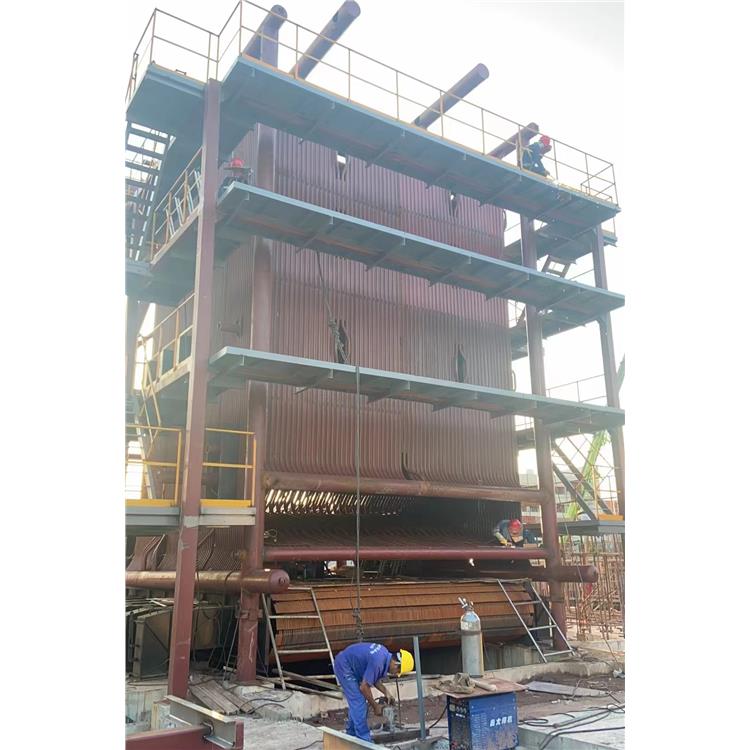

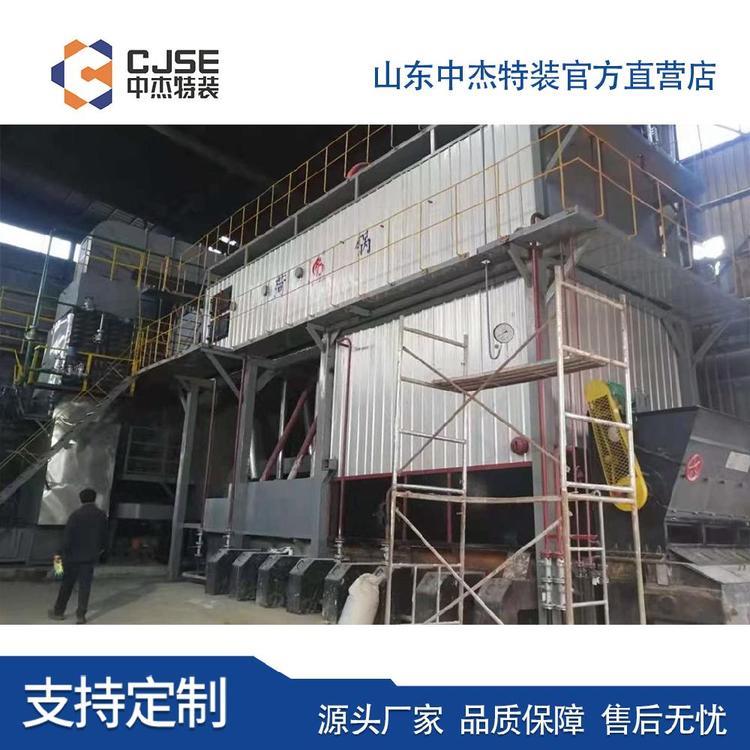
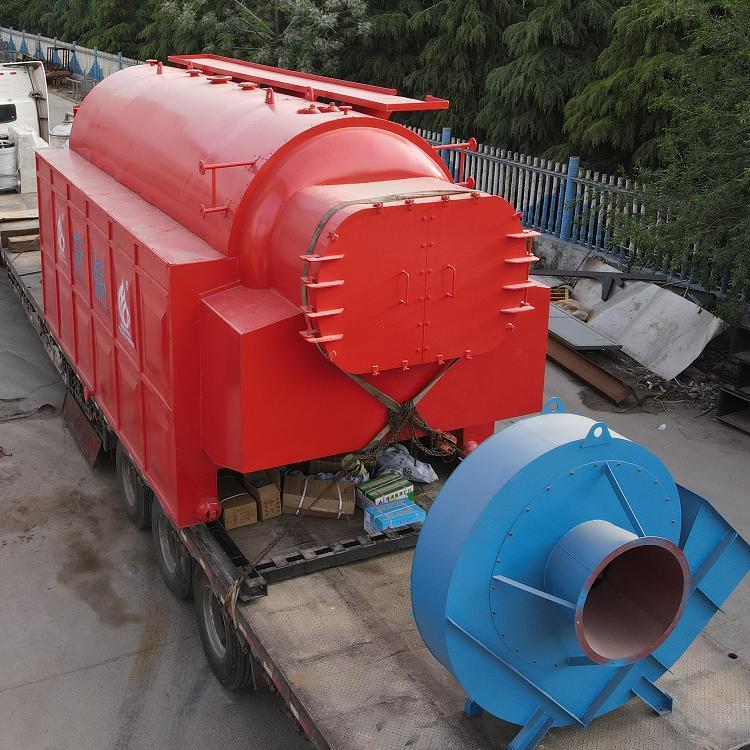


















Shandong Zhongjie Special Equipment's main products include: fuel (gas) boilers, organic heat carrier boilers, biomass boilers, waste heat recovery boilers, and other boiler products; vacuum insulation deep freezing pressure vessels such as LNG storage tanks, oxygen/nitrogen/argon storage tanks, CO2 storage tanks; pressure vessel products such as denitrification engineering equipment, heat storage and energy storage equipment, complete chemical equipment; central air conditioning and ventilation equipment such as ground (water) source heat pumps, air source units, water-cooled screw units, and air-cooled modular units. Planned products include large-scale energy centers, LNG transport vehicles, LNG tank containers, and other green energy equipment.
The occurrence of oil atomization in thermal oil furnaces may be related to the following operations:
Excessive oil pump pressure: If the oil pump pressure of a thermal oil furnace is set too high, exceeding the design specifications, it may lead to oil spitting. Excessive oil pump pressure increases the amount of oil ejected by the nozzle, surpassing the combustion requirements within the furnace.
Excessive nozzle orifice size: An oversized nozzle orifice in a thermal oil furnace can lead to excessive oil injection, causing oil spitting. The nozzle orifice size should be selected rationally based on the combustion requirements and design specifications within the furnace.
Excessive Furnace Temperature: An excessively high temperature inside the thermal oil furnace exceeds the design specifications, which may lead to oil jetting occurrences. The elevated temperature reduces the viscosity of the thermal oil, increasing the risk of oil jetting.
Low oil level: An excessively low oil level in the thermal oil furnace can cause the oil pump to intake air, potentially leading to oil spitting. The oil level should be maintained within the normal range to prevent the oil pump from drawing in air.
Oil Pump Failure: Faults in the thermal oil furnace oil pump, such as pump blockage or oil leakage in the pump housing, can lead to oil spraying. Regularly inspect and maintain the oil pump to ensure its proper operation.
Oil Tube Clogging: Clogging in the heat-conducting oil furnace's oil tube, such as accumulation of impurities or sediments inside, can lead to oil spraying. Regular cleaning and maintenance of the oil tube ensure smooth oil flow.
Improper Operation: Failure to follow the correct operational procedures while handling a thermal oil furnace, such as over-adjusting the oil pump pressure or arbitrarily replacing nozzles, may lead to oil spray occurrences.
The feeding system of biomass pellet fuel boilers typically includes the following components:
Feed Material Conveying System: Used for transporting biomass pellet fuel from storage areas or supply sources to the boiler fuel storage. The feed conveying system can employ screw conveyors, chain conveyors, belt conveyors, etc., and the appropriate conveying method should be selected based on actual conditions.
Fuel Storage: Used for storing biomass pellet fuel, typically located at the bottom of the boiler. The design of the fuel storage should consider the fuel capacity and stable supply to ensure continuous operation of the boiler.
Feeding Control System: Used to regulate the supply rate and quantity of fuel to meet the thermal load requirements of the boiler. The feeding control system typically includes the start/stop control of the feeding conveyor and the adjustment of feeding quantity.
Fuel Crushing System (Optional): For some larger biomass pellet fuels, crushing may be required to better accommodate the boiler's combustion requirements. The fuel crushing system typically includes crushers, jaw crushers, and other equipment.
Fuel Pre-treatment System (optional): For biomass pellet fuels containing higher humidity or impurities, pre-treatment such as drying, screening, and decontamination may be required to enhance combustion efficiency and stability.
When designing and selecting the feed system for biomass pellet fuel boilers, factors such as the fuel characteristics, supply volume, and combustion requirements must be considered. At the same time, ensure the stability, reliability, and safety of the feed system to guarantee the boiler's...
When selecting an appropriate atmospheric pressure hot water boiler, consider the following factors:
Heating Area: First, determine the size of the area to be heated, which will determine the heat power of the required hot water boiler. Generally speaking, the larger the heating area, the higher the required heat power.
Heat Load Calculation: Perform a heat load calculation, taking into account the insulation performance of the heating area, indoor temperature requirements, and external climatic conditions, to determine the required heat power. You may request a heat load calculation to ensure the selected hot water boiler meets the heating needs.
Fuel Type: Atmospheric pressure hot water boilers can use various fuels such as gas, coal, etc. Choose the appropriate fuel type based on the local fuel supply and cost considerations.
Boiler Efficiency: Focus on the energy efficiency level of hot water boilers and choose products with higher energy efficiency. High-efficiency hot water boilers can provide excellent heating effects while reducing energy consumption and operational costs.
Boilers and Quality: Opt for hot water boilers produced by reputable manufacturers to ensure reliable product quality and comprehensive after-sales service.
Safety and Environmental Protection: Focus on the safety and environmental performance of hot water boilers, selecting products with safety protection devices and low emissions.
Budget Consideration: Select a suitable hot water boiler based on budget constraints. In addition to the purchase cost, consider the ongoing operational and maintenance expenses.
Considering the above factors, an appropriate atmospheric pressure hot water boiler can be chosen to meet heating needs, while achieving good performance in terms of energy efficiency, safety, and environmental protection. It is recommended to consult with professionals or hot water boiler experts during the selection process.
In the technical aspect of biomass boilers, the following three issues need to be addressed with emphasis:
Improved Combustion Efficiency: Biomass fuel has different characteristics from traditional fossil fuels, and during combustion, it tends to produce particulate matter such as straw and wood shavings, leading to lower combustion efficiency. Therefore, it is necessary to develop and improve combustion systems, optimize the combustion process, enhance combustion efficiency, and reduce energy waste.
High-Temperature Corrosion Issue: Ash and elements like chlorine in biomass fuels can easily cause corrosion at high temperatures, damaging the metal components of boilers. To address high-temperature corrosion, it's necessary to develop and apply corrosion-resistant materials, control combustion conditions, and reduce corrosion occurrence.
Ash handling and utilization: Biomass fuel combustion generates a large amount of ash, including waste, ash content, and unburned materials. The handling and disposal of ash is a significant issue, requiring the development and application of ash handling technologies, including ash recycling, resource utilization, and chemical treatment.
By addressing these three issues, the combustion efficiency of biomass boilers can be further enhanced, the risk of corrosion reduced, and the effective treatment and utilization of ash and slag achieved, promoting the sustainable development of biomass energy.
Zhongjie Special Equipment upholds the grand vision of "realizing employees' dreams, creating value for customers, and striving for the prosperity and strength of our motherland," and is dedicated to the development of the green energy equipment industry. We offer society high-value products and services!
WeChat Official Account

Scan to follow Official Account



















