


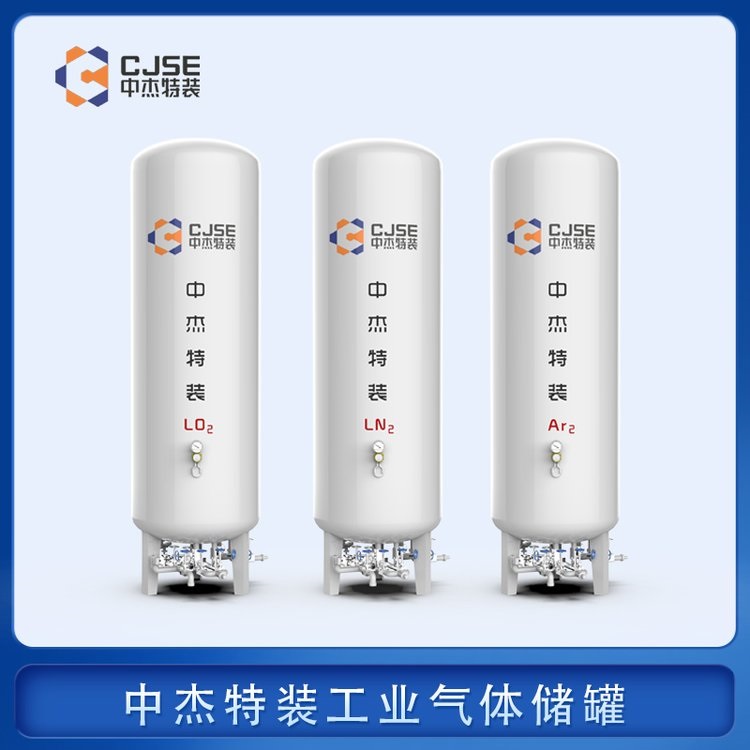

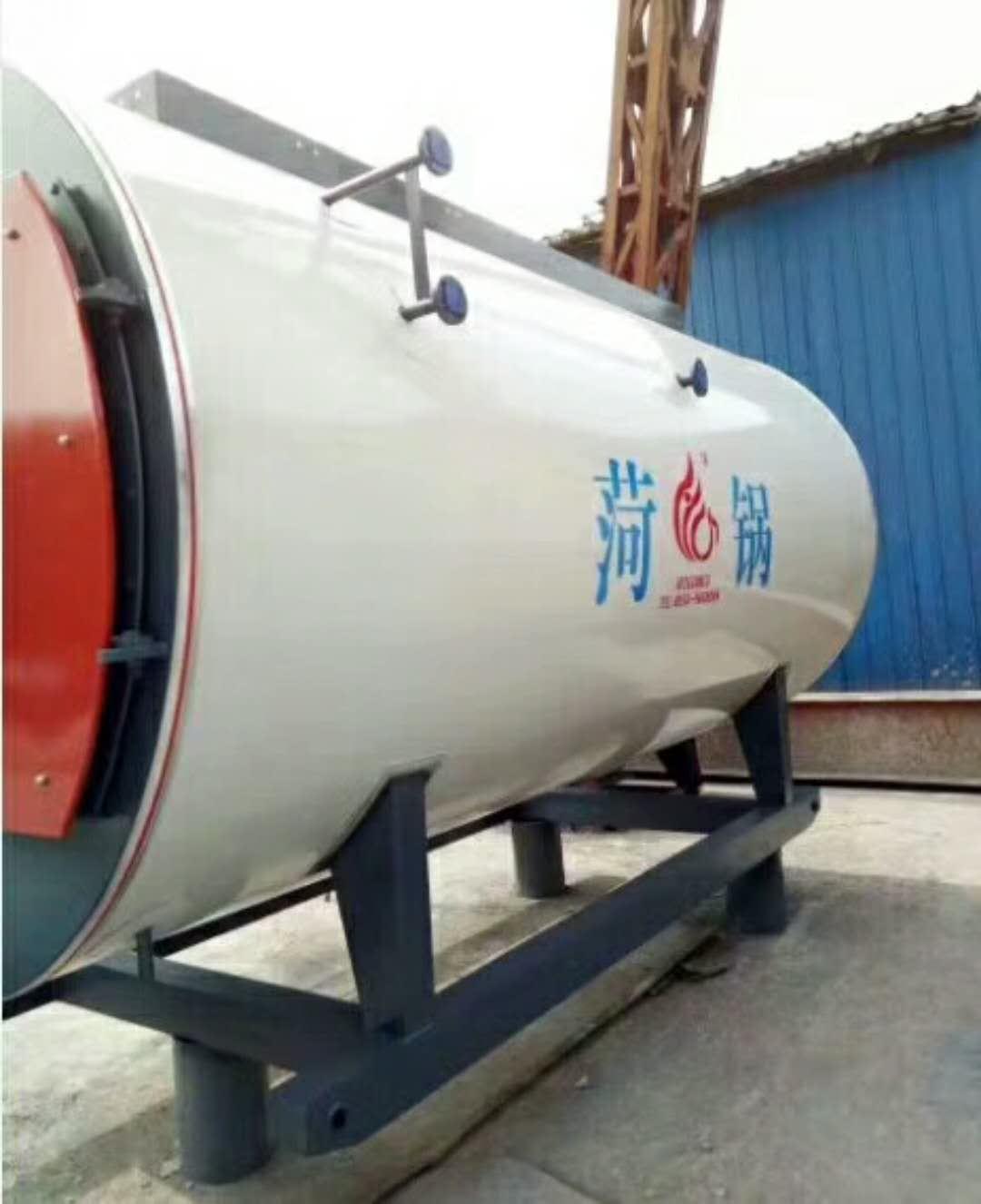


















Shandong Zhongjie Special Equipment (formerly Heze Boiler Factory Co., Ltd.) holds an A-grade boiler manufacturing license, an A2-grade pressure vessel manufacturing license, an A2-grade pressure vessel design license, a B-grade boiler installation license, and GB2/Class, GC2/Class pressure pipeline installation licenses, as well as an equipment and machinery installation contracting qualification. It is a member of the China Boiler and Water Treatment Association, the China Chemical Equipment Association, and a council member of the Shandong Equipment Manufacturing Association. The company has also passed certifications for the ISO9001 Quality Management System, ISO14001 Environmental Management System, OHSAS18001 Occupational Health and Safety Management System, and the U.S. ASME/U2 certification.
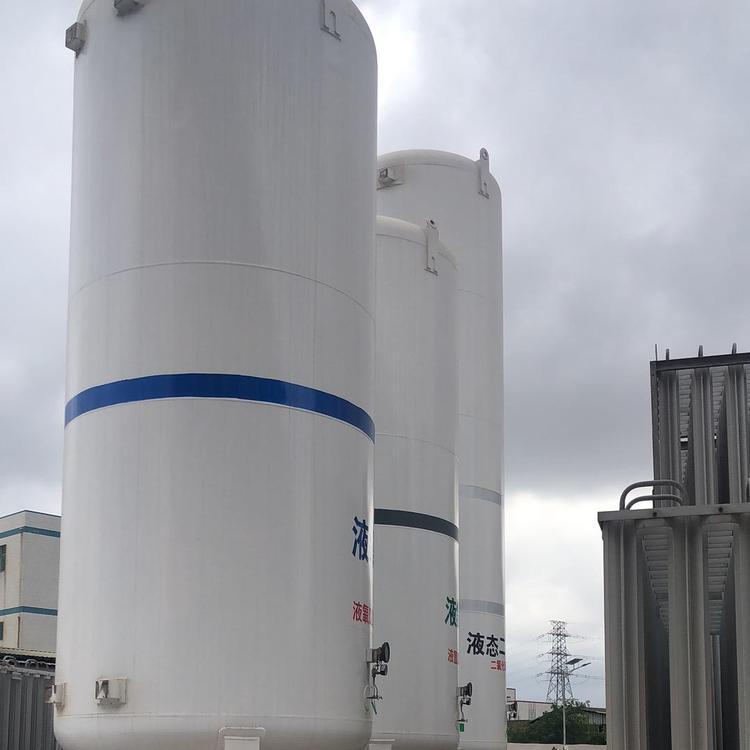
A Carbon Dioxide Storage Tank Pressure Maintenance System is a system designed to maintain the internal pressure of a carbon dioxide storage tank. Since carbon dioxide is a gas at room temperature, it needs to be compressed into a liquid state for storage to increase density. The primary function of the pressure maintenance system is to monitor and regulate the internal pressure of the tank, ensuring the carbon dioxide remains within a safe and stable pressure range. The system typically consists of the following components:
- Pressure Sensors: Installed inside the tank, these sensors monitor the pressure in real-time and transmit pressure signals to the control system.
- Control System: Receives signals from the pressure sensors and controls them based on preset pressure ranges. When the tank's pressure goes beyond or below the set range, the control system triggers corresponding control measures.
- Pressure Regulating Valve: Adjusts the pressure inside the tank according to the control system's instructions. When pressure is too high, the valve opens to release some gas to lower the pressure. When pressure is too low, the valve closes to prevent further gas release, thereby increasing the pressure.
- Pressure Reserve Device: Usually a pressure vessel used to store additional gas for providing extra pressure support when needed. When the tank's pressure drops, the reserve device releases gas to maintain the pressure inside the tank.
Through the coordinated efforts of these components, the Carbon Dioxide Storage Tank Pressure Maintenance System ensures that the pressure within the tank remains within a safe and stable range. This is crucial for the normal operation and safety of the tank.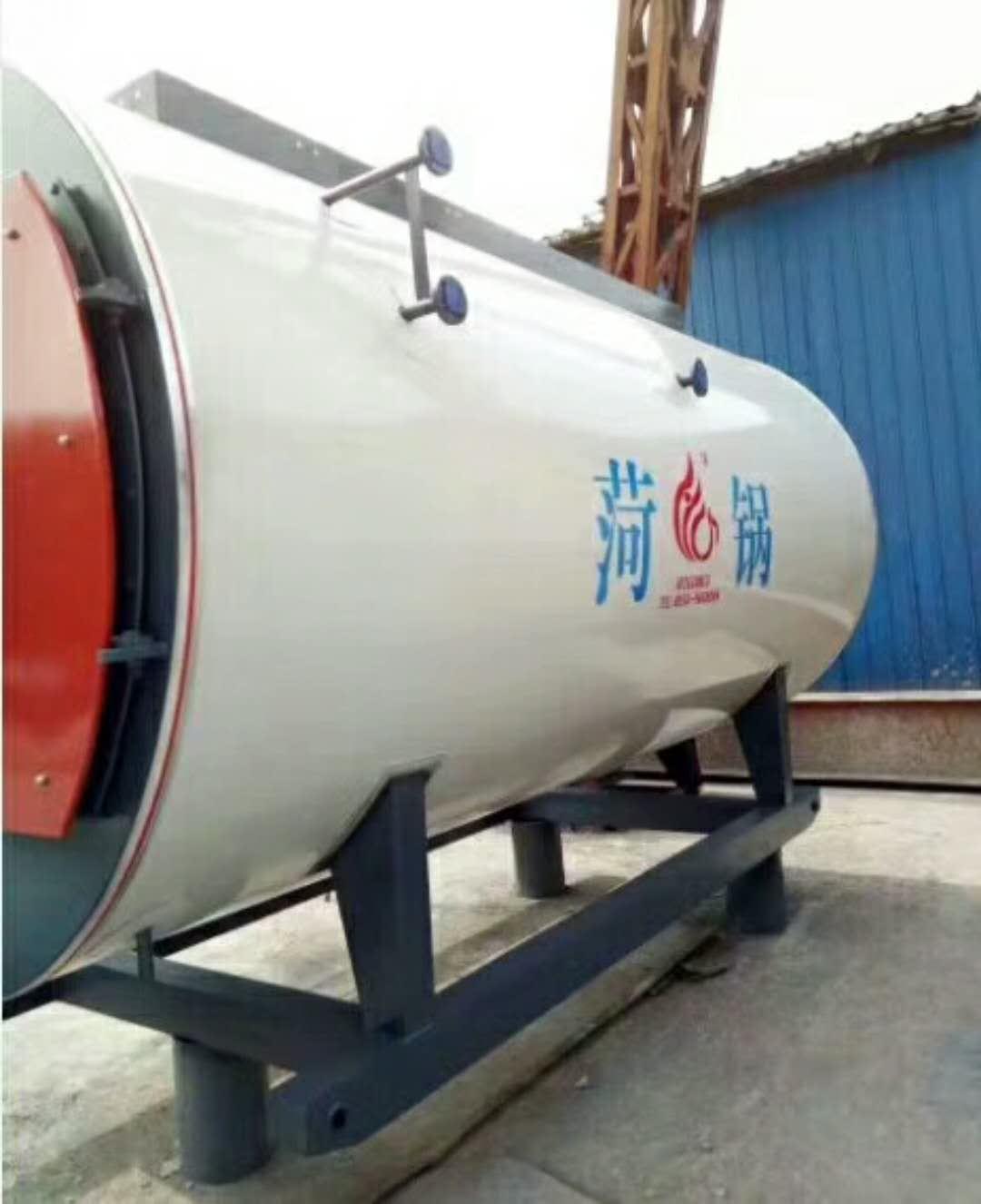
When handling CO2 storage tanks, static electricity is a safety issue that needs attention. Here are some methods to avoid static:
- Grounding: Ensure the tank and related equipment are properly grounded. Grounding releases static to the ground, reducing the likelihood of static buildup. Use specialized grounding devices and grounding wires to ensure reliable grounding.
- Static-Discharge Equipment: Use static-discharge equipment such as static-free clothing, shoes, and gloves. These devices help eliminate or reduce static buildup and protect the operator's safety.
- Avoid Friction: Prevent friction during operation, especially when in contact with flammable or combustible gases. Friction generates static, increasing the risk of fire or explosion.
- Control Humidity: Maintain an appropriate humidity level in the operating environment; higher humidity can reduce static generation and buildup. Use humidifiers or other humidity control devices to adjust the environmental humidity.
- Avoid Plastic or Rubber Materials: Plastic and rubber materials are prone to static buildup; try to avoid using these materials during operation. Choose materials with better antistatic properties for handling.
- Static Eliminators: Use static eliminators to eliminate or reduce static buildup. Static eliminators neutralize static by releasing charges, reducing the danger of static.
- Tank Cleaning: Regularly clean the interior of the tank to remove accumulated impurities and dirt. Be cautious to prevent static generation and buildup during the cleaning process.
Note that static avoidance methods should be determined based on the specific operating environment and tank characteristics. During operation, follow relevant safety regulations and standards, and consult with experts as needed.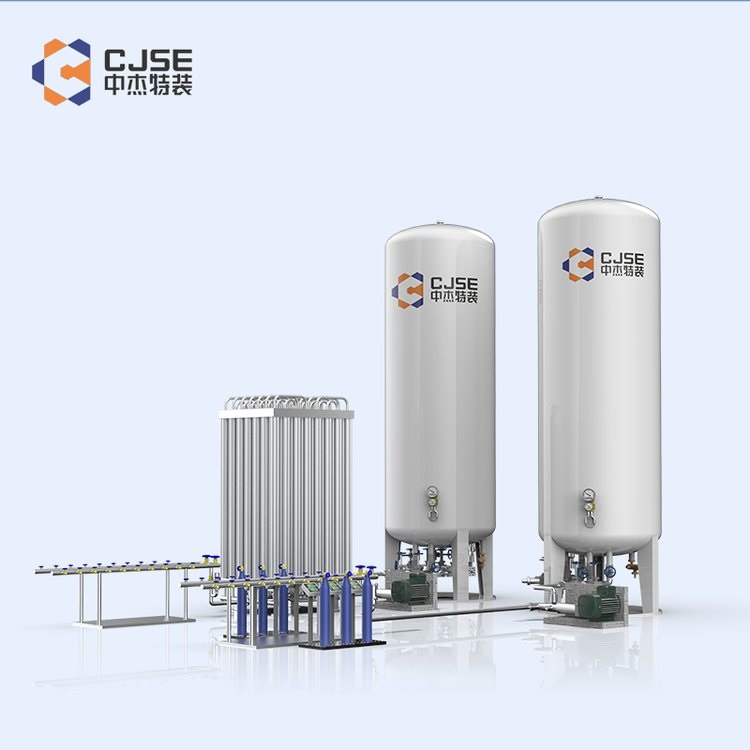
When using carbon dioxide tanks, pay attention to the following aspects:
- Safe Operation: Operators must receive training to understand the characteristics, operational requirements, and safety measures of carbon dioxide tanks. Adhere to relevant safety operation procedures and standards to ensure operational safety.
- Tank Inspection: Regularly inspect the tank's appearance, sealing, valves, and pipeline connections before use. Repair or replace immediately if any abnormalities or damage are found.
- Tank Placement: Place the tank in a well-ventilated, dry, and fire-free area. Avoid direct sunlight and high-temperature environments to prevent overheating.
- Leak Protection: Ensure that the tank's valves and pipeline connections are sealed properly to prevent carbon dioxide leaks. Regularly inspect and replace seals, and promptly address any leaks.
- Pressure Control: The internal pressure of the tank should be within a safe range. Check the tank's pressure gauge and safety valve before use to ensure proper operation. Avoid excessive or low pressure to prevent safety accidents.
- Fire Prevention Measures: Carbon dioxide is flammable, so fire prevention measures should be taken during use. Smoking, open flame operations, or placing flammable items near the tank are prohibited.
- Exhaust Emission: Properly discharge exhaust gases produced during the use of carbon dioxide tanks to avoid carbon dioxide accumulation in enclosed spaces, which can lead to asphyxiation and safety risks.
- Emergency Response Plan: Develop and implement an emergency response plan, including procedures for leak incidents, evacuation, and first aid measures. Operators should be familiar with the plan and conduct regular drills.
Note that carbon dioxide tanks should only be used by trained operators and in accordance with relevant safety operation procedures and standards. Seek advice and guidance from experts.
The reasons for not leaving a CO2 storage tank idle for extended periods are primarily as follows:
1. Safety Risks: CO2 is a high-pressure gas and must be maintained at a certain pressure within the tank to remain in a liquid state. Releasing CO2 from the tank into the atmosphere over a long period can lead to a drop in internal pressure, potentially causing structural failure or explosions, posing safety hazards.
2. Resource Wastage: CO2 is a valuable resource with widespread applications in industry and other sectors. Keeping the CO2 storage tank idle for long durations results in resource waste, which is inconsistent with sustainable development principles.
3. Environmental Impact: CO2 is a greenhouse gas, and leaving it idle for extended periods increases its concentration in the atmosphere, exacerbating climate change and environmental issues.
Therefore, to ensure safety, conserve resources, and protect the environment, CO2 storage tanks should be used and managed in accordance with prescribed procedures and requirements, avoiding long-term idleness. When CO2 in the tank is no longer needed, appropriate disposal methods such as recycling, reuse, or safe discharge should be employed.
Zhongjie Special Equipment upholds the great vision of "realizing the dreams of our employees, creating value for our clients, and striving for the prosperity and strength of our motherland," and is dedicated to the development of the green energy equipment industry. We commit to society with products and services that offer high value for money!
WeChat Official Account

Scan to follow Official Account



















