


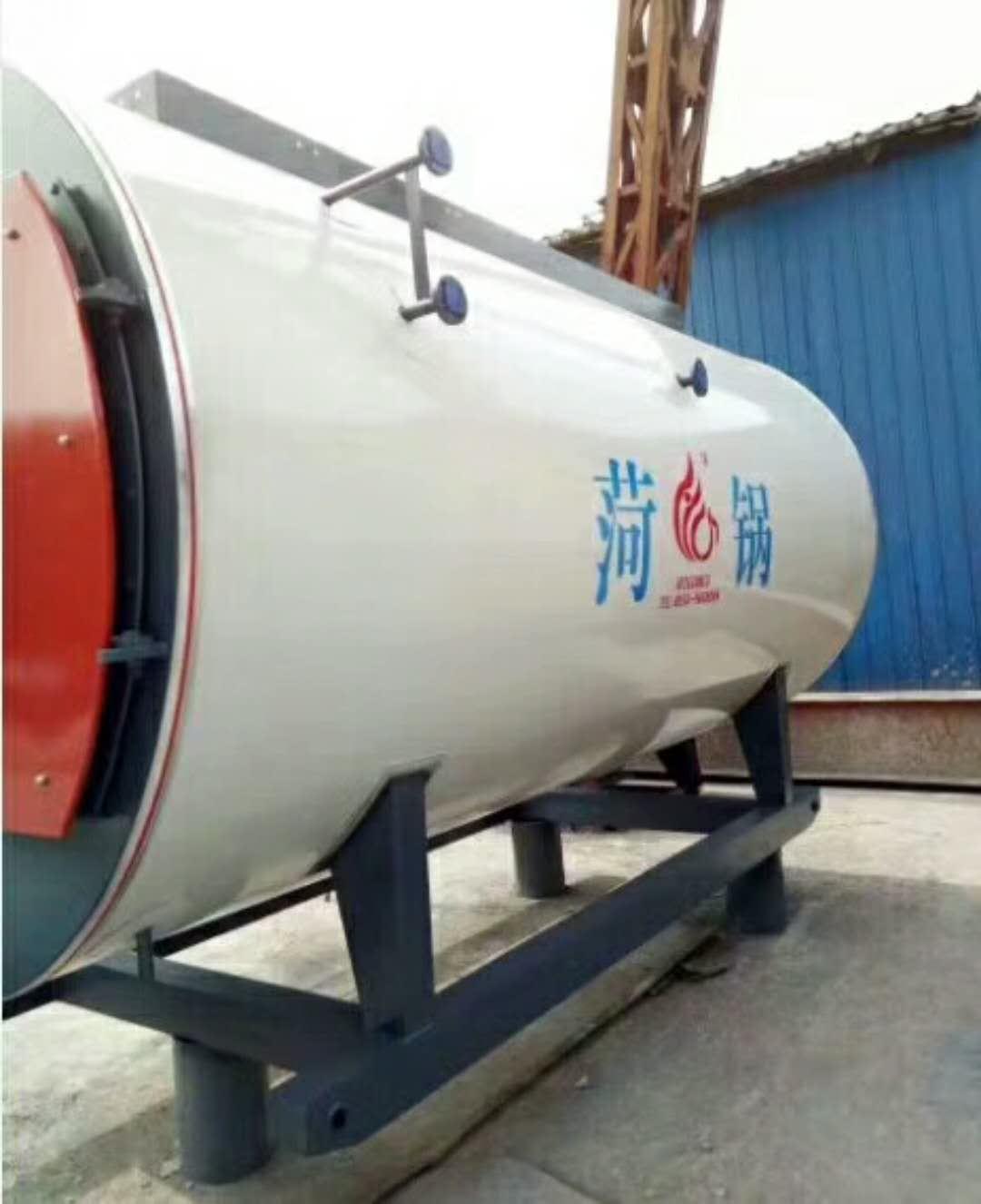

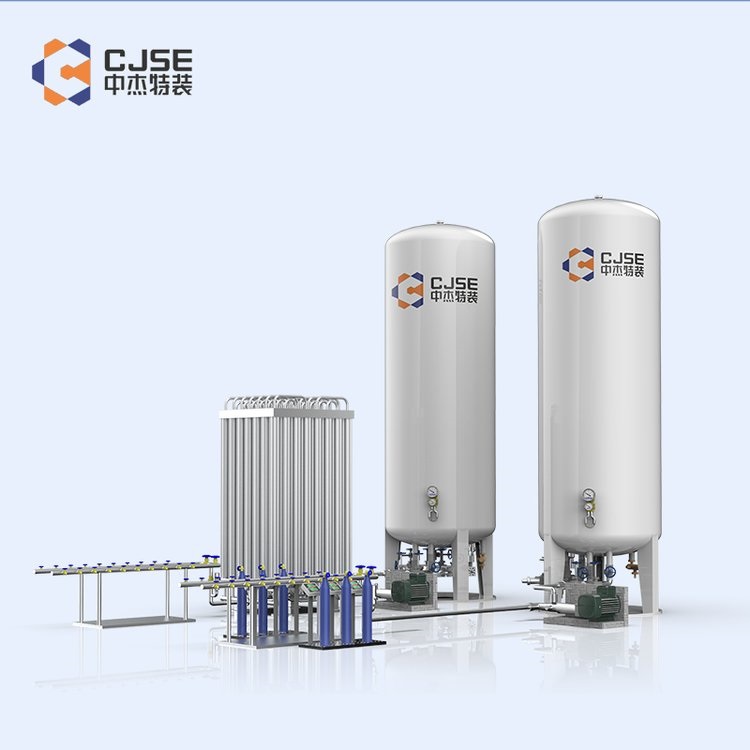
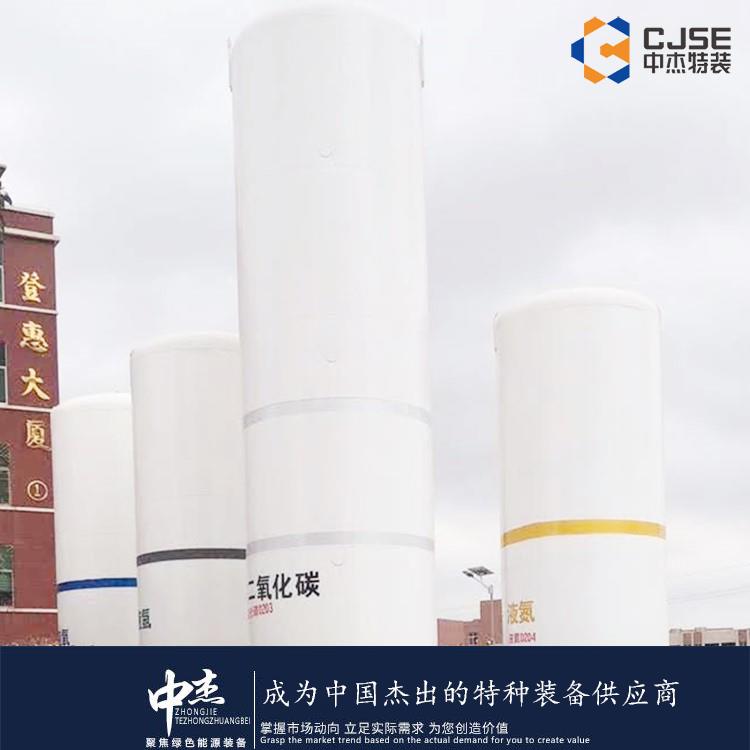


















Shandong Zhongjie Special Equipment (formerly Heze Boiler Factory Co., Ltd.) was established in 2001, located at No. 2218 Jinan Road, Economic and Technological Development Zone, Heze City, with a registered capital of 50 million yuan and total assets of 500 million yuan. The company has 7 business centers: boiler, deep-freeze vessel, pressure vessel, central air conditioning, engineering installation, international trade, and Internet of Things. It has three manufacturing sites on Jinan Road, East Changjiang Road, and Bohai Road, covering a total of 200,000 square meters. The main workshop spans 83,000 square meters. There are currently 710 employees, including 247 engineering and technical staff and 82 middle-level technicians. In December 2016, it was recognized as a "High-tech Enterprise" by the Science and Technology Department. In June 2021, it was identified as a "Specialized and New Enterprise in Shandong Province" by the Department of Industry and Information Technology. In June 2022, it was recognized as a "Gazelle Enterprise in Shandong Province" and in August 2022, as a "Specialized and New Small Giant Enterprise" by the Ministry of Industry and Information Technology.
Carbon dioxide tanks and liquid oxygen tanks are containers used for storing different gases; they have some differences in their physical properties:
Physical State: Carbon dioxide is a gas at room temperature and pressure, and it needs to be cooled and compressed to become a liquid. Liquid oxygen is a liquid at room temperature, and it solidifies only under low temperatures.
Boiling and Freezing Points: The boiling point of carbon dioxide is -78.5°C, with a freezing point of -56.6°C. The boiling point of liquid oxygen is -183°C, and its freezing point is -218.8°C. The boiling and freezing points of liquid oxygen are significantly lower than those of carbon dioxide.
Density: The density of liquid oxygen is high, approximately 1.14 grams per cubic centimeter. The density of carbon dioxide is lower, around 0.00198 grams per cubic centimeter. The density of liquid oxygen is about 570 times that of carbon dioxide.
Pressure: The pressure of liquid oxygen is relatively high, usually ranging from tens to hundreds of MPa (MegaPascals). Carbon dioxide has a lower pressure, typically in the range of a few MPa (MegaPascals).
Safety: Liquid oxygen has a high oxygen content, which is prone to cause fires and explosions. Carbon dioxide also poses asphyxiation and suffocation risks at certain concentrations.
Note that carbon dioxide and liquid oxygen are both highly flammable and explosive substances. Strict adherence to relevant safety operating procedures and standards, along with necessary safety measures, is required for storage and use to ensure the tank's safety and stability.
Low-temperature liquid storage tanks are equipment used for storing low-temperature liquids, commonly employed for storing liquid oxygen, liquid nitrogen, liquid argon, and other low-temperature liquids. These liquids exist in a gaseous state at room temperature but are cooled to a liquid state under low temperatures for better storage and utilization. These storage tanks are typically made of high-strength materials such as stainless steel or aluminum alloy to withstand low temperatures and high pressures. They are usually insulated internally to minimize evaporation and maintain the low-temperature state. The applications of low-temperature liquid storage tanks include but are not limited to the following areas: They are widely used in rocket fuel and propulsion systems, such as liquid oxygen, liquid nitrogen, and liquid hydrogen storage tanks, for storing and supplying low-temperature liquids as fuel and oxidizers to propel rockets. Industrial Production: Low-temperature liquid storage tanks are used in industrial production for storing and supplying low-temperature liquids like liquid oxygen, liquid nitrogen, and liquid argon. These liquids serve as coolants, raw materials for gas separation, and reactants in chemical reactions, among other uses. Medical Applications: Low-temperature liquid storage tanks are used in the medical field for storing and supplying liquid oxygen, providing oxygen therapy, oxygen inhalation, and applications in operating rooms. Laboratory Research: In scientific research and laboratories, low-temperature liquid storage tanks are utilized to provide low-temperature liquids as coolants and refrigerants. They are used for cooling laboratory equipment, material research, superconductivity, and low-temperature physics, among other areas. In summary, low-temperature liquid storage tanks are extensively applied in aerospace, industrial production, and laboratory research fields, for storing and supplying low-temperature liquids to meet the needs of various industries.
Zhongjie Special Equipment Co., Ltd. is a company specializing in the production of low-temperature liquid storage tanks. They offer storage tanks in various specifications and capacities, including liquid nitrogen tanks, liquid oxygen tanks, liquid argon tanks, and more.
The Zhongjie low-temperature liquid storage tank is constructed with high-quality materials and advanced manufacturing techniques, ensuring the tank's strength and sealing integrity. The internal design incorporates special insulating materials and structures, effectively reducing liquid evaporation losses.
The低温 liquid storage tanks from Zhongjie feature the following characteristics:
High safety: The tank is made of materials with excellent pressure resistance and sealing performance, capable of safely storing low-temperature liquids.
Low Evaporation Loss: The thermal insulation materials and structural design used inside the tank effectively reduce liquid evaporation loss, enhancing the tank's economic efficiency.
Multiple specifications and capacity options: ZJET offers a variety of specifications and capacities for low-temperature liquid storage tanks to meet the diverse needs of customers.
Customized Design: Zhongjie can offer customized design and manufacturing services according to specific customer requirements to accommodate various application scenarios.
Quantity manufacturing process: Zhong Jie's equipped manufacturing facilities and technical team ensure the quality and performance of the storage tanks.
In summary, ZJET's low-temperature liquid storage tanks for special packaging offer high safety, low evaporation loss, and a wide range of specifications, catering to storage and transportation needs for low-temperature liquids.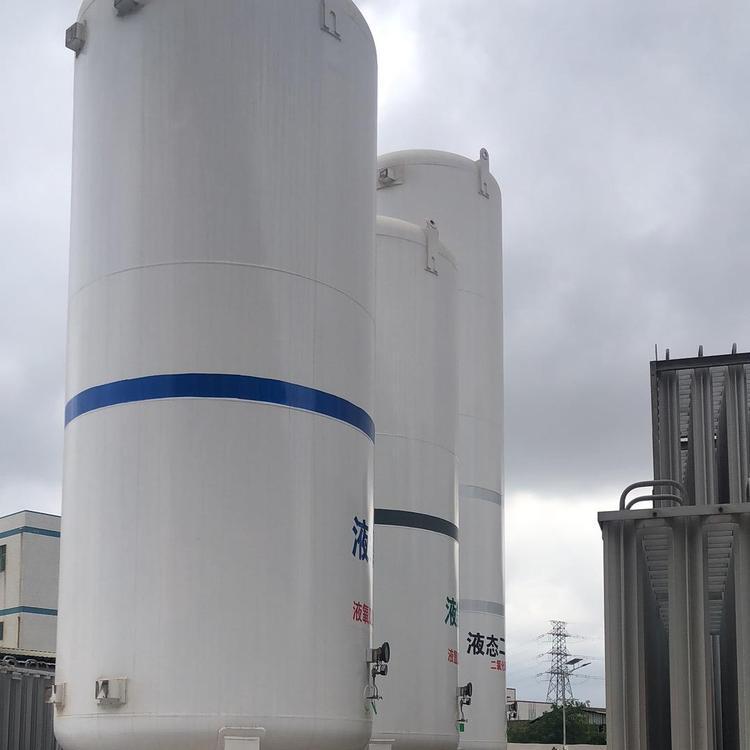
Daily inspections of liquid nitrogen tanks should include the following aspects:
Level Inspection: Regularly check the liquid nitrogen tank's level to ensure it remains within the normal range. This can be done using level gauges or level scales and other equipment.
Pressure Check: Inspect the tank's pressure to ensure it is within the safe range. Pressure gauges or pressure sensors can be used for the inspection.
Insulation Layer Inspection: Check for any damage or detachment in the tank's insulation layer. The integrity of the insulation is crucial for reducing heat transfer and the evaporation of liquid nitrogen.
Leak Inspection: Check for signs of liquid nitrogen leakage around the storage tank, such as vapor mist, frost, or freezing. If a leak is detected, take prompt measures to repair it.
Valve and Pipe Inspection: Verify that the valves and pipes of the storage tank are functioning properly without any gas leaks or blockages. Ensure the tightness and unobstructed flow of the valves and pipes.
Safety Equipment Inspection: Check the safety equipment of the storage tank, such as pressure relief valves, temperature sensors, and liquid level alarms, to ensure they are functioning properly.
Tank External Cleaning: Regularly clean the external surface of the tank to remove dust, dirt, and debris. Maintain the tank's appearance for easy inspection and maintenance.
Documentation: Timely record the inspection results and maintenance records of the storage tanks, including liquid levels, pressure, insulation status, leakage conditions, etc. These records help monitor the tank's operational status and promptly identify issues.
The above outlines the daily inspection procedures for liquid nitrogen tanks. Regularly conducting these checks ensures the safe operation and efficient use of the tanks. Additionally, adhere to relevant safety regulations and operational guidelines to ensure the safety of personnel and equipment.
Shandong Zhongjie Special Equipment, welcome customers to visit our factory for business discussions.
WeChat Official Account

Scan to follow Official Account



















