


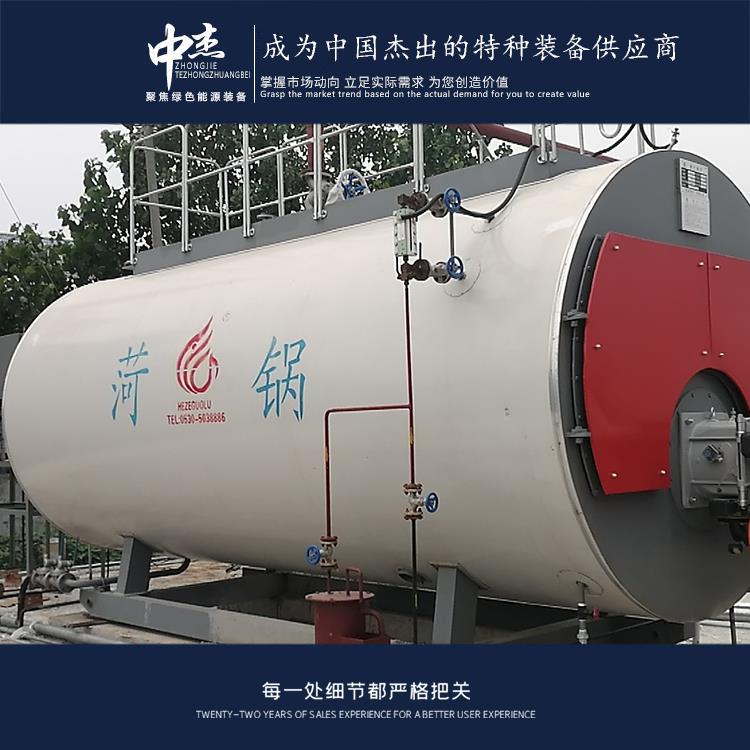

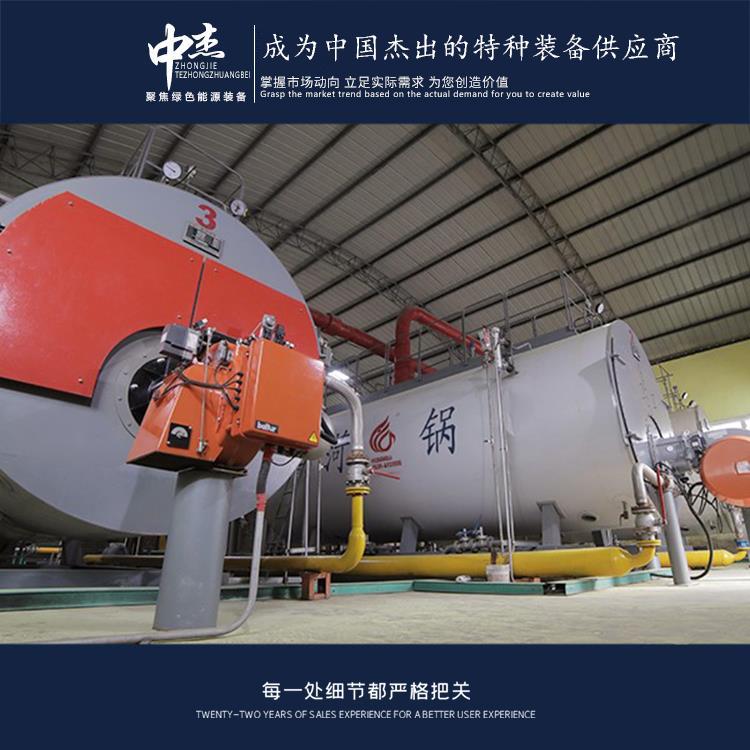
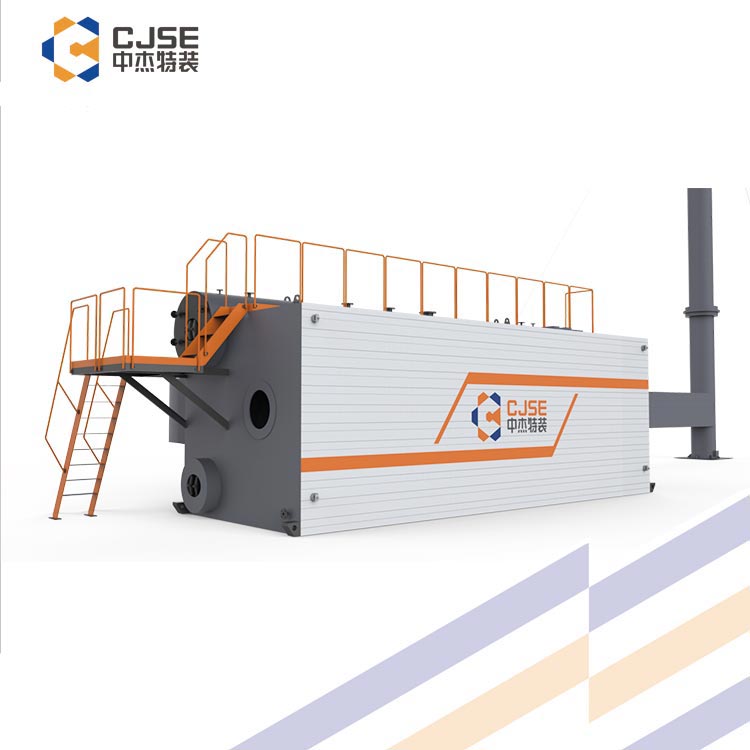


















Shandong Zhongjie Special Equipment (formerly Heze Boiler Factory Co., Ltd.) holds an A-grade boiler manufacturing license, A2-grade pressure vessel manufacturing license, A2-grade pressure vessel design license, B-grade boiler installation license, GB2 and GC2 pressure pipeline installation licenses, and equipment and machinery installation contracting qualifications. It is a member of the China Boiler and Water Treatment Association, the China Chemical Equipment Association, and the director unit of the Shandong Equipment Manufacturing Association. The company has also passed certifications for the ISO9001 Quality Management System, ISO14001 Environmental Management System, OHSAS18001 Occupational Health and Safety Management System, and the American ASME/U2 certification.
Steam boilers produce a certain amount of wastewater during operation, which requires effluent treatment. Here are the general steps for steam boiler effluent discharge:
Preparation: Before discharging, ensure the steam boiler is shut down and the pressure inside has been reduced to a safe level.
Open the effluent valve: Locate the appropriate effluent valve according to the design of the steam boiler and open it. The effluent valve is typically found on the bottom or near the bottom of the boiler's effluent pipe.
Discharge wastewater: After opening the effluent valve, wastewater will flow out of the effluent pipe. Depending on the need, use an effluent pump or gravity to expel the wastewater.
Observe the wastewater: During the discharge process, observe the wastewater's color, turbidity, and odor to determine if there are any abnormalities, such as sediment, impurities, or strange odors.
Close the effluent valve: Once the wastewater has been discharged or the predetermined effluent target has been reached, close the effluent valve.
Clean the effluent system: Regularly clean the effluent system to prevent blockages or accumulation of debris, ensuring the system remains clear.
Note that the specific steps and frequency of steam boiler effluent discharge may vary depending on the model, usage conditions, and operational requirements of the boiler. Therefore, it is advisable to refer to the boiler's operation manual or consult with experts for proper and safe operation.
Selecting a reliable gas boiler supplier is crucial. Here are some factors to consider:
- Reputation: Understand the reputation and market reputation of the gas boiler supplier. Obtain relevant information by checking customer reviews, industry reports, and certifications from institutions.
- Quality and Performance: The quality and performance of the gas boiler directly affect its reliability and efficiency. Learn about the supplier's quality control system, product certifications, and technical support capabilities to ensure their products meet standards and fulfill factory needs.
- Technical Support and After-Sales Service: Choosing a supplier that offers comprehensive technical support and after-sales service is vital. Make sure the supplier can provide training, installation guidance, maintenance, and troubleshooting support to ensure the normal operation of the gas boiler.
- Cost-Effectiveness: Besides quality and performance, consider the cost-effectiveness of the gas boiler. Weigh the purchase cost, operating cost, and maintenance cost to select a supplier that offers reasonable pricing and value for money.
In the end, selecting a trustworthy gas boiler supplier requires considering these factors and making decisions based on the specific needs and conditions of the factory. It is recommended to communicate and compare with multiple suppliers to gather more information and advice for an informed choice.
The necessity of flow control in thermal oil heaters is primarily reflected in the following aspects:
1. Heat Transfer Efficiency: The efficiency of heat transfer in thermal oil heaters is closely related to the flow rate of the thermal oil. An appropriate flow rate ensures that heat is fully transferred in the heat exchanger, enhancing the utilization efficiency of heat energy. An excessively low flow rate may lead to inadequate heat exchange and affect the heat transfer effect, while an excessively high flow rate will increase energy consumption and operating costs.
2. Temperature Control: The flow control of thermal oil heaters is also closely related to temperature control. By adjusting the flow rate of the thermal oil, the temperature inside the furnace can be controlled, ensuring stable operation within the set working temperature range. An excessively low flow rate may cause the temperature to rise too high, and an excessively high flow rate may cause the temperature to fall too low, both of which can affect the normal operation of the equipment.
3. System Stability: An appropriate flow rate of thermal oil can improve system stability. Through flow control, the supply and demand of heat energy can be balanced, avoiding overheating or underheating conditions, and maintaining stable system operation. Stable operation helps to extend the service life of the equipment and reduce the frequency of failures and repairs.
4. Safety: The flow control of thermal oil heaters is also closely related to safety. Appropriate flow control can prevent excessive accumulation of thermal oil in the system, reducing the risk of leakage and explosion. Additionally, flow control can ensure that the system pressure remains within a safe range, avoiding overpressure and other safety issues.
In summary, flow control in thermal oil heaters is necessary for improving heat transfer efficiency, temperature control, system stability, and safety. Through reasonable flow control, the operation of thermal oil heaters can be optimized, energy utilization efficiency can be enhanced, operating costs can be reduced, and the safety and stable operation of the equipment can be ensured.
When selecting a thermal oil furnace for the rubber industry, pay attention to the following aspects:
- Temperature Requirements: Determine the required working temperature range based on the process needs of the rubber industry. Ensure the thermal oil furnace can consistently provide the necessary working temperature.
- Heat Load: Calculate the required heat load based on the production scale and process requirements of the rubber industry. Ensure the thermal oil furnace's heat load meets the industry's needs.
- Thermal Efficiency: The thermal efficiency of the thermal oil furnace directly impacts energy consumption and operating costs. Choose a furnace with high thermal efficiency for energy-saving purposes.
- Safety: The safety of the thermal oil furnace is crucial. Select a furnace with comprehensive safety protection devices and an automatic control system to ensure safe and reliable operation.
- Maintenance: Proper maintenance is vital for extending the lifespan and ensuring smooth operation of the thermal oil furnace. Consider the ease and cost of maintenance when choosing a furnace.
- Manufacturer's Reputation: Choose a thermal oil furnace manufacturer with a good reputation and extensive experience to ensure product quality and reliable after-sales service.
- Cost-Effectiveness: Consider the price, energy consumption, and maintenance costs of the thermal oil furnace, selecting a product with good cost-effectiveness.
- Consultation: When purchasing a thermal oil furnace, it is recommended to consult with heating equipment suppliers or engineers, select based on specific requirements, and adhere to relevant industry standards and regulations.
Our company attaches great importance to technological innovation and R&D design. We have one municipal-level enterprise technology center in Heze City, equipped with testing facilities such as non-destructive testing, physical and chemical testing, welding testing, and hydrostatic testing. We have over 600 types of equipment, including CNC machine tools, X-ray flaw detectors, digital ultrasonic flaw detectors, mechanical property testing machines, chemical analyzers, spectrometers, tensile testing machines, plasma welding machines, etc. The key products and technologies we have developed, such as temperature and pressure vessel welding, biomass boiler emission reduction, and waste heat utilization, have successively been selected for multiple Shandong Provincial Department of Industry and Information Technology science and technology innovation projects, Shandong Provincial key projects, and Heze City innovative and excellent projects. We have accumulated a total of 27 authorized utility models, 16 authorized inventions, participated in drafting 2 standards, 2 industry standards, and registered 15 trademarks. The technical team of our company, in collaboration with Professor Yajiang Li of Shandong University, has developed deep cryogenic container processing technology using the international plasma arc + wire filling argon arc welding (PAW-GTAW) technology. After the provincial-level scientific and technological achievement evaluation, the technology level has reached the international standard in the field of deep cryogenic container manufacturing.
Choose ZJET Customization, let's create brilliance together!
WeChat Official Account

Scan to follow Official Account



















