


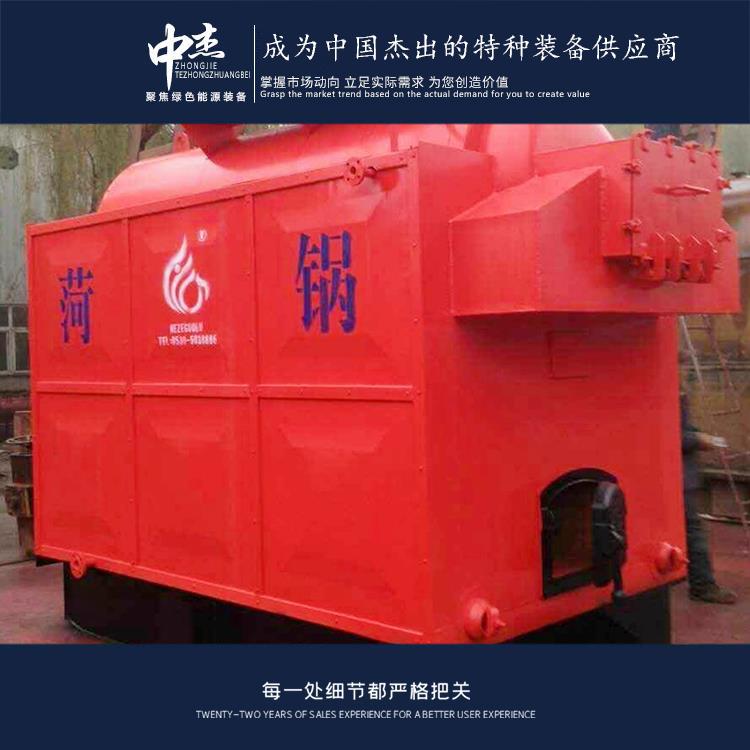

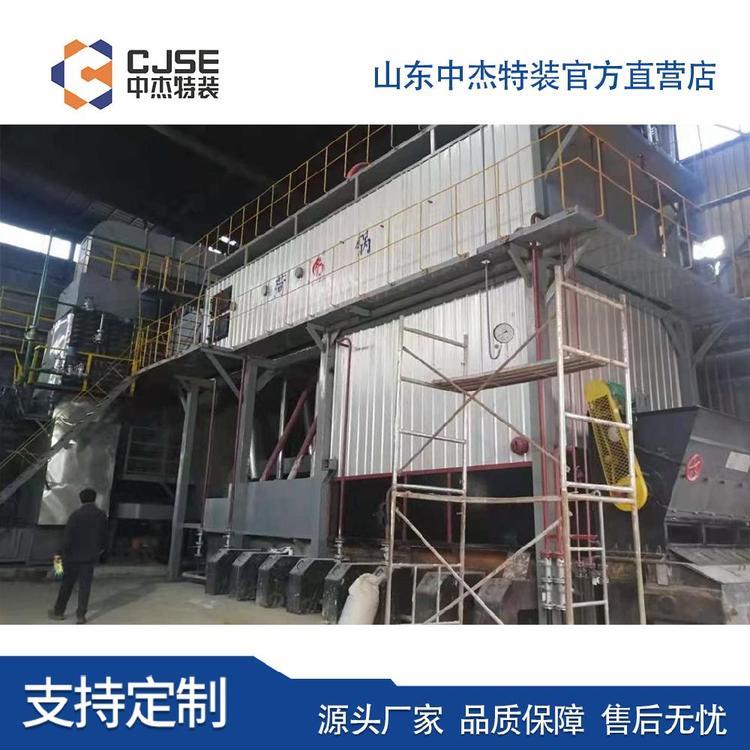
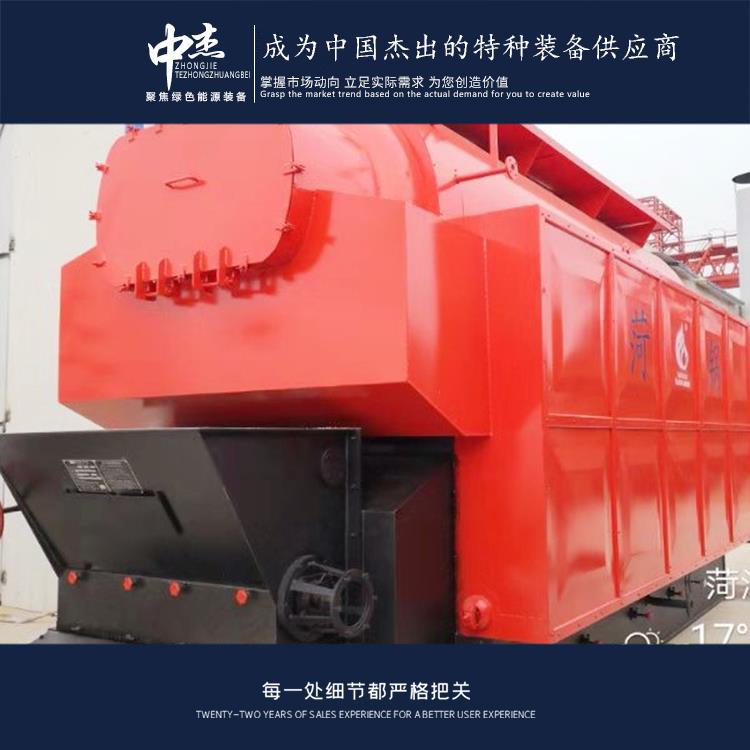


















Shandong Zhongjie Special Equipment Co., Ltd. specializes in the following products: fuel (gas) boilers, organic heat carrier boilers, biomass boilers, waste heat recovery boilers, and other boiler products; vacuum insulated cryogenic pressure vessels such as LNG storage tanks, oxygen/nitrogen/argon storage tanks, and CO2 storage tanks; pressure vessel products including denitrification engineering equipment, heat storage and energy storage equipment, and complete chemical equipment sets; central air conditioning and ventilation equipment such as ground (water) source heat pumps, air source units, water-cooled screw units, and air-cooled modular units. Planned products include large-scale energy centers, LNG transport vehicles, LNG tank containers, and other green energy equipment.
Utilizing waste heat from biomass boilers is a crucial method to enhance energy efficiency and reduce energy consumption and emissions. Here are some common applications and analyses of waste heat utilization technologies in biomass boilers:
Eco-friendly Air Preheater: The flue gas produced by biomass boiler combustion contains a large amount of heat energy. The eco-friendly air preheater can recover and utilize the excess heat in the flue gas to preheat the air entering the boiler, thereby improving combustion efficiency. Through waste heat recovery, fuel consumption can be reduced and flue gas emissions can be minimized.
Economizer: An economizer is a device used to recover waste heat from flue gases, by transferring the heat from the flue gases to the boiler feed water, thus increasing the feed water temperature and reducing fuel consumption. The application of an economizer can effectively lower the flue gas temperature of the boiler and improve its thermal efficiency.
Waste Heat Boiler from Biomass Boiler Flue Gas: This equipment utilizes the waste heat from the flue gas of biomass boilers to generate steam or hot water. By converting the waste heat in the flue gas into usable thermal energy, it achieves the reuse of energy and improves energy utilization efficiency.
Direct Utilization of Flue Gas: The waste heat from biomass boiler flue gas can be directly used for heating or drying processes, reducing the need for other energy sources. For instance, the flue gas can be transported through chimneys or pipelines to the location that requires heating, directly utilizing the heat energy of the flue gas.
Flue Gas Heat Recovery System: The flue gas heat recovery system recovers and utilizes the excess heat from biomass boiler flue gases, supplying it to other equipment or systems such as air conditioning, heating, and hot water. This allows for comprehensive energy utilization, enhancing overall energy efficiency.
Possible reasons for the black smoke produced by biomass boiler combustion may include:
Incomplete Combustion: Inadequate oxygen supply or insufficient combustion temperature in biomass fuel can lead to incomplete combustion, producing a large amount of smoke and black smoke. This may be due to poor combustion chamber ventilation, poor fuel quality, or incorrect combustion parameter settings, among other reasons.
High moisture content: Excessive water in biomass fuel can lead to the evaporation of a large amount of steam during combustion, reducing the combustion temperature and affecting the combustion efficiency, resulting in black smoke.
Fuel Quality Issue: Impurities, ash content, or uneven moisture in biomass fuel can affect the combustion process, leading to incomplete combustion and the production of black smoke.
Combustion equipment issues: If the combustion equipment of biomass boilers is faulty or worn, such as slagging in the combustion chamber or clogging of the burner, it can affect the combustion efficiency and lead to the production of black smoke.
To reduce the emission of black smoke, the following measures can be taken:
Ensure adequate oxygen supply: Adjust the ventilation system of the combustion equipment to ensure sufficient oxygen supply, enhance combustion efficiency, and reduce the production of black smoke.
Control combustion temperature: Adjust combustion parameters, such as combustion temperature and duration, to ensure complete fuel combustion and reduce the production of black smoke.
Optimize fuel quality: Select biomass fuel in appropriate quantities, ensuring consistent dryness and quality, reducing moisture content and impurities, enhancing combustion efficiency.
Regular Maintenance: Conduct regular maintenance on biomass boilers to clean the combustion chamber, burners, and other components, ensuring the equipment operates smoothly and reduces the production of black smoke.
Install Pollutant Control Equipment: As required, install flue gas purification equipment such as dust collectors and desulfurization devices, effectively removing particles generated during the combustion process.
Biomass boilers are prone to corrosion at high temperatures, primarily due to the following factors:
Fuel Composition: Biomass fuel contains certain amounts of ash and elements like chlorine, which can form corrosive substances under high temperatures during combustion, such as chlorides and salts. These substances can react with the metal surface, leading to metal corrosion.
Combustion Conditions: Factors such as combustion temperature, oxygen content, and combustion rate during biomass combustion can affect corrosion. High temperatures, excessive oxygen, and rapid combustion rates can accelerate corrosion.
Smoke Composition: The smoke produced from biomass combustion contains certain acidic substances, such as, etc. These acidic substances will react with the metal surface, causing corrosion.
Flue Gas Condensation: During the flue gas condensation process in biomass boilers, water vapor in the flue gas condenses into liquid water, forming acidic condensate. This acidic condensate comes into contact with the metal surface, causing corrosion.
Material Selection for Metal: The metal materials used in biomass boilers also affect their resistance to corrosion. Different metal materials exhibit varying corrosion resistance to different corrosive mediums.
In summary, the primary causes of high-temperature corrosion in biomass boilers include fuel composition, combustion conditions, flue gas composition, flue gas condensation, and the selection of metallic materials. To mitigate corrosion issues,
A biomass boiler safety valve is a device designed to ensure the safety of the boiler system. Its primary function is to automatically open and release excessive pressure when the internal pressure of the boiler exceeds the set value, preventing the boiler from exploding or causing other safety incidents.
Biomass boiler safety valves are typically composed of the valve body, valve cover, spring, valve core, and seals. When the internal pressure of the boiler exceeds the set value, the spring is subjected to pressure, pushing the valve core upwards to allow pressure to escape through the valve body. Once the pressure drops below the set value, the spring re-closes the valve core, preventing further pressure release.
The setting pressure of safety valves is typically determined by the design pressure of the boiler and the usage requirements. It should be selected and installed in accordance with relevant standards and regulations, and regularly inspected and maintained to ensure proper operation and reliability.
The presence of a biomass boiler safety valve effectively safeguards the boiler system's safety, preventing hazardous situations caused by excessive pressure. It is one of the crucial safety devices in the biomass boiler system.
Shandong Zhongjie Special Equipment, welcome customers to visit our factory for business discussions.
WeChat Official Account

Scan to follow Official Account



















