


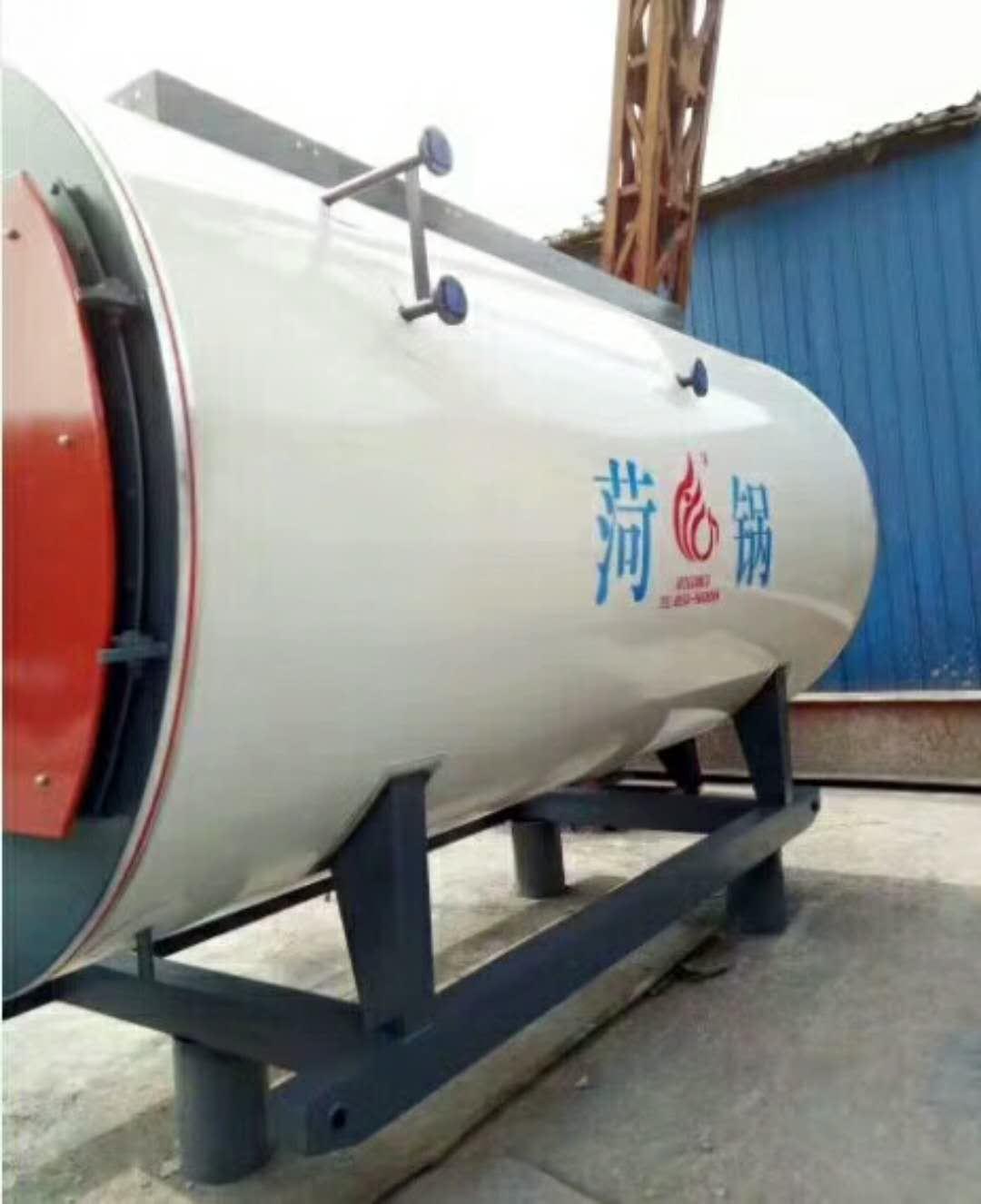

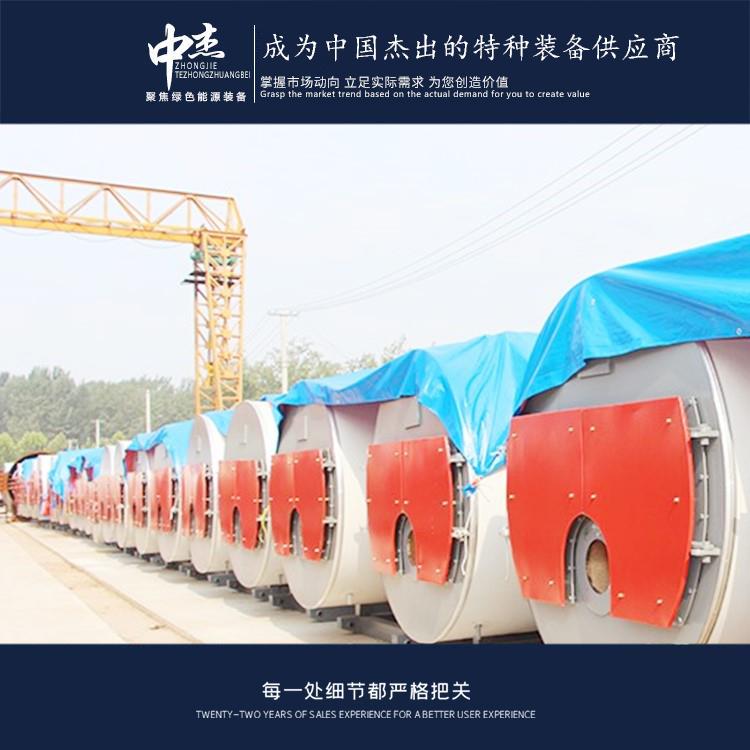


















Shandong Zhongjie Special Equipment Co., Ltd. specializes in the following products: fuel (gas) boilers, organic heat carrier boilers, biomass boilers, waste heat recovery boilers, and other boiler products; vacuum insulation cryogenic pressure vessels such as LNG storage tanks, oxygen/nitrogen/argon storage tanks, and CO2 storage tanks; pressure vessel products including denitrification engineering equipment, heat storage and energy storage equipment, and complete chemical equipment; central air conditioning and HVAC equipment such as ground (water) source heat pumps, air source units, water-cooled screw units, and air-cooled modular units. Planned products include large-scale energy centers, LNG transport vehicles, LNG tank containers, and other green energy equipment.
The reasons for uneven heat distribution in steam boilers may include the following aspects:
- Uneven combustion: During the combustion process, uneven mixing of fuel and air, or an improperly designed and adjusted burner, can lead to uneven combustion. This results in some areas producing more heat while others produce less.
- Pipe blockage: The presence of blockages or scale in the transmission pipes of a steam boiler can cause uneven heat transfer. Blockages or scale hinder steam flow, limiting heat transfer in some areas while allowing it to be relatively better in others.
- Heat exchanger issues: If a steam boiler's heat exchanger has problems such as scaling, corrosion, or blockage, it can lead to uneven heat transfer. These issues affect the heat conduction efficiency of the heat exchanger, impacting heat transfer in certain areas.
- Water level problems: Inaccurate or unstable water level control in a steam boiler can lead to uneven steam production. Both high and low water levels can affect steam production and distribution, causing uneven heat distribution.
- Boiler load changes: Variations in the load of a steam boiler can also result in uneven heat distribution. Sudden increases or decreases in load may prevent the boiler from adjusting heat production and distribution in time, leading to uneven heat distribution.
To address the issue of uneven heat distribution in steam boilers, regular inspection and maintenance of the boiler equipment are required to ensure normal operation of combustion and heat exchange processes. Additionally, adjusting burners and control systems, maintaining stable water levels, cleaning pipes and heat exchangers, and improving...
Chemical cleaning of industrial boilers is a common method that effectively removes dirt and sediments inside the boiler, enhancing heat exchange efficiency and extending the boiler's lifespan. The following are general steps and methods for industrial boiler chemical cleaning:
Preparation: Turn off the boiler's power and gas supply, drain the water and steam from the boiler, and ensure the boiler is in a safe condition. Prepare the required chemical cleaning agents and cleaning equipment.
Cleaning Agent Selection: Choose suitable chemical cleaning agents based on the boiler's material and the nature of the dirt. Common cleaning agents include acidic, alkaline, and chelating agents.
Cleaning Agent Circulation: Dissolve the cleaning agent in an appropriate amount of water and circulate it into the boiler through a pump. Determine the circulation time and temperature of the cleaning agent based on the boiler's size and the extent of the dirt.
Cleaning Agent Action: During circulation, the cleaning agent reacts chemically with the dirt inside the boiler, dissolving and decomposing it. Acidic cleaning agents can remove rust and scale, while alkaline cleaning agents can remove oils and organic matter.
Rinsing and Neutralization: After the cleaning agent circulation, rinse the boiler with clean water to flush out the cleaning agent and dissolved dirt. Simultaneously, use a neutralizing agent to neutralize any remaining acidic or alkaline substances, ensuring the boiler's neutrality.
Inspection and Maintenance: After cleaning, inspect the boiler to ensure the cleaning effectiveness and normal operation. Perform necessary maintenance and repair work as needed.
Points to Note during Industrial Boiler Chemical Cleaning:
- Adhere strictly to the usage instructions and safety operating procedures for chemical cleaning agents to ensure the safety of operators.
- Select appropriate cleaning agents and methods based on the boiler's material and the cleaning agents' properties.
- Control the concentration, temperature, and circulation time of the cleaning agent to avoid unnecessary damage to the boiler.
- Monitor the concentration and pH value of the cleaning agent in a timely manner during the cleaning process, adjusting the cleaning conditions as needed.
- After cleaning, rinse the boiler to ensure the complete removal of cleaning agents and dirt.
- After cleaning, carry out boiler maintenance and repair promptly to ensure normal operation and long-term use.
To ensure the safe operation of industrial boilers, attention should be given to the following aspects:
- Adhere to laws and regulations: Understand and comply with relevant laws, regulations, and standards, including those governing boiler safety management and standards for boiler use and maintenance. Ensure compliance with legal requirements throughout the operation process.
- Establish a comprehensive management system: Develop a robust industrial boiler safety management system, clearly defining responsibilities and authorities, and standardizing operational procedures and safety measures. Create operational guidelines and emergency response plans to ensure orderly safe operation.
- Training and education: Train and educate personnel involved in the safe operation of industrial boilers to enhance their safety awareness and skill levels. This includes training for boiler operators, maintenance staff, and management personnel.
- Regular inspections and maintenance: Conduct regular inspections and maintenance of industrial boilers to ensure proper operation and safety performance. This includes checking and maintaining critical components such as the combustion system, water level control, safety valves, and pressure gauges.
- Safety equipment and facilities: Equip necessary safety equipment and facilities, such as safety valves, pressure gauges, water level indicators, and burners, ensuring their proper operation and effectiveness.
- Regular inspections and assessments: Conduct regular inspections and assessments of industrial boilers to ensure compliance with safety requirements. This includes regular pressure tests, water quality inspections, and combustion efficiency evaluations.
- Safety records and document management: Establish a comprehensive system for safety records and document management, recording the operation, maintenance, and accident records of industrial boilers. Update and preserve relevant safety documents promptly.
- Regular drills and emergency response training: Organize regular safety drills and emergency response training to enhance the ability to respond to emergencies and improve the efficiency of emergency handling.
The above are some basic points for ensuring the safe operation of industrial boilers. Specific operations should be conducted according to actual conditions and relevant requirements.
To reduce the operating costs of gas boilers, consider the following aspects:
Combustion System: Ensure the stability of the combustion system in the gas boiler. Regularly inspect and maintain the burner, clean the nozzles and combustion chamber, adjust the ratio of gas to air to enhance combustion efficiency and reduce gas waste.
Energy-Saving Control System: Install and use energy-saving control systems, such as smart thermostats and timers. These systems can automatically adjust the boiler's operating status based on actual needs, avoiding unnecessary energy waste.
Regular Maintenance: Conduct regular maintenance on gas boilers, including cleaning heat exchangers, inspecting and replacing seals, and clearing gas pipelines. Maintain the boiler's normal operation to reduce energy loss and prevent breakdowns.
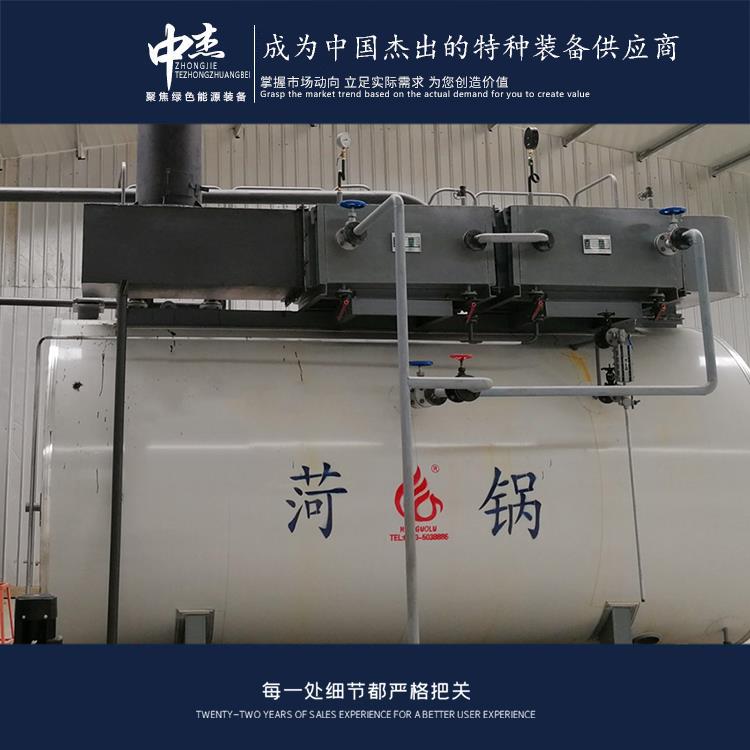
Heat Recovery: Consider installing heat recovery devices such as waste heat recovery units or flue gas heat exchangers. These devices can utilize the excess heat from the flue gas emitted by the gas boiler to heat water or other equipment requiring heat, improving energy utilization efficiency.
Pipe Insulation and Leak Inspection: Ensure that the insulation of gas and hot water pipelines is effective to reduce energy loss. Regularly check for pipeline leaks and repair them promptly to avoid energy waste and safety hazards.
Energy Management and Monitoring: Establish an effective energy management system to monitor and analyze the energy consumption of gas boilers. Through data analysis and optimizing operating strategies, identify energy-saving potential and areas for improvement.
Training and Awareness: Provide employee training to enhance awareness of operating and maintaining gas boilers. Improved knowledge and skills among employees contribute to better management and operation of gas boilers, reducing operating costs.
By considering these factors comprehensively, you can effectively reduce the operating costs of gas boilers.
ZJ Special Equipment adheres to the grand vision of "realizing employees' dreams, creating value for customers, and striving for the prosperity and strength of our motherland," and is dedicated to the development of green energy equipment. We offer society high-quality products and services at competitive prices!
WeChat Official Account

Scan to follow Official Account



















