


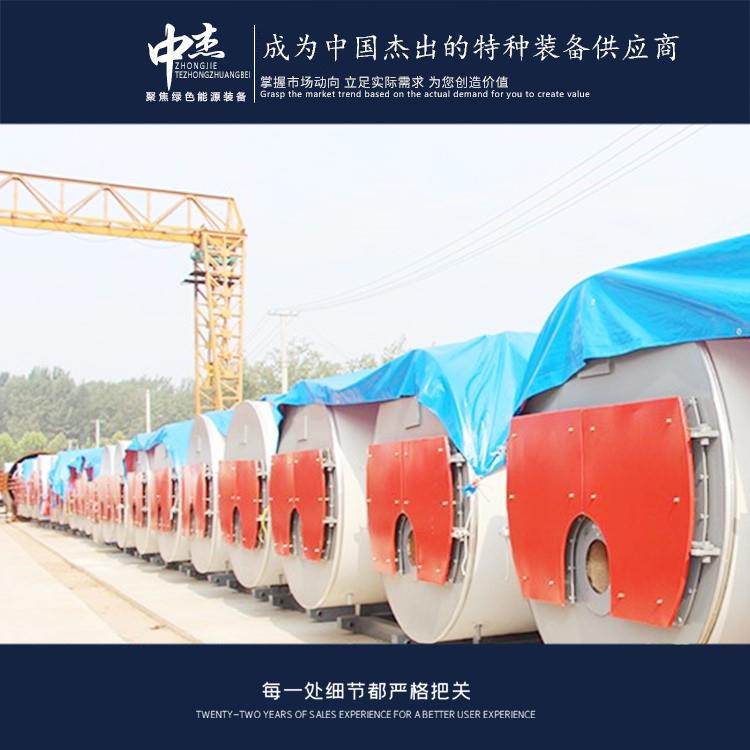

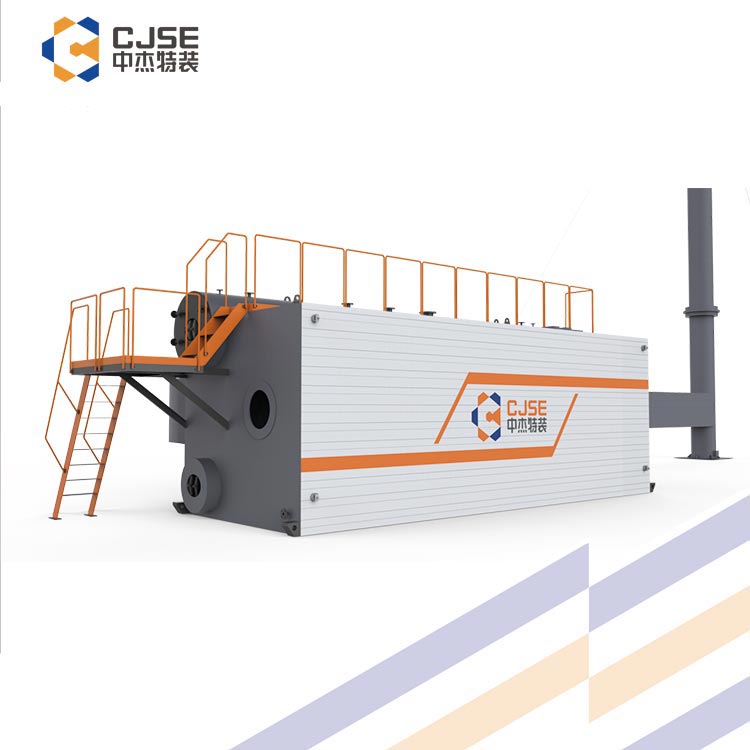
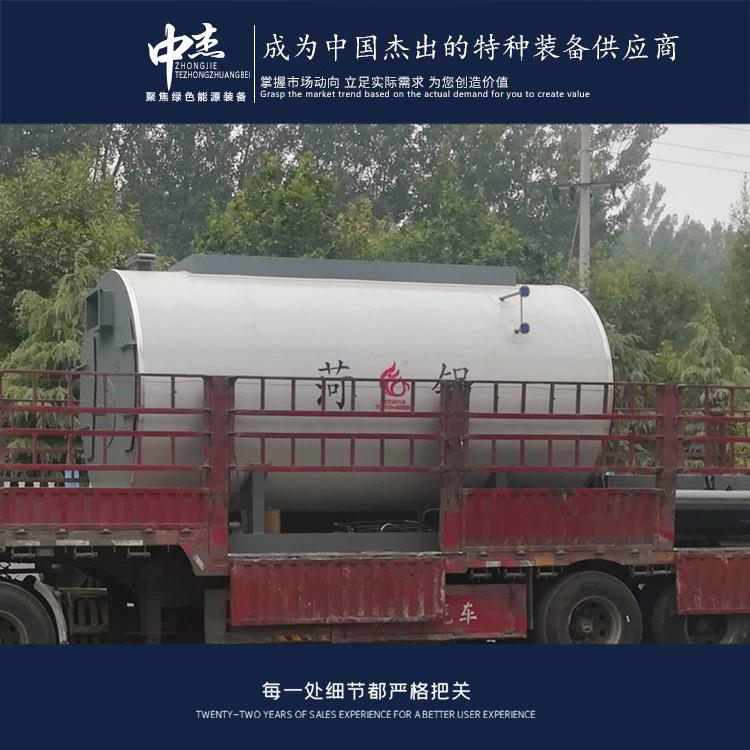


















Shandong Zhongjie Special Equipment's main products include: fuel (gas) boilers, organic heat carrier boilers, biomass boilers, waste heat boilers, and other boiler products; vacuum insulation deep-freeze pressure vessels such as LNG storage tanks, oxygen/nitrogen/argon storage tanks, and CO2 storage tanks; pressure vessel products such as denitrification engineering equipment, heat storage and energy storage equipment, and complete chemical equipment sets; central air conditioning and HVAC equipment such as ground (water) source heat pumps, air source units, water-cooled screw units, and air-cooled modular units. Planned products include large-scale energy centers, LNG transport vehicles, LNG tank containers, and other green energy equipment.
Before ignition, the preparation of the steam boiler involves the following steps:
1. Clean the boiler: First, clean the internal and external dirt and impurities from the boiler. Remove ash, sediment, and dirt to ensure the efficiency of combustion and heat exchange.
2. Check fuel supply: Inspect the fuel supply system to ensure a smooth supply of fuel. Check the fuel storage tank, transmission pipelines, and filters, clear blockages, and replace damaged parts.
3. Inspect the burner: Check the operating condition and cleanliness of the burner. Clean the burner nozzle and flame detector to ensure normal operation of the burner.
4. Check the gas system: If it's a gas boiler, inspect the gas supply system. Check the gas pipelines, valves, and pressure regulators to ensure safe and stable gas supply.
5. Check water level and pressure: Inspect the boiler's water level and pressure. Ensure the water level is within the normal range, and the pressure is stable and meets requirements. Add water and adjust pressure if necessary.
6. Check safety devices: Inspect the boiler's safety devices, such as safety valves, pressure switches, and water level controllers. Ensure these safety devices are functioning normally to ensure safe operation of the boiler.
7. Prepare ignition tools: Prepare the tools and equipment needed for ignition, such as a matchstick, igniter, etc. Ensure these tools are working properly and have safe performance.
8. When performing the above preparation tasks, follow relevant operational procedures and safety requirements to ensure the safety and effectiveness of the work. If unsure about how to perform the preparation, consult with experts or the boiler manufacturer for advice.
To reduce the heat loss of a gas boiler, the following measures can be taken:
- Enhance Insulation: Insulate the outer shell and pipes of the gas boiler to minimize heat loss. Use insulating materials like rock wool or glass wool to wrap the boiler and pipes.
- Install Heat Recovery Systems: Install heat recovery devices in the flue of the gas boiler to utilize the excess heat in the flue gases. This improves thermal efficiency and reduces heat loss.
- Control Combustion Process: Properly control the combustion process to ensure complete, stable, and efficient combustion. Adjust the parameters of the burner, such as air flow and gas supply, to increase combustion efficiency and reduce heat loss.
- Clean Heat Exchangers: Regularly clean the heat exchangers of the gas boiler to remove dirt and sediment from the surface. This maintains the heat exchange efficiency and reduces heat loss.
- Control Flue Gas Temperature: Reasonably control the flue gas temperature of the gas boiler to avoid excessive temperatures that lead to significant heat loss. This can be achieved by adjusting burner parameters and flue design.
- Regular Inspection and Maintenance: Conduct regular inspections and maintenance on the gas boiler to ensure proper operation. This includes checking the combustion system, water level control, safety valves, and promptly repairing or replacing damaged parts.
- Utilize Waste Heat: Use the excess heat generated by the gas boiler for other processes requiring heat, such as water heating and heating systems. By utilizing waste heat, reduce energy waste and improve energy utilization efficiency.
- Through these measures, heat loss in gas boilers can be effectively reduced, enhancing energy utilization efficiency and decreasing energy consumption.
The management system for gas heat transfer oil furnace equipment incidents primarily includes the following aspects:
1. Equipment Safety Management System: Establish and improve the safety management system for gas heat transfer oil furnace equipment, clarify responsibilities and authorities, and ensure the safe operation of the equipment. This includes safety operation procedures, emergency response plans, equipment inspection and maintenance schedules, etc.
2. Equipment Maintenance Management System: Establish a maintenance management system for equipment, clarify maintenance responsibilities and plans. This includes regular equipment inspections, maintenance, and repairs to ensure the normal operation and safety of the equipment.
3. Equipment Operation Management System: Establish an equipment operation management system, clarify operation procedures and requirements. This includes start-up, shutdown, adjustment, and monitoring processes to ensure the safety and operation of the equipment.
4. Equipment Incident Management System: Establish an equipment incident management system, clarify reporting, investigation, and handling procedures for incidents. This includes incident reporting requirements, responsibility追究, cause analysis, and improvement measures to reduce incidents and minimize losses.
5. Equipment Training and Assessment System: Establish a training and assessment system for equipment to ensure operators possess the necessary skills and knowledge. This includes equipment operation training, safety training, and technical training, as well as regular assessments and evaluations of operators.
6. Equipment Inventory and Record Management System: Establish an equipment inventory and record management system to record equipment operation, maintenance, and incident records. This includes inventory management, maintenance record completion and preservation, and incident record organization and analysis for equipment management and issue traceability.
The above are some basic contents of the management system for gas heat transfer oil furnace equipment incidents. Specific management systems should be formulated and improved based on actual circumstances. Additionally, relevant laws, regulations, and standards must be adhered to ensure the safety and environmental performance of the equipment.
During the operation of a thermal oil furnace, several important points should be noted:
- Temperature Control: Throughout the operation, the temperature of the thermal oil must be closely monitored and controlled. Ensure the temperature remains within a safe range to avoid decomposition of the oil at high temperatures or condensation and scaling at low temperatures. Regularly inspect and calibrate the temperature sensors to ensure accurate temperature readings.
- Pressure Control: Maintain an appropriate operating pressure during the operation of the thermal oil furnace. Excessive pressure can lead to equipment damage or leaks, while low pressure can result in decreased heat transfer efficiency. Regularly inspect and maintain the pressure gauge and safety valve to ensure accurate and safe pressure control.
- Oil Quality and Cleanliness: The quality and cleanliness of the thermal oil are crucial for the normal operation of the furnace. Regularly inspect and replace the thermal oil to ensure it meets quality and performance requirements. Regularly clean and maintain heat exchangers, burners, and flues to prevent the accumulation of dust and dirt, which can affect heat transfer efficiency.
- Regular Maintenance and Inspection: The thermal oil furnace requires regular maintenance and inspections to ensure proper operation and extend its lifespan. Regularly inspect and clean burners, flues, and heat exchangers, check and replace seals and valves, inspect and calibrate safety devices to ensure equipment safety and reliability.
- Safe Operation: Strict adherence to operational procedures and safety protocols is required during the operation of the thermal oil furnace. Operators must possess relevant skills and knowledge.
Zhongjie Special Equipment upholds the grand vision of "realizing employees' dreams, creating value for customers, and striving for the prosperity and strength of our motherland," and is dedicated to the development of the green energy equipment industry. We offer society high-quality products and services at competitive prices!
WeChat Official Account

Scan to follow Official Account



















