


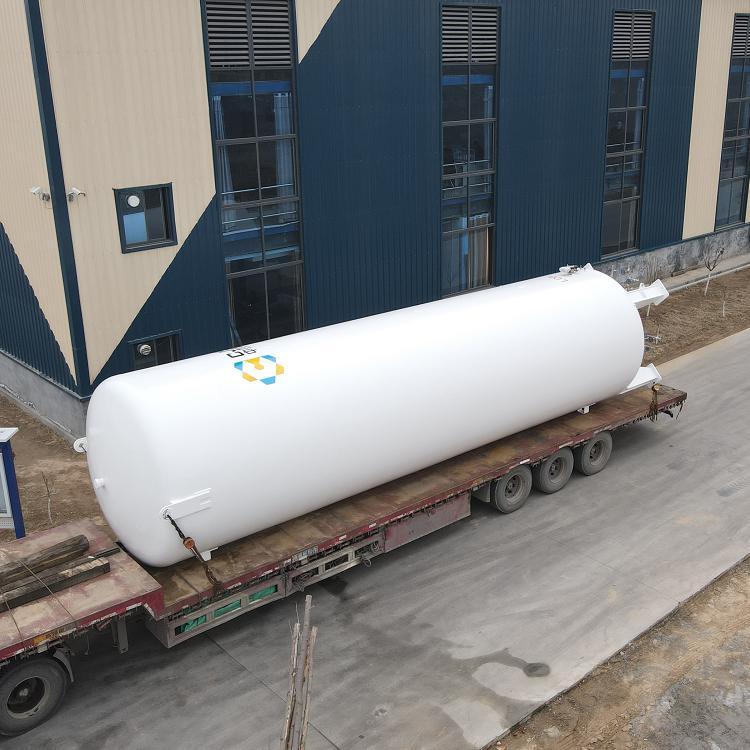

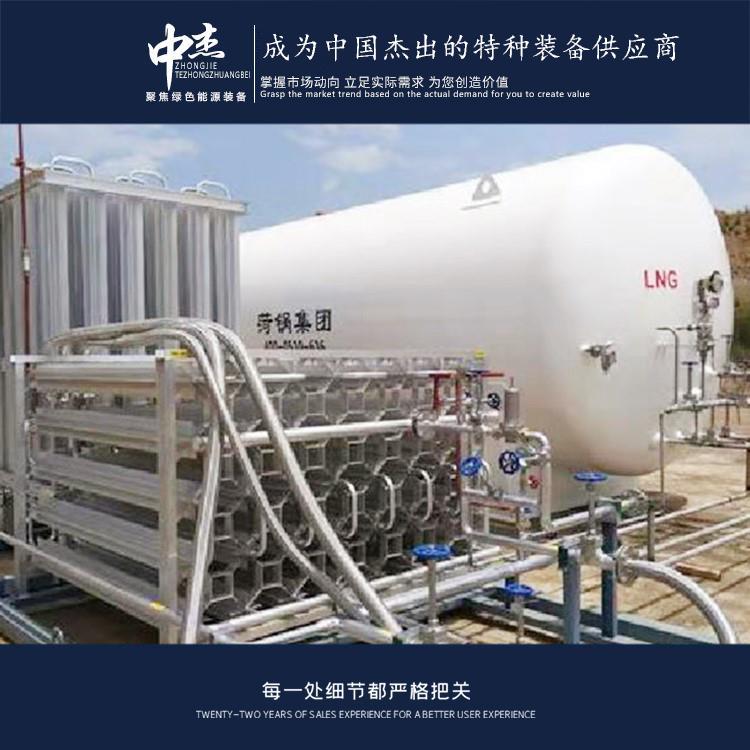
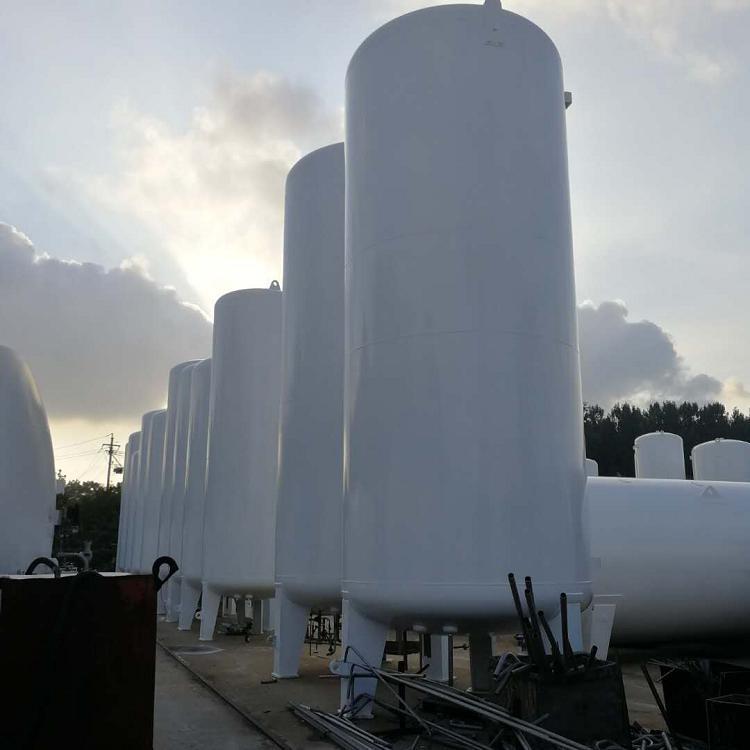


















Shandong Zhongjie Special Equipment (formerly Heze Boiler Factory Co., Ltd.) holds an A-grade boiler manufacturing license, A2-grade pressure vessel manufacturing license, A2-grade pressure vessel design license, B-grade boiler installation license, GB2 and GC2 class pressure pipeline installation licenses, and equipment and machinery installation contracting qualifications. It is a member of the China Boiler and Water Treatment Association, the China Chemical Equipment Association, and the council unit of the Shandong Equipment Manufacturing Association. The company has also passed the ISO9001 Quality Management System, ISO14001 Environmental Management System, OHSAS18001 Occupational Health and Safety Management System certifications, and the American ASME/U2 certification.
Prior to filling the liquid nitrogen tank, the following checks must be conducted:
Tank exterior inspection: Check for any obvious damage, deformation, or corrosion on the tank's exterior, including the tank wall, valves, pipes, and joints.
Sealability Inspection: Check the tank's sealing performance, including inspecting for any leakage at valves and pipe connections, to ensure the tank has good sealing integrity.
Pressure Check: Verify that the tank's pressure gauge is functioning properly and that the pressure is within the normal range to ensure the tank operates normally.
Level Inspection: Check the liquid level in the storage tank to ensure it remains within the normal range, avoiding issues caused by levels that are too high or too low.
Insulation Layer Inspection: Check for any damage or detachment in the storage tank's insulation layer to ensure proper insulation and reduce evaporation losses of liquid nitrogen.
Leakage Inspection: Check for signs of liquid nitrogen leakage around the storage tank, including any frost, ice, or liquid nitrogen stains on the ground.
Safety Equipment Inspection: Check that the storage tank's safety equipment, such as leak detectors, alarm systems, and safety valves, are functioning properly to ensure the tank's safety.
Cleaning Inspection: Ensure the interior of the tank is clean, removing accumulated impurities and dirt to maintain the tank's cleanliness and hygiene.
The above lists the checks required prior to filling a liquid nitrogen tank, ensuring the safe operation of the tank and proper storage of liquid nitrogen. During the inspection, strict adherence to relevant operational procedures and safety requirements must be maintained to ensure the safety of the operation.
Prior to using the liquid oxygen tank, the following preparations must be made:
Safety Inspection: Ensure the tank and its surrounding environment are safe. Check for any damage, leaks, or other potential hazards. Confirm that there are no flammable materials or other dangerous items in the vicinity of the tank.
Tank Preparation: Inspect the tank's exterior, including the shell, welds, valves, and fittings. Ensure there are no visible damages or corrosion. Check that the insulation layer is intact and undamaged.
Liquid Oxygen Filling: Utilize liquid oxygen delivery equipment to fill the tank with liquid oxygen. Ensure that the flow rate and pressure of liquid oxygen are maintained within a safe range during the filling process.
Pressure Control: Storage tanks should be equipped with pressure control devices to ensure the internal pressure of the tank remains within a safe range. Inspect and adjust the pressure control devices to ensure they are functioning properly.
Valve Operation: Check that the valves and connections on the tank are functioning properly. Ensure the valves open and close smoothly and reliably. Adjust the opening and closing status of the valves as needed.
Safety equipment: Inspect the safety equipment around the storage tank, such as fire separation zones and alarm systems, to ensure they are functioning properly.
Operator Training: Ensure operators are proficient in the safe operation of liquid oxygen tanks.
The manufacturing process for the heads and cylinders of low-temperature storage tanks typically includes the following steps:
Material Preparation: Select suitable materials, such as low-temperature alloy steel or stainless steel, based on design requirements and specifications. Inspect and verify the materials to ensure they meet quality standards.
Sheet cutting: Sheets are cut to the specified dimensions and shapes. Common cutting methods include flame cutting, plasma cutting, or laser cutting, etc.
Bending and forming: Cut sheets are bent and formed into shapes for caps and cylinders. Common forming methods include cold bending, hot bending, or hydraulic forming, etc.
Welding: The formed plates are welded together to form the structure of the head and cylinder. Common welding methods include manual arc welding, gas shielded welding, or laser welding, etc.
Weld Seam Treatment: Post-welding, the weld seams are processed, including sanding, polishing, or applying anti-corrosion coatings, to enhance the quality and appearance of the welds.
Inspection and Acceptance: Conduct inspections and acceptances on the finished heads and cylinders to ensure their quality and compliance with design specifications. Common inspection methods include ultrasonic testing, radiographic testing, or liquid penetrant testing, etc.
Strengthening and Support: As required, processing and installation of reinforcing and supporting on the heads and cylinders to enhance structural strength and stability.
Surface Treatment: The heads and cylinders are subjected to surface treatment, such as applying anti-corrosion coatings, hot-dip galvanizing, or polishing, to enhance their corrosion resistance and aesthetic quality.
It is important to note that the manufacturing process of low-temperature storage tanks must comply with relevant standards and regulations to ensure the quality and safety of the production. During the manufacturing process, strict adherence to the relevant safety operation procedures and the implementation of necessary protective measures are essential to ensure the safety of the operators.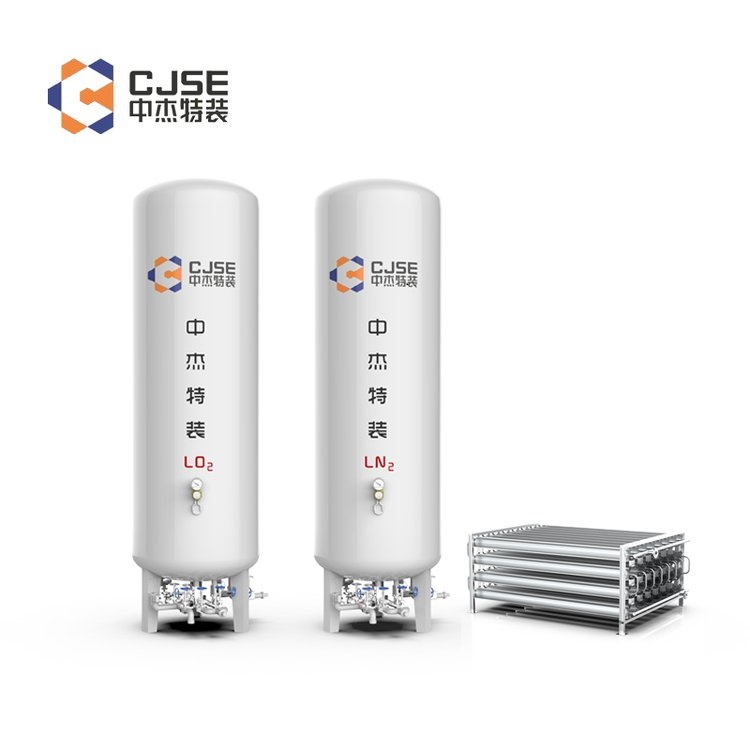
To ensure the quality of liquid oxygen tanks, the following measures can be taken:
选择可靠的供应商:选择有资质和经验的储罐制造商或供应商,确保其具备良好的声誉和可靠的质量管理体系。
Adhere strictly to relevant standards and regulations: The design, manufacture, and installation of liquid oxygen storage tanks must comply with the applicable standards and regulations, such as industry standards or regulations.
Quality Control and Inspection: Strict quality control and inspection are conducted throughout the manufacturing process, including material inspection, process monitoring, and finished product testing. Ensures that the materials, welding, and sealing of the tanks meet the required standards.
Comprehensive Quality Management System: Establish and implement a comprehensive quality management system, including quality control plans, quality inspection records, and quality training, to ensure that every stage meets quality standards.
Routine maintenance and inspection: Regular maintenance and inspection of the liquid oxygen storage tank, including cleaning, coating protection, corrosion prevention, etc., to extend the service life of the tank and maintain its optimal working condition.
Safety Operation and Management: Establish and implement safety operation and management systems, including proper use of tanks, operational procedures, safety training, etc., to ensure the safety and reliability of tanks during use.
Regular Inspections and Assessments: Conduct regular inspections and assessments of liquid oxygen tanks, including visual inspections, pressure tests, leak detection, and as needed, non-destructive testing and material analysis, to ensure tank quality and safety.
By implementing these measures, the quality of the liquid oxygen storage tank can be effectively ensured, enhancing its reliability and safety, and meeting usage requirements and standards.
Zhong Jie Special Equipment upholds the grand vision of "realizing employees' dreams, creating value for customers, and striving for the prosperity and strength of our motherland," focusing exclusively on the development of green energy equipment. We dedicate our high-value products and services to society!
WeChat Official Account

Scan to follow Official Account



















