


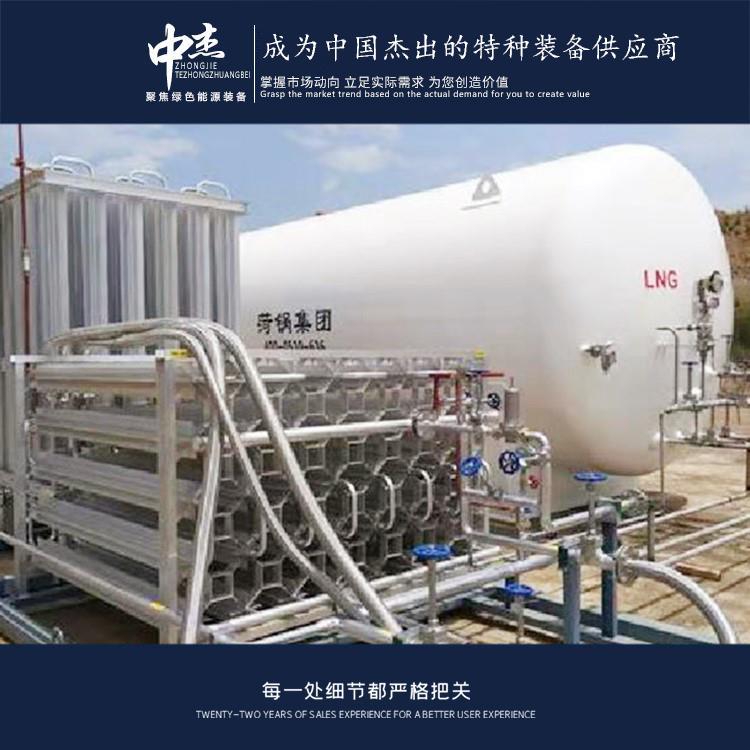

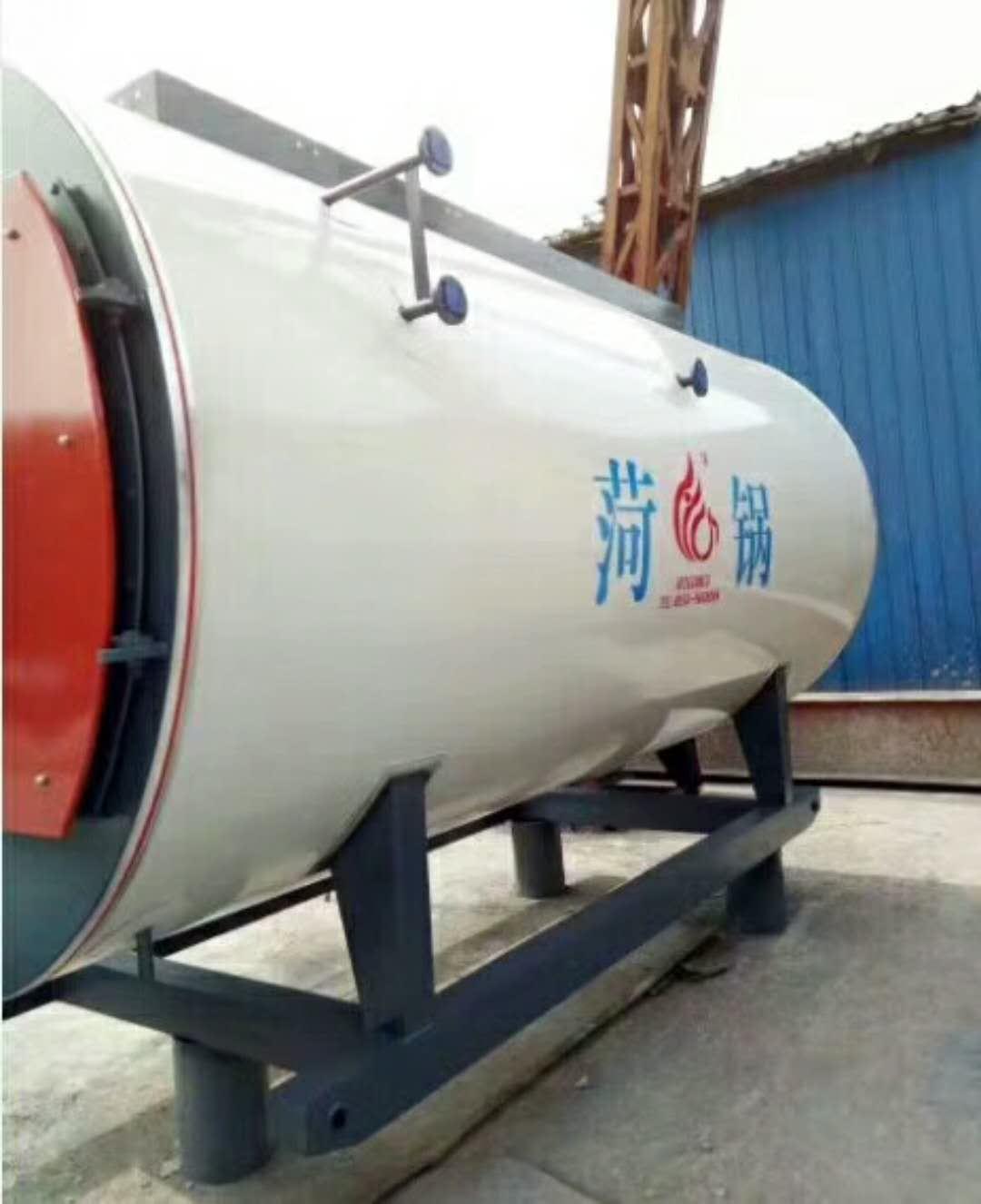
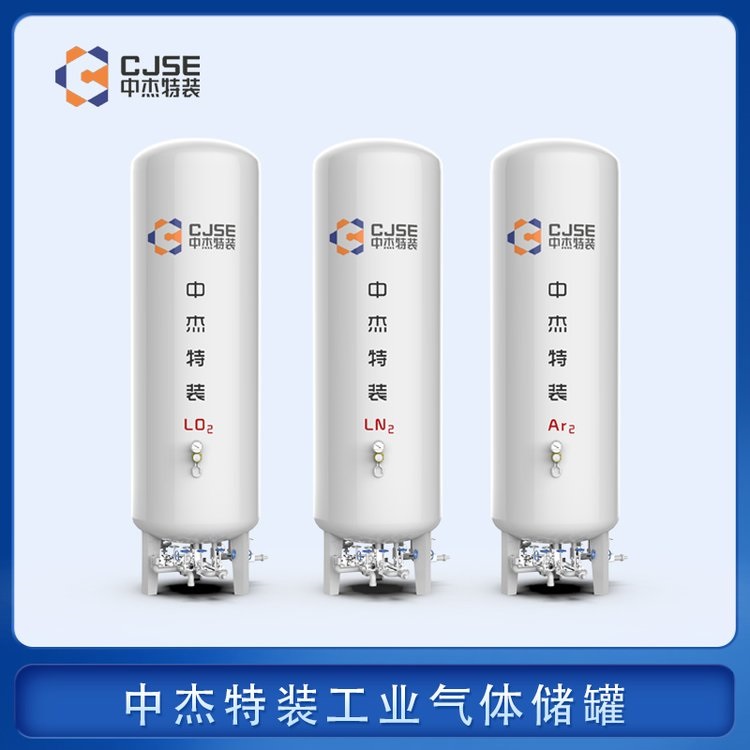


















Shandong Zhongjie Special Equipment (formerly Heze Boiler Factory Co., Ltd.) was established in 2001, located at No. 2218 Jinnan Road, Development Zone, Heze City, with a registered capital of 50 million yuan and total assets of 500 million yuan. The company has 7 business centers: boilers, deep-freezing vessels, pressure vessels, central air conditioning, engineering installation, international trade, and the Internet of Things. It has three factory areas on Jinnan Road, East Changjiang Road, and Bohai Road, covering a total of 200,000 square meters, with the main workshop area being 83,000 square meters. It currently employs 710 staff, including 247 engineers and technicians, and 82 middle-level technicians. In December 2016, it was recognized as a "High-tech Enterprise" by the Science and Technology Department. In June 2021, it was identified as a "Specialized and New Enterprise in Shandong Province" by the Ministry of Industry and Information Technology. In June 2022, it was recognized as a "Gazelle Enterprise in Shandong Province" and in August 2022, it was identified as a "Specialized and New Small Giant Enterprise" by the Ministry of Industry and Information Technology.
In daily operation, CO2 storage tanks require protection and maintenance to ensure proper functioning and safety. Here are some common protection and maintenance methods:
- Visual Inspection: Regularly check the tank's exterior for signs of corrosion, wear, and cracks. Take prompt repair actions upon discovering any anomalies.
- Seal Integrity Check: Regularly inspect the tank's sealing performance, particularly at valves, pipe connections, and the tank itself. Ensure there are no leaks, and address any promptly.
- Temperature Control: Maintain a suitable ambient temperature around the tank and implement insulation measures to ensure the tank's internal低温 state.
- Pressure Relief Device Inspection: Regularly check the tank's pressure relief devices, such as safety valves, to ensure they are functioning correctly. Verify that the set pressure meets requirements and perform regular maintenance and replacements.
- Level Monitoring: Regularly monitor the tank's liquid level to ensure accurate measurements. Take immediate action to investigate and address any abnormal levels.
- Regular Cleaning: Clean the tank's interior regularly to remove accumulated impurities and dirt. Exercise caution during cleaning to avoid flammable and corrosive substances.
- Regular Testing: Conduct regular pressure tests and leak detection on the tank to ensure safety performance meets standards. The frequency and methods should comply with relevant regulations and standards.
- Storage Capacity Control: Control the tank's storage capacity to prevent exceeding the rated capacity. Overfilling can lead to excessive pressure and increased safety risks.
Note that specific protection and maintenance methods may vary depending on the type of tank and application.
Common defects in carbon dioxide storage tanks during use may include deformation. Here are some reasons that could lead to tank deformation: Overpressure: When the internal pressure of the tank exceeds its design pressure, it may cause deformation. This could be due to operational errors, system failures, or other causes. Temperature Fluctuations: Carbon dioxide storage tanks expand and contract with temperature changes, and if the temperature changes are too extreme or rapid, it may lead to tank deformation. Internal Corrosion: If there is internal corrosion in the tank, it can damage the structural integrity of the tank, causing deformation. External Damage: External impacts, compressions, or other physical damages can lead to tank deformation. Incorrect Installation or Use: Incorrect installation or usage methods can cause uneven stress on the tank, leading to deformation. Tank deformation can reduce the structural integrity of the tank and even pose risks of leakage or rupture. Therefore, it is important to regularly inspect and maintain the integrity of the tank, as well as to follow proper operational and installation procedures. If tank deformation or other defects are detected, the tank should be immediately stopped from use and professional assistance should be sought for inspection and repair. Do not attempt to repair or continue using a defective tank to ensure operational safety.
The filling process for carbon dioxide storage tanks typically includes the following steps:
Preparation: Ensure that the storage tank and filling equipment are in good working condition. Check the tank's appearance and valves for any damage or leaks. Inspect the filling equipment's connecting pipes and valves for loose or leaking connections.
Prepare liquid carbon dioxide: Extract liquid carbon dioxide from the supply source and transfer it to the tank of the filling equipment. Ensure that the quality and purity of the liquid carbon dioxide meet the required specifications.
Connect the filling equipment: Link the filling equipment's outlet pipe to the tank's inlet valve. Make sure the connection is secure and there are no leaks.
Open valves: Activate the corresponding valves on the filling equipment and the tank to allow liquid carbon dioxide to flow from the filling equipment into the tank. Adjust the valves as needed to control the filling rate and pressure.
Monitor the liquid level: Use a level sensor or other liquid level measuring device to continuously monitor the liquid level of carbon dioxide inside the tank. Ensure the level stays within a safe range and avoid over-filling.
Filling complete: Once the liquid level in the tank reaches the predetermined filling quantity, close the corresponding valves on the filling equipment and the tank, and stop filling the liquid carbon dioxide.
Inspection and cleaning: Check the valves and pipe connections during the filling process for leaks. Clean up any residual liquid carbon dioxide around the filling equipment and the tank.
Documentation and reporting: Record relevant information from the filling process, including the filling date, quantity, and level monitoring results. If necessary, submit the filling report to relevant departments or management personnel.
The above is a general procedure for filling carbon dioxide storage tanks, with specific operations depending on the tank's characteristics and requirements. When conducting filling operations, follow relevant safety procedures and have trained professionals perform the tasks.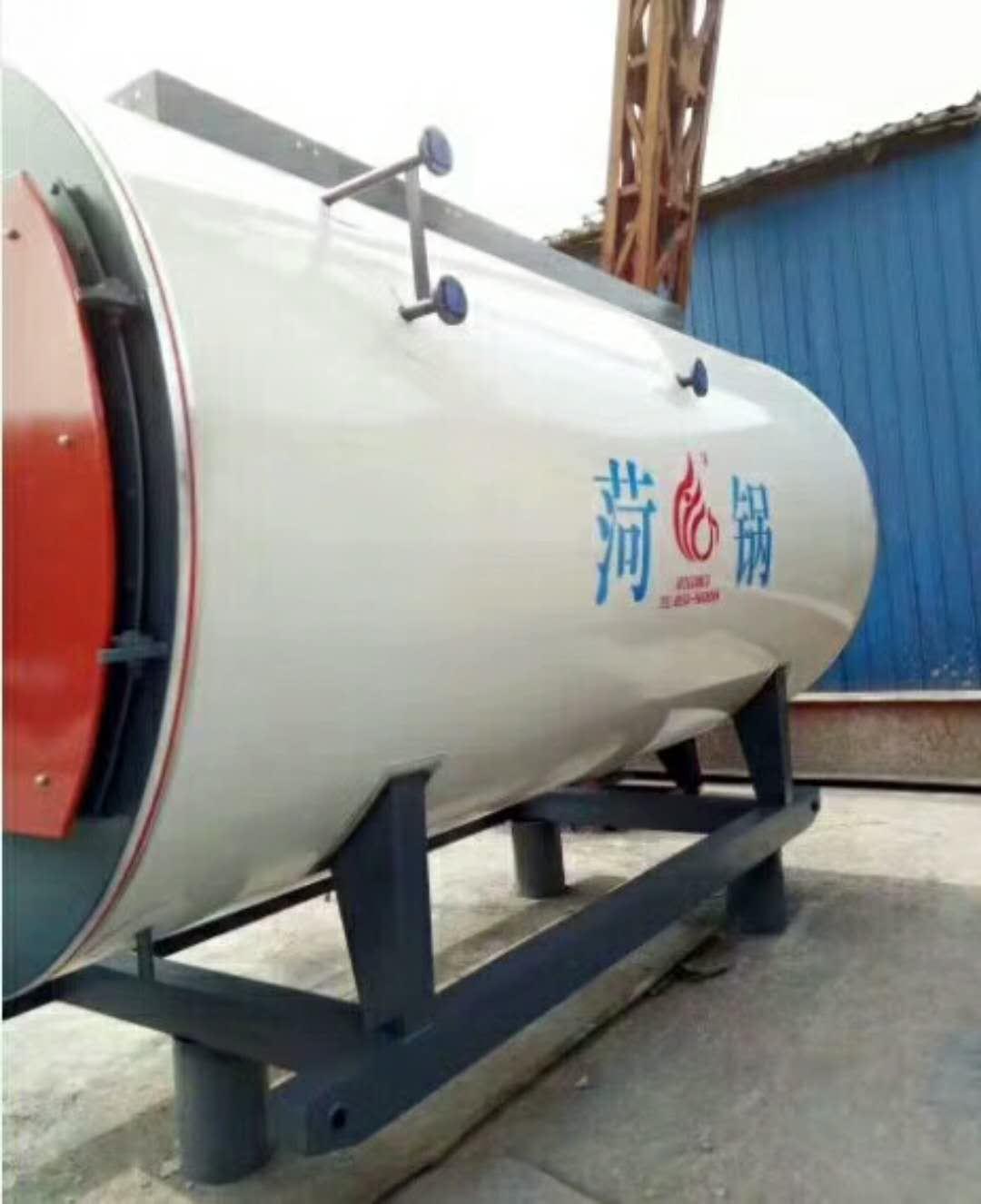
To maintain the stability of carbon dioxide storage tanks, attention must be paid to the following details:
- Foundation Design: The tank's foundation design should comply with relevant standards and regulations, ensuring adequate strength and stability. The foundation should consider the tank's weight, pressure, and geological conditions to ensure the tank can be securely placed on the foundation.
- Padding and Fastening Devices: Appropriate padding, such as rubber pads or steel plates, should be installed between the tank and the foundation to reduce friction and vibration. Additionally, use fastening devices like bolts or welding to secure the tank to the foundation, preventing movement and tilting.
- Site Leveling: The site where the tank is installed should be kept level, with no significant incline or unevenness. If there is an incline or unevenness, adjustments and corrections should be made to ensure the tank's stability.
- Seismic Measures: In regions prone to earthquakes, additional seismic measures are required, such as setting up seismic supports and enhancing the tank's seismic resistance, to improve stability.
- Regular Inspections: Regularly inspect the tank's fastening devices and connection points to ensure they are intact. Any loose, worn, or damaged conditions should be promptly repaired or replaced.
- Load Distribution: Uniformly distribute loads above the tank, such as platforms or pipelines, to balance the weight distribution of the tank and reduce the impact of uneven loads on stability.
- Safety Distance: The tank should maintain a sufficient safety distance from other equipment, buildings, and fire sources to prevent accidental collisions or fires from affecting the tank's stability.
It is important to note that the installation of carbon dioxide...
ZJ Special Equipment upholds the grand vision of "realizing employees' dreams, creating value for customers, and striving for the prosperity and strength of our motherland," and is dedicated to the development of the green energy equipment industry. We commit to society with high-quality, cost-effective products and services!
WeChat Official Account

Scan to follow Official Account



















