


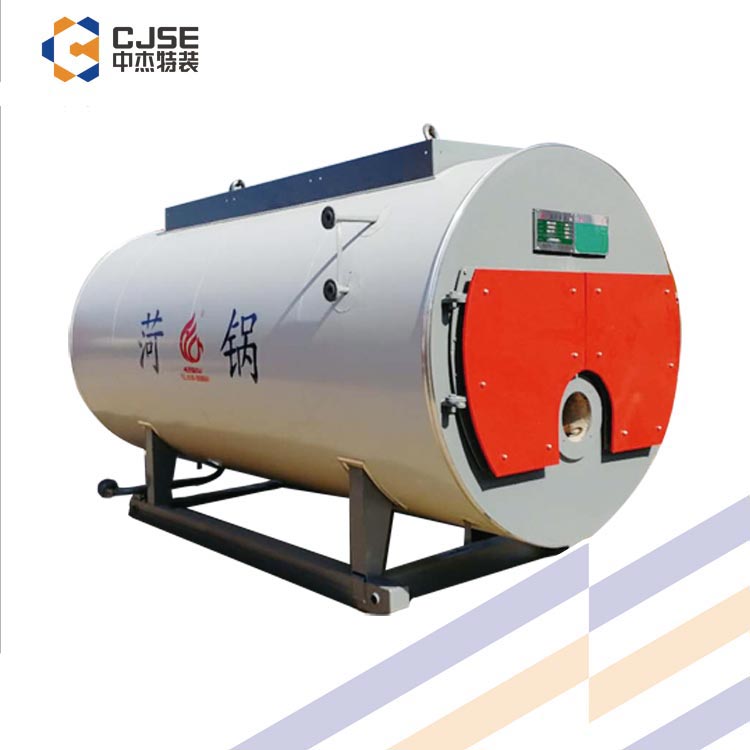

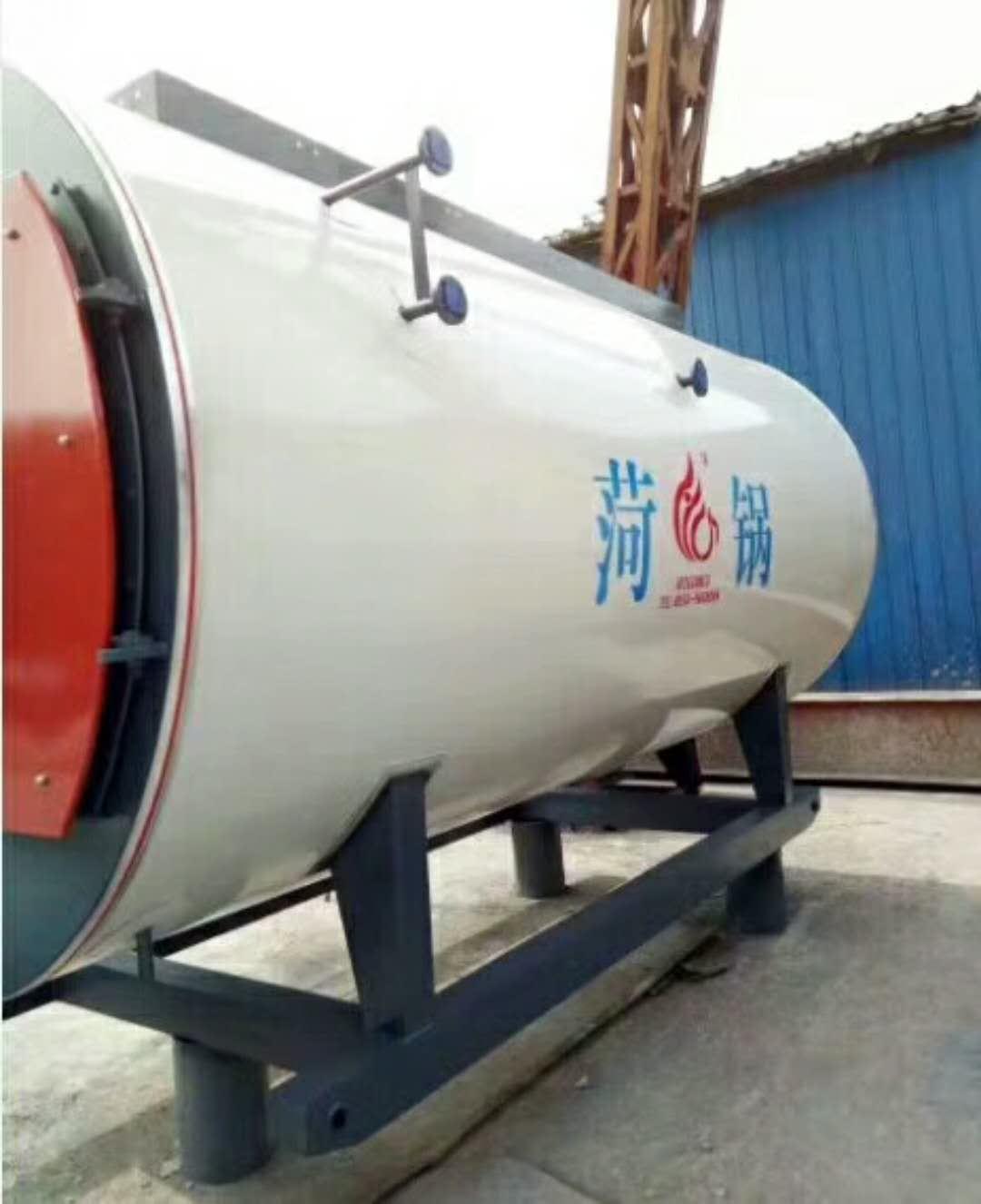


















Shandong Zhongjie Special Equipment's main products include: fuel (gas) boilers, organic heat carrier boilers, biomass boilers, waste heat recovery boilers, and other boiler products; vacuum insulation cryogenic pressure vessels such as LNG storage tanks, oxygen/nitrogen/argon storage tanks, and CO2 storage tanks; pressure vessel products such as denitrification engineering equipment, heat storage and energy storage equipment, and complete chemical equipment sets; central air conditioning and HVAC equipment such as ground (water) source heat pumps, air source units, water-cooled screw units, and air-cooled modular units. Planned products include large-scale energy centers, LNG transport vehicles, LNG tank containers, and other green energy equipment.
Selecting the right thermal oil heater requires considering the following aspects:
1. Heat Load Requirement: First, determine the thermal load needed for the thermal oil heater, i.e., the heat energy required. Establish the rated power and heat load range of the heater based on actual needs to ensure it can meet the required heat energy supply.
2. Operating Temperature and Pressure: The operating temperature and pressure range of the thermal oil heater should match the actual application scenario. Select the appropriate temperature and pressure range based on process requirements and working environment to ensure stable operation of the heater.
3. Thermal Oil Type: Choose the suitable thermal oil type according to process requirements and working environment. Common thermal oils include silicone thermal oil, organic thermal oil, and mineral oil thermal oil, etc. Different types of thermal oils have varying operating temperature ranges and performance characteristics, so selection should be based on actual needs.
4. Equipment Quality and Reputation: Select a thermal oil heater supplier with a good reputation and quality. Ensure the manufacturing process and material quality of the heater are reliable, providing stable and reliable performance and after-sales service.
5. Safety and Environmental Protection: The safety and environmental protection of the thermal oil heater are important considerations. Choose a heater with safety protection devices and environmental certifications to ensure safety for personnel and equipment during operation.
6. Economic and Energy Efficiency: Consider the economic and energy efficiency of the thermal oil heater. Select a heater with high energy efficiency and energy-saving features to reduce energy consumption and operating costs.
Considering all these factors and selecting an appropriate thermal oil heater based on actual needs can ensure stable and reliable operation of the equipment.
The key to maintaining a hot water boiler is regular maintenance and inspections. Here are some common maintenance steps and precautions:
* Clean the burner and flue: Regularly clean the burner and flue to remove accumulated soot and dirt, maintaining combustion and heat exchange efficiency. Use cleaning tools and equipment as per the manual.
* Check water level and pressure: Regularly inspect the water level and pressure of the hot water boiler to ensure safe operation within the specified range. Refill water and adjust pressure to avoid issues caused by low or high water levels.
* Test water quality: Regularly conduct water quality tests to check hardness, alkalinity, oxygen content, and other indicators. Take appropriate water treatment measures based on test results, such as descaling and replenishing missing chemicals, to prevent scale and corrosion damage to the boiler.
* Inspect safety devices: Regularly check the safety devices of the hot water boiler, including safety valves, pressure switches, and water level controllers, to ensure proper functioning and safe operation of the boiler.
* Check the electrical system: Regularly inspect the boiler's electrical system, including power connections, controllers, and sensors, to ensure the normal operation of electrical equipment and avoid electrical failures.
* Regularly drain: Regularly drain wastewater and impurities from the boiler to avoid their impact on the boiler. Develop a reasonable drainage plan based on the boiler's usage and water quality conditions.
* Keep records and monitor: Record the boiler's operating parameters, maintenance records, and fault situations, and regularly monitor and analyze them to identify and address issues promptly.
* Train operators: Ensure that operators are adequately trained.
Operational issues with the fuel system of a thermal oil furnace may include:
- Inadequate fuel quality: Using low-quality or contaminated fuel can cause problems within the fuel system. For instance, the presence of impurities, water, or excessive fuel can lead to clogs in the fuel pump, nozzle, and burner, affecting fuel supply and combustion efficiency.
- Neglecting regular cleaning or replacement of the fuel filter: The fuel filter is designed to filter impurities and particles from the fuel to prevent them from entering the fuel system. If the fuel filter is not cleaned or replaced regularly, it can become clogged, affecting fuel flow and supply.
- Improper fuel pump adjustment: Proper adjustment of the fuel pump is crucial for maintaining stable fuel supply volume and pressure. Incorrect adjustment can result in either too much or too little fuel supply, leading to incomplete combustion or insufficient fuel supply, affecting the furnace's temperature and thermal efficiency.
- Clogged or worn fuel nozzles: Fuel nozzles are critical components that atomize and inject fuel into the furnace. Clogs or wear in the nozzles can lead to uneven or incorrect fuel injection, affecting combustion efficiency and thermal output.
- Inadequate fuel preheating: Fuel needs to be preheated before entering the burner to enhance combustion. Insufficient preheating can increase fuel viscosity, affecting its flow and injection performance.
- Fuel system oil leaks: The sealing integrity of the fuel system is vital for stable fuel supply. Oil leaks in the fuel system can lead to fuel supply disruptions.
Yes, durable thermal oil boilers typically have a longer service life. Here are some reasons: Material Quality: Thermal oil boilers are made with high-quality materials such as heat-resistant and corrosion-resistant steel and alloy materials. These materials can withstand high temperatures and pressures, offering good durability and corrosion resistance, thereby extending the boiler's lifespan. Design and Manufacturing Process: Long-lasting thermal oil boilers usually employ advanced design and manufacturing techniques. Reasonable structural design and precise manufacturing processes reduce stress concentration and thermal stress, enhancing the boiler's stability and durability. Regular Maintenance and Care: Regular maintenance and care of thermal oil boilers are crucial for extending their service life. Regularly cleaning and inspecting the internal pipes, flues, and burners, and promptly replacing worn-out parts can minimize malfunctions and damage, extending the boiler's life. Proper Operation and Management: Correct operation and management are also vital factors in ensuring the longevity of thermal oil boilers. Operators should follow the operation manual and procedures, avoid overloading and improper operations, ensuring the boiler operates safely and stably. It's important to note that even durable thermal oil boilers require regular inspections and maintenance to ensure proper operation and extend their service life. Additionally, the lifespan of the boiler is affected by factors such as the operating environment, load conditions, and operating methods. Therefore, proper use and maintenance are key to ensuring the longevity of thermal oil boilers.
ZJ Specialized Equipment adheres to the grand vision of "Realizing Employees' Dreams, Creating Customer Value, and Striving for Our Nation's Prosperity," and is dedicated to the development of the green energy equipment industry. We commit to society with high-value products and services!
WeChat Official Account

Scan to follow Official Account



















