


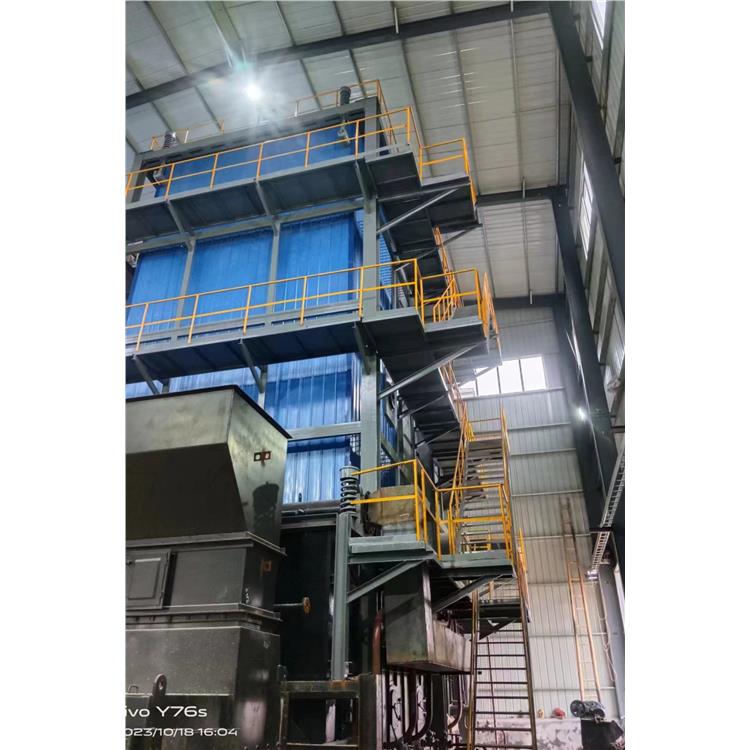

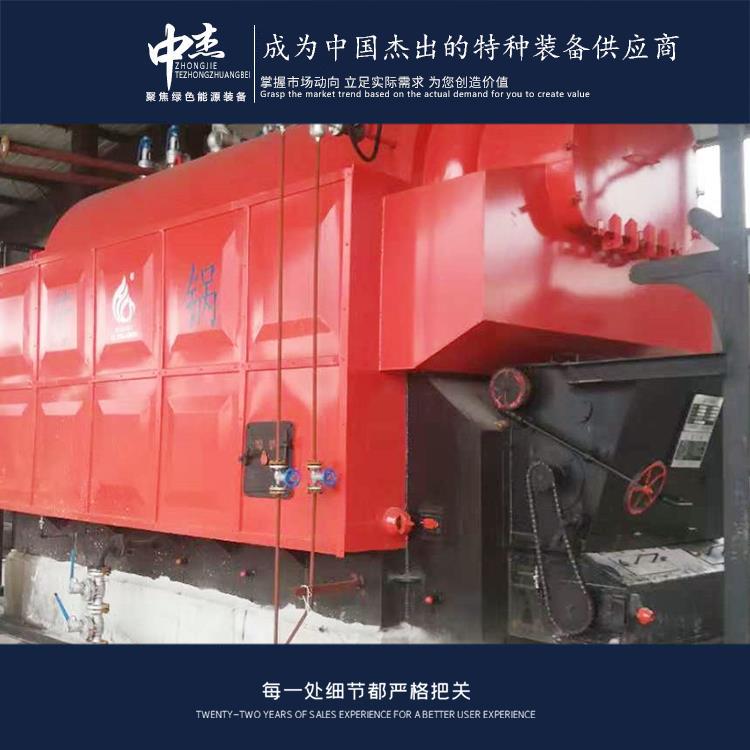
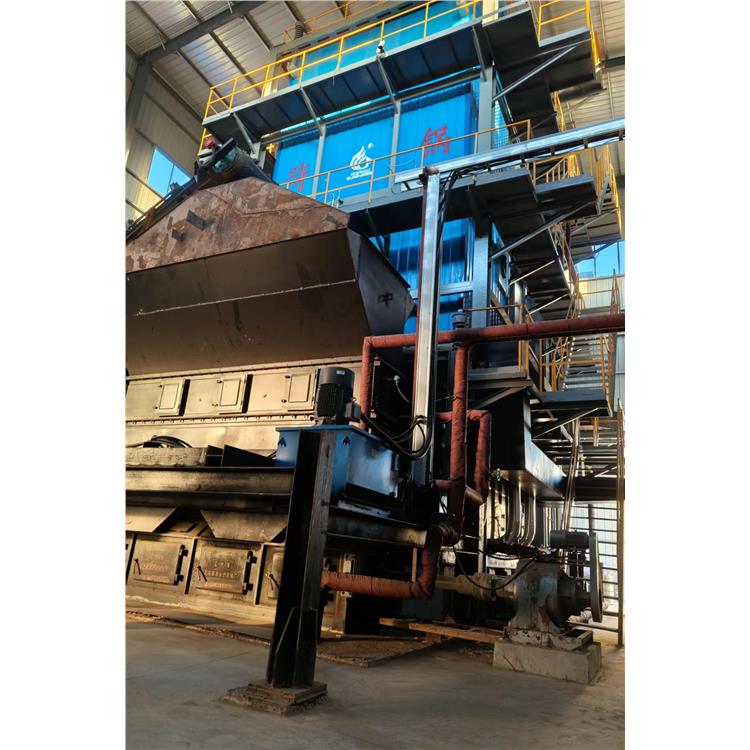


















Shandong Zhongjie Special Equipment's main products include: fuel (gas) boilers, organic heat carrier boilers, biomass boilers, waste heat boilers, and other boiler products; vacuum insulation cryogenic pressure vessels such as LNG tanks, oxygen/nitrogen/argon tanks, and CO2 tanks; pressure vessel products such as denitrification engineering equipment, heat storage and energy storage equipment, and complete chemical equipment; central air conditioning and HVAC equipment such as ground (water) source heat pumps, air source units, water-cooled screw units, and air-cooled modular units. Planned products include large-scale energy centers, LNG transport vehicles, LNG tank containers, and other green energy equipment.
Yes, the biomass boiler market is expected to continue expanding. Here are some factors driving the growth of the biomass boiler market:
Rising Demand for Renewable Energy: As the demand for renewable energy continues to grow, biomass, as a renewable energy source, boasts broad application prospects. Government and corporate support and promotion of renewable energy will drive the expansion of the biomass boiler market.
Increased Environmental Awareness: Biomass boilers have lower carbon emissions and environmental impact compared to traditional fossil fuel boilers. As environmental awareness grows, more and more users are opting for biomass boilers to minimize environmental impact.
Policy Support: Many regions have implemented policies and measures to support the development of renewable energy, including tax incentives and energy regulations. These policies will drive the growth of the biomass boiler market.
Energy Security Needs: As a domestic renewable energy source, biomass can reduce dependence on imported energy and enhance energy security. In areas with scarce resources, the demand for biomass boilers will be more pronounced.
Technological advancement and cost reduction: With continuous technological progress and reduced costs, biomass boilers have seen improved performance and efficiency, making them more competitive and viable.
In summary, the biomass boiler market is expected to expand continuously, driven by factors such as the increasing demand for renewable energy, heightened environmental awareness, policy support, energy security needs, as well as technological advancements and cost reductions.
The biomass boiler boasts several advantages:
Renewable Energy: The fuel used in biomass boilers comes from organic matter such as plants, animals, and microorganisms, making it a renewable energy source. Compared to traditional fossil fuels, biomass fuel has lower carbon emissions and environmental impact, contributing to the reduction of greenhouse gas emissions and being more environmentally friendly.
Diverse Fuel Sources: Biomass fuel sources are extensive, including wood, straw, waste crops, food scraps, and municipal solid waste. This diversity in fuel sources allows biomass boilers to be flexible and adaptable, utilizing waste and by-products from plants and animals.
Environmental Friendliness: The carbon dioxide emitted during the combustion process of biomass boilers can be absorbed by plants, forming a cycle that reduces air pollution. Additionally, the emissions and ash produced by biomass boilers are relatively low, resulting in less environmental impact.
Energy Security: Biomass, as a local renewable energy source, can reduce dependence on imported energy and enhance energy security. In regions with scarce resources, the use of biomass boilers can provide a reliable energy supply.
Economic Efficiency: Biomass fuel is relatively cost-effective, which can reduce energy costs. Moreover, the technology and equipment for biomass boilers are continuously evolving and maturing, making them more economically competitive.
Waste Utilization: Biomass boilers can utilize agricultural residues such as straw and wood waste, effectively utilizing waste resources and reducing resource waste.
In summary, biomass boilers offer advantages such as renewable energy, diverse fuel sources, environmental friendliness, energy security, cost-effectiveness, and waste utilization, making them a sustainable energy solution.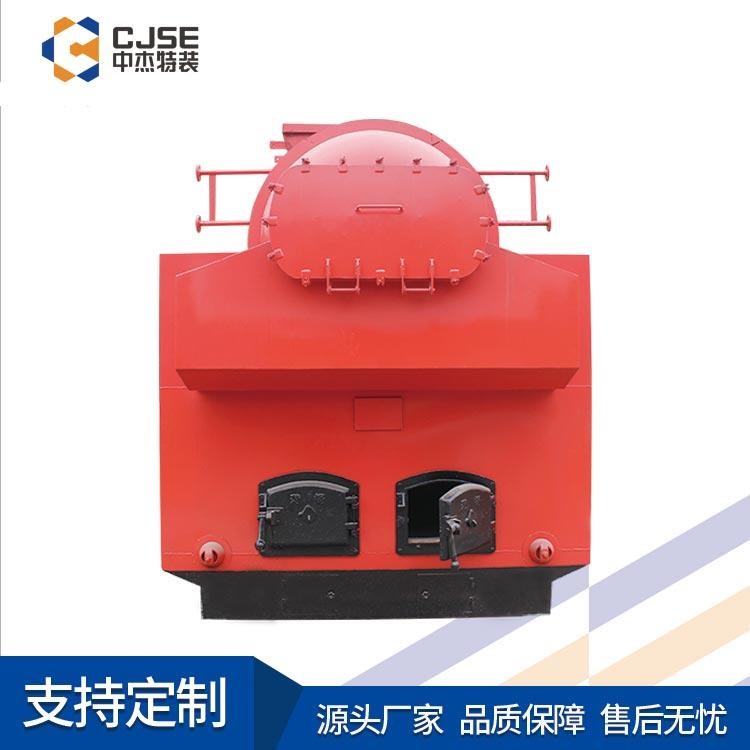
Bioenergy hot water boilers may produce scale during operation, affecting the boiler's heat transfer and efficiency. Here are some methods to reduce scale:
Fuel Selection: Choose high-quality biomass fuel such as wood chips and straw, etc. Avoid using fuel with excessive impurities and ash to reduce soot generation.
Combustion Adjustment: Properly adjust combustion parameters such as fuel supply, oxygen supply, and combustion temperature. Both excessively high or low combustion temperatures can lead to soot formation. Maintaining an appropriate combustion temperature helps reduce soot buildup.
Clean Combustion Chamber: Regularly clean the combustion chamber of ash and dirt generated during the combustion process. Use appropriate tools and cleaning agents to ensure the chamber remains clear and clean.
Heat Exchanger Cleaning: Regularly clean heat exchangers, particularly those on the flue side. Combustion may produce particulates and slag in the flue gases, which can adhere to the heat exchanger surface, affecting heat transfer efficiency. Using appropriate cleaning methods, such as mechanical or chemical cleaning, can reduce the accumulation of dirt.
Water Treatment: Appropriate water treatment for boiler feed water to prevent impurities and sediments from depositing inside the boiler. Methods such as water softening, deoxygenation, and scale removal can be employed to maintain the cleanliness and stability of the water supply.
Regular Maintenance: Perform regular maintenance and inspections on the boiler, including cleaning and replacing critical components. Early detection and resolution of dirt issues can prevent further accumulation and affect the normal operation of the boiler.
Please note that specific methods for reducing soiling may vary depending on the model and manufacturer of the biomass hot water boiler. It is recommended to refer to the manufacturer's operation manual and guidelines for the appropriate soiling reduction measures based on the specific situation.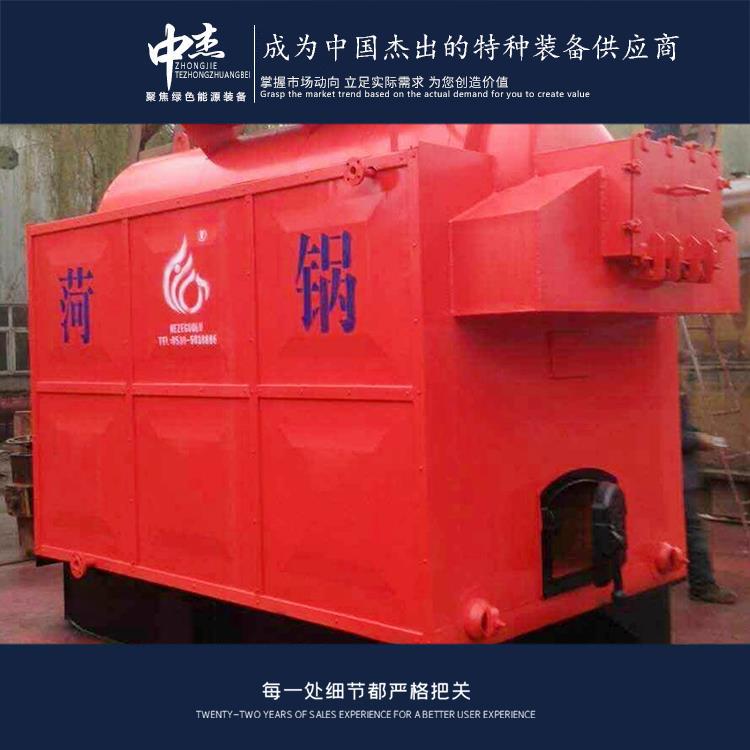
The control of water level during the operation of biomass boilers is crucial, primarily to ensure the safe and normal operation of the boiler. The following are general methods of water level control:
Level Gauge Monitoring: Biomass boilers typically come equipped with level gauges to monitor the water level inside the boiler. These gauges can be glass tube level gauges, electric level gauges, or pressure level gauges, among others. The readings from the level gauge provide real-time insights into the water level within the boiler.
Water Level Controller: Biomass boilers are typically equipped with a water level controller for automatic water level regulation. The controller adjusts the water level inside the boiler by controlling the operation of devices like feed water pumps or drain valves, based on the set water level range.
Water Supply Control: When the boiler water level is too low, the water level controller sends a signal to start the feed pump, replenishing water into the boiler to maintain the water level within a safe range. The water supply control needs to be adjusted according to the actual requirements of the boiler and the changes in water level.
Wastewater Control: When the boiler water level is too high, the water level controller sends a signal to activate the drain valve, expelling excess water to maintain the level within a safe range. The wastewater control must also be adjusted according to the actual needs of the boiler and changes in water level.
Alarm Protection: If the boiler water level exceeds the high limit or falls below the low limit, the water level controller will emit an alarm signal to alert the operator to take action. Additionally, the boiler should be equipped with a water level protection device that automatically shuts off the burner's gas supply when an abnormal water level is detected, ensuring the safety of the boiler.
Note that the control of water level must be based on the specific design of the boiler and the operation manual to ensure correct and safe operation. Additionally, regularly inspect and maintain the water level gauge, water level controller, and other equipment to ensure their normal operation and accuracy.
Our company attaches great importance to technological innovation and R&D design. We have one municipal-level enterprise technology center in Heze City, equipped with testing facilities for non-destructive testing, physical and chemical testing, welding testing, hydrostatic testing, and more. We have over 600 various instruments and equipment, including CNC machine tools, X-ray flaw detectors, digital ultrasonic flaw detectors, mechanical property testing machines, chemical analyzers, spectrometers, tensile testing machines, plasma welding machines, and more. The key products and technologies we have developed, such as temperature and pressure vessel welding, biomass boiler emission reduction, and waste heat utilization, have successively been selected for multiple Shandong Provincial Department of Industry and Information Technology innovation projects, Shandong Provincial key projects, and Heze City innovation and excellence projects. We have accumulated 27 authorized utility models, 16 authorized inventions, participated in drafting 2 standards, 2 industry standards, and registered 15 trademarks. Our technical team, in collaboration with Professor Yajiang Li from Shandong University, has developed deep cryogenic container processing technology using the international plasma arc + filler wire tungsten inert gas (PAW-GTAW) welding technology. After provincial-level scientific and technological achievement evaluation, the technology level has reached international standards in the field of deep cryogenic container manufacturing. Choose Zhongjie Special Equipment, and let's create brilliance together!
WeChat Official Account

Scan to follow Official Account



















