


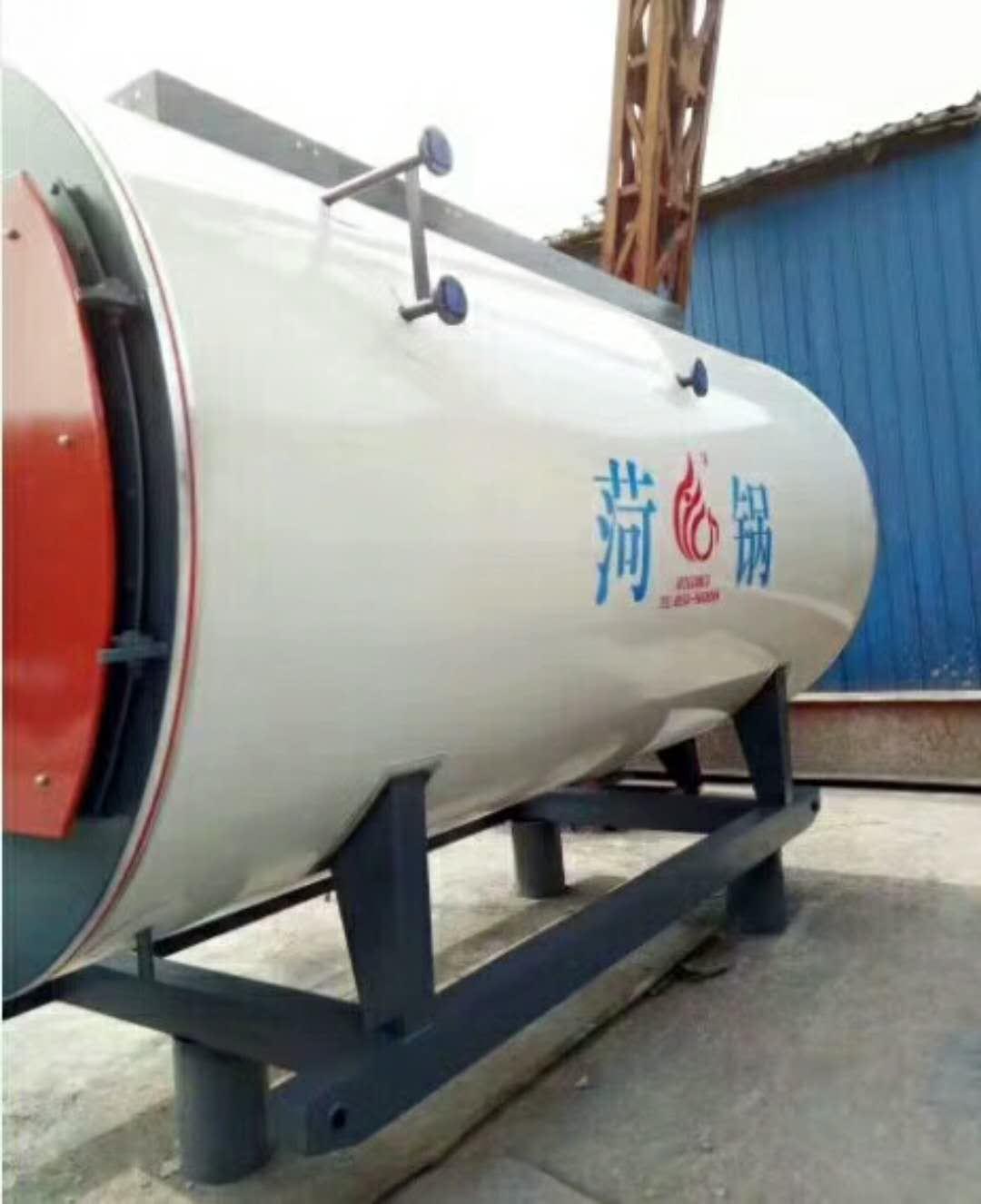

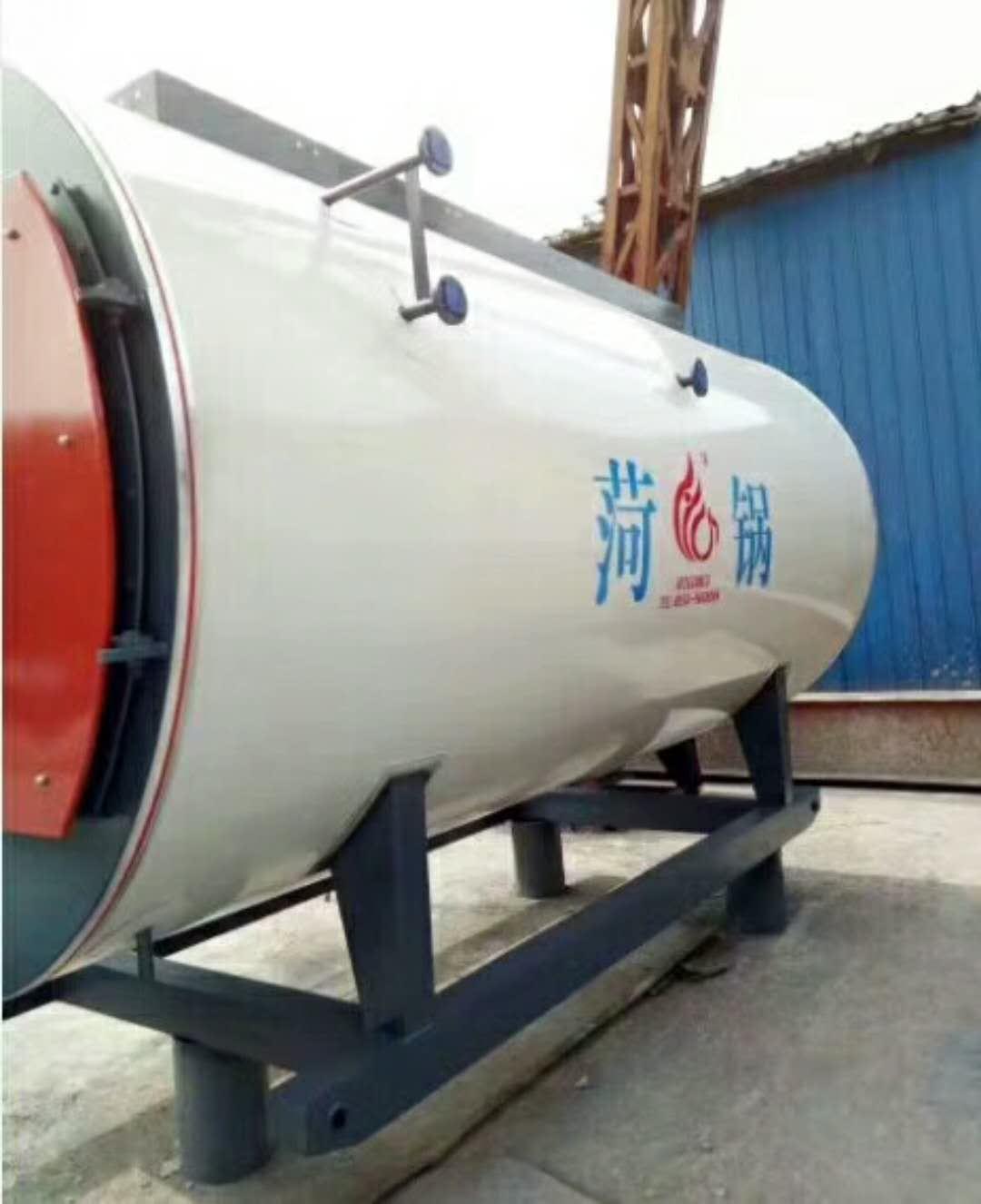
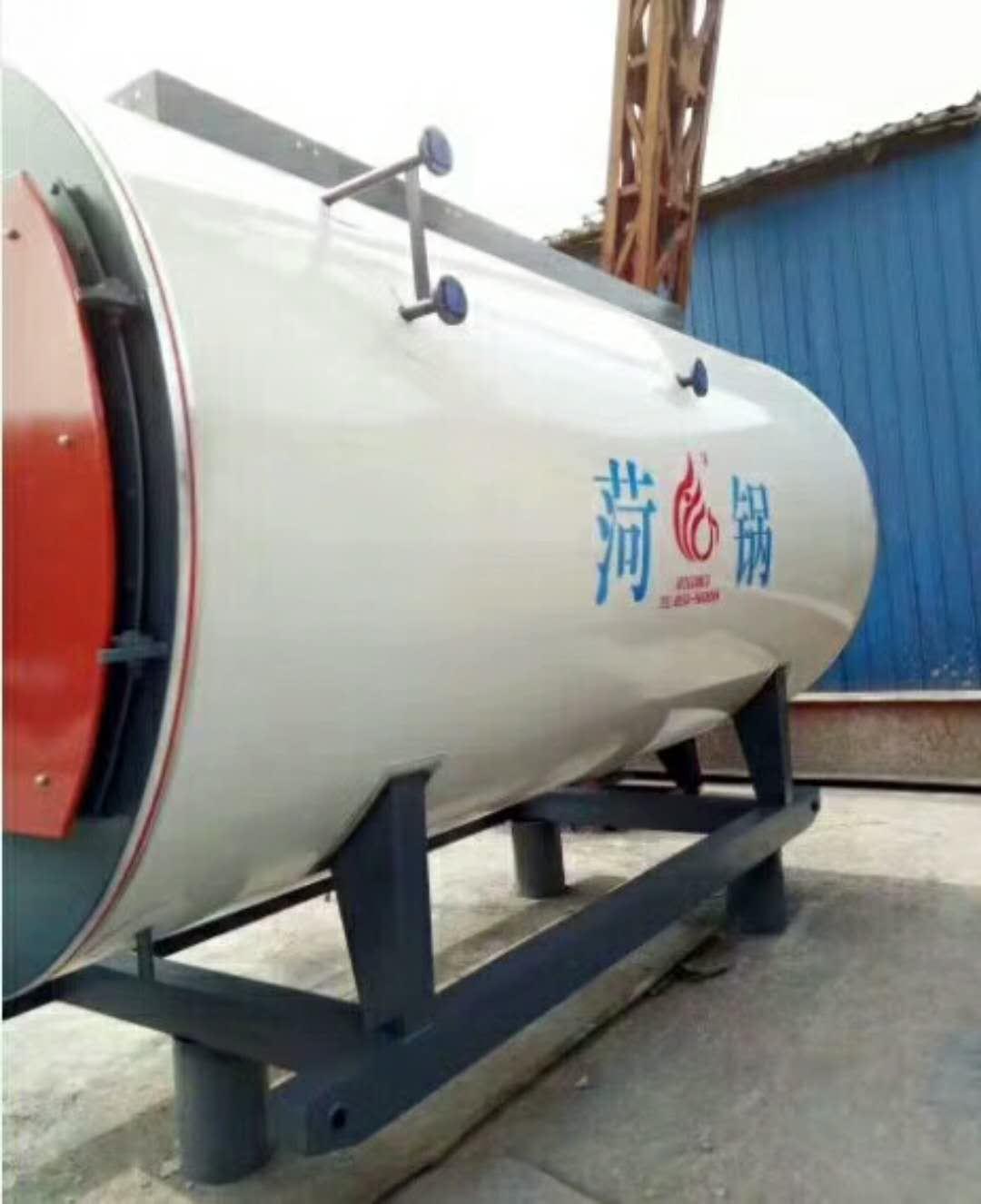


















Shandong Zhongjie Special Equipment's main products include: fuel (gas) boilers, organic heat carrier boilers, biomass boilers, waste heat boilers, and other boiler products; vacuum insulation deep-chilled pressure vessels such as LNG tanks, oxygen/nitrogen/argon tanks, and CO2 tanks; pressure vessel products like denitrification engineering equipment, heat storage and energy storage equipment, and complete chemical equipment; as well as central air conditioning and HVAC equipment such as ground (water) source heat pumps, air source units, water-cooled screw units, and air-cooled modules. Planned products include large-scale energy centers, LNG transport vehicles, LNG tank containers, and other green energy equipment.
The primary reason for pre-cooling a liquid oxygen tank before use is to lower the tank's internal temperature to below the boiling point of liquid oxygen, enabling the conversion of oxygen into a liquid state.
The boiling point of liquid oxygen is -183°C, and at room temperature, oxygen exists in a gaseous state. Liquid oxygen tanks require cooling the oxygen below its boiling point to convert it to a liquid for storage and supply.
The pre-cooling process typically includes the following steps:
Clean Storage Tank: First, the tank must be thoroughly cleaned to ensure there are no impurities or contaminants inside, to avoid affecting liquid oxygen.
Drainage and Exhaust: To empty the gas from the storage tank and expel it through the exhaust system to reduce the gas content within the tank.
Add Liquid Nitrogen: Injecting liquid nitrogen into the tank will rapidly cool the air and walls inside, lowering the tank's temperature.
Wait for cooling: The liquid nitrogen inside the tank will gradually lower the tank's temperature through the process of heat conduction until it reaches below the boiling point of liquid oxygen.
The purpose of pre-cooling is to ensure that the temperature inside the storage tank is low enough to meet the storage and supply requirements for liquid oxygen. Pre-cooling can reduce the evaporation and loss of liquid oxygen, and also helps maintain the safety and stability of the tank.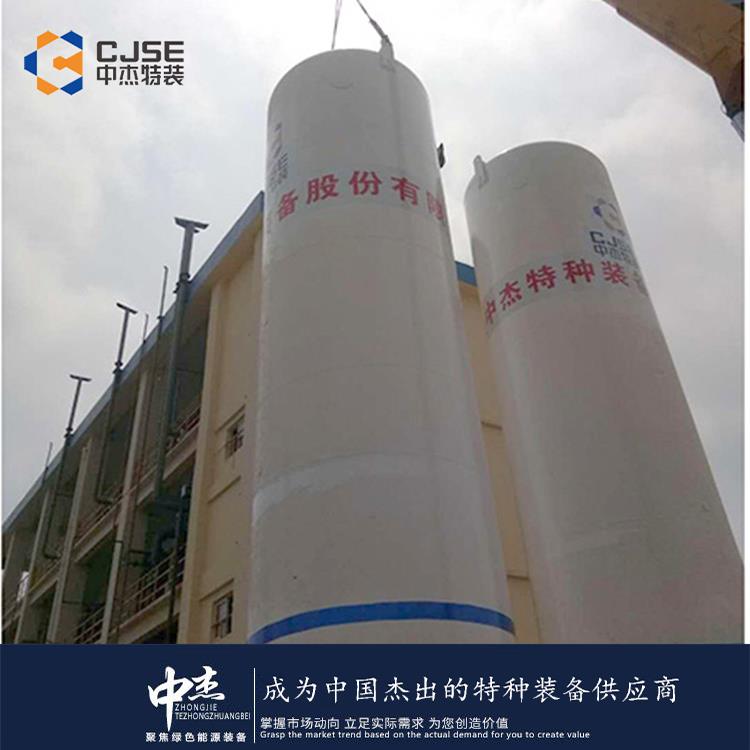
Before using the liquid oxygen tank, the following preparations must be made:
Safety Inspection: Ensure the tank and its surrounding environment are safe. Check for any damage, leaks, or other safety hazards on the tank. Make sure there are no flammable materials or other hazardous items around the tank.
Tank Preparation: Inspect the tank's exterior, including the shell, welds, valves, and fasteners. Ensure there are no visible damages or corrosion. Check that the insulation layer is intact and undamaged.
Liquid Oxygen Filling: Utilize liquid oxygen transfer equipment to fill the tank with liquid oxygen. Ensure that the flow rate and pressure of the liquid oxygen are maintained within safe limits during the filling process.
Pressure Control: Storage tanks should be equipped with pressure control devices to ensure the internal pressure of the tank is within a safe range. Inspect and adjust the pressure control devices to ensure proper functioning.
Valve Operation: Check that the tank's valves and connections are functioning properly. Ensure the valves open and close smoothly and reliably. Adjust the opening and closing status of the valves as required.
Safety Equipment: Inspect the safety equipment around the storage tank, such as fire separation zones and alarm systems, to ensure they are functioning properly.
Operator Training: Ensure operators are proficient in the safe operation of liquid oxygen storage tanks.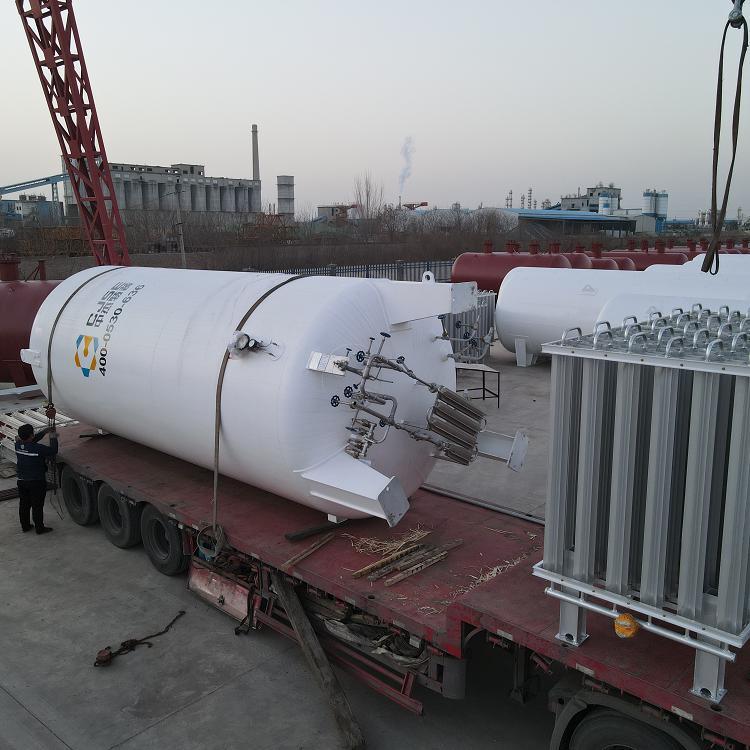
Several factors need to be considered when determining the design pressure and calculated pressure of a liquid oxygen storage tank:
Design Pressure: Design pressure refers to the maximum pressure a tank can withstand under normal operating conditions. When determining the design pressure, factors such as the working pressure range of liquid oxygen, the tank's material strength, and safety factors must be considered. Generally, the design pressure should be slightly higher than the high working pressure of liquid oxygen to ensure the tank's safety and reliability within the normal operating range.
Calculation Pressure: The calculation pressure refers to the actual working pressure of the tank under the design pressure. It is determined by calculating factors such as the properties of liquid oxygen, the geometric shape of the tank, and the material strength. The calculation pressure should take into account factors like the expansion coefficient of liquid oxygen, temperature changes, and pressure fluctuations to ensure the safety and stability of the tank under actual operating conditions.
Determining the design pressure and calculated pressure of liquid oxygen storage tanks typically requires referring to relevant standards and specifications, such as Standard GB150 for "Steel Pressure Vessels" and GB18442 for "Technical Conditions for Storage Tanks of Liquid Oxygen, Liquid Nitrogen, and Liquid Argon." These standards and specifications provide detailed design and calculation methods to ensure the safety and reliability of the tanks.
In practical applications, the design pressure and calculated pressure of liquid oxygen storage tanks should be computed and determined by the pressure vessel designer. They will take into account specific engineering requirements, tank dimensions, materials, and other factors to ensure that the tank's design and use comply with relevant safety standards and regulations.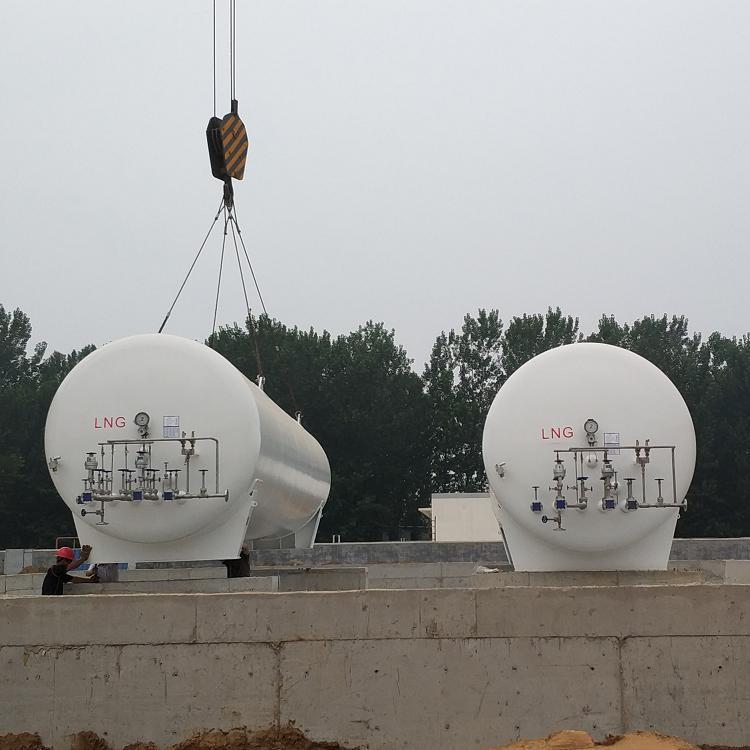
The leak treatment methods for liquid argon storage tanks mainly include the following steps:
Leak Detection: Leakages in liquid argon storage tanks are identified through odor detection, gas detection instruments, or abnormal pressure in liquid argon storage tanks.
Confirm Air Leaks: Utilize gas detection equipment or foam leak detection agents to pinpoint the exact location of air leaks. Check storage tank interfaces, valves, pipe connections, and other areas to locate the air leaks.
Seal Air Leaks: Take appropriate measures to stop air leaks based on their location. For instance, for leaks at joints, inspect and adjust gaskets or tighten bolts; for valve leaks, check and replace seals.
Isolate Air Leaking Areas: During the process of dealing with air leaks, it is necessary to isolate the air leaking areas to ensure personnel safety. Set up warning signs, restrict access to the area, and take necessary protective measures, such as wearing protective masks, gloves, etc.
Evacuating Liquid Argon: If air leakage cannot be repaired immediately or the leakage is significant, consider evacuating the liquid argon. By gradually reducing the pressure of liquid argon within the storage tank, convert it into gas to minimize the risk of air leakage.
Ventilation Treatment: During the air leakage treatment, ensure adequate ventilation and promptly expel the gases produced by the evaporation of liquid argon. Natural ventilation or the use of ventilation equipment can be employed to exhaust the evaporated gases of liquid argon outdoors.
Safety Assessment and Repair: After the air leakage treatment is completed, conduct a safety assessment to ensure the tank's safety. Based on the assessment results, carry out necessary repairs and maintenance to prevent the recurrence of air leakage.
Note that liquid argon is a low-temperature liquid with a low boiling and freezing point. Caution is required when dealing with leaks to avoid contact and resultant chill. When handling leaks in liquid argon storage tanks, it should be operated by personnel and followed the relevant safety operation procedures and standards.
ZJ Special Equipment adheres to the grand vision of "realizing employees' dreams, creating customer value, and striving for the prosperity and strength of our motherland," and is dedicated to the development of the green energy equipment industry. We offer society high-value products and services!
WeChat Official Account

Scan to follow Official Account



















