


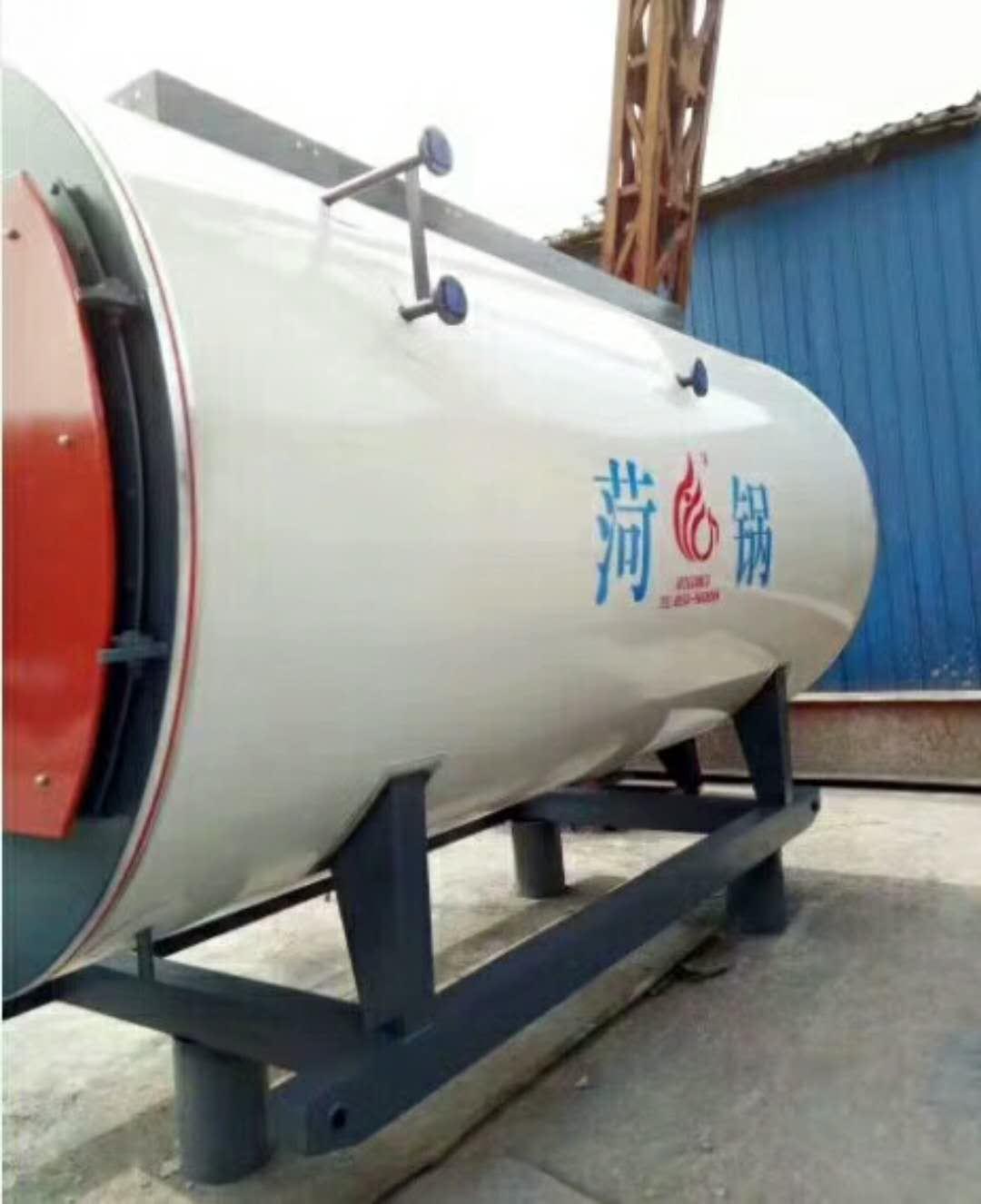

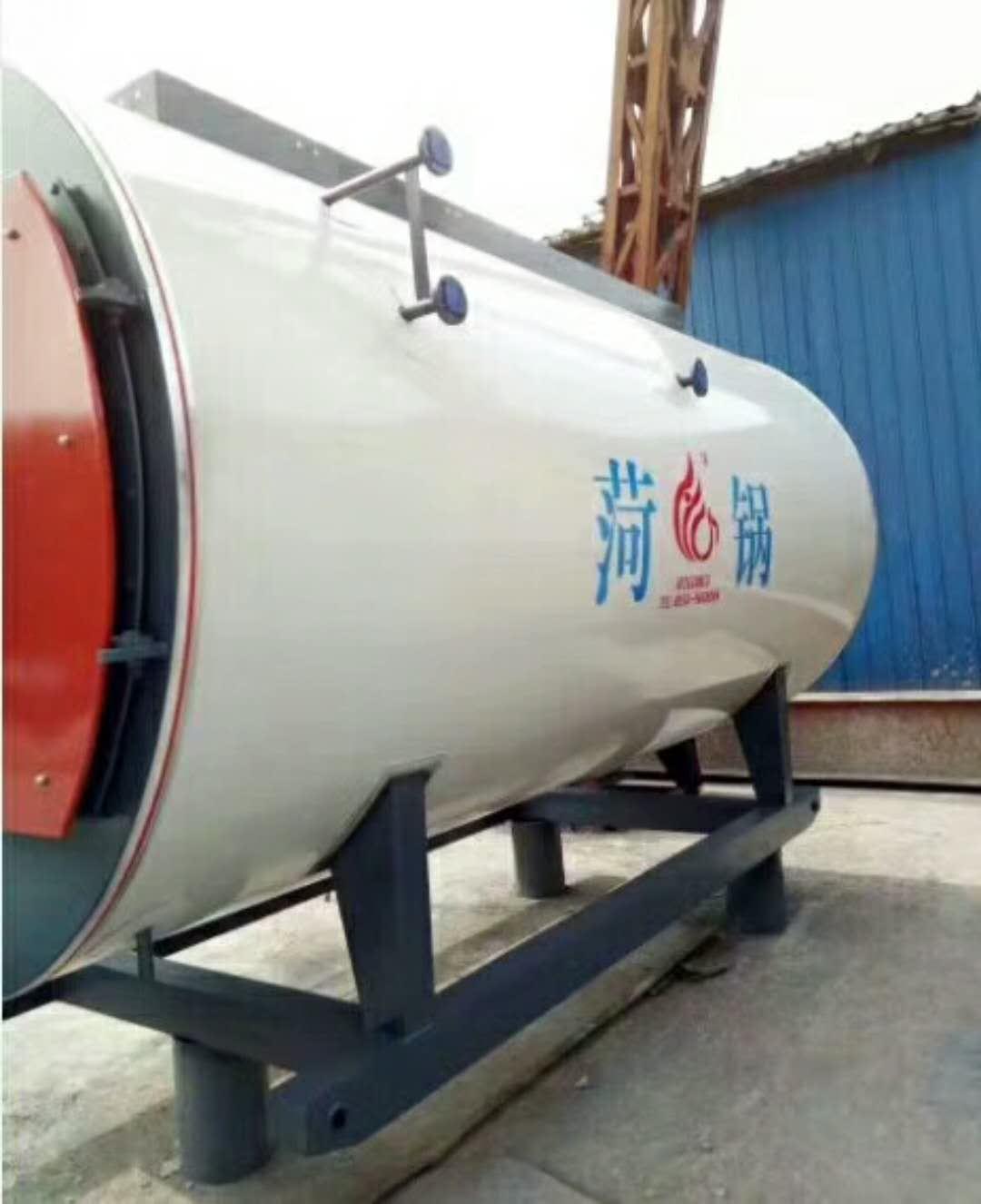
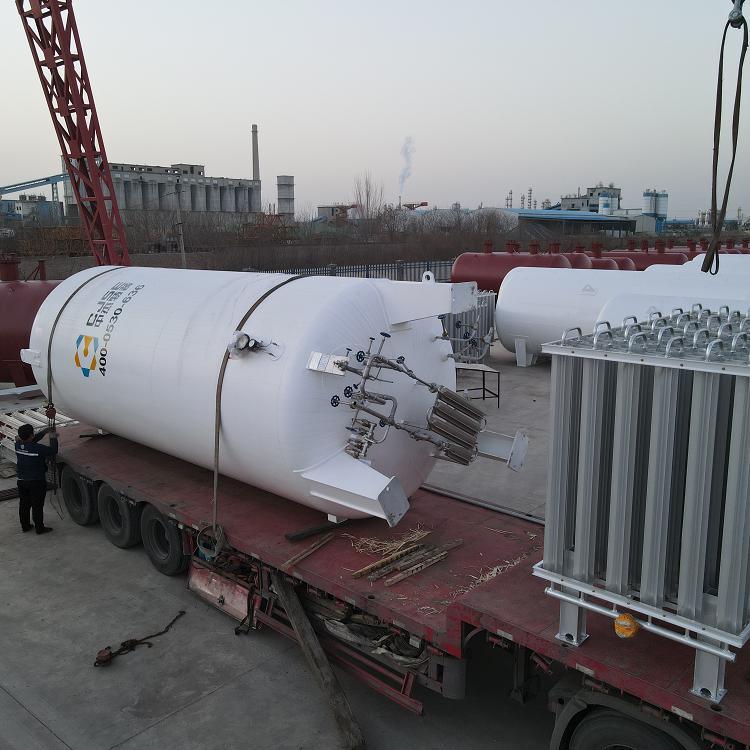


















Shandong Zhongjie Special Equipment (formerly Heze Boiler Factory Co., Ltd.) holds an A-grade boiler manufacturing license, A2-grade pressure vessel manufacturing license, A2-grade pressure vessel design license, B-grade boiler installation, and GB2/Class, GC2/Class pressure pipeline installation licenses, as well as a qualification for electromechanical equipment installation contracting. It is a member of the China Boiler and Water Treatment Association, the China Chemical Equipment Association, and a director unit of the Shandong Equipment Manufacturing Association. The company has also passed certifications for the ISO9001 Quality Management System, ISO14001 Environmental Management System, OHSAS18001 Occupational Health and Safety Management System, and the American ASME/U2 certification.
When cleaning low-temperature liquid storage tanks, the following steps should be taken:
Safety Preparations: Prior to cleaning, ensure there are no remaining liquids or gases in the tank, and that it has been properly drained and vented. Wear appropriate personal protective equipment, such as protective suits, gloves, and safety shoes.
Cleaning Agent Selection: Choose a cleaning agent suitable for low-temperature environments and liquid storage tank materials. Common cleaning agents include acidic and alkaline solutions, organic solvents, or specialized cleaning agents. Select the appropriate cleaning agent based on the tank material and the nature of the contaminants.
Washing Process: Inject the cleaning agent into the tank and clean the inner walls with appropriate tools (such as sprayers, brushes, or high-pressure water). Multiple washes can be performed as needed to ensure contamination is removed.
Washing and Discharging: After cleaning, flush with clean water or an appropriate solvent to remove all cleaning agents and residues. Ensure the tank is dry inside and discharge the flushings into a suitable treatment system.
Inspection and Verification: After cleaning, inspect the tank to ensure no residual contaminants are left inside. Appropriate testing equipment or methods, such as optical inspection, chemical analysis, or ultrasonic testing, can be used to verify the cleaning effectiveness.
Be mindful that when cleaning low-temperature liquid storage tanks, it's crucial to adhere to relevant safety standards and operational guidelines. Liquid storage tanks typically have high flammability and low-temperature characteristics, so operators must strictly follow safety procedures to ensure personnel and equipment safety. During the cleaning process, be cautious to prevent leaks of cleaning agents and contaminants, and take appropriate measures for handling and disposal.
To prevent risks associated with liquid oxygen tanks, the following preventive measures can be taken:
Safety Operation and Management: Establish and implement stringent safety operation and management systems, including proper usage of storage tanks, operational procedures, and safety training. Ensure that operators possess the necessary safety awareness and skills, adhere to operational procedures, and minimize operational errors and the likelihood of accidents.
Regular Inspections and Maintenance: Conduct regular checks and maintenance on liquid oxygen tanks, including visual inspections, pressure tests, and leak detection. Identify and address tank issues promptly to ensure safety and reliability.
Safety devices and protective equipment: Tanks should be equipped with necessary safety devices, such as pressure relief valves, level alarms, etc., as well as protective equipment like fire barriers, explosion-proof devices, etc. These devices and equipment can take timely measures in abnormal situations to ensure the safety of the tank.
Fire prevention measures: Liquid oxygen contains a high concentration of oxygen, which is prone to cause fires. Therefore, fire prevention measures such as firewalls and fire extinguishers should be set up around the storage tanks to prevent the spread and expansion of fires.
Leakage Control and Emergency Response Plan: Establish a liquid oxygen tank leakage control and emergency response plan, including leakage control measures, emergency response procedures, and evacuation plans. In the event of a leakage incident, the plan enables rapid action to control the leakage and ensure personnel safety.
Training and Awareness Enhancement: Conduct regular safety training for operators of liquid oxygen tanks to enhance their safety awareness and emergency response capabilities. Strengthen safety
Liquid nitrogen tanks are widely used in meat freezing. The following are several main applications of liquid nitrogen tanks in meat freezing:
Quick Freezing: Liquid nitrogen tanks can provide low temperatures to rapidly freeze meats to the required temperature. Due to the low-temperature characteristics of liquid nitrogen, the temperature of meats can be quickly reduced in a short time, effectively preserving their quality and texture.
Chilled Storage: Liquid nitrogen tanks are suitable for long-term frozen storage of meat products. Placing meat in a liquid nitrogen tank can maintain low temperatures, prevent the growth of bacteria and microorganisms, and extend the shelf life of the meat.
Chilled Transport: Liquid nitrogen tanks are suitable for the cold transport of meat products. Placing meat in the liquid nitrogen tank maintains its low temperature, ensuring the quality and freshness of the meat during transportation.
Chilled Processing: Liquid nitrogen tanks are suitable for meat freezing. By exposing meat to liquid nitrogen, the surface can be quickly frozen to form a frost layer, preserving the meat's moisture and nutritional content.
Chilled Processing: Liquid nitrogen tanks are suitable for meat freezing processing. Placing meat in liquid nitrogen makes it harder and crisper, facilitating cutting, slicing, and processing.
Note that when using liquid nitrogen tanks for meat freezing, it is essential to adhere to the relevant safety operation procedures and guidelines. Ensure that operators are equipped with the necessary safety awareness and operational skills to prevent accidental incidents. Additionally, consult the food safety authorities for any specific requirements.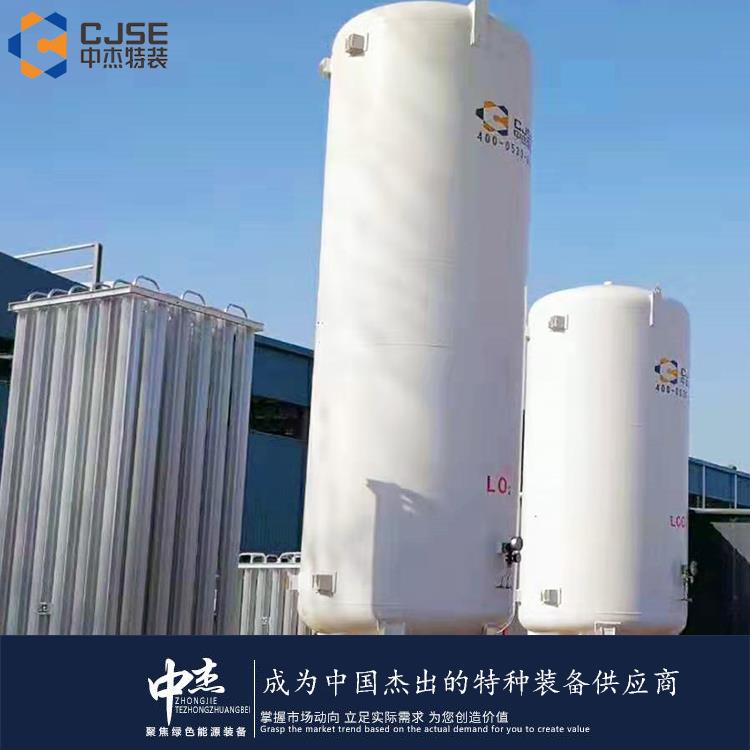
The installation of the safety valve on the liquid oxygen storage tank is a crucial component to ensure that the tank can release pressure in a timely manner during overpressure situations, protecting the tank and related equipment. Below are the steps for installing the safety valve on the liquid oxygen storage tank:
Determine the rated pressure of the safety valve: Select an appropriate safety valve based on the design pressure and flow requirements of the liquid oxygen storage tank. Ensure the rated pressure of the safety valve meets the tank's specifications and complies with relevant safety standards and regulations.
Valve Installation Location: Select a suitable location for installing the safety valve. Typically, the safety valve should be mounted on the top or side of the liquid oxygen tank to allow for timely pressure release in case of overpressure conditions.
Ready for installation interfaces: Prepare the corresponding interfaces based on the type of connection of the safety valve. This may include welding joints, threaded joints, or flange joints, etc. Ensure the tightness of the interfaces and secure connections.
Install the safety valve: Mount the safety valve onto the prepared fitting. Follow the installation instructions for the safety valve to ensure proper connection and tightening.
Adjustment and Testing: After installation, adjust and test according to the requirements of the safety valve. Ensure the opening and closing pressures of the safety valve meet the design specifications, and conduct a leak test to ensure its sealing.
Connect discharge piping: The discharge piping of the safety valve should be properly connected to the outlet of the safety valve. The discharge piping should have sufficient diameter and flow capacity to ensure effective discharge of overpressure gas when the safety valve is opened.
Labeling and Record Keeping: Identify relevant information on safety valves and discharge pipes, such as rated pressure, flow rate, and installation date. Also, record the installation details and test results of the safety valves for future reference and maintenance.
When installing the safety valve on the liquid oxygen storage tank, it is imperative to follow the relevant safety regulations and operation guidelines. If you lack the necessary experience and knowledge, it is advisable to seek assistance and guidance from experts to ensure the correct installation and reliable operation of the safety valve.
Zhongjie Special Equipment upholds the grand vision of "realizing employees' dreams, creating value for customers, and striving for the prosperity and strength of our motherland," and is dedicated to the development of the green energy equipment industry. We offer society high-quality and cost-effective products and services!
WeChat Official Account

Scan to follow Official Account



















