


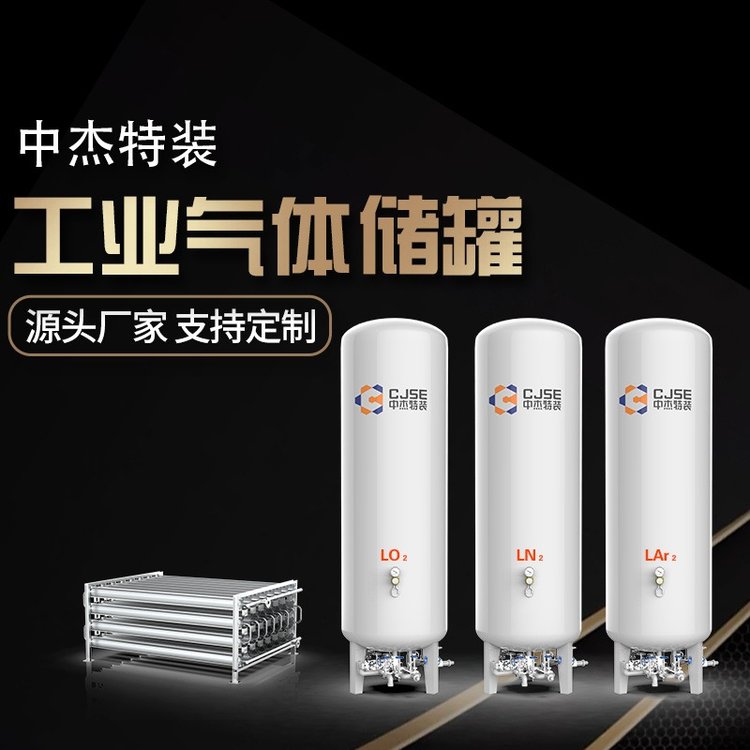

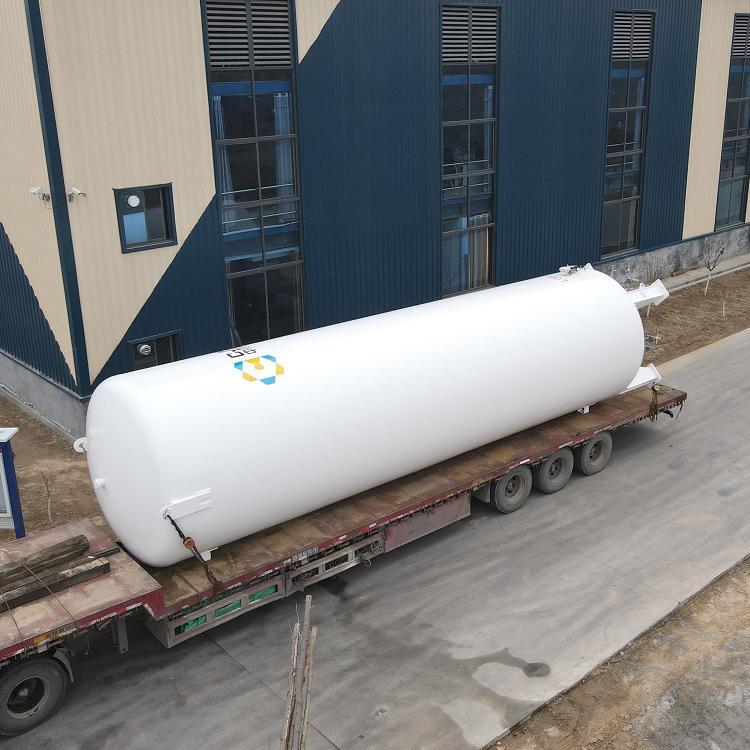
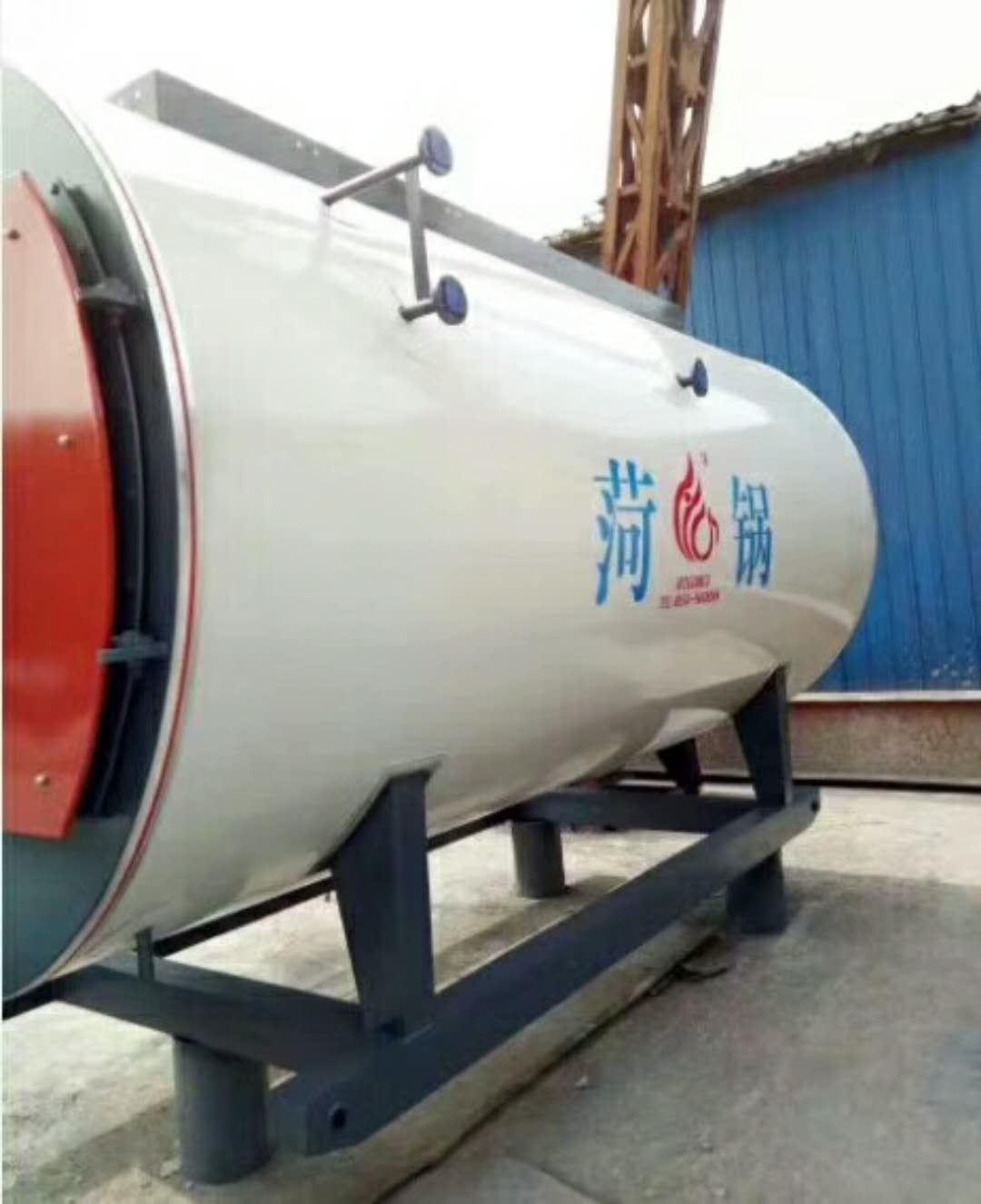


















Shandong Zhongjie Special Equipment (formerly Heze Boiler Factory Co., Ltd.) was established in 2001, located at No. 2218 Jinnan Road, Economic and Technological Development Zone, Heze City. With a registered capital of 50 million yuan and total assets of 500 million yuan, the company has seven business centers: boilers, deep-freeze containers, pressure vessels, central air conditioning, engineering installation, international trade, and Internet of Things. It has three factory sites on Jinnan Road, East Changjiang Road, and Bohai Road, covering a total area of 200,000 square meters, with the main workshop spanning 83,000 square meters. It currently employs 710 people, including 247 engineering and technical personnel and 82 intermediate-level technicians. In December 2016, it was recognized as a "High-tech Enterprise" by the Science and Technology Department. In June 2021, it was identified as a "Specialized and New Enterprise in Shandong Province" by the Ministry of Industry and Information Technology. In June 2022, it was recognized as a "Gazelle Enterprise in Shandong Province" and in August 2022, as a "Specialized and New Small Giant Enterprise" by the Ministry of Industry and Information Technology.
Carbon dioxide recovery is a technology designed to capture carbon dioxide from industrial emission sources or the atmosphere and store or utilize it to reduce carbon dioxide emissions. Here are some common carbon dioxide recovery techniques:
1. Coal-fired Power Plant Carbon Dioxide Recovery: In coal-fired power plants, the carbon dioxide produced by burning coal can be captured and recovered. Common methods include carbon capture technologies, which separate carbon dioxide from flue gas and store or utilize it.
2. Industrial Emission Source Carbon Dioxide Recovery: Many industrial processes produce carbon dioxide that can be treated through capture and recovery techniques. For example, carbon dioxide produced during the production processes of industries like steel, cement, and chemicals can be recovered to reduce emissions.
3. Atmospheric Carbon Dioxide Capture: Carbon dioxide in the atmosphere can also be recovered using direct air capture technologies. This technique uses adsorbents or chemical reactions to capture and separate carbon dioxide from the atmosphere, then store or utilize it.
4. Carbon Dioxide Utilization: Captured carbon dioxide can be used to produce valuable chemicals and fuels. For instance, through carbon dioxide catalytic conversion technology, carbon dioxide can be converted into fuels or chemical raw materials like ethanol.
The development of carbon dioxide recovery technologies aims to reduce greenhouse gas emissions and mitigate climate change. However, these technologies are still under development and research, requiring further technological breakthroughs and practical verification for large-scale application.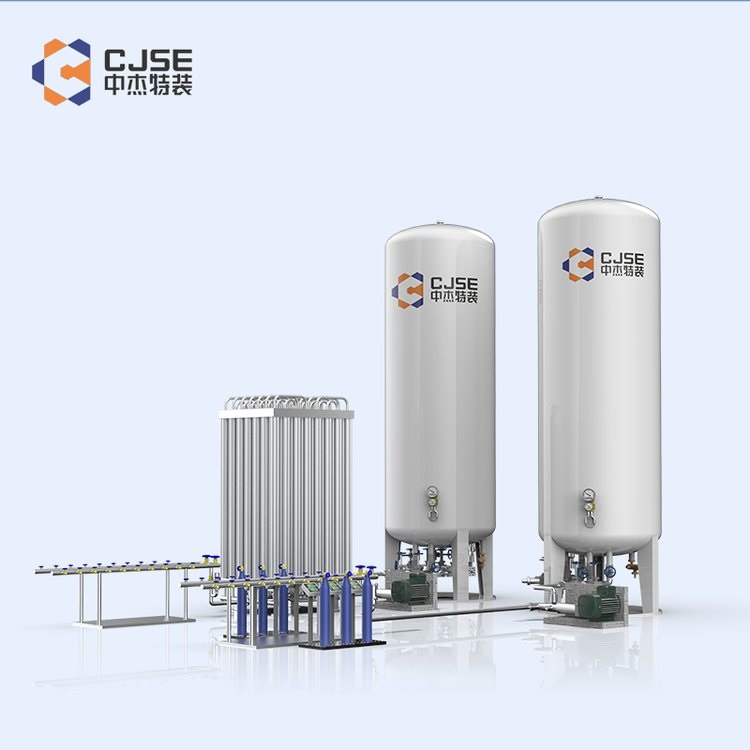
For the maintenance and care of low-temperature liquid storage tanks, here are some tips and precautions:
- Regular Inspections: Regularly check the tank's exterior, internal lining, valves, and pipeline connections for signs of corrosion, cracks, or oil leaks.
- Cleaning and Draining: Regularly clean the interior of the tank to remove accumulated impurities and sediments. Also, periodically drain the tank to remove liquid and gas impurities.
- Corrosion Prevention: The exterior and inner lining of low-temperature liquid storage tanks should be treated with corrosion prevention measures. Regularly inspect and maintain the integrity and effectiveness of the protective layer or coating.
- Temperature and Pressure Control: Maintain the tank's temperature and pressure within the design limits to avoid damage from extreme temperatures or pressures.
- Safety Equipment Inspection: Check the tank's safety equipment, such as safety valves, pressure sensors, and temperature sensors, to ensure they are functioning properly. Verify that their set parameters meet requirements.
- Level Measurement System Maintenance: Regularly inspect and calibrate the level measurement system to ensure accuracy and reliability. Clean or replace level sensors as needed.
- Fire Prevention Measures: Fire prevention is crucial for low-temperature liquid storage tanks. Ensure that fire protection equipment around the tank is in good condition and conduct fire drills regularly.
- Regular Assessments and Monitoring: Regularly assess and monitor the tank for structural integrity, corrosion, and safety. Take appropriate maintenance and repair actions based on assessment results.
- Operator Training: Operators should be trained to understand the characteristics, operational requirements, and safety measures of low-temperature liquid storage tanks. Training should include safe operation, leak handling, and emergency procedures.
清洁低温液体储罐的过程需要谨慎操作,以确保安全性和有效性。以下是一般的清洁步骤: 安全准备:在清洁液体储罐之前,确保储罐内的液体已经完全排空,并且储罐的压力已经释放。确保所有相关的安全设备和阀门处于关闭状态。 防护措施:低温液体储罐通常存储着冷的液体,如液氮或液氧。在进行清洁操作时,必须佩戴适当的个人防护装备,如绝缘手套、、防护服等,以防止冷或其他伤害。 清洁剂选择:选择适合清洁低温液体储罐的清洁剂。清洁剂应具备良好的腐蚀性能和低温适应性。可以咨询清洁剂供应商或储罐制造商以获取建议。 清洁过程:将清洁剂注入储罐中,使用适当的工具(如喷洒器、刷子等)进行清洁。根据储罐的尺寸和污染程度,可以选择手动清洁或使用清洗设备。 冲洗和排放:清洁完成后,使用清水或其他适当的冲洗剂进行冲洗,以确保清洁剂和污物。冲洗完成后,将废水和废液排放到合适的处理系统中,遵循环境保护的相关规定。 检查和验证:清洁完成后,进行储罐的检查和验证,确保储罐内部干净、无残留物,并符合相关的安全和卫生要求。 需要注意的是,清洁低温液体储罐的具体步骤和要求可能会因不同的储罐设计和使用场景而有所差异。在进行清洁操作时,应遵循相关的安全操作规程和标准,确保操作的安全性和有效性。好咨询工程师或储罐制造商以获取具体的清洁指导。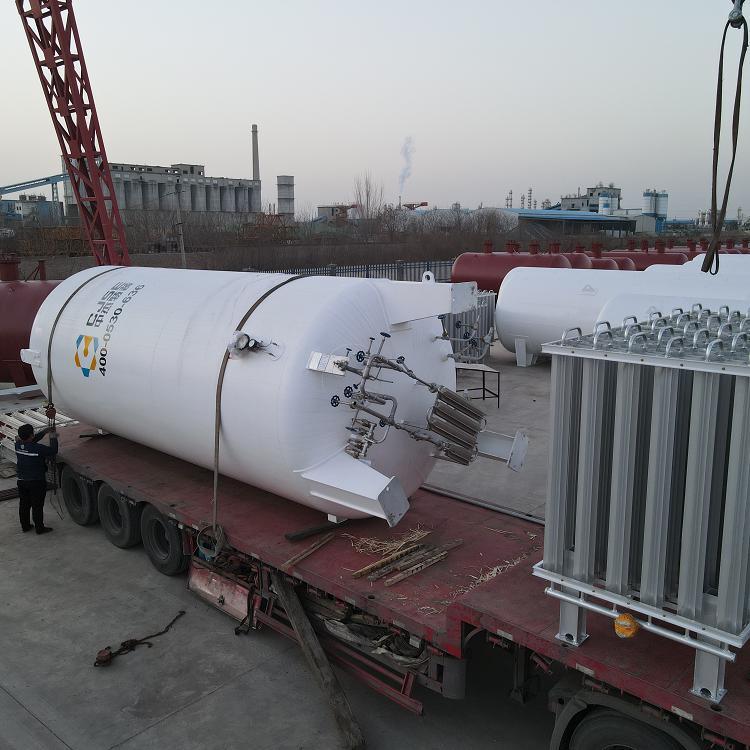
Carbon dioxide storage tanks are devices used for storing carbon dioxide gas. They are typically made from high-strength materials with sealed performance to ensure no leakage of stored carbon dioxide gas. The design and capacity of the tanks can be adjusted as needed to fit various application scenarios. Carbon dioxide storage tanks are widely used across various fields, including industrial production and food processing. In the industrial sector, they are commonly used to store and supply carbon dioxide gas for processes such as welding, gas shielding, and fire suppression. In the food processing industry, they are utilized in the production of carbonated beverages and frozen foods. In the medical field, they can be used to manufacture medical gases like breathing gases and anesthetic gases. The development and manufacturing of carbon dioxide storage tanks involve multiple manufacturers and technologies. Different companies may adopt various designs and manufacturing processes to meet the needs of different users. Additionally, relevant safety standards and regulations must be adhered to to ensure the safe operation and use of the tanks.
Shandong Zhongjie Special Equipment, welcome customers to our factory for business discussions.
WeChat Official Account

Scan to follow Official Account



















